Russia’s first domestically assembled Arc7 ice-class LNG carrier has completed more than half of its Arctic transit and ice-trial program, escorted by a nuclear icebreaker through some of the most challenging ice conditions on the Northern Sea Route. The voyage marks a milestone for Moscow’s efforts to expand export capacity at the sanctioned Arctic LNG 2 project.
Russia’s newest LNG carrier, Alexey Kosygin, is steadily advancing across the Arctic after completing over half of its planned ice trials and delivery voyage, escorted by the nuclear-powered icebreaker Arktika. The two vessels rendezvoused in the Bering Strait on January 13, 2026, beginning a roughly 2,700-nautical mile journey toward the Arctic LNG 2 plant, following the carrier’s commissioning two weeks earlier.
Satellite imagery shows the convoy carefully navigating through old, residual sea ice in the Chukchi Sea, south of Wrangel Island, and onward toward the waters near Pevek and the boundary with the East Siberian Sea. This type of ice, leftover from the previous summer melt season, poses a particular challenge even for heavily reinforced Arc7-class vessels. Operators generally avoid such conditions unless absolutely necessary due to the stresses old, multi-year ice can place on propulsion systems and hull structures.
Satellite images showing Alexey Kosygin’s track through the ice on January 18, 2026. (Source: Sentinel 1)
The risks are not theoretical. During a late-season Arctic transit in 2021, the Arc7 LNG carrier Nikolay Yevgenov suffered damage to one of its three azipod propulsion units after encountering difficult ice. In the years since, Russia has limited late-autumn and early-winter transits, though the successful January 2023 voyage of Vladimir Voronin demonstrated that year-round Arctic exports were technically feasible under the right conditions.
In the current transit, satellite images indicate that parts of the residual ice field have been partially broken up, with fragments drifting closer to shore and into established navigation routes. The convoy has been observed threading a narrow path between these older ice floes and newly formed first-year sea ice, often with Alexey Kosygin leading and the icebreaker managing pressure ridges and heavier accumulations ahead or alongside. Through this demanding stretch, the vessels have maintained an average speed of around 10 knots.
Satellite images showing Alexey Kosygin’s track through the ice on January 16, 2026. (Source: Sentinel 1)
Since entering the Northern Sea Route approximately a week ago, the convoy has covered about 1,400 nautical miles, leaving roughly 1,000 nautical miles before reaching the Arctic LNG 2 terminal.
According to Russian sea-ice charts, the section near the Chukchi–East Siberian Sea boundary was likely the most challenging part of the voyage. Beyond that point, the remaining route is expected to consist primarily of first-year ice, without dangerous intrusions of older ice.
The timing is significant. Alexey Kosygin holds authorization to begin LNG export operations for Arctic LNG 2 starting February 1, and at its current pace, the vessel is expected to arrive at the plant close to that date.
Russia will push its nuclear-powered icebreakers to sea for up to 270 days a year, increasing workloads as an ageing fleet, sanctions-related delays and unpredictable ice conditions strain Moscow’s ability to escort cargo along the Northern Sea Route.
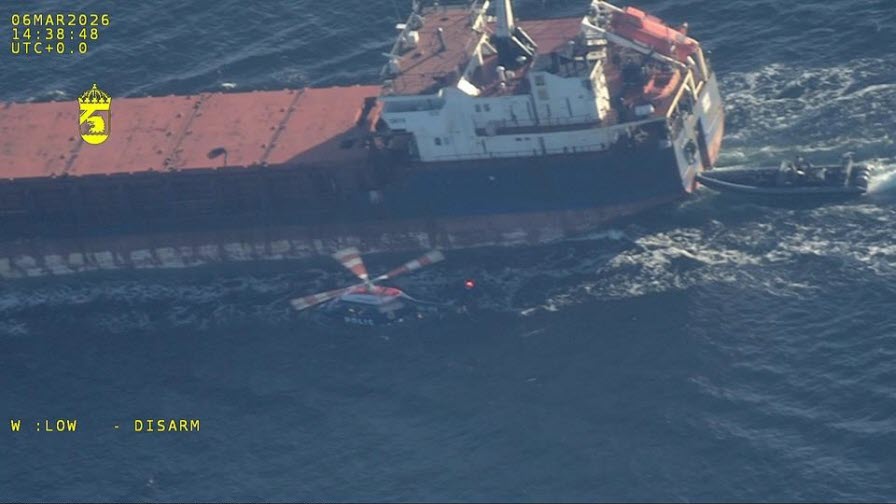
Swedish authorities have boarded and taken control of a cargo vessel in the Baltic Sea after determining the ship was operating as a suspected stateless ship, triggering an investigation and raising fresh concerns about illicit cargo flows tied to Russia’s war in Ukraine.
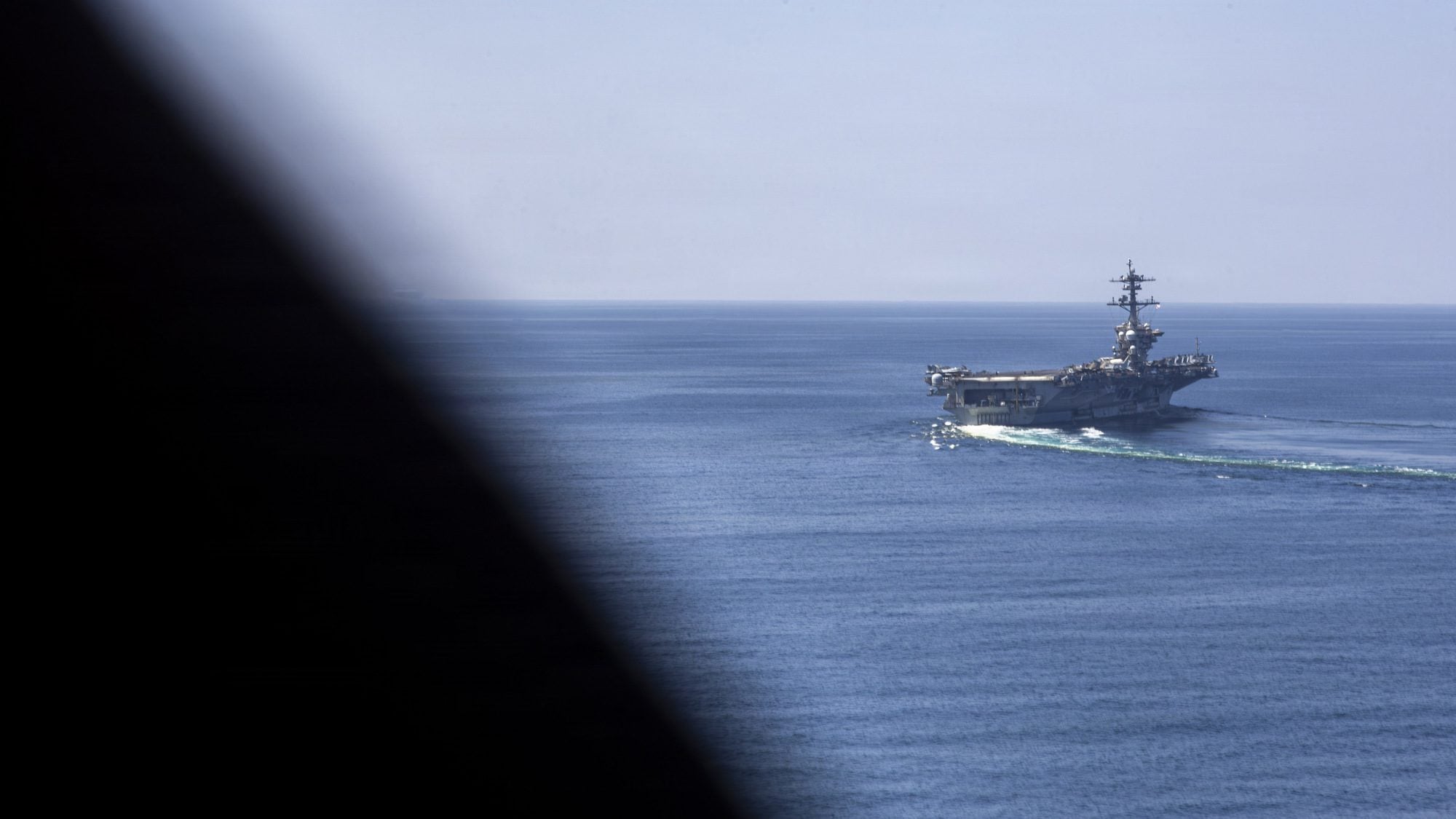
Russia is providing Iran with targeting information that includes locations of U.S. warships and aircraft in the Middle East, the Washington Post reported on Friday, citing three officials familiar with the intelligence.
March 6, 2026
Total Views: 4502
Get The Industry’s Go-To News
Subscribe to gCaptain Daily and stay informed with the latest global maritime and offshore news
— just like 107,412 professionals
Secure Your Spot
on the gCaptain Crew
Stay informed with the latest maritime and offshore news, delivered daily straight to your inbox
— trusted by our 107,412 members
Your Gateway to the Maritime World!
Essential news coupled with the finest maritime content sourced from across the globe.

 Join The Club