By Sara Gharaibeh and Alex Longley
Jun 27, 2026 (Bloomberg) –A ship was attacked in the Strait of Hormuz and naval authorities increased the threat level to shipping in the area, a fresh sign of rising tensions around the world’s most vital energy chokepoint.
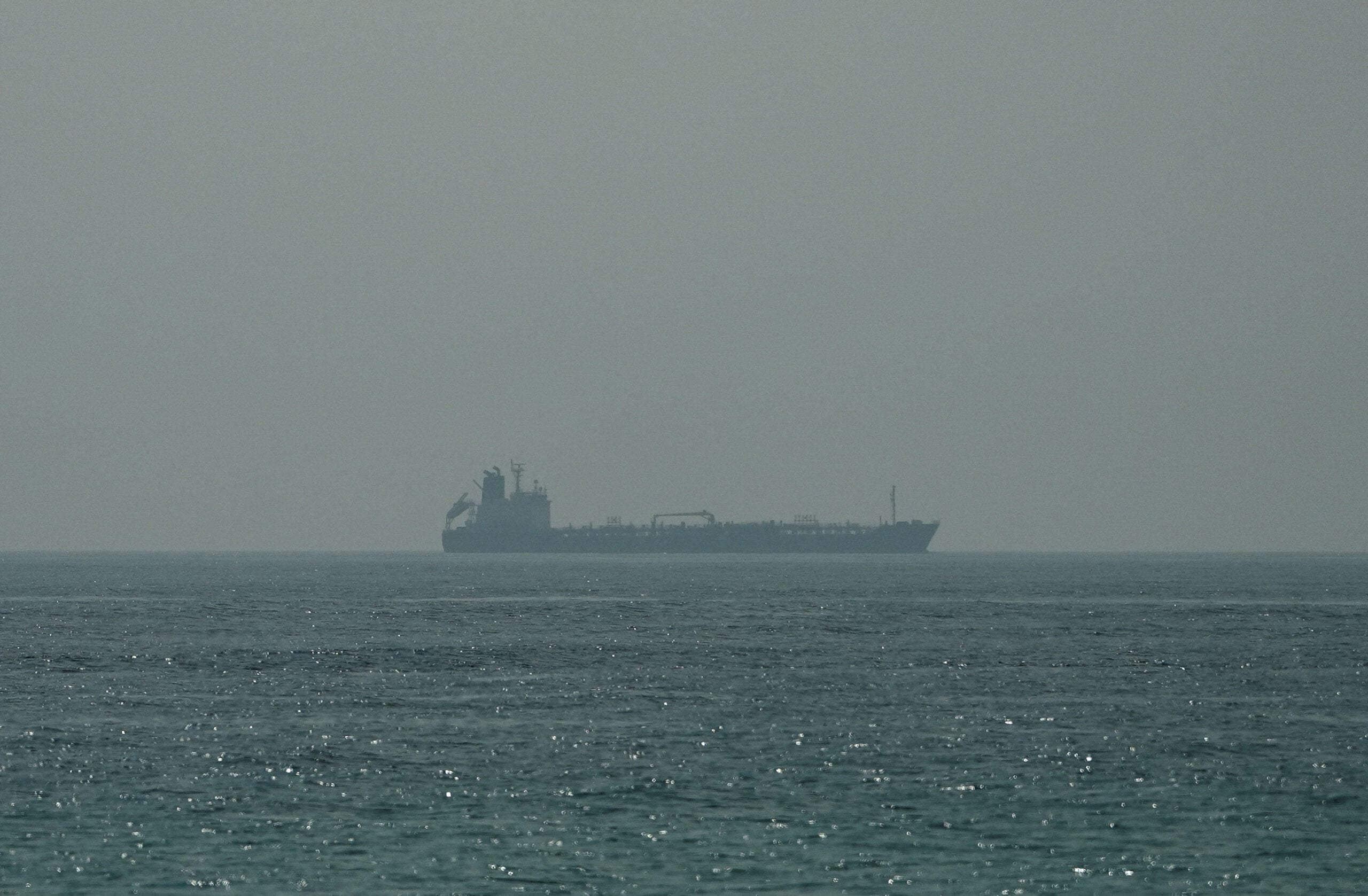
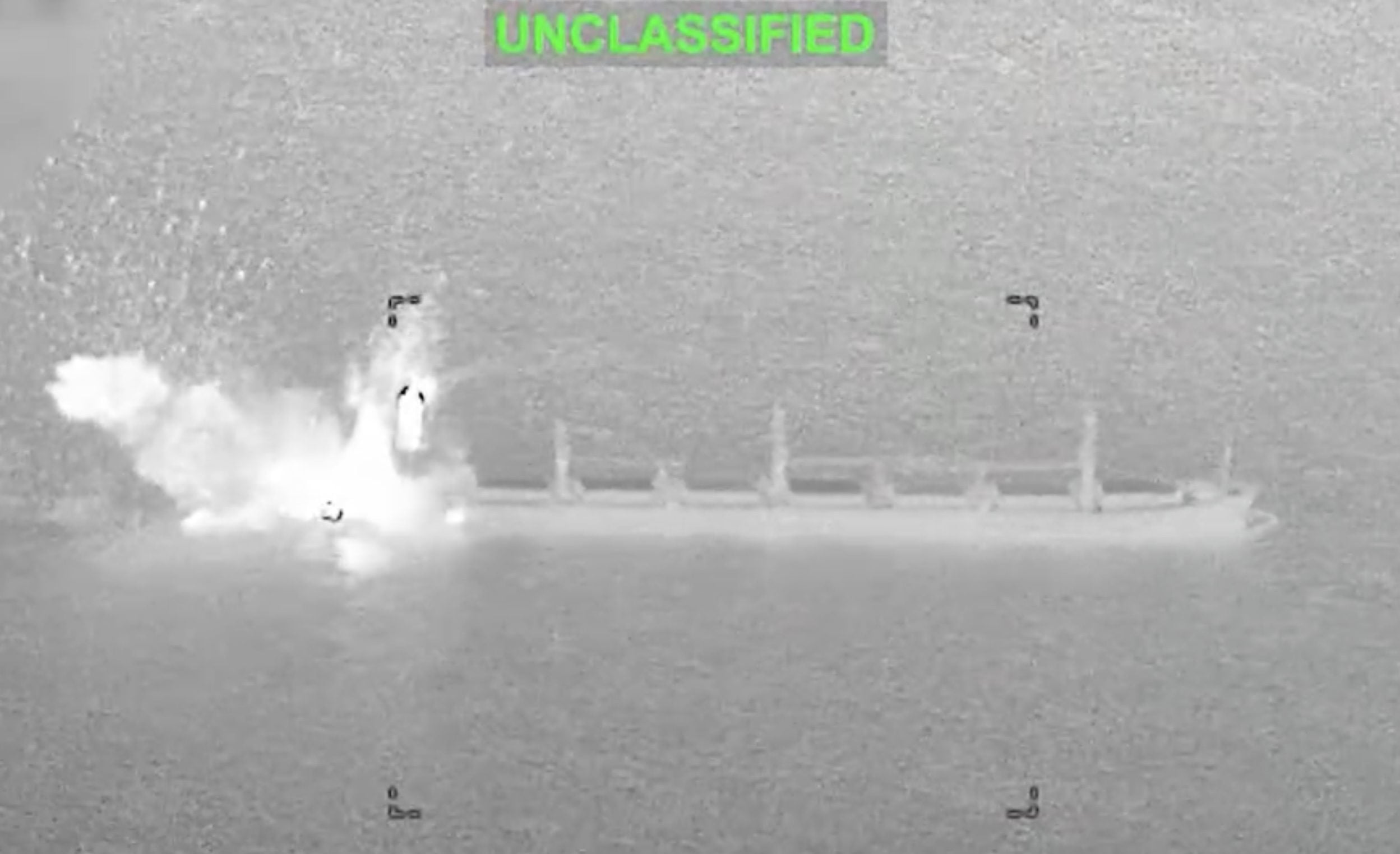
The UK Maritime Trade Operations center said a tanker sustained damage to its bridge after being struck by an unidentified projectile within Hormuz. The ship’s crew are safe and there was no environmental damage, it added. In a separate update, the Joint Maritime Information Center, which liaises between navies and merchant shipping, raised its threat level for ships in the region to substantial as a result of recent attacks.
Read Also: Drone Strike on Ever Lovely Exposes the Fiction of a Free Strait
Saturday’s strike is the second attack on a merchant ship this week and creates a renewed bout of risk to a waterway that had been gradually reopening after the US and Iran struck an interim peace deal earlier in the month. Prior to the incident, vessels had continued to transit Hormuz using both the Iranian side and an Omani route that’s recommended by western navies, including earlier on Saturday morning.
It was too early to say whether the tanker attack had an impact on subsequent crossings, but millions of barrels a day of oil was crossing Hormuz even before the US and Iran signed the interim deal.
On Thursday, a hit on a container ship called Ever Lovely caused the US to strike Iran in retaliation for what it described as unwarranted aggression against commercial shipping. Tehran in turn said it then attacked US assets in the region.
In its update on Saturday, the JMIC said that the Omani route had been expanded to allow ships to transit in both directions simultaneously. It also published a warning area for potential mines that covers much of the usual Hormuz transit route. The International Maritime Organization warned on Friday that around 80 mines could have been laid in Hormuz.
The presence of explosives has been among the top concerns for shipowners. Under the terms of the agreement with the US, Iran is meant to take responsibility for the removal of any mines, though it remains unclear to what extent that has been carried out.
Iranian authorities had reiterated warnings that journeys taking place outside of the country’s designated transit route were not permitted. Some ships turned around earlier in the week after radio messages reportedly told them not to cross.
Flows of oil through Hormuz have picked up since US President Donald Trump signed an interim peace agreement with Iran last week, causing a significant drop in crude prices.
While traffic has climbed since a peace deal was struck it remains far below pre-war levels and ships still face danger.
© 2026 Bloomberg L.P.

 Join The Club