By Jack Wittels, Grant Smith and Alex Longley (Bloomberg) — The Strait of Hormuz has about 80 mines in its historic shipping lanes, the UN’s International Maritime Organization estimated Friday, showing how difficult it will be to return the key oil channel to normal.
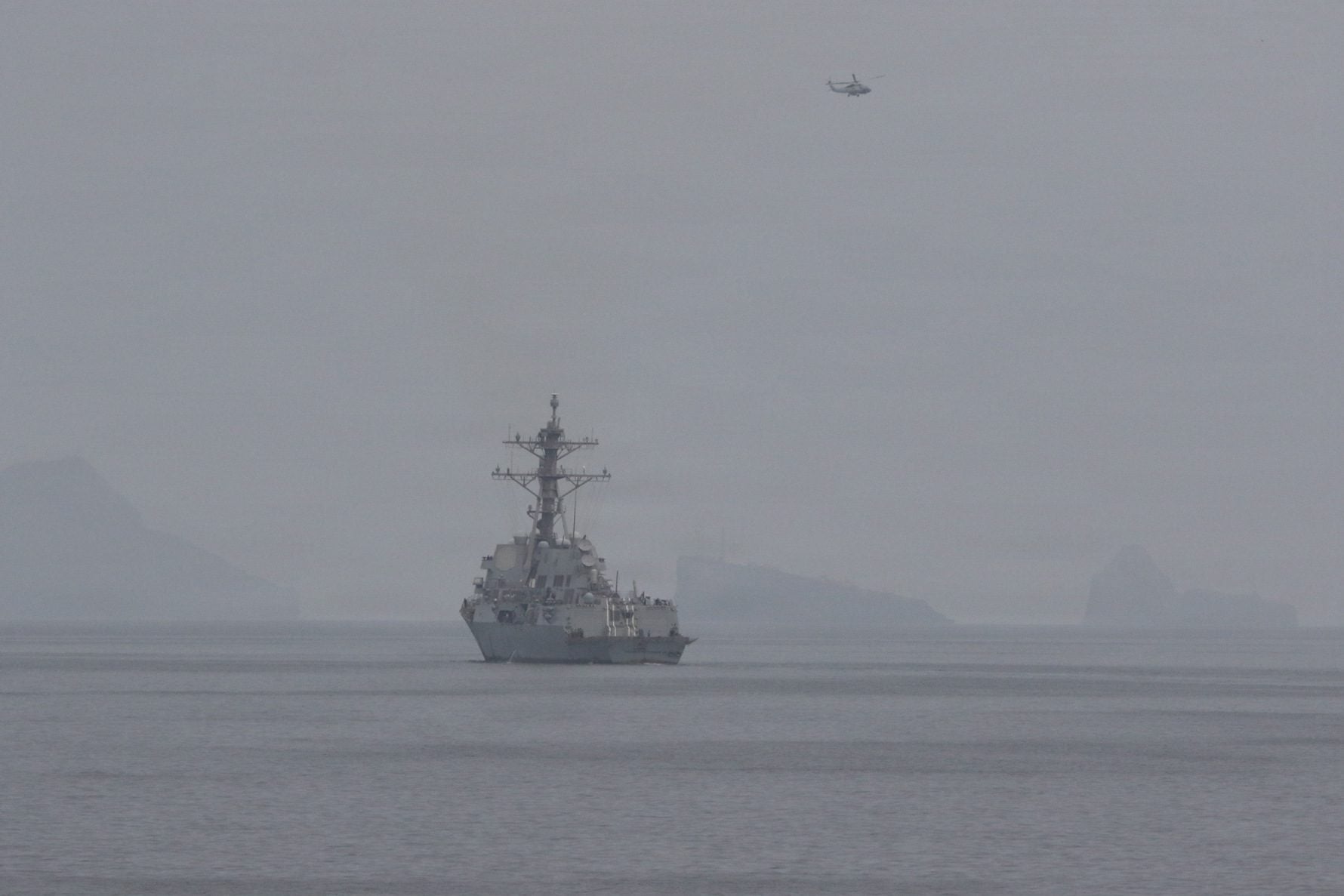
The Iran war has led to the creation of two alternative shipping channels through Hormuz: one that hugs Oman’s coast and is coordinated by the US, and a separate Tehran-controlled one that veers closer to Iran. That’s because explosives are thought to have been deployed in the middle corridor — known as the Traffic Separation Scheme.
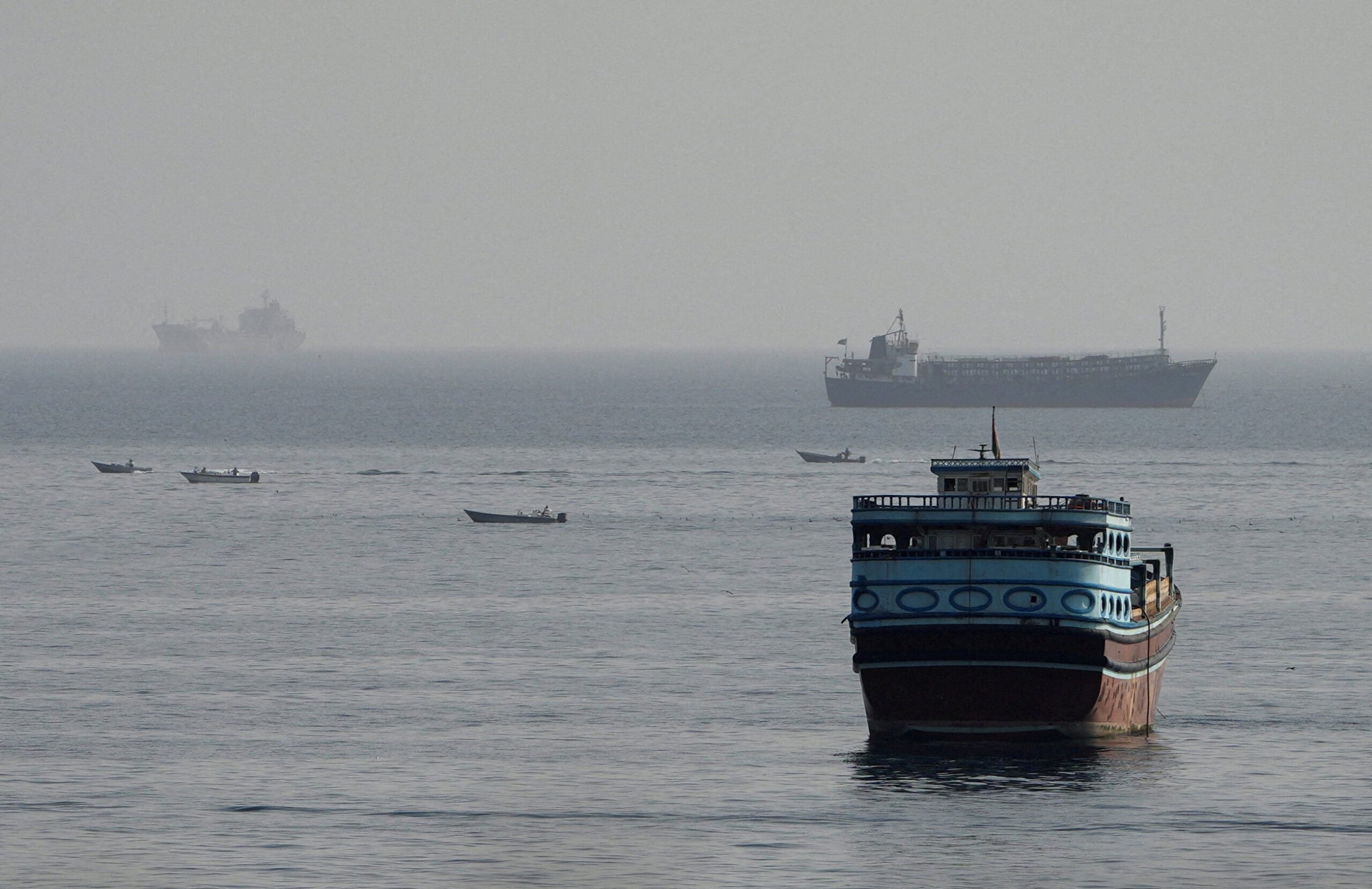
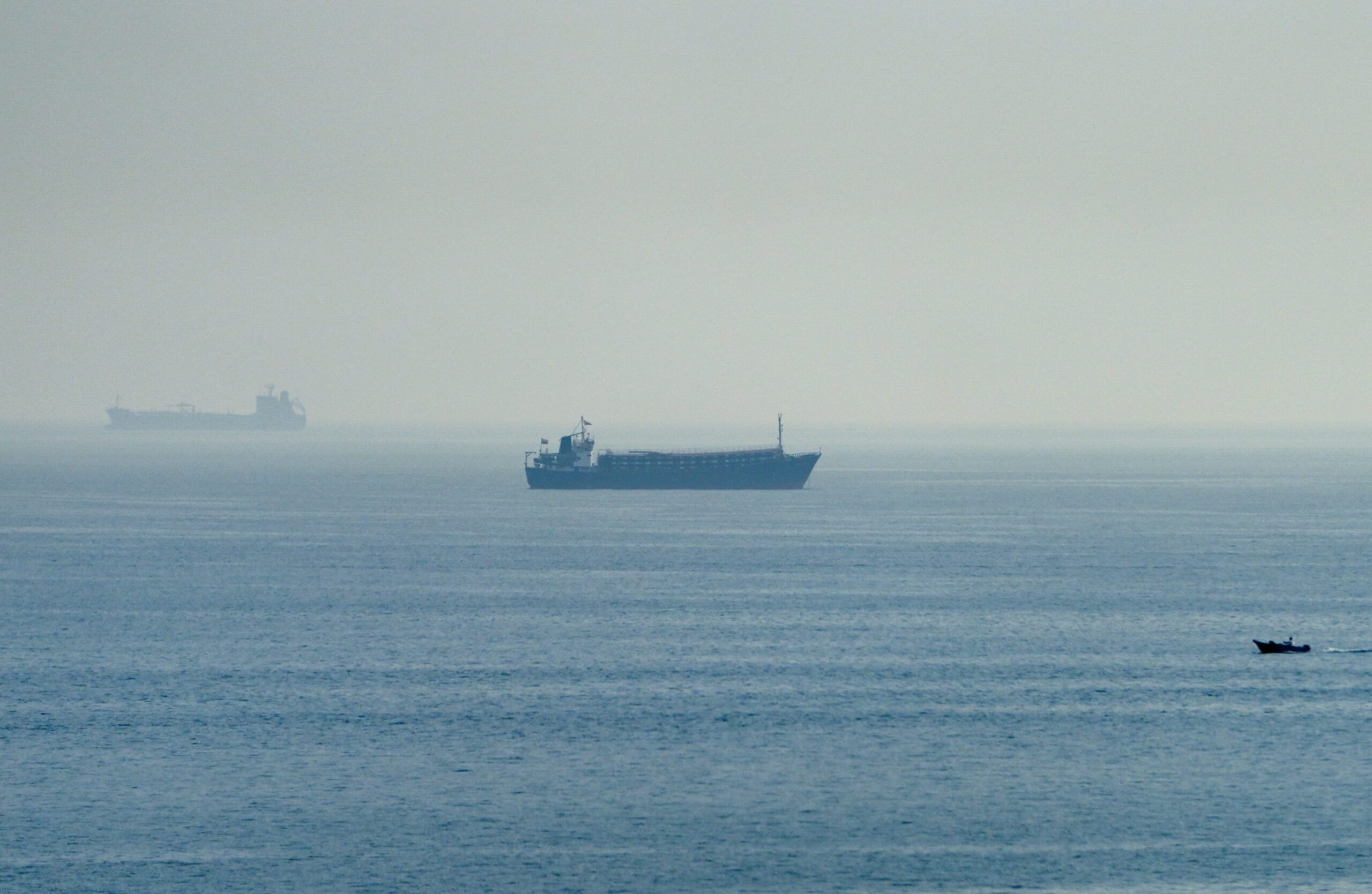
The presence of the explosives has been among the top concerns for wary shipowners and their crews, who’re tasked with exporting Middle East oil, gas and other cargoes to global markets.
Since an interim US-Iran peace deal last week, the industry has been pushing for authorities to restore the old channel, but to do that, the devices must be cleared. The process is widely expected to take weeks.
Ship Attack Off Oman Derails IMO’s Hormuz Evacuation Effort
Under the terms of the peace pact, Iran is supposed to take responsibility for removing the mines, although it’s unclear how much progress has been made. Instead, Tehran has flip-flopped between saying that vessels can transit freely for now, and that need Tehran’s authorization to do so.
In a sign of the lingering risks of transit, one vessel came under attack on the Omani route on Thursday and others performed U-turns rather than going through. The incident prompted the IMO to cancel a plan to evacuate freighters that have been stuck for months inside the Persian Gulf.
The peace deal has nevertheless helped restore exports from the region to about 80% of pre-war levels in recent days and more tankers were observed hauling cargoes out of the Persian Gulf on Friday.
Intertanko, the top trade group for tanker owners, reiterated advice that its members should delay journeys through the strait “until the situation is clearer” and called the Iranian route “a cause for concern.”
“There are issues and ambiguities that need to be addressed in any follow-up measures to ensure safe navigation,” said Intertanko marine director, Phillip Belcher.
Last week, Pakistan — which has responsibility for coordinating navigational warnings in the area — reported detecting a mine near Oman , though the US navy has previously said that the southern route is free of the devices. Earlier this month, the UK and France formulated plans to lead a multinational mine-clearing mission in the strait.
© 2026 Bloomberg L.P.

 Join The Club