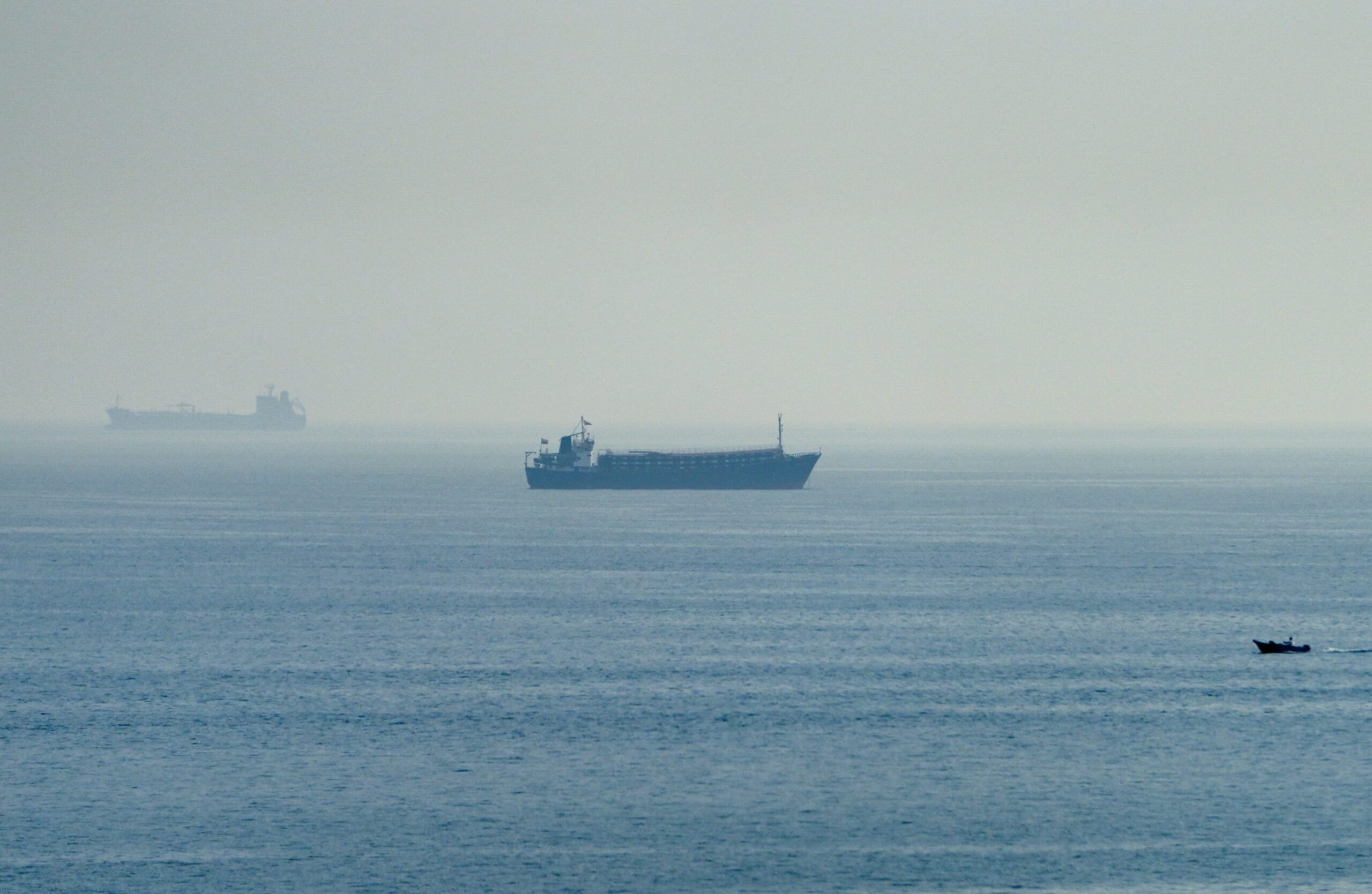
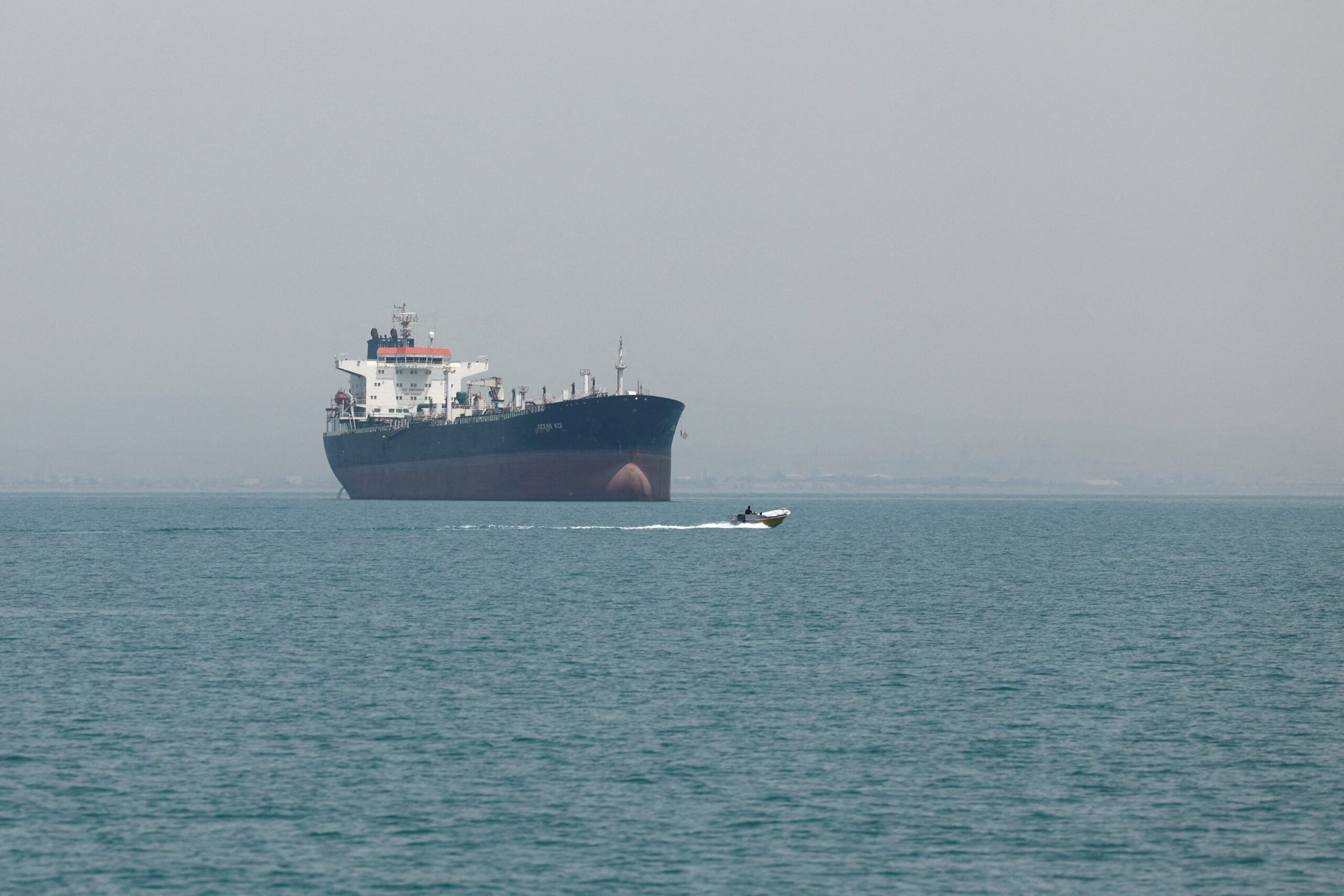
Abu Dhabi National Oil Company said three of its vessels have been attacked this week while transiting the Strait of Hormuz, highlighting the continued danger to commercial shipping as traffic through the critical energy chokepoint remains a fraction of normal levels.
In a statement issued Friday, ADNOC said it remains “significantly impacted” by attacks on its personnel and assets despite efforts to meet customer requirements.
“Since the beginning of the conflict, 15 of our vessels have been attacked by missiles and drones while transiting the Strait of Hormuz, including three vessels this week alone,” ADNOC said.
The company said the attacks have resulted in one fatality and injuries to 20 crew members.
ADNOC did not identify the three vessels involved in this week’s attacks or provide details on the extent of any damage.
The statement comes as maritime security officials continue to describe the Strait of Hormuz as one of the most dangerous operating environments for merchant shipping.
The Joint Maritime Information Center (JMIC), in its latest advisory covering developments through August 6, maintained its SEVERE threat assessment for the Strait, warning that deliberate hostile action remains “highly likely” under current conditions.
JMIC said Iranian attacks and harassment have continued, including vessel hailing, drone overflights and targeted surveillance of merchant shipping. Kinetic activity, including projectile strikes and near-miss explosions, has persisted along the southern Omani approaches between Limah, Khasab and Kumzar.
The deteriorating security environment continues to suppress commercial traffic through the waterway. A new UK Maritime Trade Operations (UKMTO) assessment released Friday showed just 18 outbound and 21 inbound full transits during the seven days ending August 7. Both figures represented roughly 4% of their respective pre-conflict averages.
UKMTO said AIS-detected traffic through the Strait remains approximately 90% below pre-conflict levels despite a brief recovery in late June. The agency said operators are increasingly favoring the northern route following projectile attacks, heightened security concerns and enforcement activity.
The southern Omani corridor has emerged as particularly dangerous. According to UKMTO, it accounted for 14 of the 16 projectile-strike incidents reported since July 6. UKMTO said multiple vessels have aborted planned transits or rerouted north following attacks, suggesting the decline reflects active risk avoidance by shipping companies rather than simply a shift between routes.
Attacks Continue Across Region
JMIC has recorded 83 maritime security incidents since March 1, including three incidents since its previous report.
Among the latest incidents, a tanker transiting north toward the Strait of Hormuz reported two loud explosions in its vicinity on August 5. The vessel altered course and abandoned the transit, with no damage or injuries reported.
Elsewhere, the tanker Daisy reported an explosion close alongside while westbound through the Gulf of Aden. Shockwaves caused minor damage, although the crew was safe and the vessel continued toward Djibouti.
The security situation has also deteriorated in the Red Sea, where an Indian mechanized sailing vessel sank after being struck south of Hodeidah. JMIC said the vessel’s company security officer later reported that the attack was carried out using an uncrewed surface vessel. The crew was rescued and taken to the Yemeni port of Mokha.
Despite the wider regional instability, Hormuz remains the highest-risk area in JMIC’s latest assessment. The Gulf of Oman, Gulf of Aden and Bab el-Mandeb/Southern Red Sea are all rated SUBSTANTIAL, while the Arabian Gulf remains MODERATE.
JMIC expects Hormuz traffic to remain depressed as operators contend with vessel attacks, mine risks, navigational interference, Iranian monitoring and continued U.S. blockade enforcement.
ADNOC said it is coordinating with authorities to protect its crews, assets and operations while continuing to serve customers.
“Freedom of navigation and the safe, uninterrupted passage of commercial shipping through international waterways must be respected and protected without threat, harassment or attack,” the company said.

 Join The Club