The world’s merchant fleet is getting older, and according to Allianz Commercial, that trend is creating mounting safety risks as shipowners struggle to renew fleets amid shipyard shortages, geopolitical disruption and mounting regulatory demands.
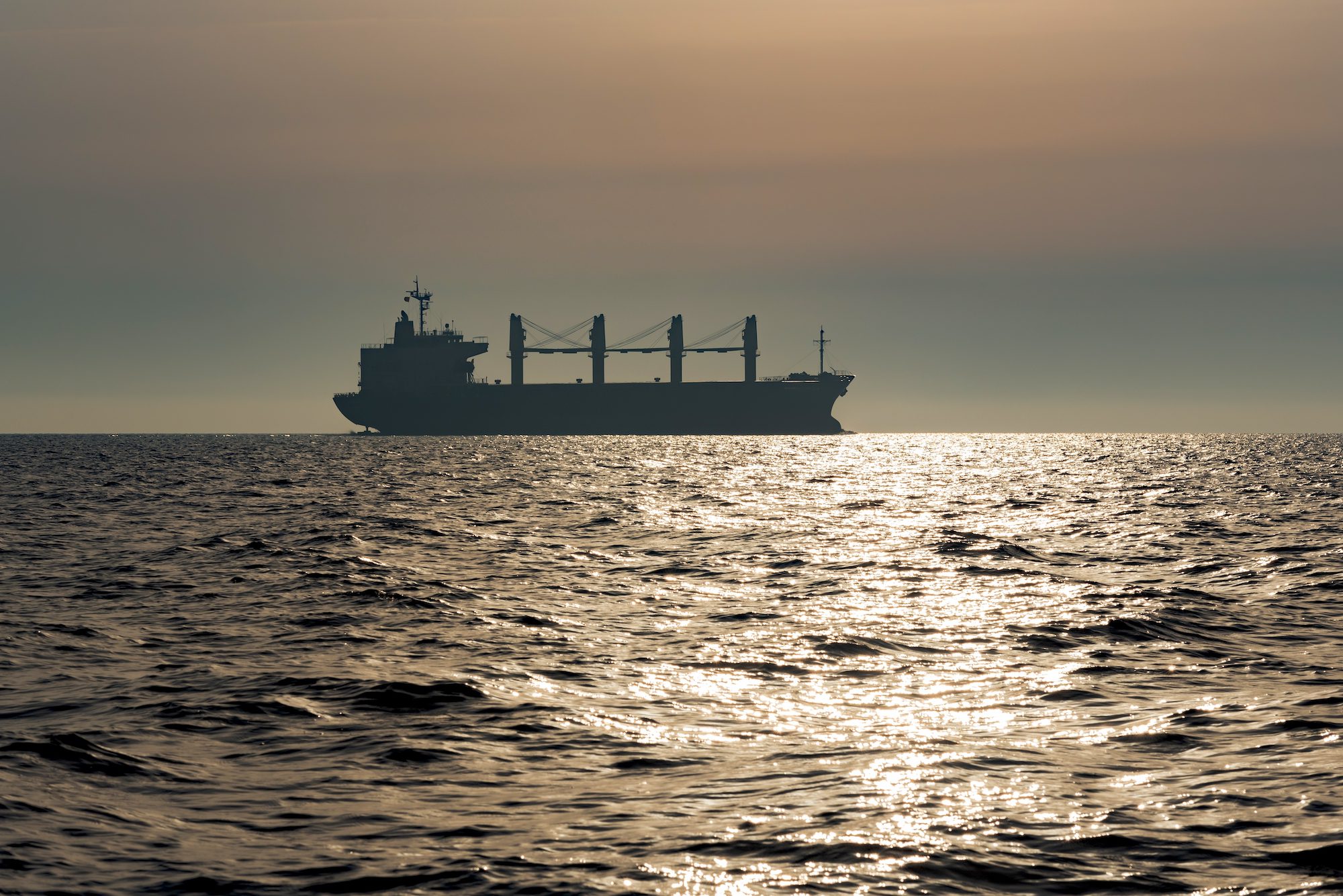
In its Safety and Shipping Review 2026, Allianz said the average age of the global shipping fleet reached 23 years in 2025, while vessels more than 20 years old now make up nearly one-quarter of the world’s containership fleet—the highest share in decades.
The insurer warns that the aging profile of the fleet is no longer simply an operational concern but an emerging safety issue.
“Older vessels can pose significant safety risks at sea, with vessels over 20 years old accounting for over half of all safety incidents,” Allianz said.
“As ships age, the likelihood of incidents increases due to structural, mechanical, and technological obsolescence, creating risks for crew, cargo, and the environment.”
Allianz: The Age of Predictable Shipping Is Over
The findings come despite a sharp improvement in the shipping industry’s overall safety record over the past decade. Allianz reported that total vessel losses have fallen 37% over the past five years compared with the previous five-year period, reflecting improvements in regulation, ship design and risk management.
Yet the insurer says today’s operating environment is making fleet renewal increasingly difficult.
“Vessels 20 years or older now account for almost a quarter of the global container ship fleet, the highest proportion in decades, as geopolitical volatility and limited shipyard capacity delay fleet renewal, despite shipowners being under pressure to scrap older vessels and replace them with new, more efficient, safer and compliant ships,” the report said.
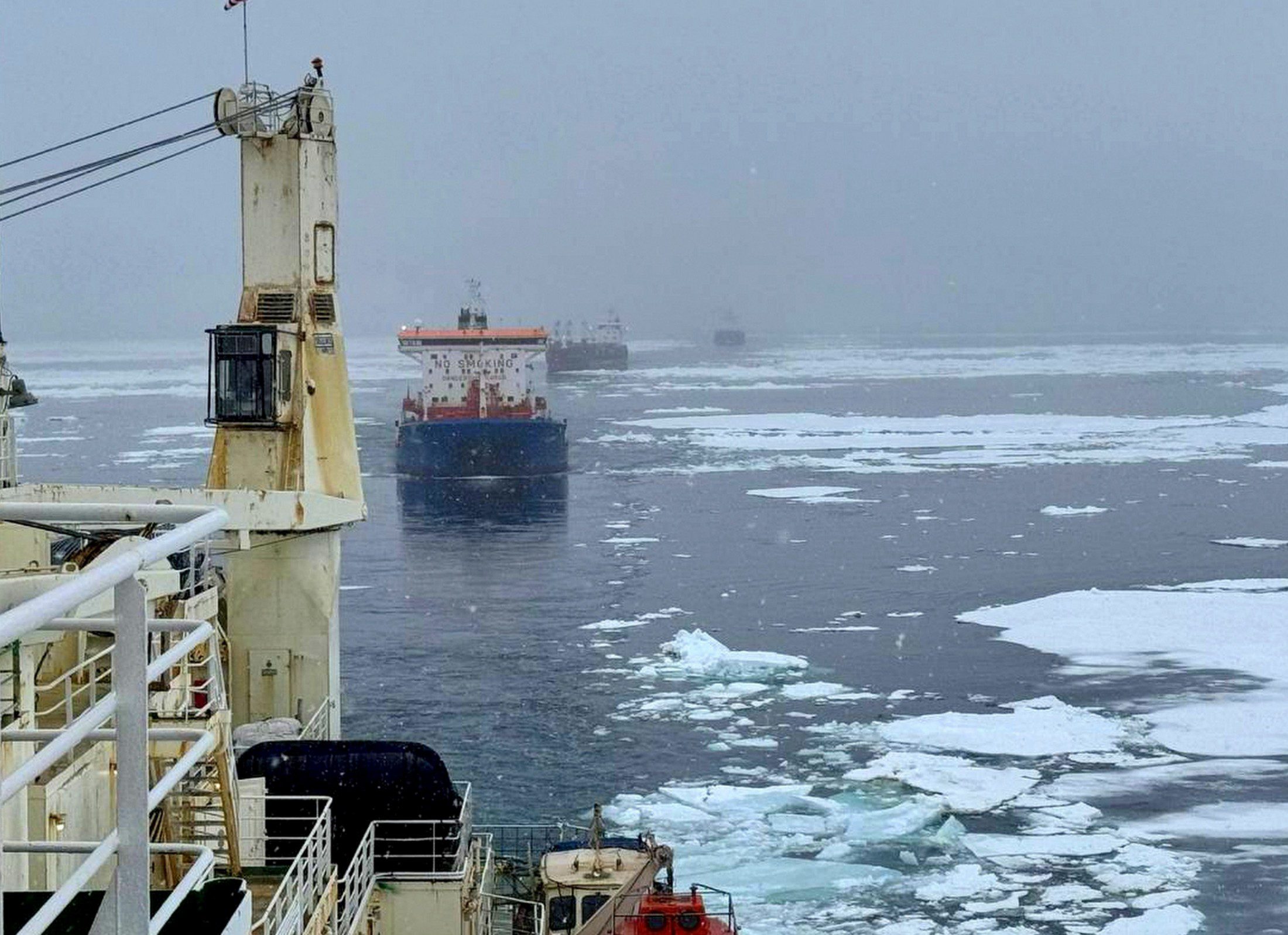
Risks, Sanctions and Geopolitics Could Hamper Arctic Shipping’s Explosive Growth
One reason is a global shortage of shipbuilding capacity.
Shipyards remain heavily booked with orders for new container ships, LNG carriers and tankers, while demand for retrofits to meet tightening environmental regulations has further constrained available repair and construction slots.
At the same time, shipowners face growing uncertainty over future fuel choices and emissions regulations, causing some operators to postpone newbuilding decisions while continuing to operate existing vessels for longer.
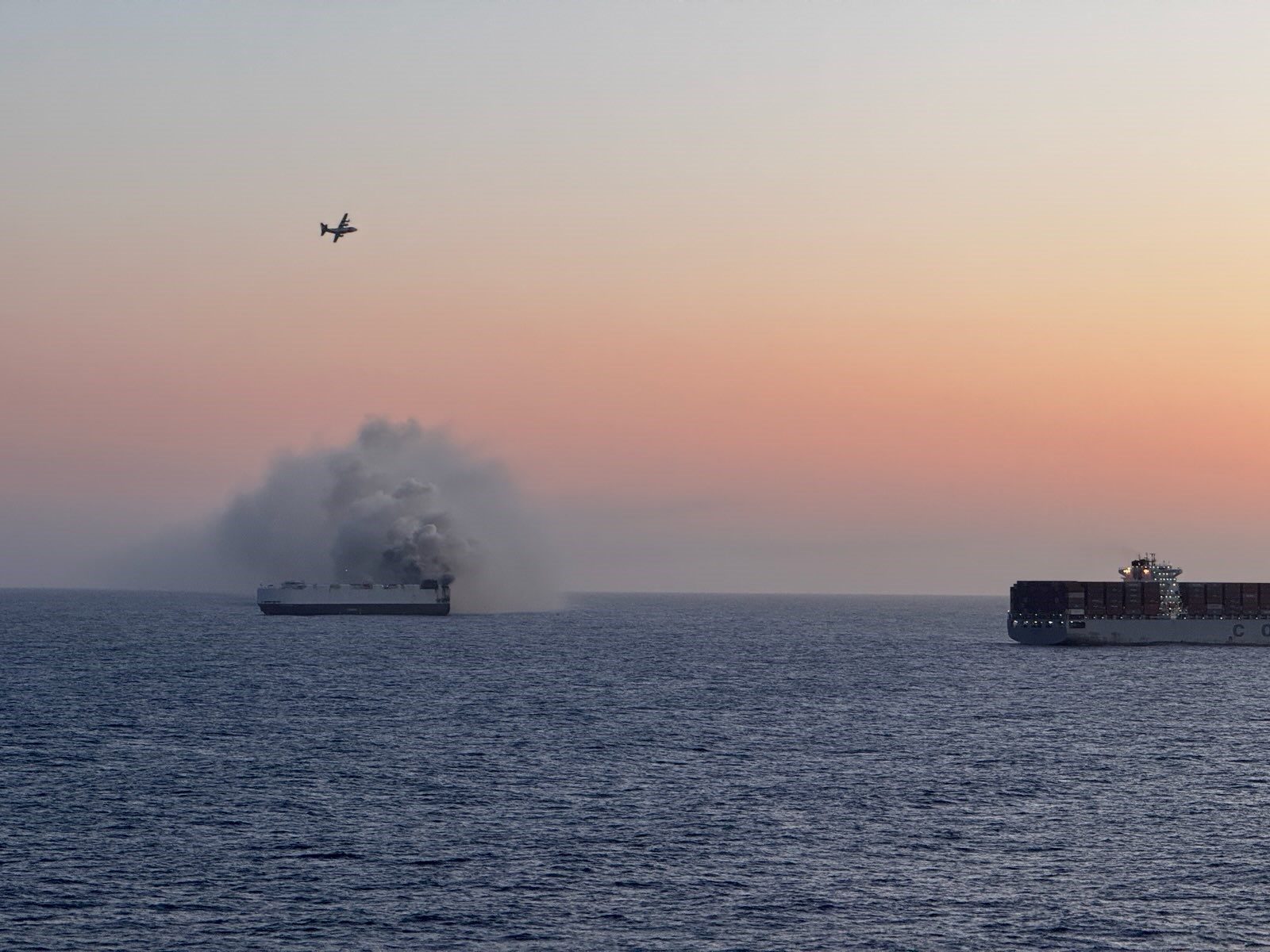
Containership Fire Breaks Out Every 17 Days as Misdeclared Cargo Remains Major Threat
The aging fleet is also contributing to another trend identified in the Allianz report: machinery failures.
Machinery damage or failure accounted for 1,505 reported shipping incidents in 2025—more than half of all casualties worldwide—making it by far the leading cause of shipping incidents.
Allianz noted that claims costs associated with machinery damage remain well above pre-pandemic levels due to labor shortages, expensive spare parts and longer repair times. The recent conflict in the Middle East has added further inflationary pressure by disrupting supply chains and increasing energy costs.
The report also highlights growing concerns over the use of non-original equipment manufacturer (OEM) parts as operators seek to reduce maintenance costs or overcome supply shortages.
“The increasing use of non-original equipment manufacturer (OEM) parts for vessel repairs and maintenance, driven by cost pressures or limited OEM part availability, may heighten the risks of blackouts,” Allianz warned.
The insurer pointed to the 2024 Dali casualty in Baltimore, where a blackout preceded the vessel’s collision with the Francis Scott Key Bridge, as an example of how power failures can quickly escalate into catastrophic incidents.
While Allianz expects global trade volumes to continue growing over the medium term, it believes shipowners will increasingly have to balance fleet expansion with resilience, safety and regulatory compliance in what it describes as a more volatile operating environment.
“The shipping industry is unlikely to revert to the relatively stable, efficiency-driven paradigm that characterized the pre-Covid-19 period,” Allianz said.
Instead, the insurer expects geopolitical fragmentation, constrained shipyard capacity and the transition to lower-emission shipping to continue reshaping fleet investment decisions for years to come.

 Join The Club