The global shipping industry is entering a new era defined by geopolitical tension, fragile supply chains and heightened uncertainty, according to Allianz Commercial, which warns that the relatively stable operating environment that shaped maritime trade for decades is unlikely to return.
In its Safety and Shipping Review 2026, Allianz argues that the disruptions that have rocked the industry since the Covid-19 pandemic are no longer temporary shocks but part of a structural transformation reshaping how shipping operates.
“The shipping industry has undergone a fundamental transformation since Covid-19, breaking from decades of relative stability defined by steady trade flows and largely predictable operating conditions to become increasingly complex and volatile,” the report says.
Escalating geopolitical tensions, trade fragmentation and growing uncertainty around strategic maritime chokepoints have introduced systemic risks to global supply chains, according to Allianz. These pressures are being compounded by volatile fuel prices, climate disruptions, decarbonization costs and an accelerating fleet renewal cycle.
“Taken together, these forces are not cyclical but structural,” Allianz said, adding that maritime trade is becoming “more complex, capital-intensive, and risk-exposed than at any point in recent decades.”
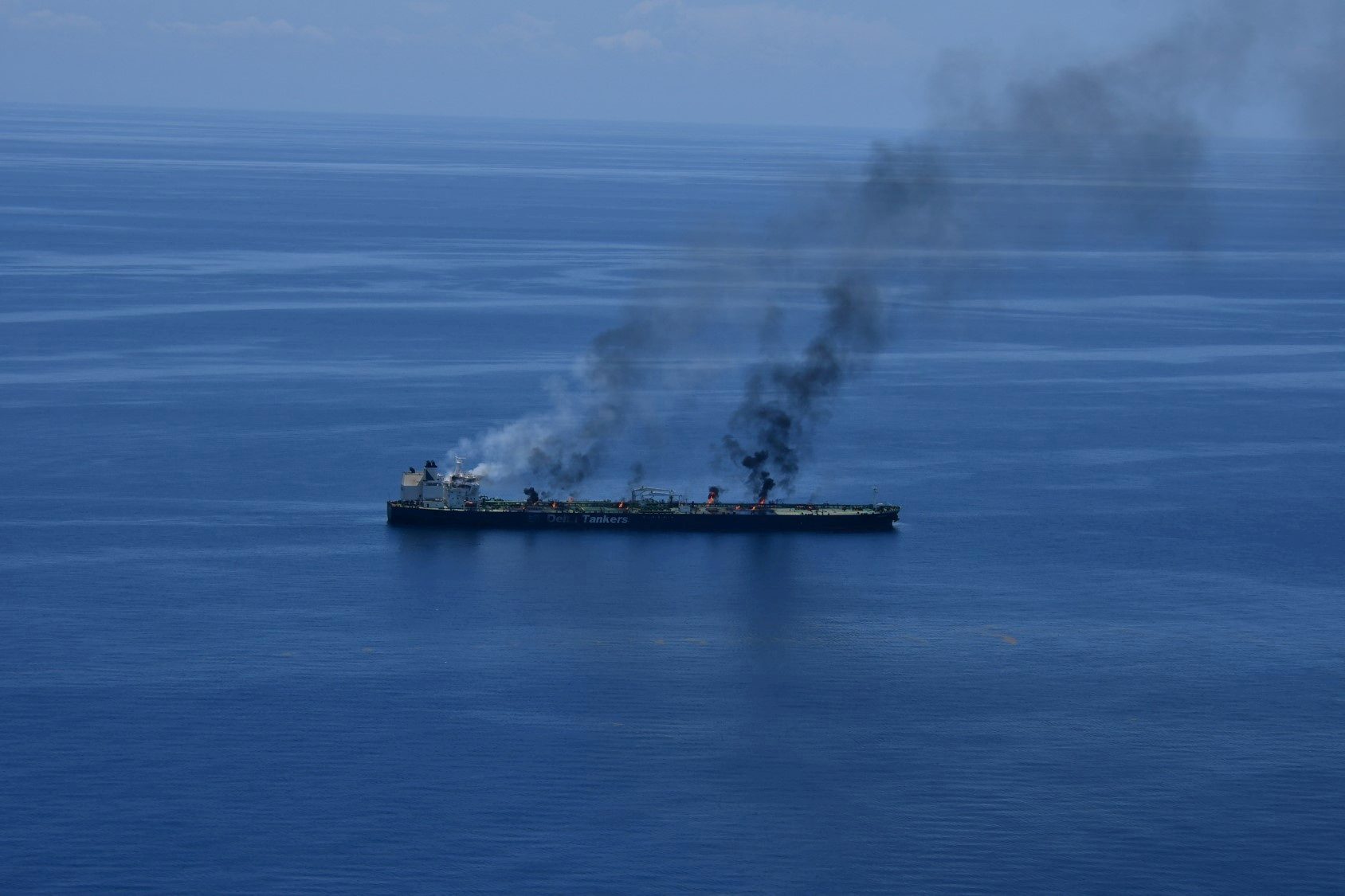
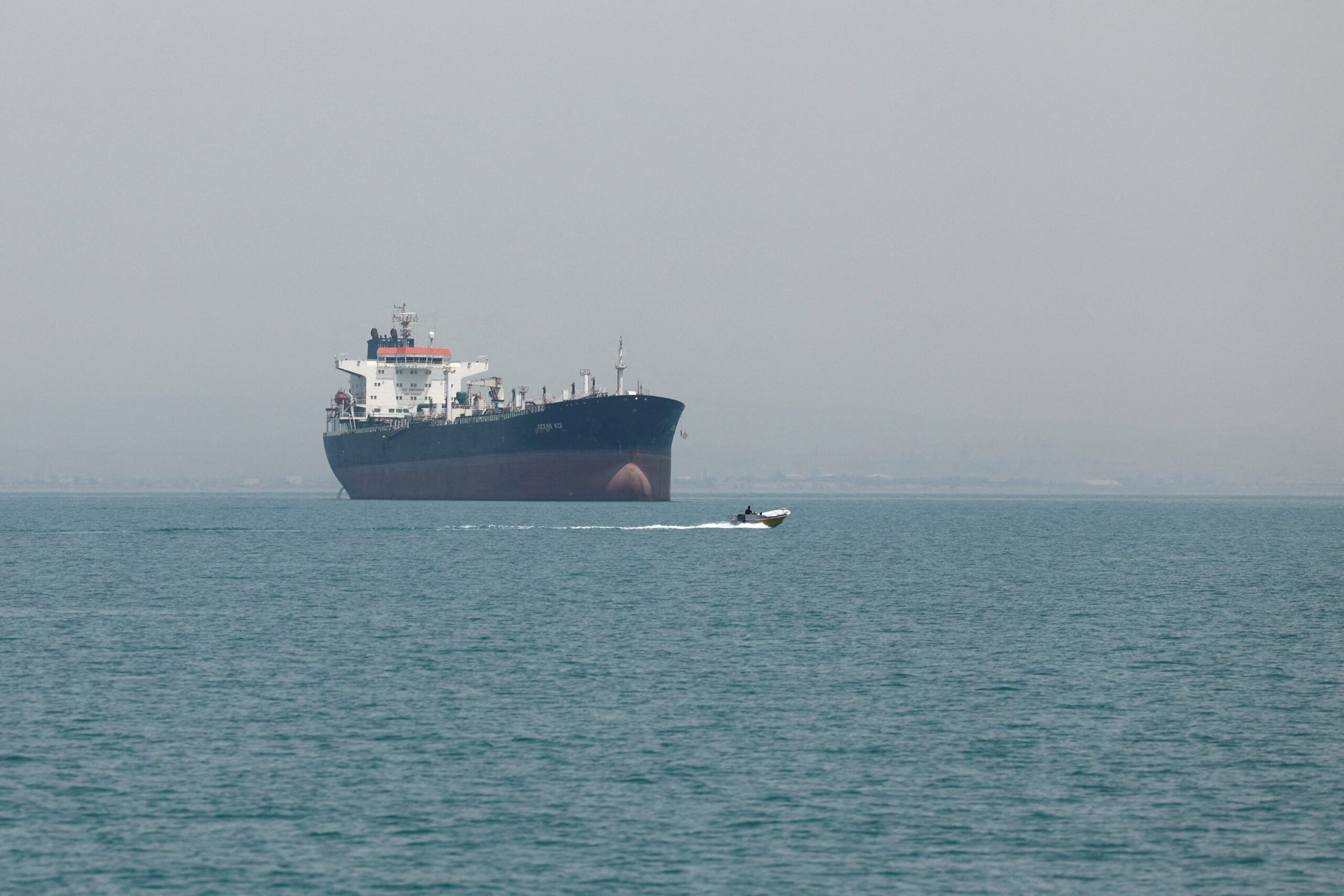
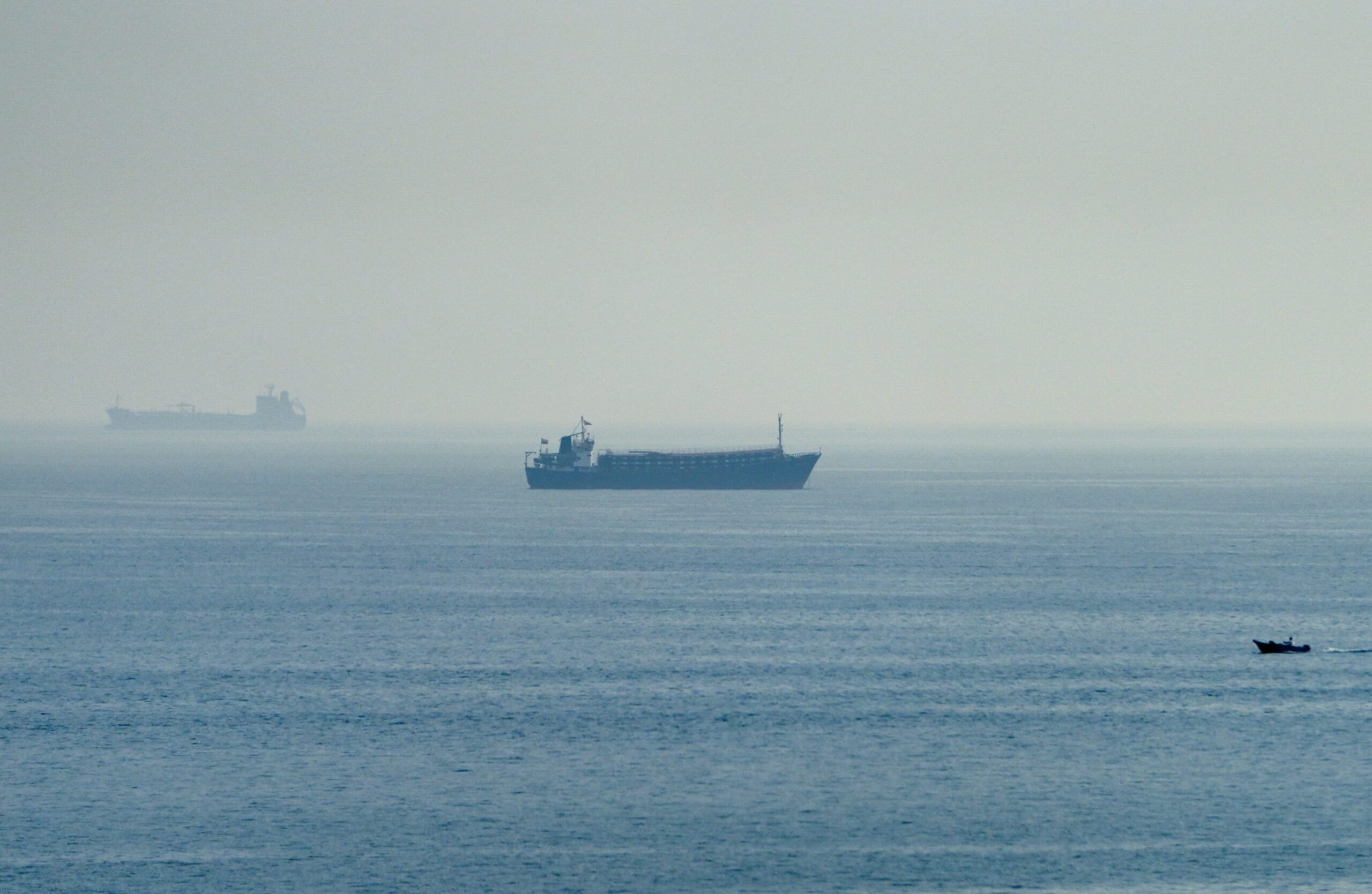
The report’s conclusions come after one of the most turbulent periods in modern shipping history, marked by attacks in the Red Sea, rising tensions over Taiwan, disruptions to the Panama Canal, sanctions-driven shadow fleet activity and, most recently, the conflict that brought commercial traffic through the Strait of Hormuz to a near standstill.
For Allianz, the Hormuz crisis may prove to be a defining event.
“The unprecedented closure of the Strait of Hormuz raises concerns about the future of global maritime trade,” the report states.
Historically, the strait remained open even during the Iran-Iraq war of the 1980s. But Allianz says the recent blockade exposed how vulnerable the global economy has become to geopolitical rivalries and strategic chokepoints.
“The shipping industry’s increasing vulnerability to geopolitical tensions” is forcing rerouting, tightening effective vessel and commodity supply and reinforcing freight rate volatility, the report says.
Perhaps the report’s most striking warning concerns the future of freedom of navigation itself.
Allianz points to reported proposals to impose transit fees on ships passing through Hormuz as signaling “a potentially profound shift in the global maritime order.”
“While any direct cost impacts on shipping and oil transport would be significant, the deeper implication lies in the normalization of ‘tolling’ strategic waterways, where access could be priced, tiered, or politically conditioned,” Allianz said.
The insurer warns that such a model could extend beyond Hormuz to other major maritime chokepoints.
“Most importantly, the emergence of such ideas – particularly if coupled with a more transactional US security posture – risks setting a precedent that could extend beyond Hormuz to other global maritime chokepoints, fundamentally reshaping global trade by turning freedom of navigation into a commodified and contested service rather than a shared international principle.”
The report argues that geopolitics is now the central challenge facing shipowners and cargo operators.
“The increasingly volatile and disruption-prone nature of global shipping trade routes is reinforcing the need for greater operational resilience,” Allianz said, noting that companies are increasingly shifting from “just-in-time” supply chains to “just-in-case” models that prioritize resilience over cost efficiency.
The new reality is already reshaping trade patterns and investment decisions.
Allianz says geopolitical fragmentation, the vulnerability of maritime chokepoints and “a more transactional approach to the provision of security” are likely to sustain elevated operational risk and route uncertainty for years to come.
The insurer does not expect a return to the efficiency-driven model that dominated global shipping before the pandemic.
Instead, it foresees what it calls a “new equilibrium” characterized by higher volatility, greater geopolitical risk and a premium on flexibility and resilience.
“Rather than a normalization,” Allianz concludes, “the sector appears to be transitioning toward a ‘new equilibrium’ defined by persistent uncertainty, higher risk premia, and a greater strategic emphasis on resilience over pure cost efficiency.”
The numbers show that shipping remains safer than it once was. Allianz recorded 43 total vessel losses in 2025, down sharply from historical levels, while total shipping incidents fell 16% year-over-year to 2,818.
But the insurer’s broader message is that safety statistics tell only part of the story. For the global shipping industry, the age of predictable trade routes, dependable security guarantees and relatively stable geopolitics may have come to an end.

 Join The Club