By Archie Hunter, Anthony Di Paola, Khalid Al-Ansary and Nicholas Lua
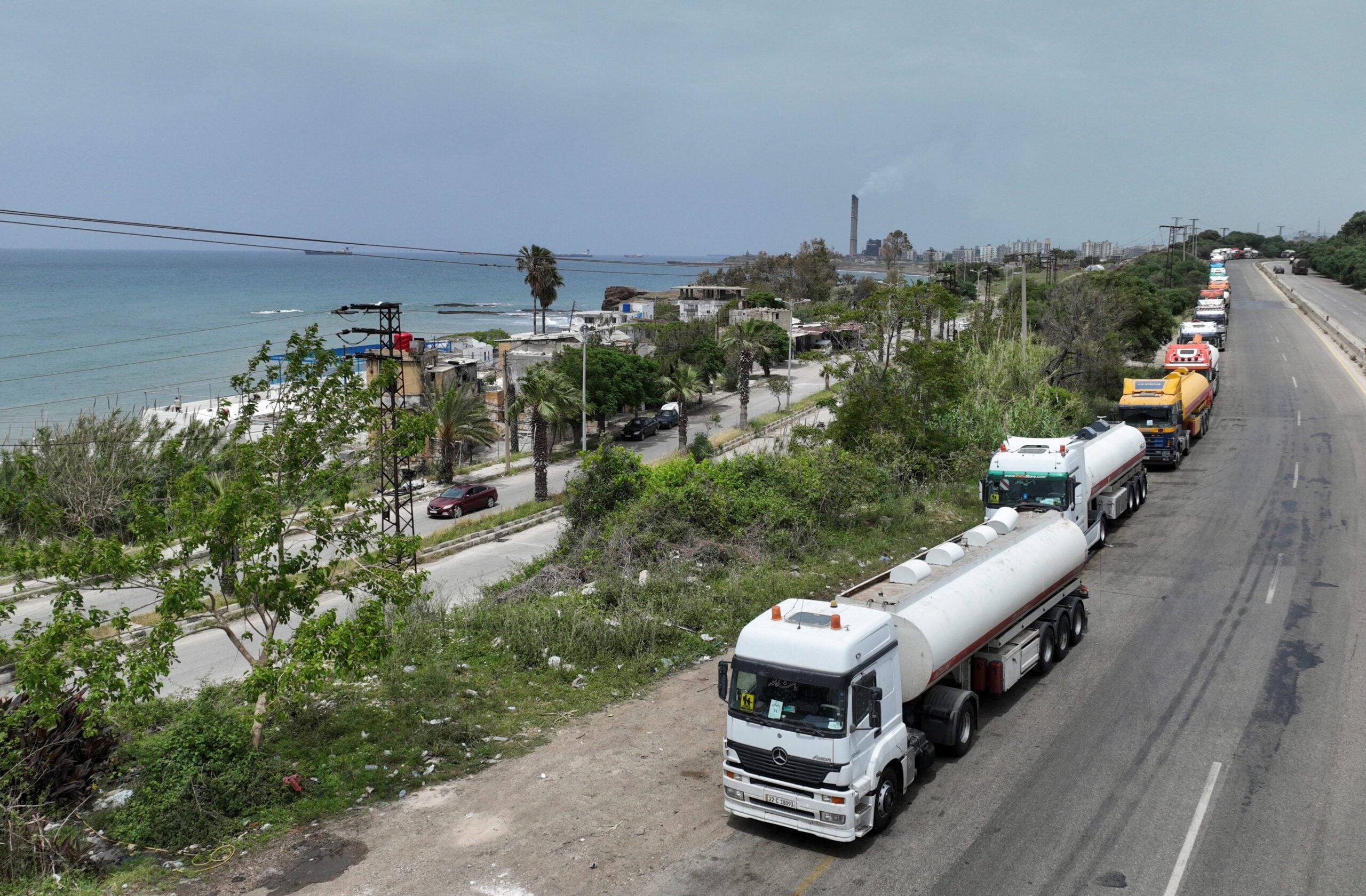
Jul 18, 2026 (Bloomberg) –Iraq is using a vast fleet of trucks to carry fuel oil through Syria and reroute flows away from the Strait of Hormuz, rapidly transforming its neighbor into the Middle East’s top export hub.
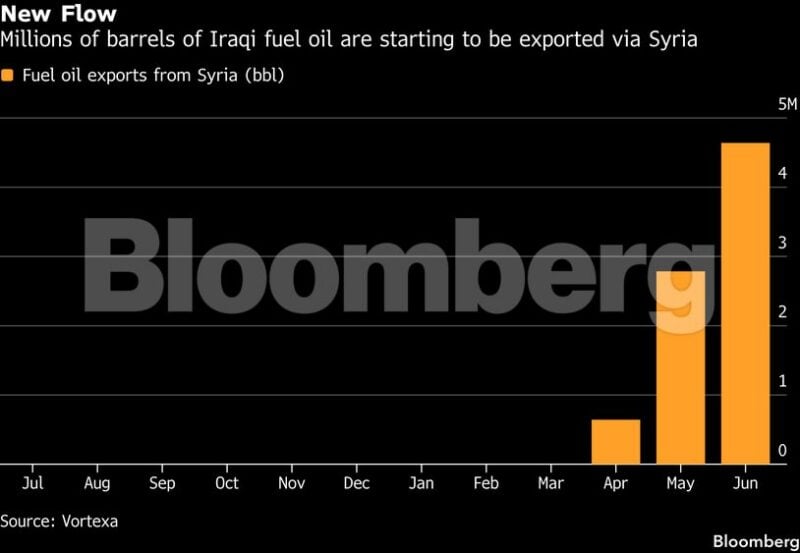
In just months, Syria has gone from shipping none of the fuel to making up more than a quarter of Middle Eastern volumes. The supplies are arriving on thousands of trucks that can take about four days to reach Syria’s Mediterranean ports, and highlight how the Iran war is reshaping the region’s energy flows.
Persian Gulf countries have been looking at how to reduce their reliance on Hormuz for exports, including through existing or new pipelines and expanding infrastructure at ports that sit outside the waterway. A fresh flare up in hostilities in the region is affecting the movement of fuel cargoes, further underlining the importance of alternative routes. The strait normally accounts for about a fifth of the world’s oil supply.
The sharp increase also underscores efforts to bring Syria into the global economy, after the US lifted years of sanctions and supported the country’s turnaround. The nation is increasingly seen as a gateway for energy flows from Iraq, including plans for crude oil pipelines, so as to weaken Iran’s leverage over the crucial waterway.
Fuel oil, used in shipping and power generation, is the main refined fuel that Iraq exports. But with tensions in the Persian Gulf and limited ability to work around Hormuz, the country is having to find other routes to prevent refineries from running out of storage space and being forced to shutter. That in turn would affect supply of other fuels such as gasoline and diesel.
The country is also looking to shore up its oil revenue after the closure of Hormuz hit its finances hard. Besides Syria, it’s also sending fuel-oil-laden trucks through Jordan, and traders say that small volumes of crude oil — the cornerstone of the economy — are being trucked in the same way.
These flows could turn out to be crucial for Syria, which is seeking to emerge from the impact of the civil war. President Donald Trump recently offered fresh praise for Syrian leader Ahmed al-Sharaa, while French President Emmanuel Macron recently made a state visit and TotalEnergies SE Chief Executive Officer Patrick Pouyanne touted it as a potential pipeline route.
“You have this confluence of things coming together – Iraq looking for ways to move product in particular,” said Raad Alkadiri, managing partner at 3TEN32 Associates, a Washington-based political risk firm that focuses on the region.
While there has in the past been state-led trucking when taking fuel to the Persian Gulf, “this time there’s more a commercial bent, and one that serves the political ambition to improve strategic ties with the US,” he said.
Elsewhere, the United Arab Emirates has already been able to partially bypass the strait using an existing pipeline to keep some crude moving through ports on its east coast, and is accelerating the construction of another pipeline while planning a major expansion of eastern ports outside of Hormuz.
Saudi Arabia has also turned to a pipeline to the port of Yanbu on its west coast, and Kuwait has been in talks with its neighbors about expanding their pipeline systems to handle its barrels.
Iraq is also working on plans to build new crude oil pipelines and rehabilitate older ones to avoid Hormuz. The Iraqi fuel oil helped Syria export 720,000 tons in June, according to data from analytics firm Vortexa. That made it the biggest shipper of the product in the Middle East, accounting for 28% of volumes.
Trucking Fleet
A huge number of trucks are needed to match what a ship handles. Each truck carries around 20 tons, or 135 barrels, on the four- to six-day drive to the ports in Syria and Jordan. In comparison, about 300,000 barrels could be loaded onto a vessel that shuttles cargoes out to a bigger tanker offshore holding around 700,000 barrels.
Traders involved in the market estimate the Syrian trucked flows exceeded 600,000 tons of fuel oil last month, with the Mediterranean port of Baniyas receiving thousands of these vehicles. Lytton SA, a Geneva-based trading house with links to Iraq, has handled the majority of the trucking, according to people familiar with the matter who asked not to be identified as the details are private.
Meanwhile, around 100,000 tons of fuel oil a month are being trucked via Jordan’s Red Sea port of Aqaba, with some volumes marketed by Iraq’s Rania Group, the people said.
Iraq’s oil ministry points to even bigger flows, estimating that 1 million tons of fuel oil exports were trucked to Syria and Jordan in June, up from about 500,000 tons in May.
Lytton declined to comment. Rania didn’t respond to an email seeking comment and couldn’t be reached by phone.
A key question is whether Iraq also reroutes meaningful volumes of crude exports. The country was OPEC’s second-biggest oil producer before the war and its crude exports are far bigger than its fuel oil shipments.
“It does potentially presage a longer-term movement of crude,” though that would need improved pipeline infrastructure to lessen Iraq’s reliance on Hormuz, 3TEN32’s Alkadiri said.
One possibility is the Kirkuk-Baniyas pipeline that has been shut for more than two decades. Thomas Barrack, US special envoy for Syria and Iraq, convened discussions with officials from both countries as well as companies including Chevron Corp. about reviving the pipeline, Bloomberg reported Tuesday.
A State Department official confirmed the US government is supporting efforts by Iraq and Syria to enhance trade routes through rehabilitating the pipeline and expects American companies to play a role in its construction. However, building pipelines in Syria would take time and face challenges, including navigating areas where Islamic State cells remain active.
In the shorter term, even if the Middle East conflict ends and Hormuz traffic returns to normal, Iraq’s trucking flows could continue as the country keeps exports diversified, traders say.
“The war has concentrated minds on the importance of diversification of export routes,” Alkadiri said. “And really in a sense has returned Iraqi thinking that was prevalent in the 1980s, which was ‘If the Hormuz route is vulnerable, what are the other options?’”
President Donald Trump said Friday that Russia has agreed to release millions of tons of diesel fuel into U.S. and global markets following a telephone call with Russian President Vladimir...
For a sign of just how extraordinary oil shipping costs have become, consider this: It’s now more expensive to hire a tanker from the US to China than to launch a rocket into space.
A commercial vessel was struck by a projectile in the Persian Gulf on Friday, sparking a fire onboard in the second reported attack on shipping inside the Gulf in just...
October 9, 2026
Total Views: 982
Get The Industry’s Go-To News
Subscribe to gCaptain Daily and stay informed with the latest global maritime and offshore news
— just like 106,969 professionals
Secure Your Spot
on the gCaptain Crew
Stay informed with the latest maritime and offshore news, delivered daily straight to your inbox
— trusted by our 106,969 members
Your Gateway to the Maritime World!
Essential news coupled with the finest maritime content sourced from across the globe.

 Join The Club