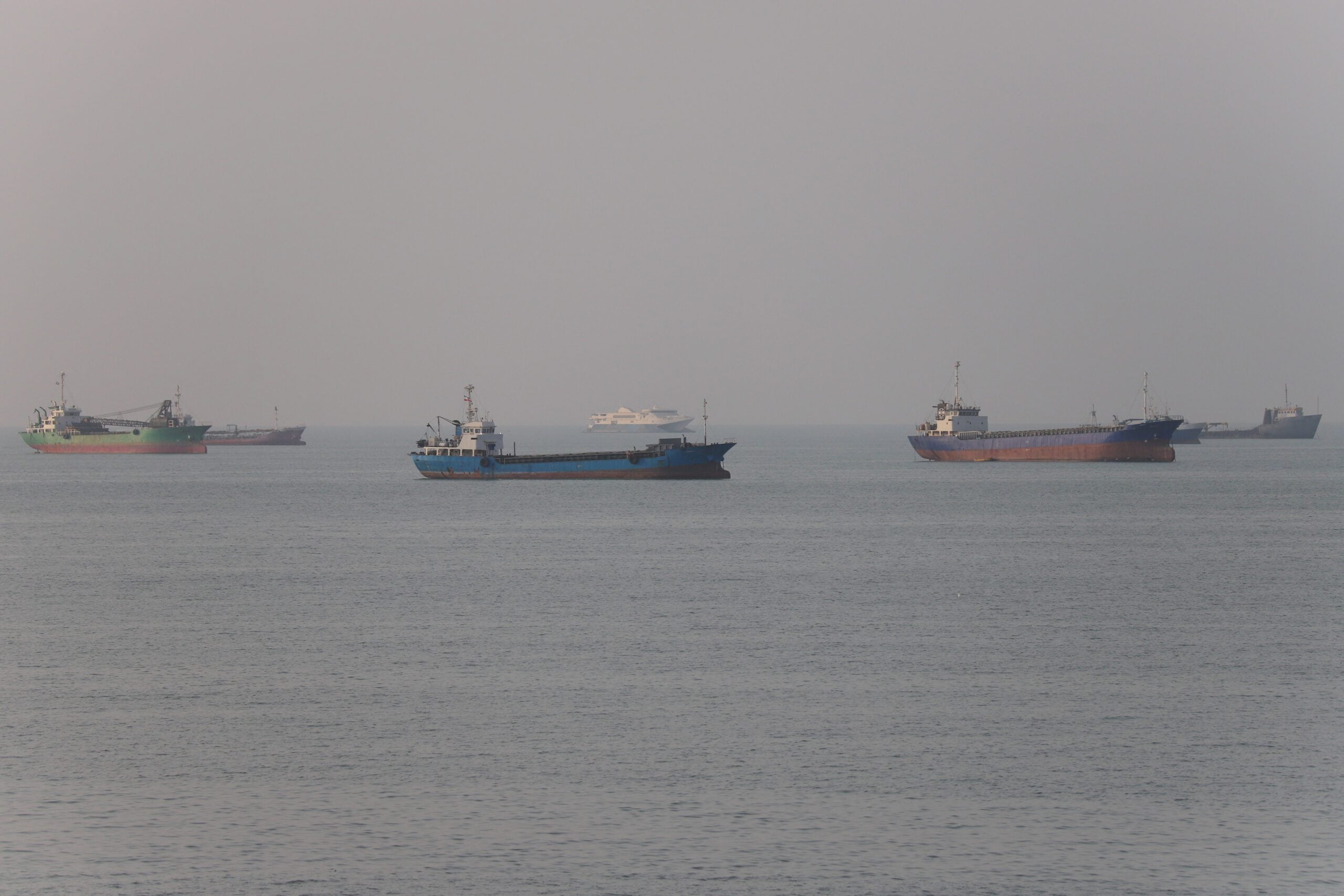
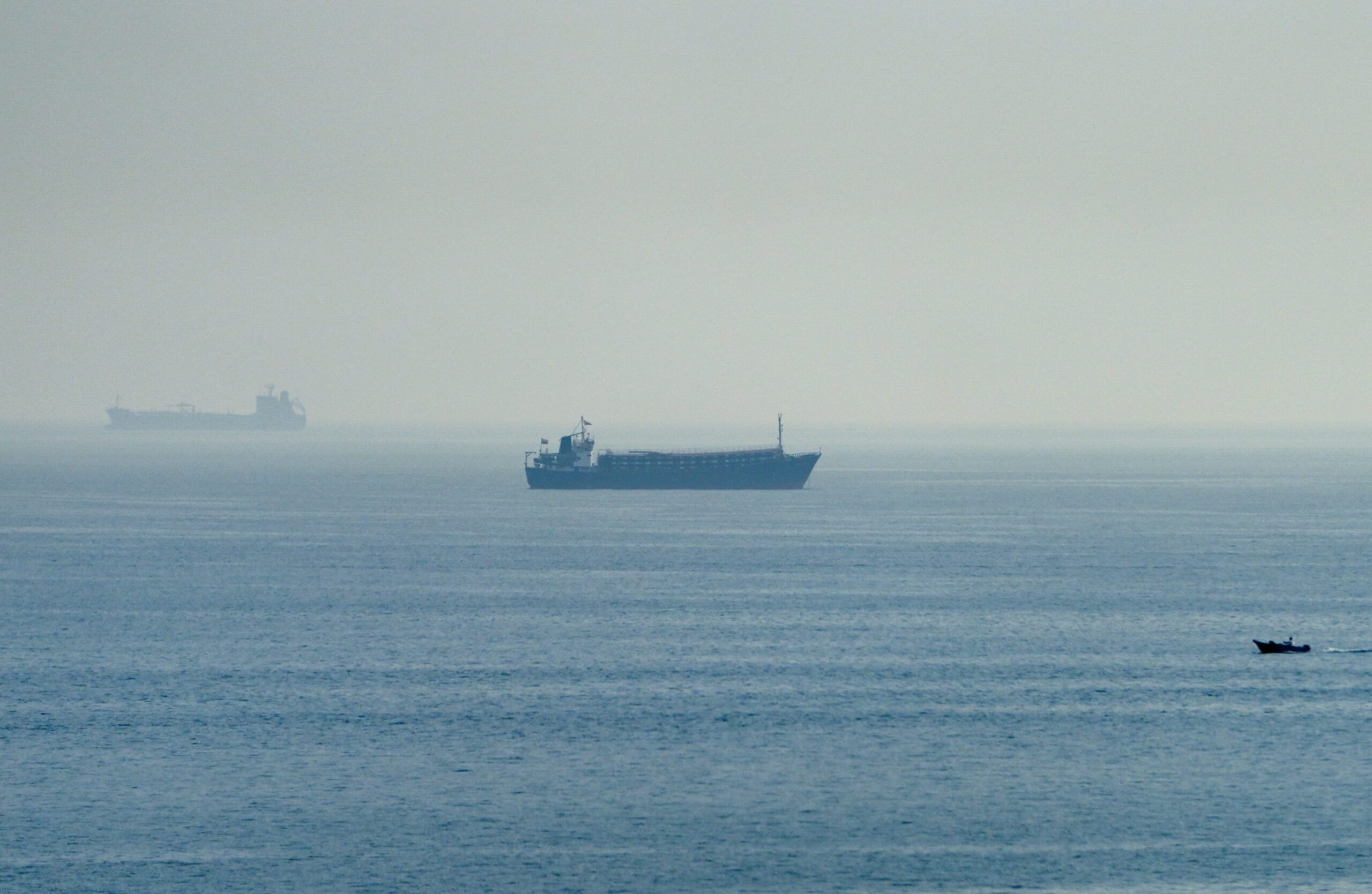
(Bloomberg) — Iran’s speedboats, missiles, drones and mines have shown they can still wreak havoc in the Strait of Hormuz, defying daily strikes from the most powerful navy in the world.
Five months into the war, the US is confronting the limits of its military power against a determined adversary in a critical global chokepoint. As the flow of shipping through the strait dwindles, rising oil prices are adding to the pressure on President Donald Trump.
Iran might not have a “‘grip’ on Hormuz, but they are however able to menace the safe transit of ships to the degree where it affects prices and insurance rates,” said Steve Wills, an analyst with the Navy League.
Shippers remain wary of attempting passage even with US assistance, as continued Iranian strikes on commercial vessels make those trips perilous.
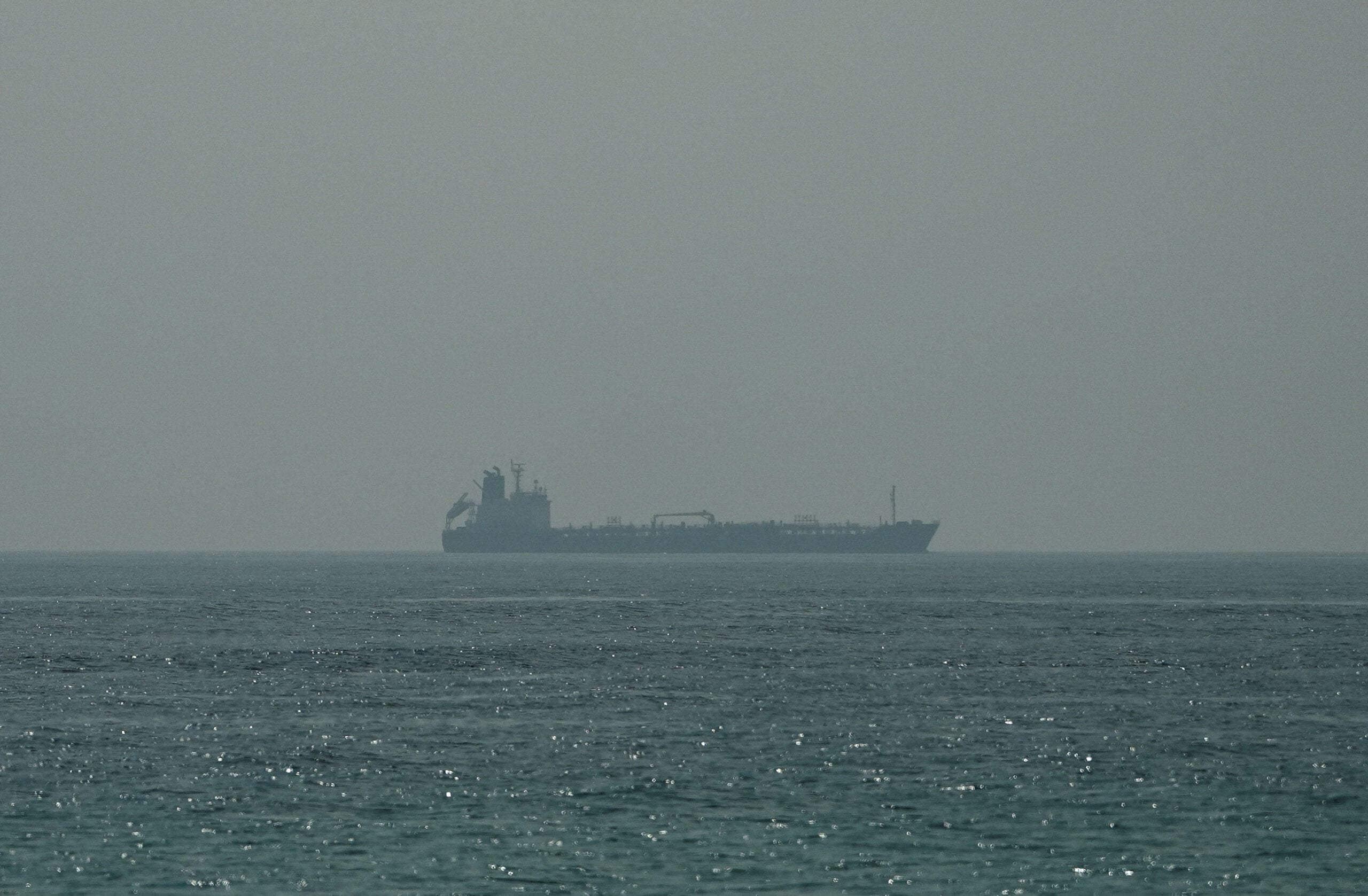
Months after Trump declared Iran’s navy destroyed, the US has been conducting daily strikes to “further degrade Iran’s ability to threaten innocent mariners” in the strait, according to Central Command. Wednesday, US forces hit a supertanker deep within the Persian Gulf as part of their blockade of Iranian ports.
Oil prices have ticked steadily higher amid the continuing attacks by both sides, with Brent crude trading as high as $85, the highest since before the US and Iran announced a ceasefire deal last month.
“If the Strait of Hormuz remains closed we may again have some difficulty for global economies, including those in the region and developing nations and Asia,” International Energy Agency Executive Director Fatih Birol said in an interview Wednesday. “It is not months, it is weeks” after which the strait needs to be “fully open, unconditionally open,” he said.
While Trump claimed early in the week that the strait was open — despite Iranian vows to close it — others in his administration have been more open about the limits to the US’s ability to protect huge, slow-moving ships filled with volatile cargo in the narrow waterway.
“You can bomb them. You can take away their radar. You can take away some of their drones and some of their missiles but it’s just too easy to fire at ships in the straits,” Vice President JD Vance said Wednesday in an interview with podcaster Joe Rogan. “So, you’ve got to actually be willing to talk and to try to figure out the problem.”
At least in public, White House officials are playing down the rise in oil prices. White House spokeswoman Karoline Leavitt called the market “rather stable” Thursday.
INTERTANKO Warns Threat to Shipping Now Extends Across Gulf Region as Hormuz Transits Continue to Fall
Still, Iran’s small boats and mines have long proven dangerous even if few in number. Centcom chief Brad Cooper described it as a “nuisance capability” in May, and more than three months ago the US assessed that half of Iran’s small attack boats were destroyed, along with more than 95% of their sea mines.
How much of Iran’s “mosquito fleet” of small boats have survived remains unclear, although the US said it hit more than 60 in strikes on July 7.
As for mines, US officials concede there’s more to be done. Chief of Naval Operations Admiral Daryl Caudle told Bloomberg Television last week that “there’s no chance they’re not there.”
Fully securing the strait would likely require a much larger military operation, something the White House has so far sought to avoid amid public opposition to the war.
The US Navy “has the ability to open that strait and keep it open if required to do so,” retired Marine General Frank McKenzie, a former Centcom head, told Bloomberg Radio in April.
Doing so would come at a “considerable cost” in casualties as well as the “opportunity cost of pulling in assets from elsewhere in the world,” said Emma Salisbury, senior fellow at the Foreign Policy Research Institute in Philadelphia.
US Central Command in its latest statements has highlighted for the first time attacks on Iranian-controlled islands near the strait — Abu Musa and Greater Tunb — as well as “coastal surveillance facilities.”
Caitlin Talmadge, a national security professor with the Massachusetts Institute of Technology, said the administration “very seriously underestimated Iran’s willingness and ability to close the strait,” and Iran’s stockpile of weapons systems “appears to be more resilient and innovative in employing these assets than was anticipated before the war.”
© 2026 Bloomberg L.P.Share

 Join The Club