Don’t Miss Your Daily Briefing for the Maritime Industry
Join the leading maritime news network
— trusted by our 107,080 members
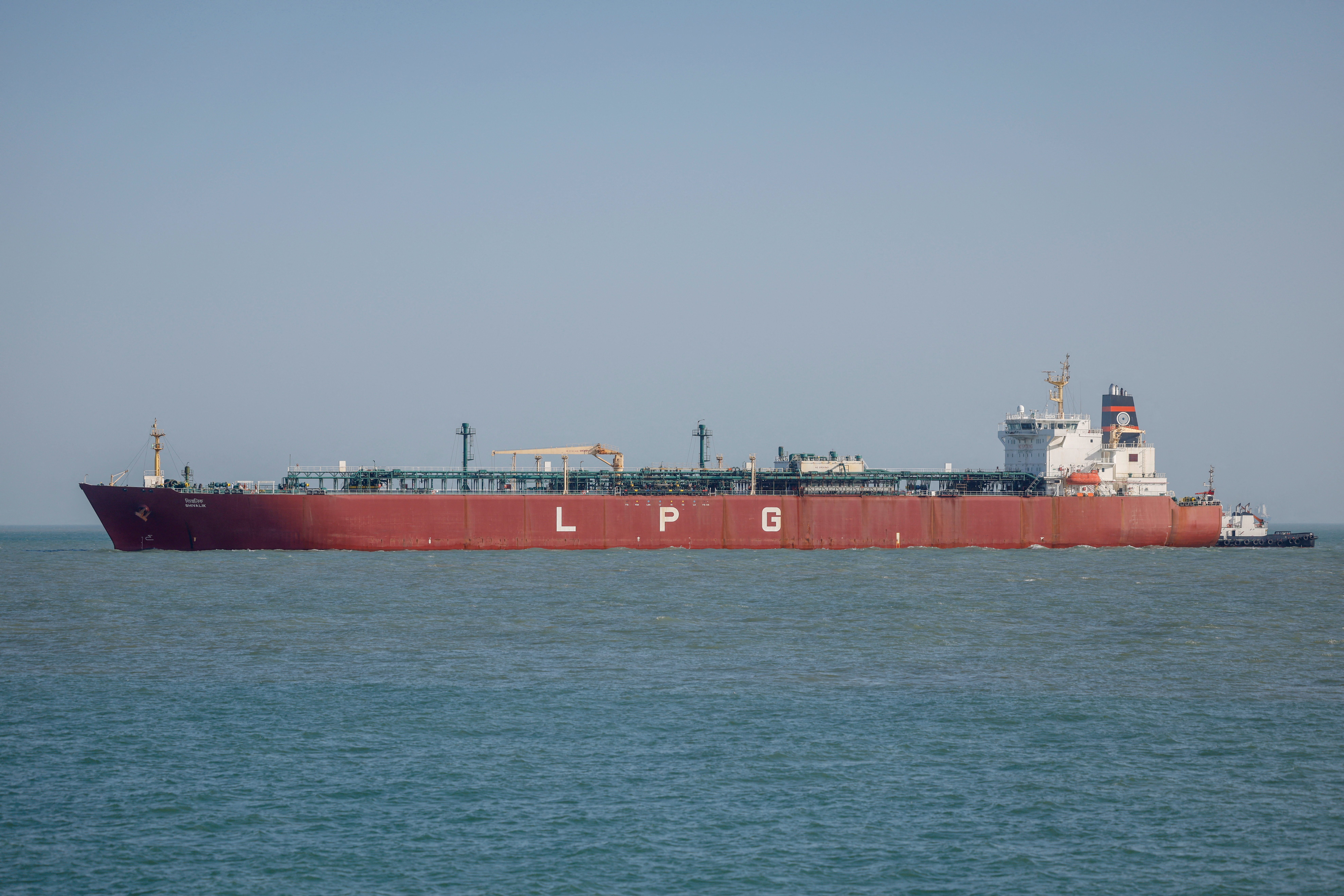
An Indian liquefied petroleum gas (LPG) carrier, Shivalik, arrives at Mundra Port via the Strait of Hormuz, amid the U.S.-Israel conflict with Iran, in Gujarat, India, March 16, 2026. REUTERS/Amit Dave
Iranian Navy Guided Indian Tanker Through Hormuz, Crew Member Says
Mar 21, 2026 (Bloomberg) —The Iranian Navy guided an Indian liquefied petroleum gas tanker through the Strait of Hormuz last week, allowing the ship to pass on a pre-approved route following diplomatic engagement by New Delhi, according to a senior officer onboard the vessel.
The officer asked for anonymity, as the crew of his vessel — one of two Indian ships that made the crossing — were not permitted to talk to the media. His account appears to confirm analysts’ views that Tehran is trying to impose a traffic control system through the strait, permitting safe passage for friendly vessels while leaving others fearful of attack.
During the crossing, the officer’s ship was in contact with the Iranian navy by radio, he said. The Iranians took details of the ship’s flag, name, origin and destination ports, and the nationality of the crew members — all of whom were Indian — and guided them on an agreed course.
“It seems that Iran is allowing select vessels to transit Hormuz after verification which takes place during the ships’ transit inside Iranian waters,” said Martin Kelly, head of advisory at EOS Risk Group. “While ships are being allowed to transit, it is mostly only to the benefit of Iran.”
Iran’s threats to ships passing through the strait give the government in Tehran leverage over global energy markets, pushing up prices and creating fears of shortages of oil, natural gas, cooking fuel and fertilizer. Around a fifth of the world’s oil normally passes through the channel. Since the beginning of the war in late February, several ships have been struck by missiles or drones in the strait, at least two seafarers have died, and insurance costs have soared. There have been reports that Iran has mined the waterway.
Before they entered the strait last week, sailors onboard the LPG tanker prepared their life rafts, the officer said. They had been anchored in the Persian Gulf for around 10 days when they were told on the morning of Friday March 13 that they had been granted permission to make the transit that night.
Over the past week, several ships have transited via a narrow gap between the Iranian islands of Larak and Qeshm, and tracked close to the Iranian coast. They include two bulk carriers that had called at Iranian ports, and a Pakistani-flagged vessel, the Karachi.
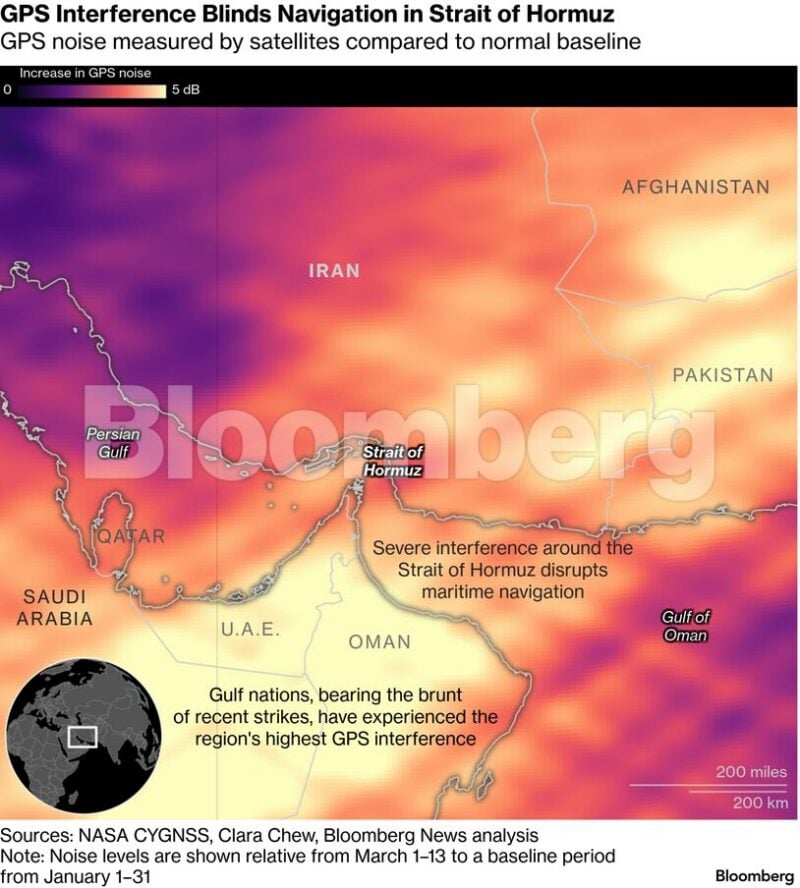
The officer on the Indian LPG ship declined to give specific details of their route. They traveled with their automatic identification system, or AIS, system switched off, according to the officer and AIS data analyzed by Bloomberg, turning it back on after they were safely out into the Gulf of Oman. The officer said the ship was also unable to use GPS, which has been subject to widespread interference since the beginning of the conflict. That meant the crossing took hours longer than usual.
On the far side of the strait, Indian Navy ships were waiting to escort them, with the national flag flying higher than usual, the officer said. The vessel has since sailed on to India.
Using shipping data, Bloomberg was able to verify the ship’s start and end position, and other details that the officer supplied in order to verify parts of his account.
India’s External Affairs and Shipping Ministry did not respond to requests for comment. The Iranian embassy in India did not respond to an emailed request for comment.
Anil Trigunayat, a former Indian ambassador in Jordan and Libya, said that the fact India was able to secure safe passage shows that diplomacy is possible. “Iran also would not want to burn bridges with everyone at this juncture,” he said. “India, if needed, can also play the role of an interlocutor. These factors have collectively led to India getting this window.”
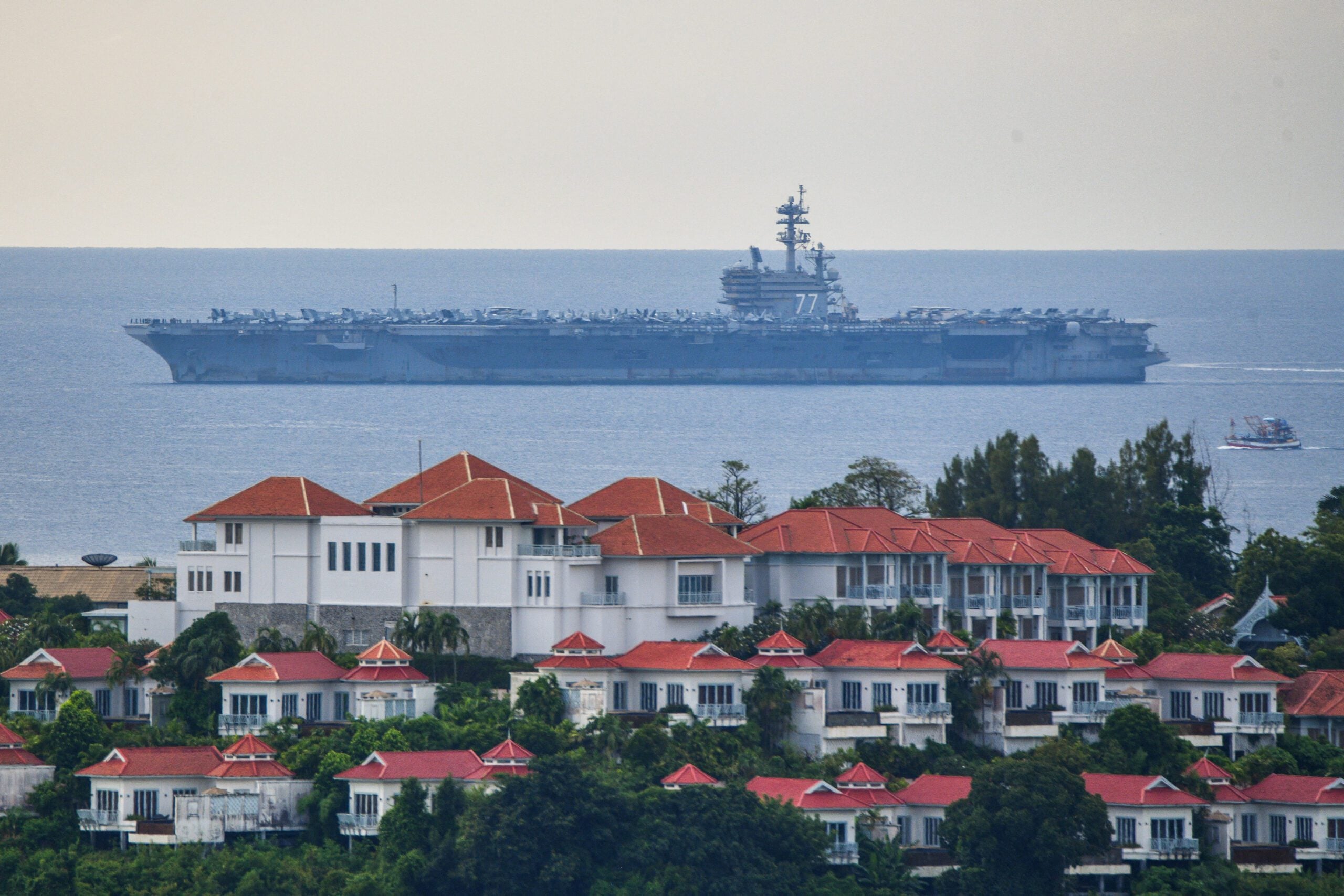
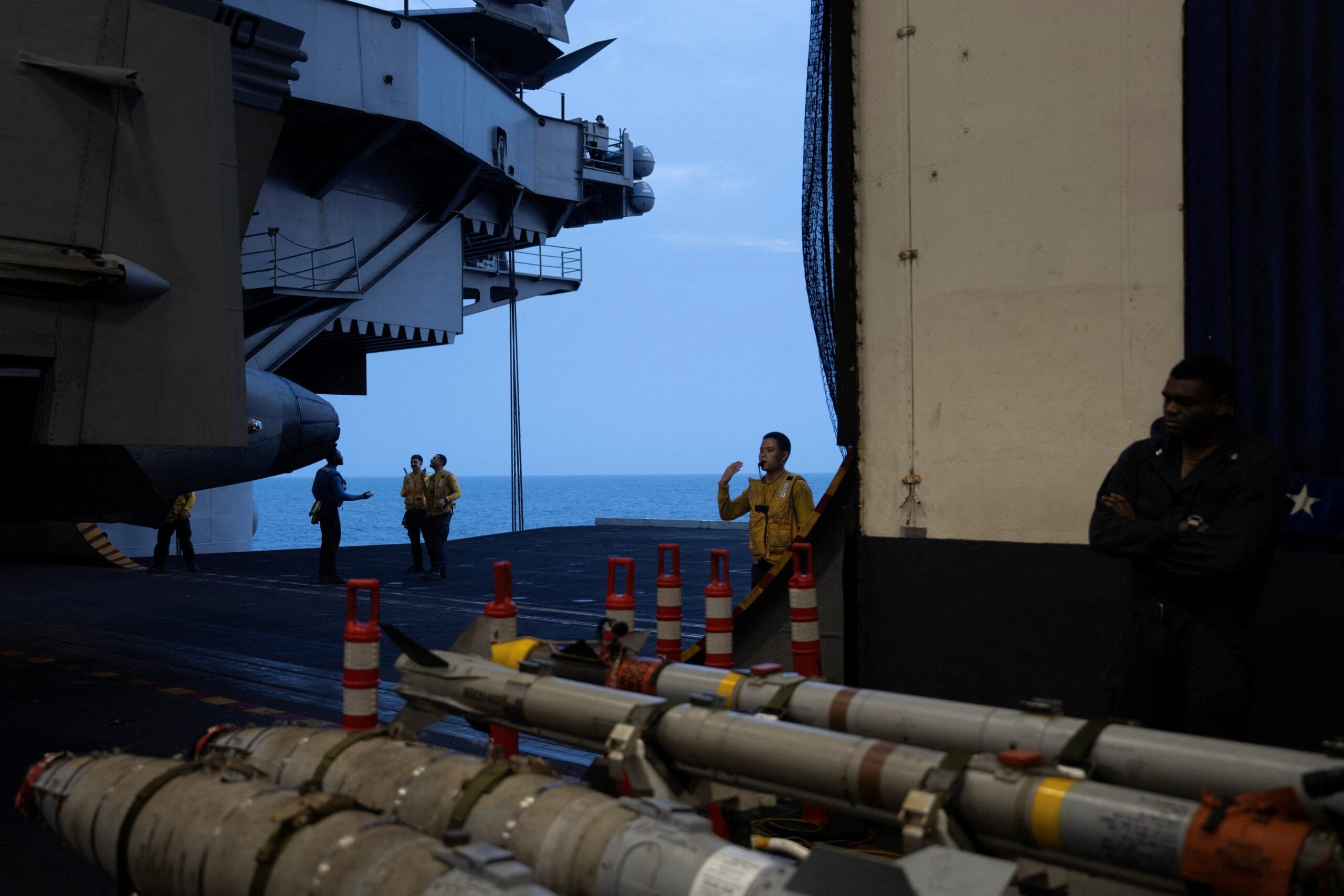
PHUKET, Thailand, Oct 4 (Reuters) – The US aircraft carrier George H.W. Bush arrived in Thailand’s resort island of Phuket on Sunday with about 4,800 personnel aboard for a rest-and-recreation break after...
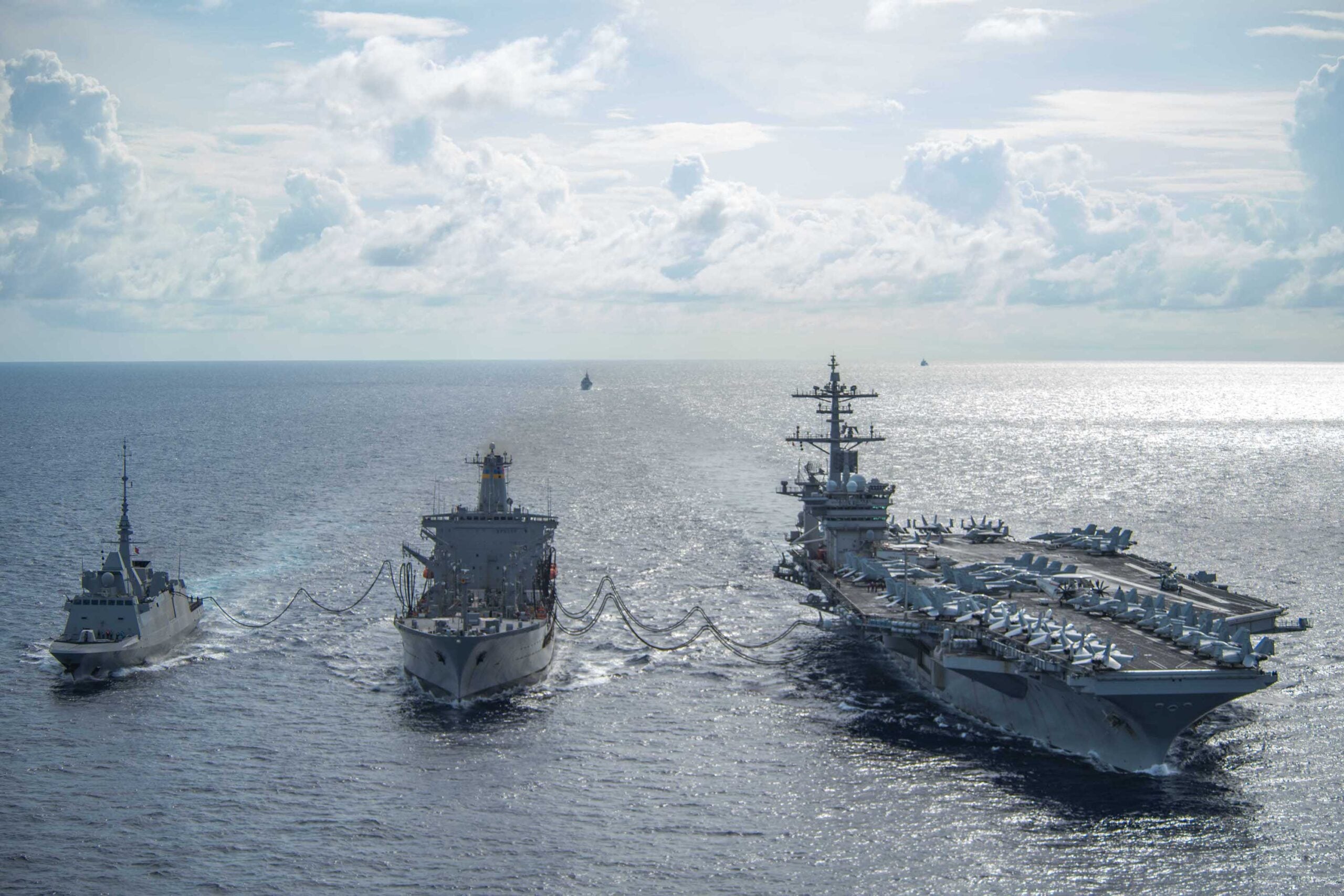
By Tony Capaccio Oct 3, 2026 (Bloomberg) –The Pentagon is deploying an additional aircraft carrier and 10,000 sailors and Marines to the Persian Gulf, according to a US official, a move...
By Eltaf Najafizada and Courtney Subramanian Sep 27, 2026 (Bloomberg) –Iran stuck to its seven-day proposal for reopening the crucial Strait of Hormuz, saying it won’t soften its conditions, while President...
September 27, 2026
Total Views: 1792
Get The Industry’s Go-To News
Subscribe to gCaptain Daily and stay informed with the latest global maritime and offshore news
— just like 107,080 professionals
Secure Your Spot
on the gCaptain Crew
Stay informed with the latest maritime and offshore news, delivered daily straight to your inbox
— trusted by our 107,080 members
Your Gateway to the Maritime World!
Essential news coupled with the finest maritime content sourced from across the globe.

 Join The Club