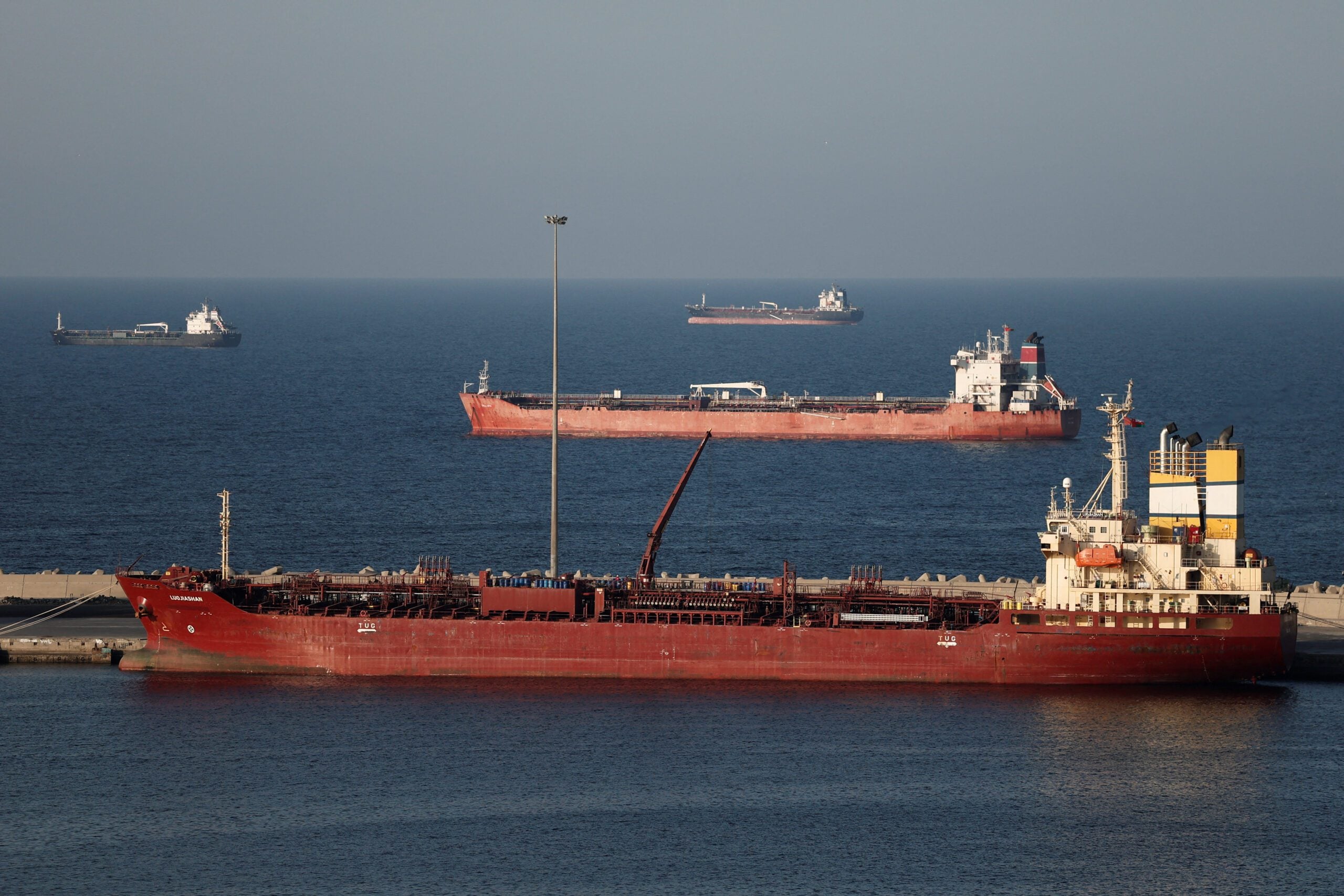
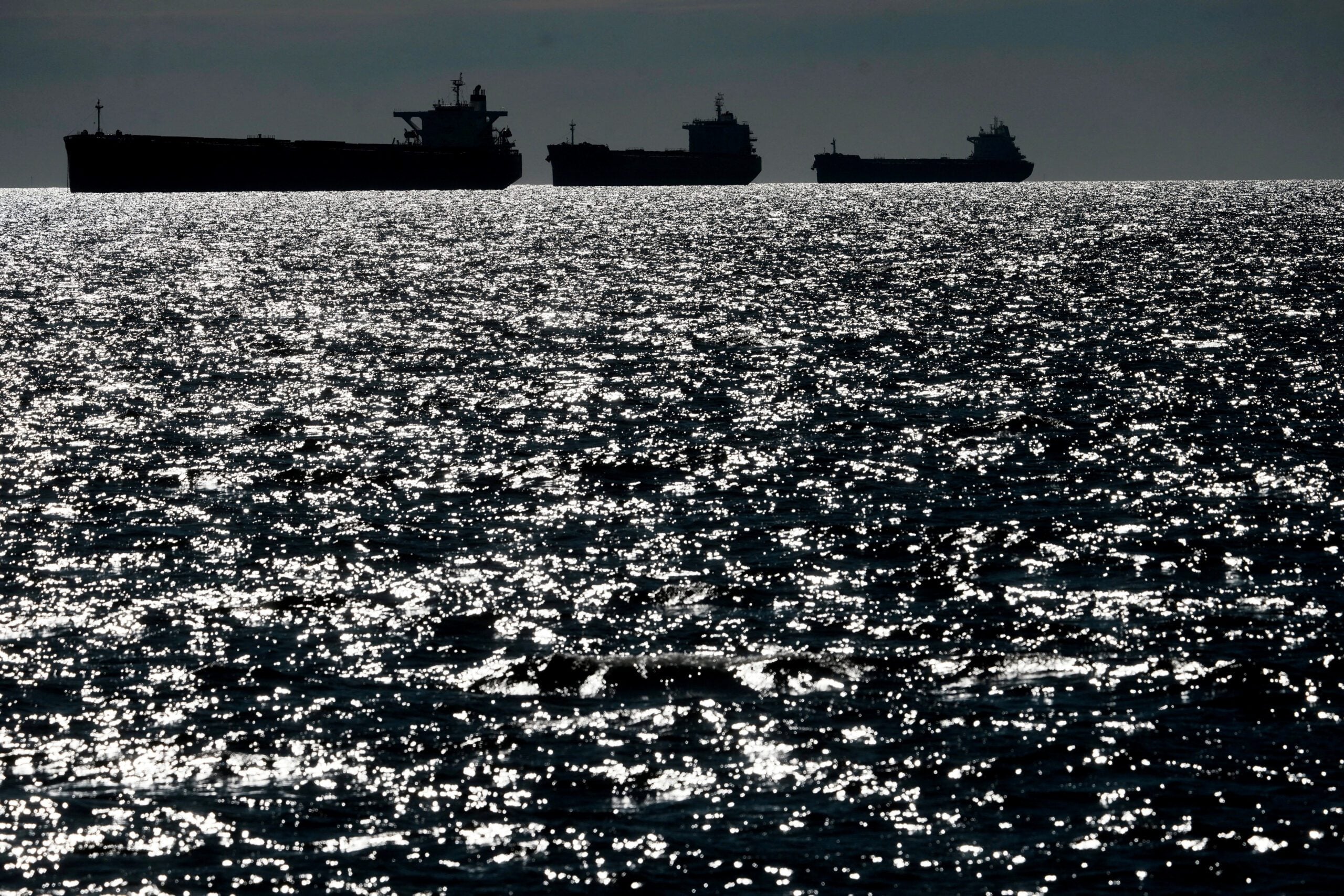
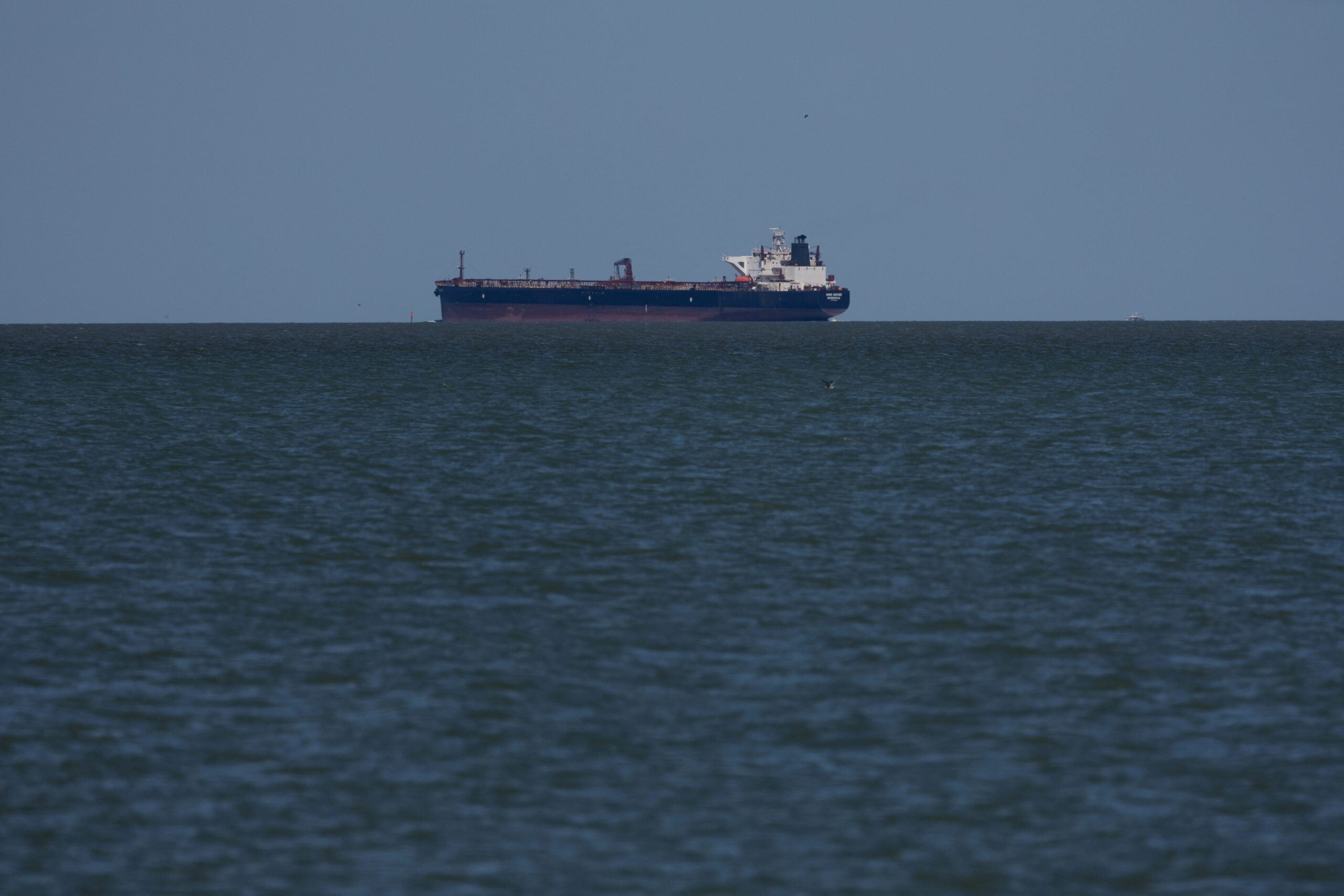
The U.S. Treasury’s Office of Foreign Assets Control (OFAC) on Friday issued a new general license authorizing the delivery and sale of Iranian-origin crude oil and petroleum products already loaded on vessels, offering a temporary release valve for global energy markets under strain from the Middle East conflict.
Under General License U, transactions that are “ordinarily incident and necessary” to the sale, delivery, or offloading of Iranian oil loaded on ships as of March 20 are now permitted through April 19. The authorization applies broadly, including to cargoes carried on vessels that may otherwise be subject to sanctions, effectively allowing those barrels already in transit to reach buyers.
Treasury Secretary Scott Bessent described the move as a targeted intervention rather than a broader shift in policy.
“Today, the Department of the Treasury is issuing a narrowly tailored, short-term authorization permitting the sale of Iranian oil currently stranded at sea,” Bessent said, adding the goal is to “maximize the flow of energy to the world” and “ensure market stability.”
The scope of the license covers not only the sale and discharge of cargo, but also activities such as docking, anchoring, crew safety measures, emergency repairs, and environmental protection, alongside essential shipping services like bunkering, insurance, classification, and vessel management.
OFAC confirmed that imports into the United States are also authorized if they are tied directly to these permitted transactions.
Trump administration officials estimate the authorization could unlock roughly 140 million barrels of crude currently in transit or floating storage—barrels that might otherwise remain tied up under sanctions.
“In essence, we will be using the Iranian barrels against Tehran to keep the price down,” Bessent said, framing the policy as part of a broader effort to counter Iran’s influence over energy markets.
The timing comes as global oil markets remain on edge following the near-collapse of commercial traffic through the Strait of Hormuz, where security risks and active conflict have sharply reduced tanker transits. With a substantial portion of the world’s seaborne energy flows disrupted, Washington has been under mounting pressure to stabilize supply and contain price spikes.
“This temporary, short-term authorization is strictly limited to oil that is already in transit and does not allow new purchases or production,” Bessent said, emphasizing that restrictions on Iran’s access to revenue remain in place.
The authorization also does not permit transactions involving North Korea, Cuba, or certain Russian-occupied regions of Ukraine. The relief is strictly temporary, applying only to cargoes loaded before the March 20 cutoff and expiring one month later.
The move comes a year after President Trump reimposed his “maximum pressure” campaign against Iran’s oil sector, targeting tankers, traders, and refining networks tied to the country’s shadow fleet.

 Join The Club