Swiss engine designer WinGD has secured the maritime industry’s first confirmed order for ethanol-fuelled two-stroke engines powering ocean-going bulk carriers, marking another major milestone in shipping’s race toward alternative fuels.
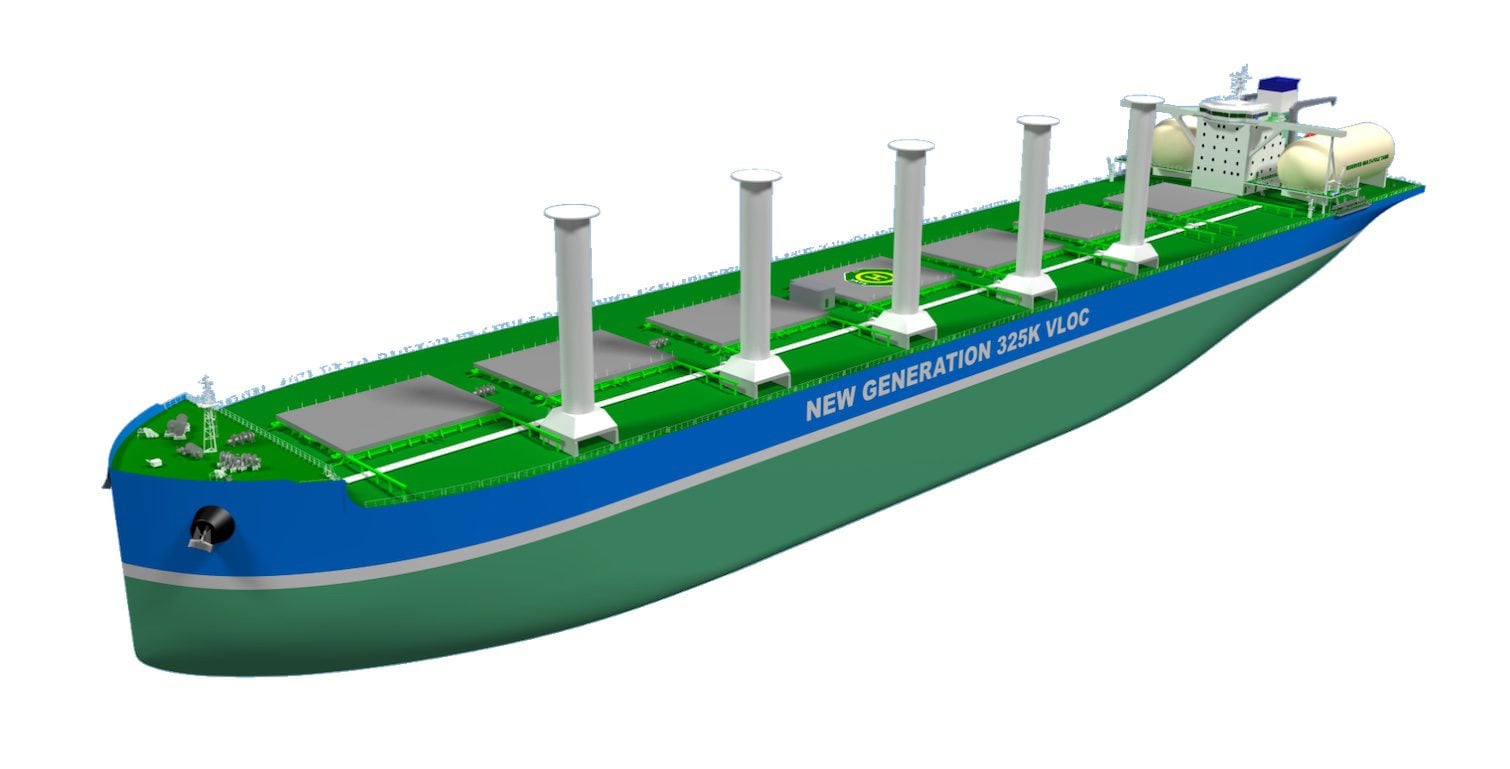
The company announced Tuesday that two 325,000 DWT Newcastlemax ore carriers being built for Shandong Shipping Corporation will each be fitted with six-cylinder 6X82DF-M/E dual-fuel engines designed to operate primarily on ethanol. The vessels are being constructed in China at Beihai Shipbuilding and will operate under long-term charter to Brazilian mining giant Vale.
The order represents the first commercial application of WinGD’s X-DF-M/E platform optimized specifically for ethanol fuel.
“These first ethanol-fuelled X-DF-M/E engines build on more than a decade of intensive investigation into alcohol fuels including ethanol and methanol,” said Volkmar Galke, Executive Director of Sales at WinGD. “This is a clear signal that the shipboard technology and fuel infrastructure around ethanol as a marine fuel are ready.”
WinGD Unveils First Ethanol-Fueled Two-Stroke Marine Engine
The engines are based on WinGD’s existing methanol-fuelled X-DF-M design already entering commercial service, but modified to account for ethanol’s lower energy density. The fuel injection system and supply pressure will be adjusted while maintaining largely similar combustion characteristics between the two alcohol-based fuels.
Ethanol has emerged as a potentially attractive marine fuel because of its broad availability, particularly in Brazil, where the new vessels will load iron ore cargoes bound for China. According to Vale, lifecycle greenhouse gas emissions could be reduced by roughly 90% compared to conventional heavy fuel oil depending on fuel sourcing assumptions.
“The adoption of ethanol as an alternative fuel is part of Vale’s strategy to combine flexibility and efficiency in the ships that transport our ore,” said Rodrigo Bermelho, Vale’s Director of Shipping. “We are pleased to partner with Shandong and WinGD on the world’s first newbuilding order for ethanol-fueled ocean-going vessels.”
The deal further expands WinGD’s rapidly growing alternative-fuel portfolio as shipowners weigh future compliance pathways ahead of tightening emissions regulations. The company now offers ammonia-capable X-DF-A engines, LNG-fuelled X-DF-HP systems, methanol-fuelled X-DF-M engines, and now ethanol-capable X-DF-M/E variants based on a common two-stroke engine platform.
The announcement builds on a string of recent milestones for WinGD. In 2025, the company delivered the world’s largest methanol-fuelled marine engine and separately completed installation of the first commercial ammonia-fuelled two-stroke engine aboard an LPG/ammonia carrier.
The ethanol-fuelled engines are scheduled for delivery in early 2029, with additional options included should the vessel series expand.

 Join The Club