By Laura Curtis and Josh Wingrove
Nov 6, 2025 (Bloomberg) –The US is pushing forward on President Donald Trump’s pledge to pause a series of penalties aimed at China’s shipbuilding industry, a key concession in his interim trade pact with counterpart Xi Jinping.
The office of US Trade Representative Jamieson Greer said Thursday it was soliciting feedback on the one-year truce. The trade office proposed pausing tariffs on imports of ship-to-shore cranes and chassis from China in addition to a suspension of fees levied on Chinese-built and -operated merchant ships calling at American ports.
China has agreed to halt retaliatory measures in return for US action, according to a fact sheet released by the White House after Trump and Xi met last week.
USTR is accepting comments on the pause from noon Thursday through 5 p.m. Friday New York time, according to a notice from the agency. The pause would begin Nov. 10.
The move is effectively a yearlong pledge not to invoke tariffs or other penalties stemming from a US probe into China’s actions in the maritime, logistics, and shipbuilding sectors. Trump, however, has routinely shifted course on his trade agenda.
Read More: Why Trump Wants to Target China’s Dominance in Shipbuilding
The investigation under Section 301 of the Trade Act of 1974 began during the Biden administration, with support from labor unions representing US steelworkers and shipbuilders.
Section 301 inquiries typically last months or longer but provide strong legal footing for tariffs. Trump used the authority in his first term to apply duties on certain Chinese goods.
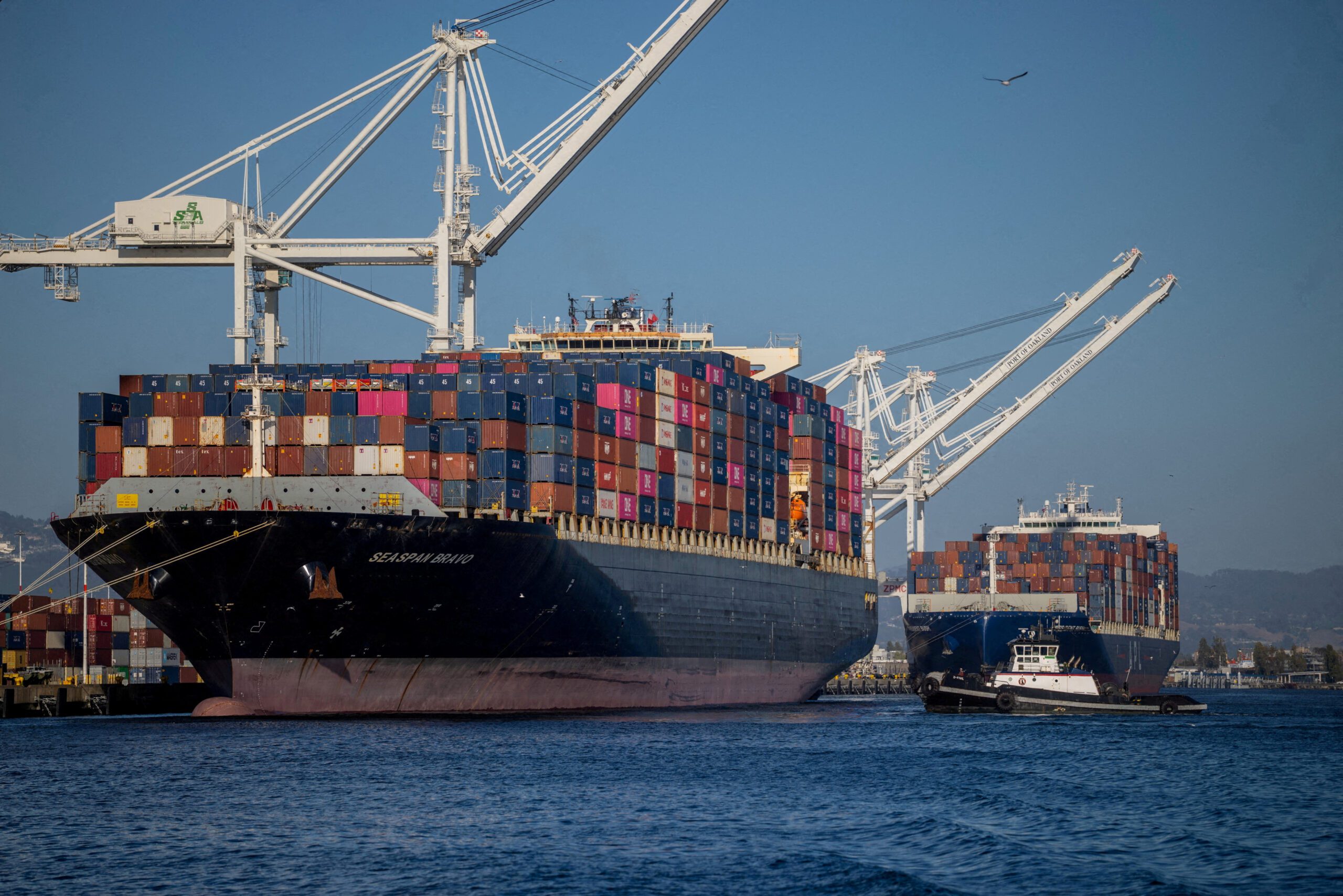
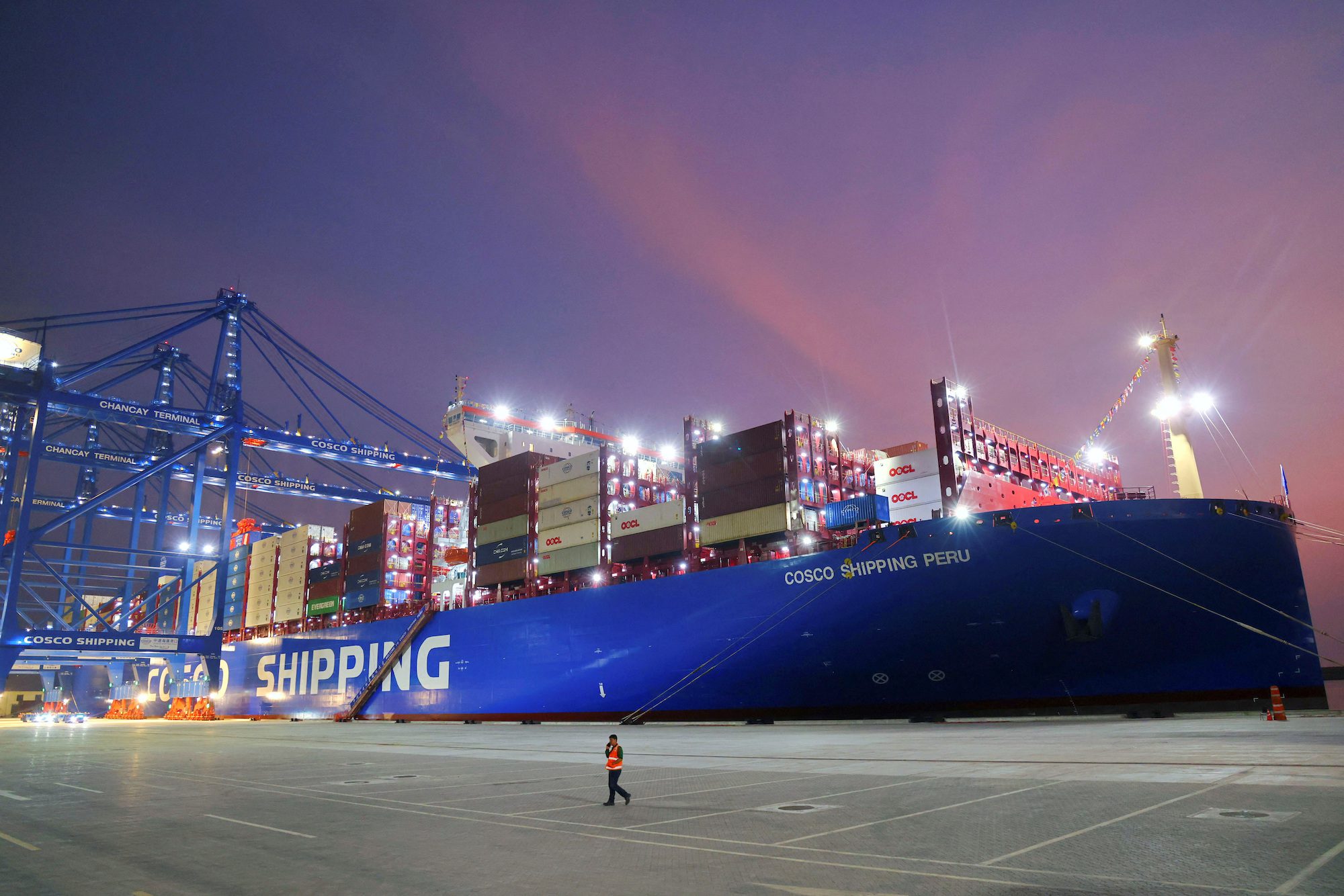
The policy aimed at reducing Beijing’s dominance of the maritime sector was finalized in April, and the fees on China-linked ships docking at US ports took effect Oct. 14. Vessels that are both Chinese-built and operated by a Chinese company faced the highest penalties, which were assessed based on net tonnage.
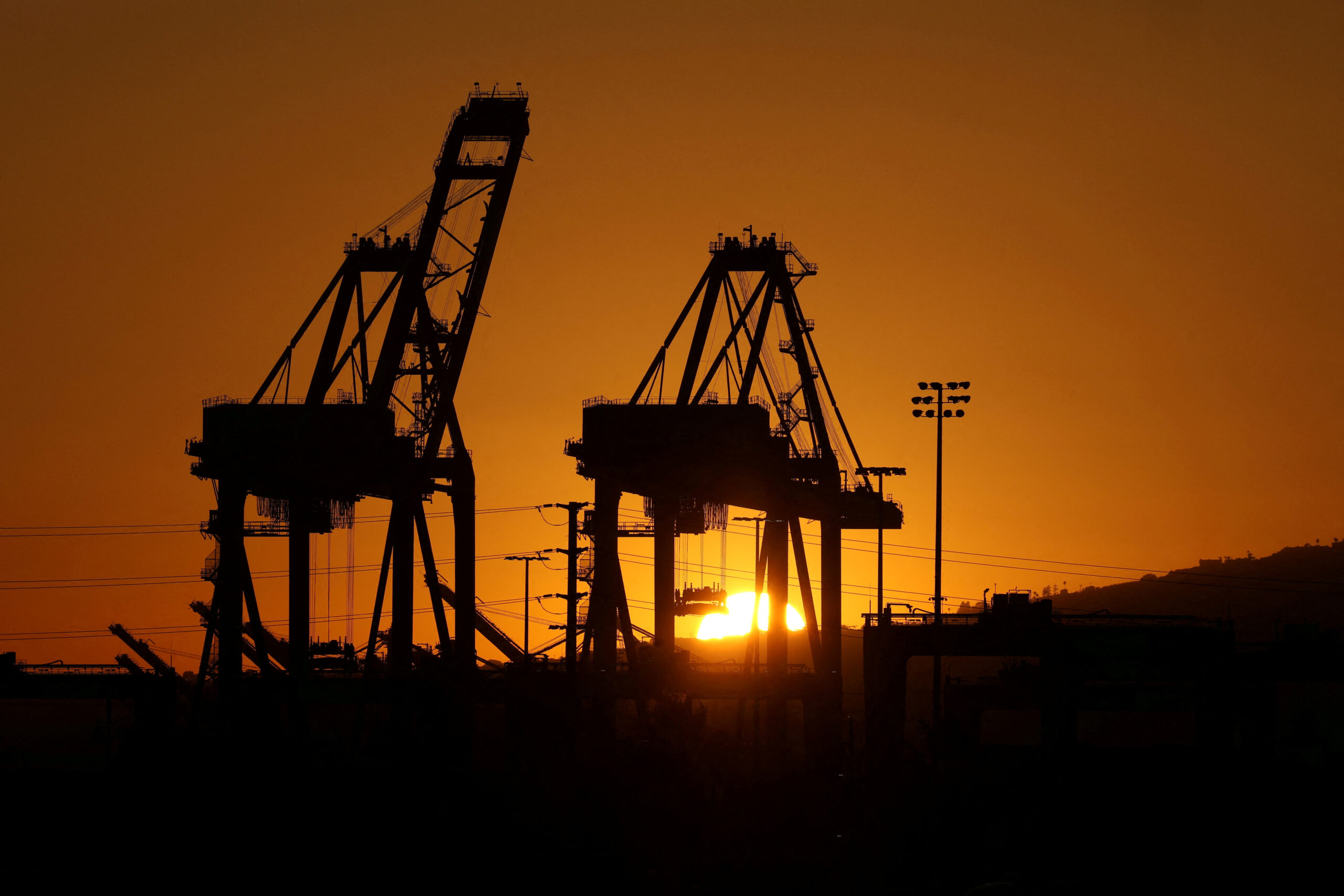
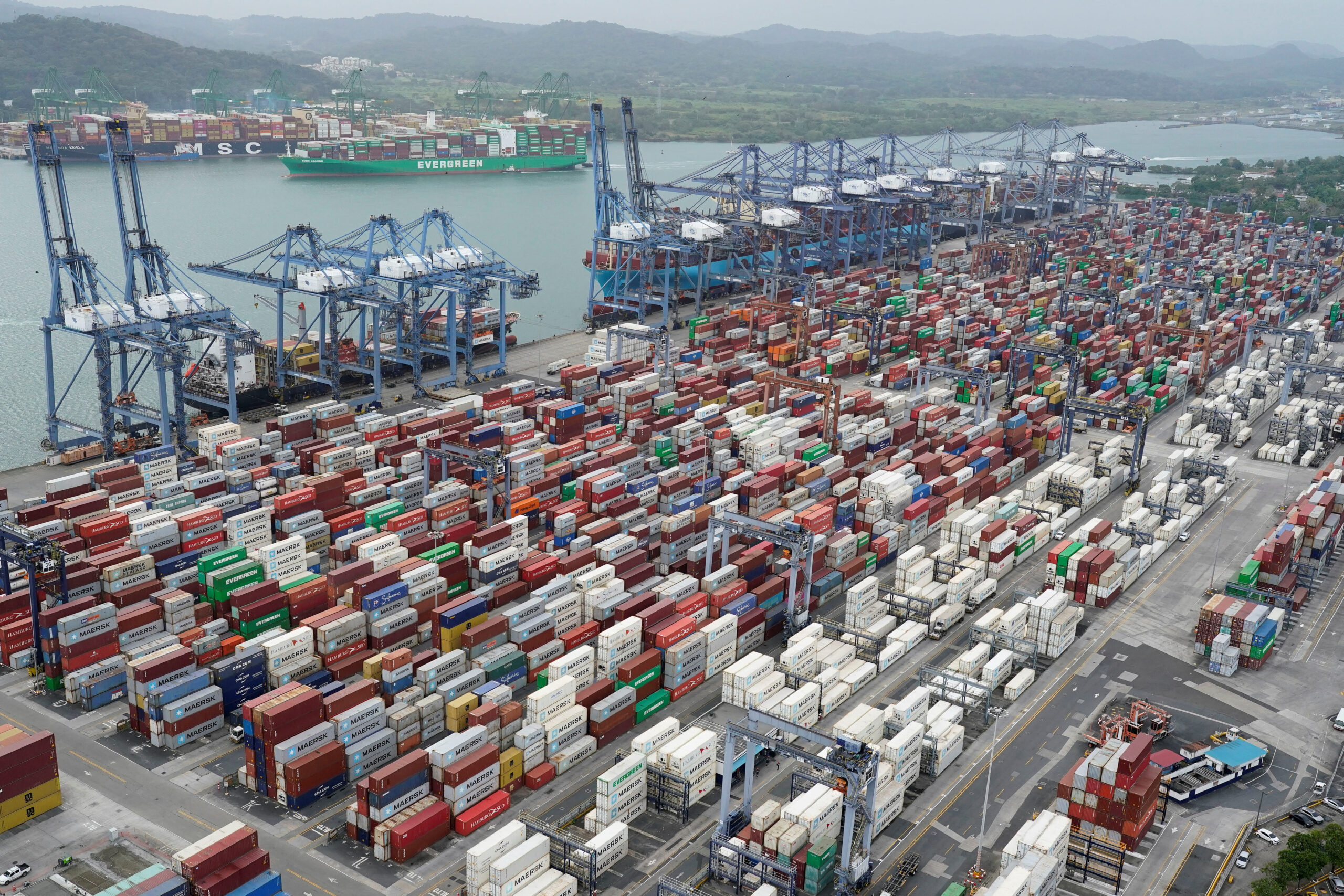
Starting Nov. 9, the US had planned to begin collecting 100% tariffs on imported ship-to-shore cranes, intermodal chassis and parts, a move that targets Chinese-made port equipment. The trade representative had also proposed additional tariffs of as much as 150% on certain Chinese-origin cargo handling equipment widely used at American seaport terminals.
China was quick to retaliate, announcing steep fees on US-owned ships calling at Chinese ports. Those took effect the same day as the American port fees. Beijing also sanctioned the US units of a South Korean shipping giant over its plans to invest in the American maritime sector.
The push to revive US shipbuilding capacity has received broad support from Republicans and Democrats in Congress, as well as much of the domestic maritime industry. Trump has looked to counter China’s growing influence on the shipbuilding sector with the probe as well as with deals with Japan and South Korea to bolster alternatives.
© 2025 Bloomberg L.P.

 Join The Club