Russia has, for the first time, deployed its entire fleet of eight atomflot nuclear-powered icebreakers simultaneously to maintain winter shipping lanes in the Gulf of Ob and the Yenisei Gulf, underscoring the strategic importance of Arctic energy exports.
The unprecedented deployment is focused on ensuring the flow of oil, liquefied natural gas (LNG), and mineral cargoes from Russia’s Arctic production regions, including the Arctic Gate oil terminal, Yamal LNG, and Norilsk Nickel.
Nuclear icebreakers Taymyr, Yamal, Arktika, Yakutiya, Sibir, and 50 Let Pobedy (50 Years of Victory) are currently operating in the Gulf of Ob, while Ural and Vaygach are assigned to the Yenisei Gulf and the Yenisei River, supporting traffic serving ports and terminals deep inside Siberia.
Russia’s nuclear icebreaker complement includes two unique shallow-draft vessels, Taymyr and Vaygach, which were specifically designed to operate in Arctic river estuaries. Their ability to break ice in restricted waters makes them essential for keeping export routes open from inland terminals during winter.
The current fleet also includes two nuclear icebreakers from the original Arktika class: Yamal and 50 Let Pobedy.
For the first time, all four of Russia’s new Project 22220 Arktika-class nuclear icebreakers are deployed simultaneously. Arktika, Ural, Sibir, and Yakutiya represent the future of Russia’s nuclear icebreaking capability, offering greater power, improved efficiency, and the ability to operate both in deep Arctic seas and, with adjustable draft, in shallower coastal waters.
Looking ahead, Russia has three additional nuclear icebreakers of the new Arktika class under construction. Chukotka, Leningrad, and Stalingrad are expected to enter service in 2026, 2028, and 2030, respectively, bringing the new Arktika class to a total of seven vessels, though western sanctions against Rosatomflot have slowed construction.
Beyond the new Arktika-class, Russia is faced with an aging icebreaker fleet and western sanctions have slowed down efforts to renew conventional icebreakers.
The seven-vessel strong Arktika-class will not be sufficient to reliably maintain winter operations once the older Taymyr, Vaygach, and Yamal reach the end of their service life in the next several years. Each has been in service since the late 1980s and early 1990s. Russia currently has no plans to expand the Arktika fleet beyond seven vessels.
Even with the current deployment of all eight nuclear icebreakers Russia is faced with a critical shortage of high ice-class oil tankers and LNG carriers. This limitation was highlighted recently when the medium ice-class LNG carrier Buran failed to reach the Arctic LNG 2 project after multiple attempts.
After waiting for several days at the mouth of the Gulf of Ob, the vessel ultimately abandoned the effort and returned from the Kara Sea to the ice-free waters of the Barents Sea, underscoring that even unmatched icebreaker power cannot fully compensate for a lack of ice-strengthened vessels during the Arctic winter.
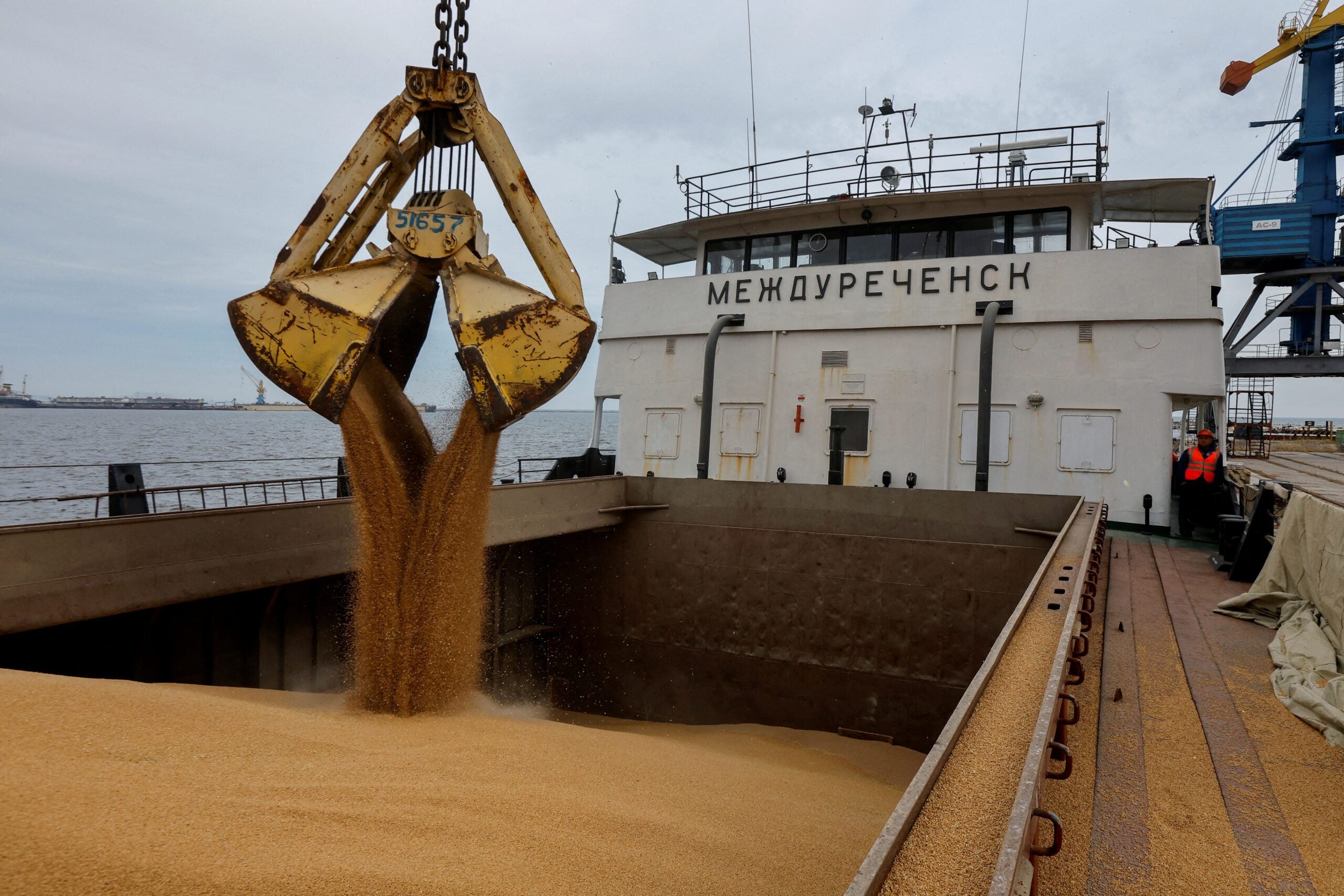
By Bloomberg News Apr 4, 2026 (Bloomberg) –Russia said drone debris struck a cargo vessel in a bay of the Azov Sea overnight while Moscow’s forces targeted several Ukrainian regions, including...
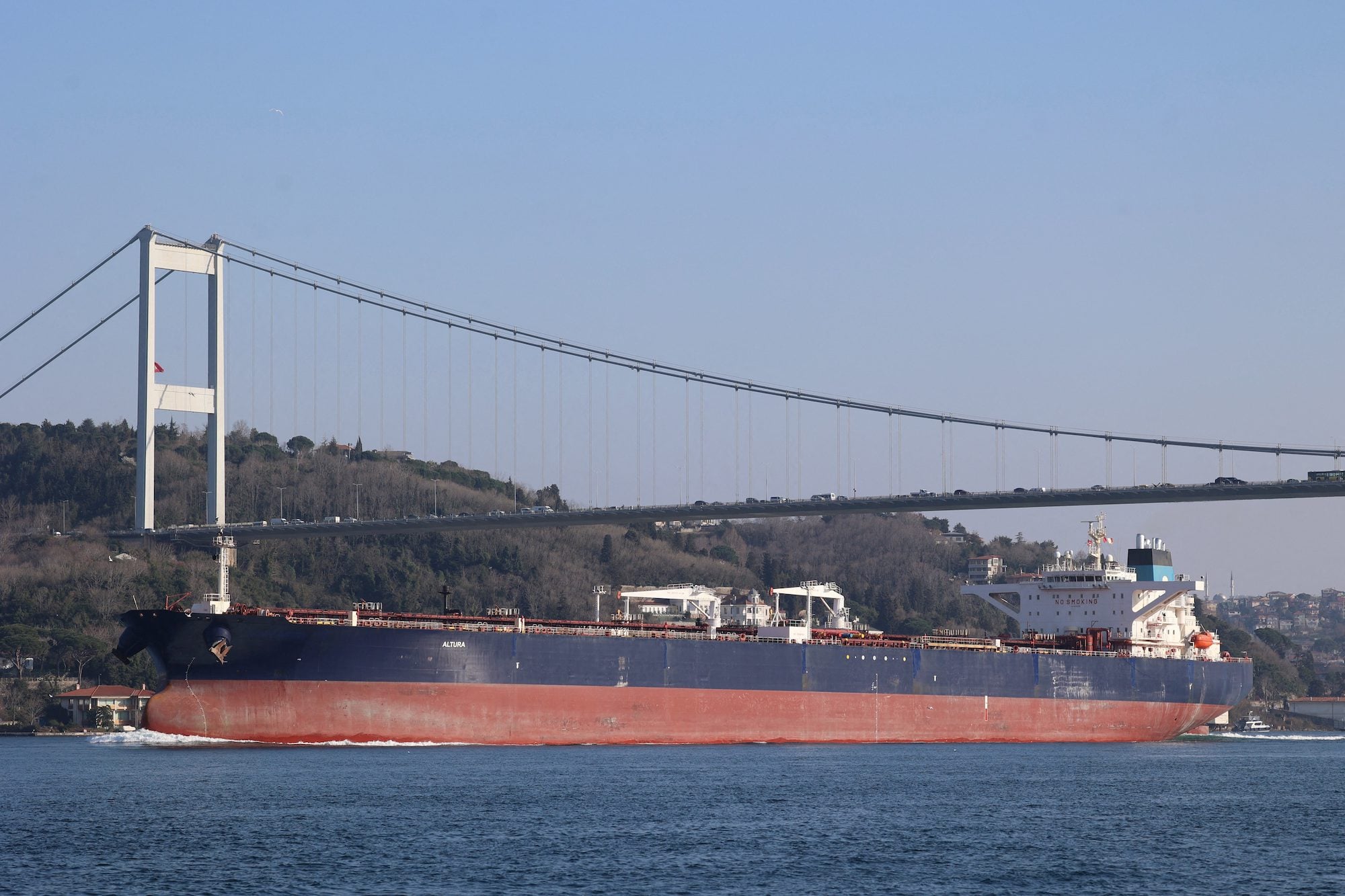
A Turkish-owned tanker carrying Russian petroleum product was struck overnight by a suspected uncrewed surface vessel (USV) in the Black Sea, in what appears to be an escalation in attacks...
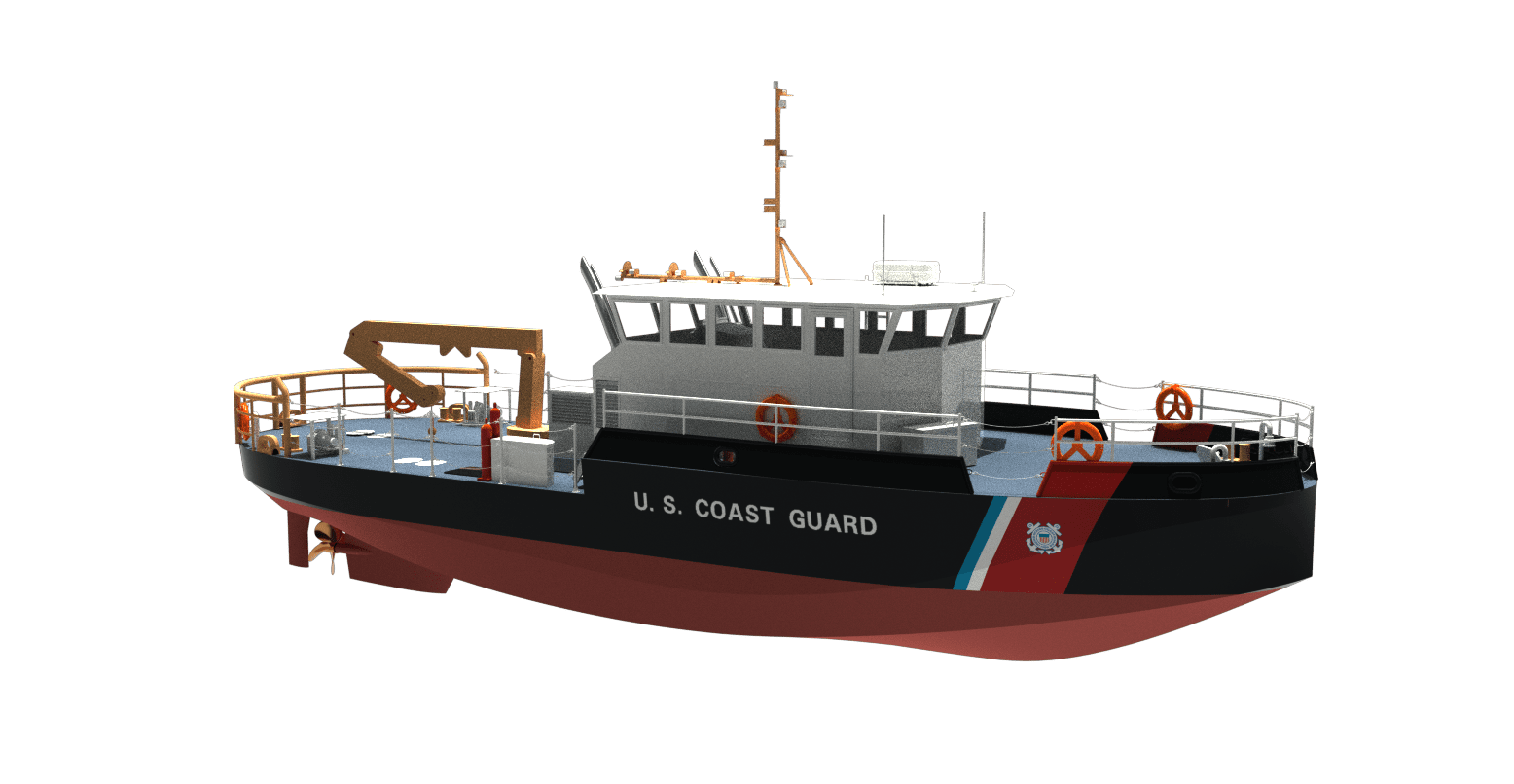
The U.S. Coast Guard has issued a request for information (RFI) as it moves forward with plans to acquire up to seven new light icebreakers to replace an aging fleet and ensure year-round navigation in ice-prone waterways across the Northeast and Great Lakes.
March 26, 2026
Total Views: 24320
Get The Industry’s Go-To News
Subscribe to gCaptain Daily and stay informed with the latest global maritime and offshore news
— just like 107,326 professionals
Secure Your Spot
on the gCaptain Crew
Stay informed with the latest maritime and offshore news, delivered daily straight to your inbox
— trusted by our 107,326 members
Your Gateway to the Maritime World!
Essential news coupled with the finest maritime content sourced from across the globe.

 Join The Club