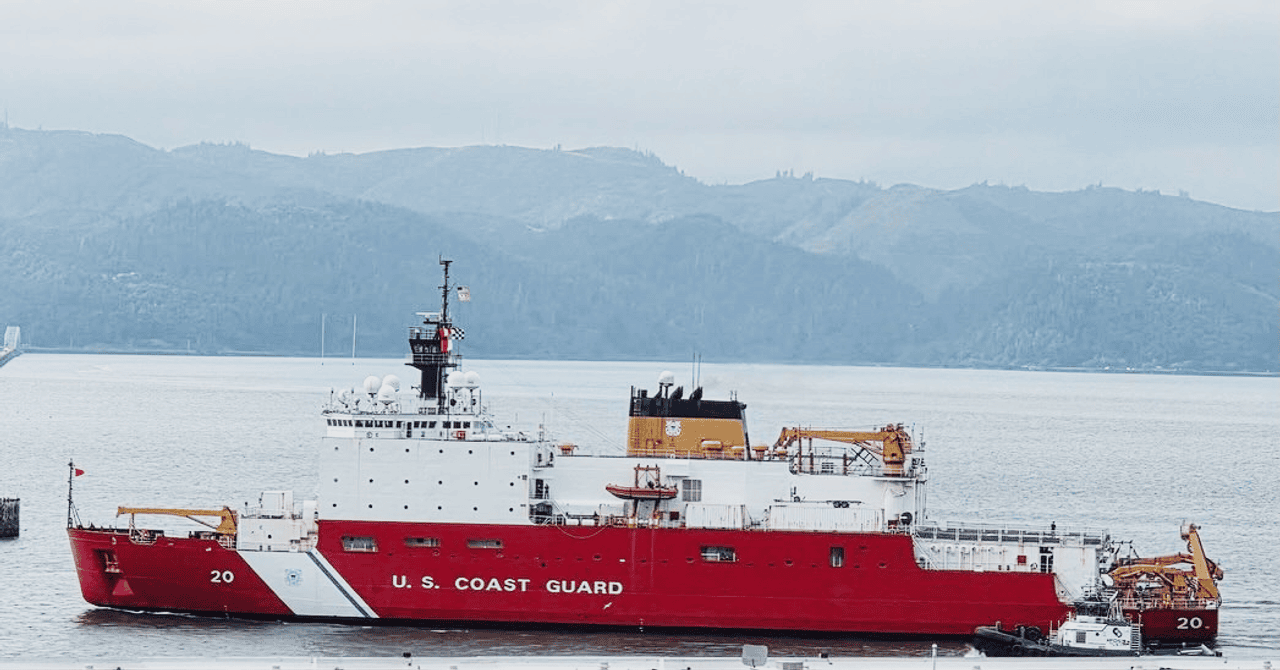
The U.S. Coast Guard has issued a request for information (RFI) as it moves forward with plans to acquire up to seven new light icebreakers to replace an aging fleet and ensure year-round navigation in ice-prone waterways across the Northeast and Great Lakes.
The U.S. Coast Guard is laying the groundwork for a new class of light icebreaking vessels aimed at maintaining critical shipping lanes and supporting commerce in ice-affected regions, according to a request for information released by the service.
The planned Homeland Security Cutter–Light Icebreaker (HSC-L) program envisions the design, construction, and delivery of as many as seven vessels to replace legacy platforms that have exceeded their operational lifespan. The Coast Guard said it anticipates a potential contract award in late 2026.
The new cutters are intended to operate primarily in ports and waterways from New England through the Mid-Atlantic and into the Great Lakes, areas that are vital to the U.S. economy but frequently impacted by winter ice.
“To ensure these vital waterways remain accessible and safe, even in the harshest winter conditions, the Coast Guard relies on a fleet of icebreakers,” the service said, noting that many existing vessels are now well beyond their intended service lives.
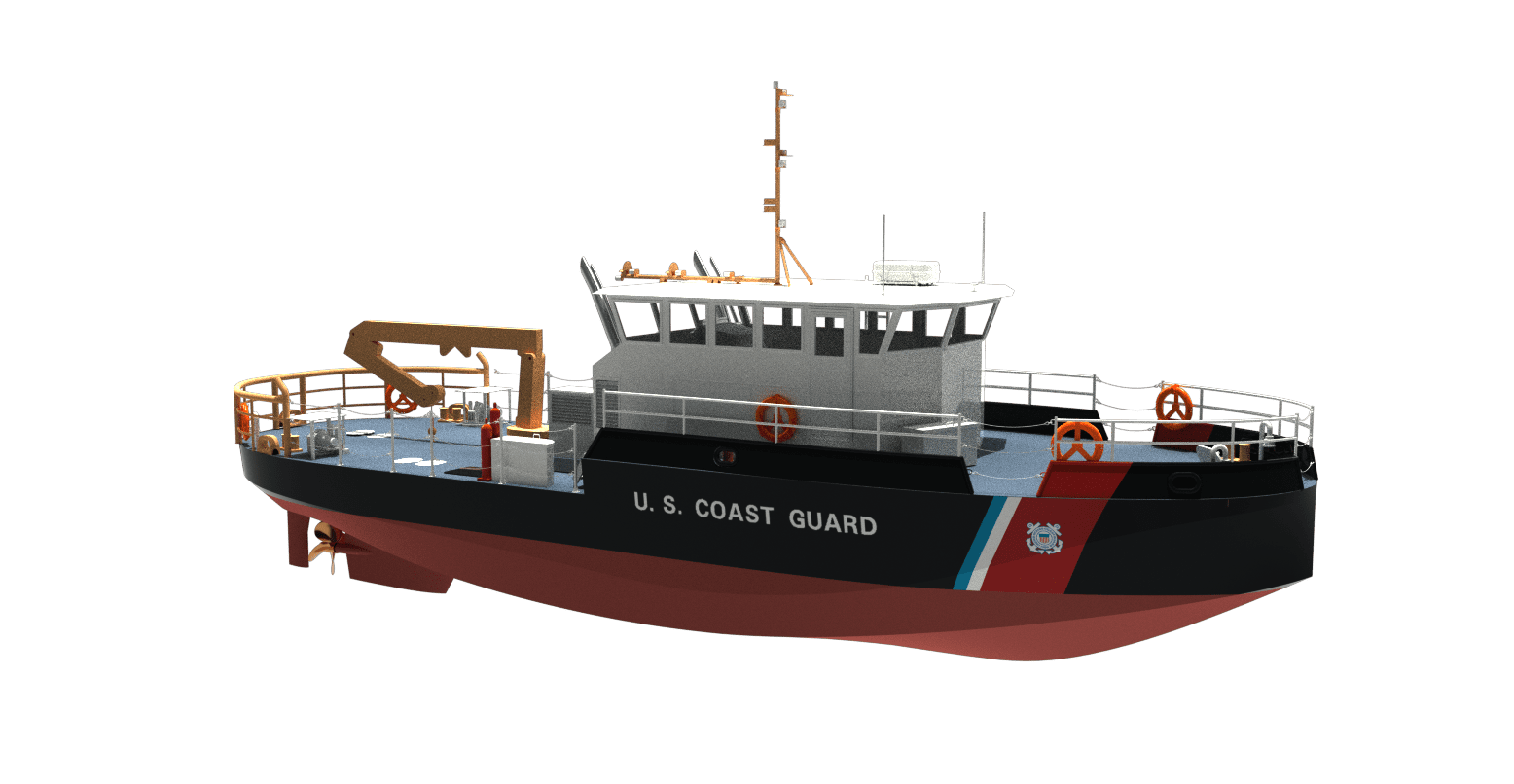
The HSC-L vessels will replace the Coast Guard’s fleet of 65-foot light icebreaking tugs, commissioned between 1961 and 1967, as well as 49-foot buoy utility stern loading boats. The new platform is expected to combine both capabilities into a single, more versatile design capable of supporting year-round operations in smaller ports and harbors.
According to the RFI, the contract will cover the full lifecycle of the vessels, including design, engineering, construction, testing, and delivery. The cutters are expected to remain operational for at least 30 years.
While total program costs have not yet been specified, the Coast Guard has been allocated $816 million under recent legislation for the procurement of light and medium icebreaking cutters. These vessels are separate from the service’s Arctic-focused icebreaking programs.
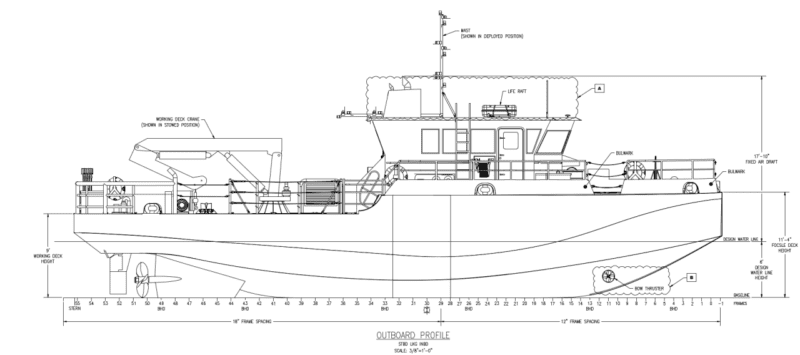
The HSC-L vessels will be relatively compact but designed for demanding conditions. Specifications outlined in the RFI include a length of approximately 69 feet, a maximum draft of 7 feet at full load, and an air draft not exceeding 20 feet. Each vessel will be equipped with two main propulsors and capable of traveling up to 720 nautical miles at 10 knots with a fuel reserve.
Homeland Security Cutter L general arrangement. (Source: USCG)
The cutters must also be able to conduct at least three days of continuous icebreaking operations without resupply and break through level ice up to 12 inches thick at a steady speed of 3 knots.
The Coast Guard emphasized that the new class will play a critical role in keeping shipping channels open, assisting vessels trapped in ice, and reducing the risk of ice jams and flooding that can damage infrastructure and communities.
The HSC-L program is part of a broader recapitalization effort. Separately, the service is planning to acquire 11 medium icebreakers under the Homeland Security Cutter–Medium Icebreaker (HSC-M) program to replace 140-foot Bay-class tugs commissioned between 1978 and 1988. Those vessels will support a wider range of missions, including search and rescue and maritime security.
“Combined, these vessels will break through thick ice formations, ensuring that vital shipping channels remain open and commerce continues to flow,” the service said.
Industry responses to the RFI will help shape final requirements as the Coast Guard moves toward formal procurement of the new light icebreaker fleet.
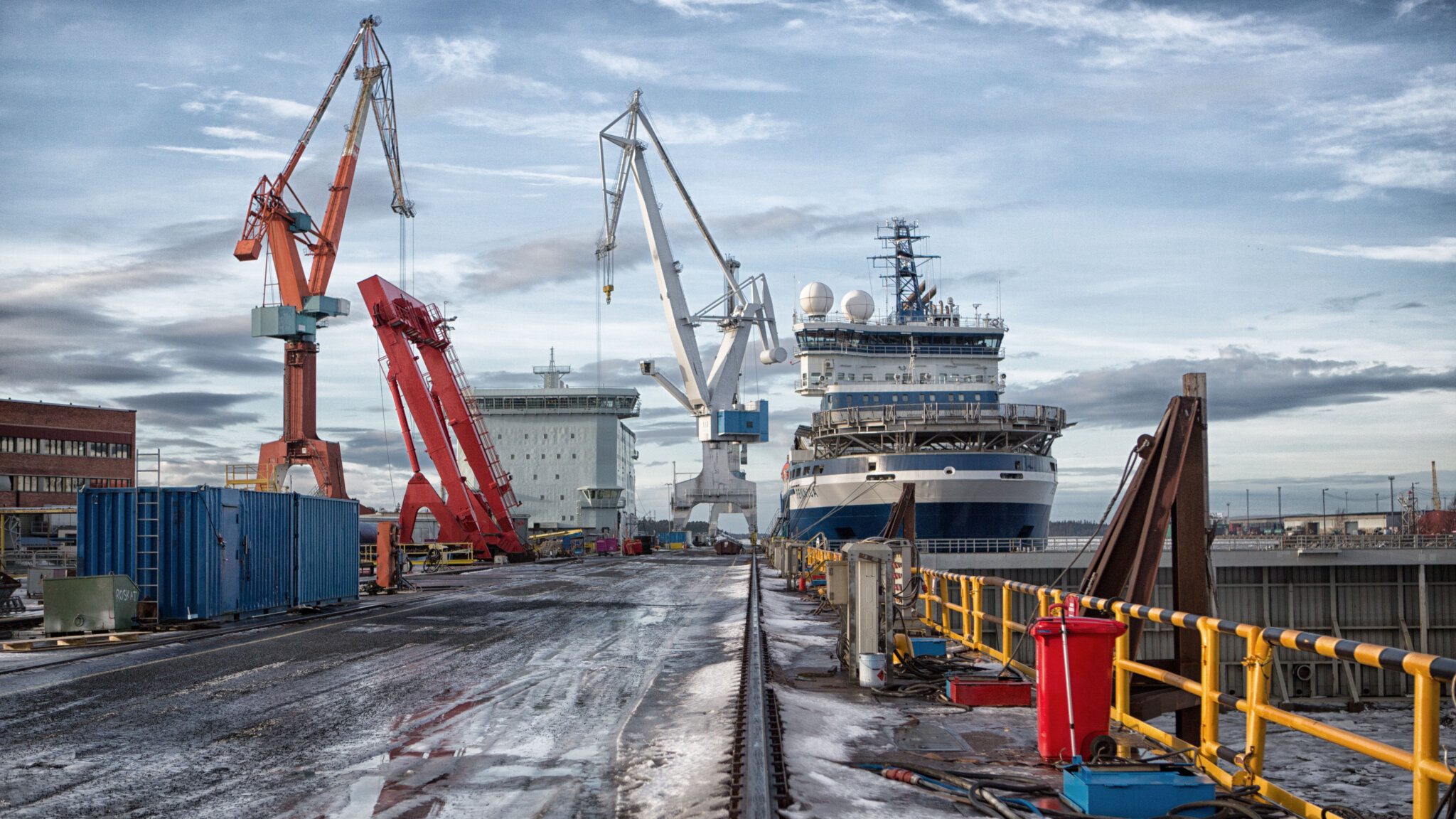
Rauma Marine Constructions in Finland has made rapid progress on the first of two Arctic Security Cutters it is building for the U.S. Coast Guard, with almost half of the vessel's blocks already launched and construction of the second ship approaching, according to the Finnish shipbuilder's chief executive.
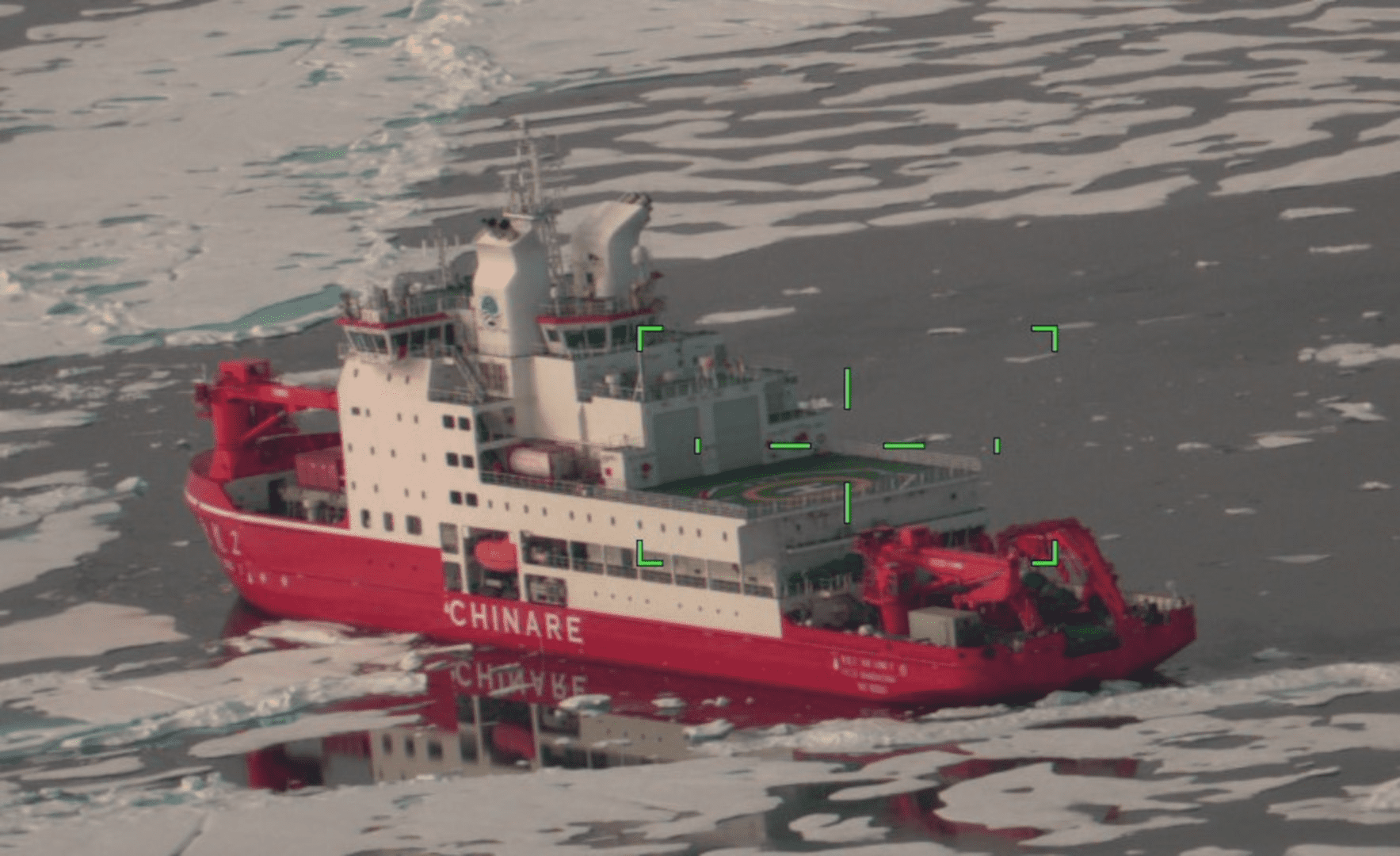
The United States is watching China's presence in its Arctic zone "very closely" amid concerns regarding the security of the US homeland, a senior US Arctic military official said.
The U.S. Coast Guard’s icebreaker Healy will not carry out its planned high-latitude Arctic mission this summer following a serious engineering casualty in July, a spokesperson said. The statement provides the clearest indication yet of the impact of the incident on the Coast Guard’s key icebreaker.
September 16, 2026
Total Views: 6259
Get The Industry’s Go-To News
Subscribe to gCaptain Daily and stay informed with the latest global maritime and offshore news
— just like 106,723 professionals
Secure Your Spot
on the gCaptain Crew
Stay informed with the latest maritime and offshore news, delivered daily straight to your inbox
— trusted by our 106,723 members
Your Gateway to the Maritime World!
Essential news coupled with the finest maritime content sourced from across the globe.

 Join The Club