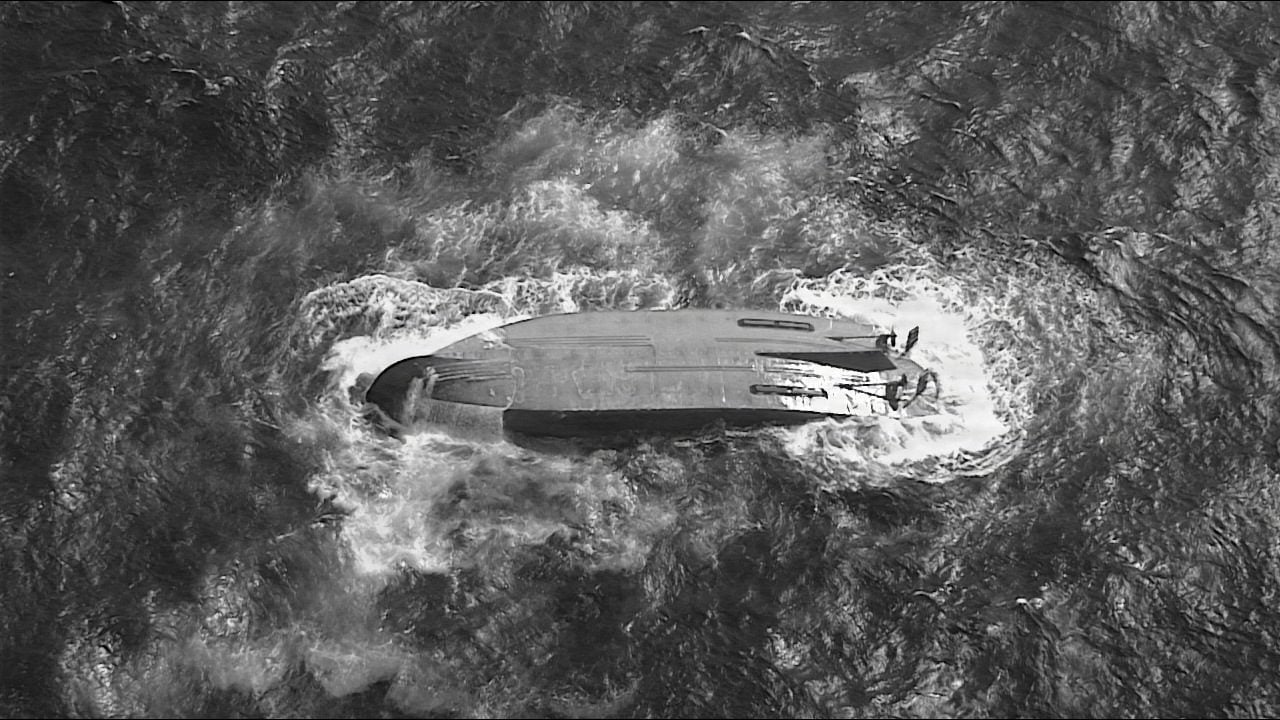
The U.S. Coast Guard and an expanding multinational task force are racing against time in the remote waters of the western Pacific after the U.S.-flagged cargo vessel Mariana was discovered overturned northeast of Saipan, with all six crew members still unaccounted for.
Search aircraft on Saturday evening located debris fields roughly 95 nautical miles from the capsized vessel, including a partially submerged and partially inflated life raf. By the time of the sighting, the vessel had drifted significantly, underscoring the complexity of the search effort in open ocean conditions.
The 145-foot dry cargo vessel was first reported in distress Wednesday when its starboard engine failed approximately 125 nautical miles north-northwest of Saipan. According to the U.S. Coast Guard, communications were initially maintained through the vessel’s manager on an hourly schedule. No injuries or medical issues were reported at the time.
That communication link was lost later the same day.
An HC-130 Hercules aircrew eventually located the overturned vessel Friday about 34 nautical miles northeast of Pagan, roughly 100 nautical miles from its last known position. Since then, the search has expanded dramatically, covering more than 75,000 square nautical miles—an area larger than the state of Nebraska.
By Sunday evening, specialized rescue teams had arrived on scene. An HC-130 from the U.S. Air Force’s 31st Rescue Squadron deployed pararescuemen, divers, and small boats to the site, confirming the vessel’s identity as Mariana.
Divers are now conducting a detailed external inspection of the hull, searching for potential entry points. If access is deemed possible, crews may deploy an underwater remotely operated vehicle to examine the vessel’s interior—raising the possibility, however slim, of locating survivors within.
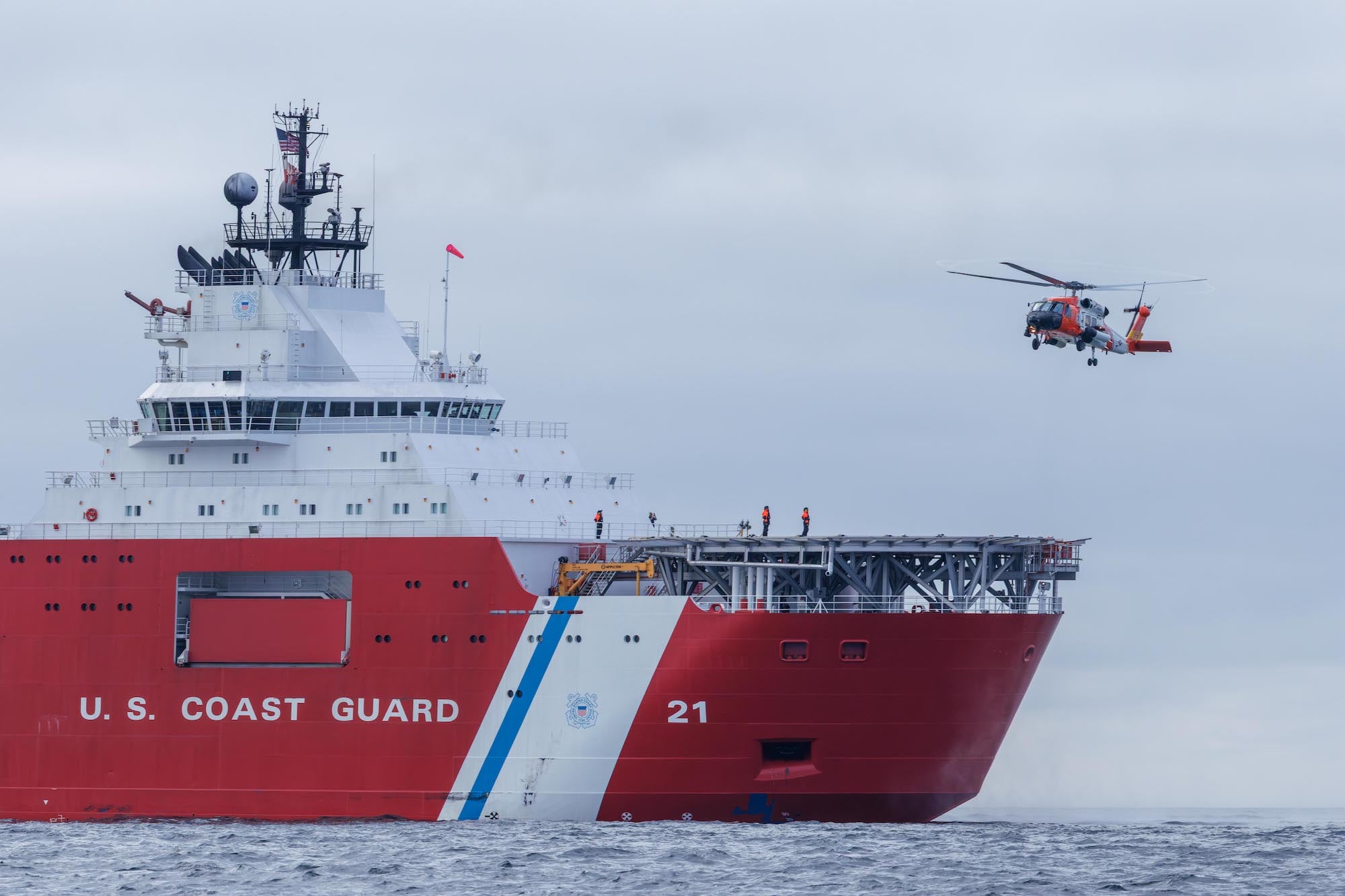
The search effort has grown into a coordinated international operation spanning air and sea assets from across the Pacific. Units involved include the Joint Rescue Coordination Center Honolulu, the Coast Guard cutter Frederick Hatch, aircraft from U.S. Navy Patrol Squadron 26, Japan Coast Guard vessels and jets, and a Royal New Zealand Air Force P-8A Poseidon.
Despite the scale of the response, no sign of the six missing mariners has been found.
Heavy weather earlier in the week hampered initial search flights, forcing at least one Coast Guard aircraft to abort its mission. Since then, crews have been working continuously across shifting drift patterns and a vast search area shaped by currents and wind.
Officials are urging anyone with information that could assist the search to contact authorities via VHF Channel 16 or through the Joint Rescue Coordination Center Honolulu.
As the operation enters a critical phase, attention is now split between the surface search and the increasingly urgent underwater investigation of the overturned vessel—two parallel efforts that may ultimately determine whether this remains a rescue mission or transitions into recovery.

 Join The Club