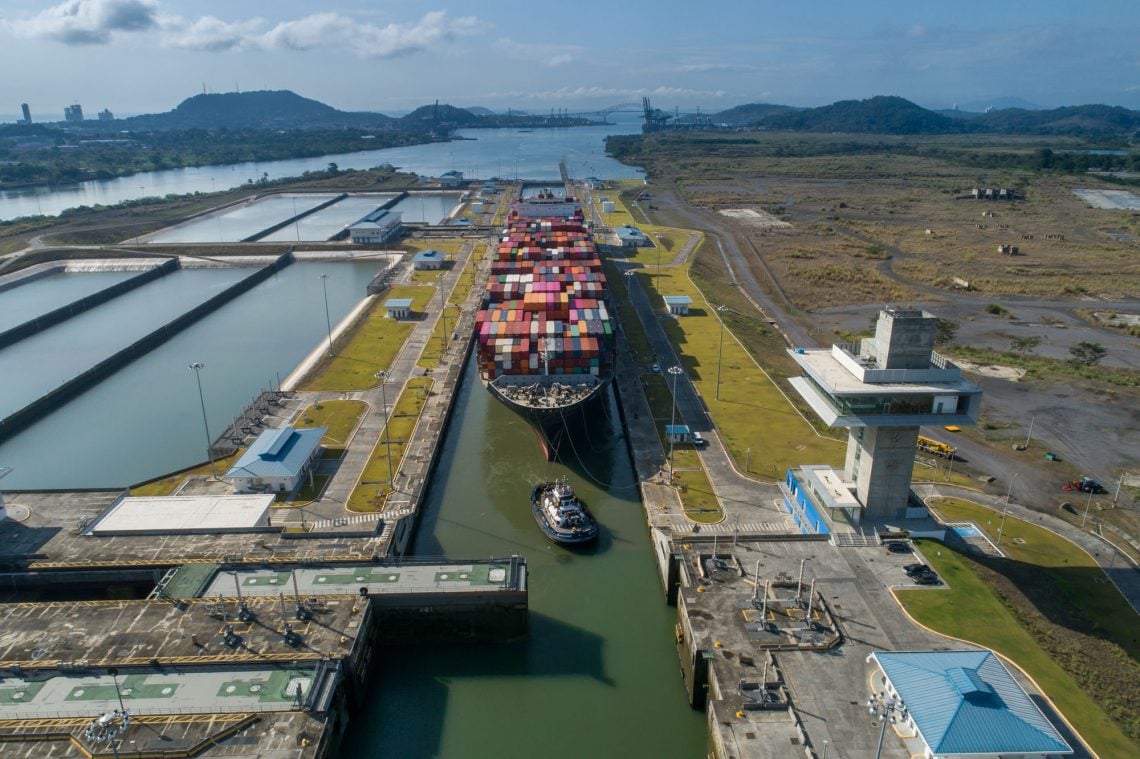
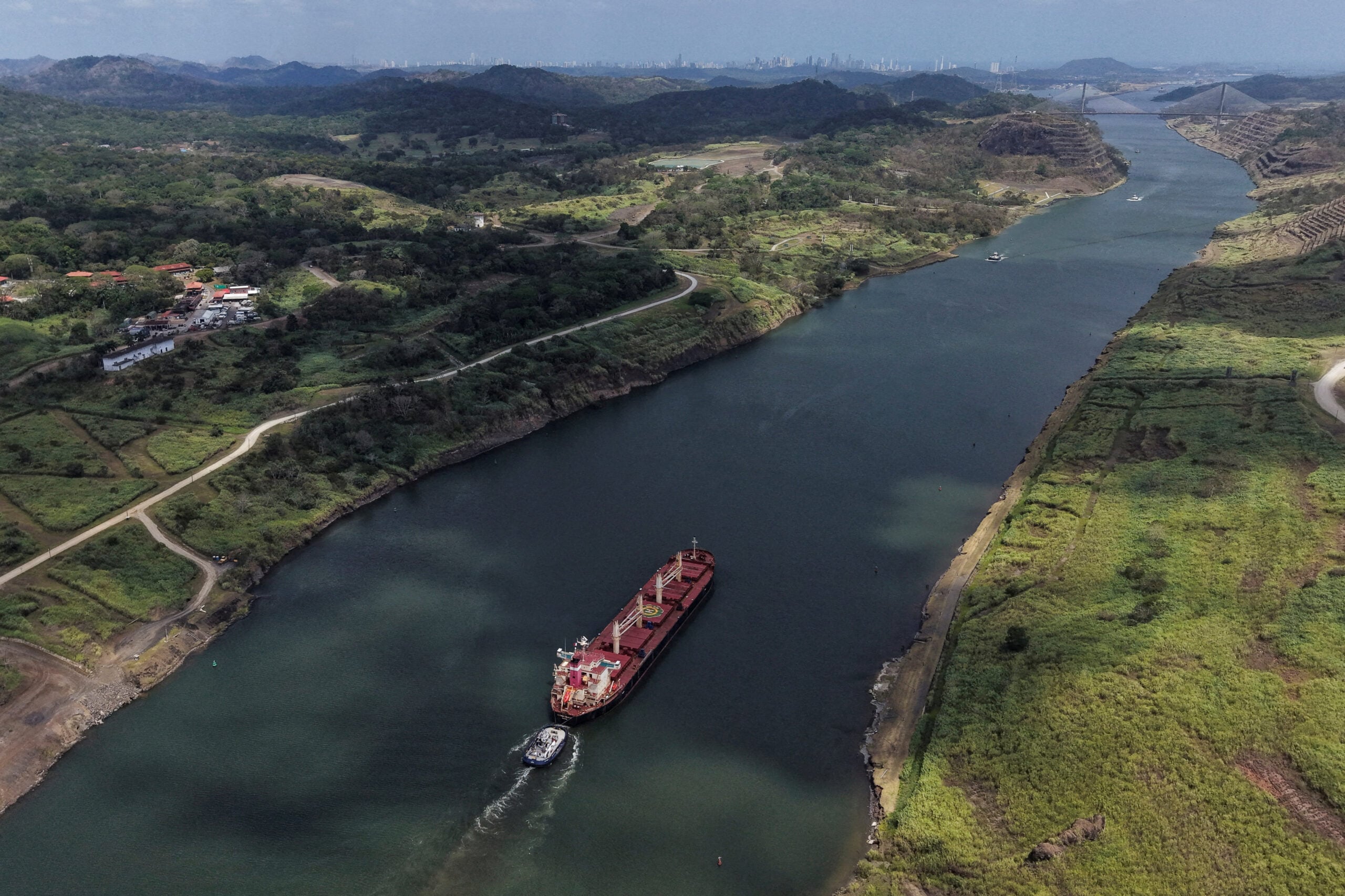
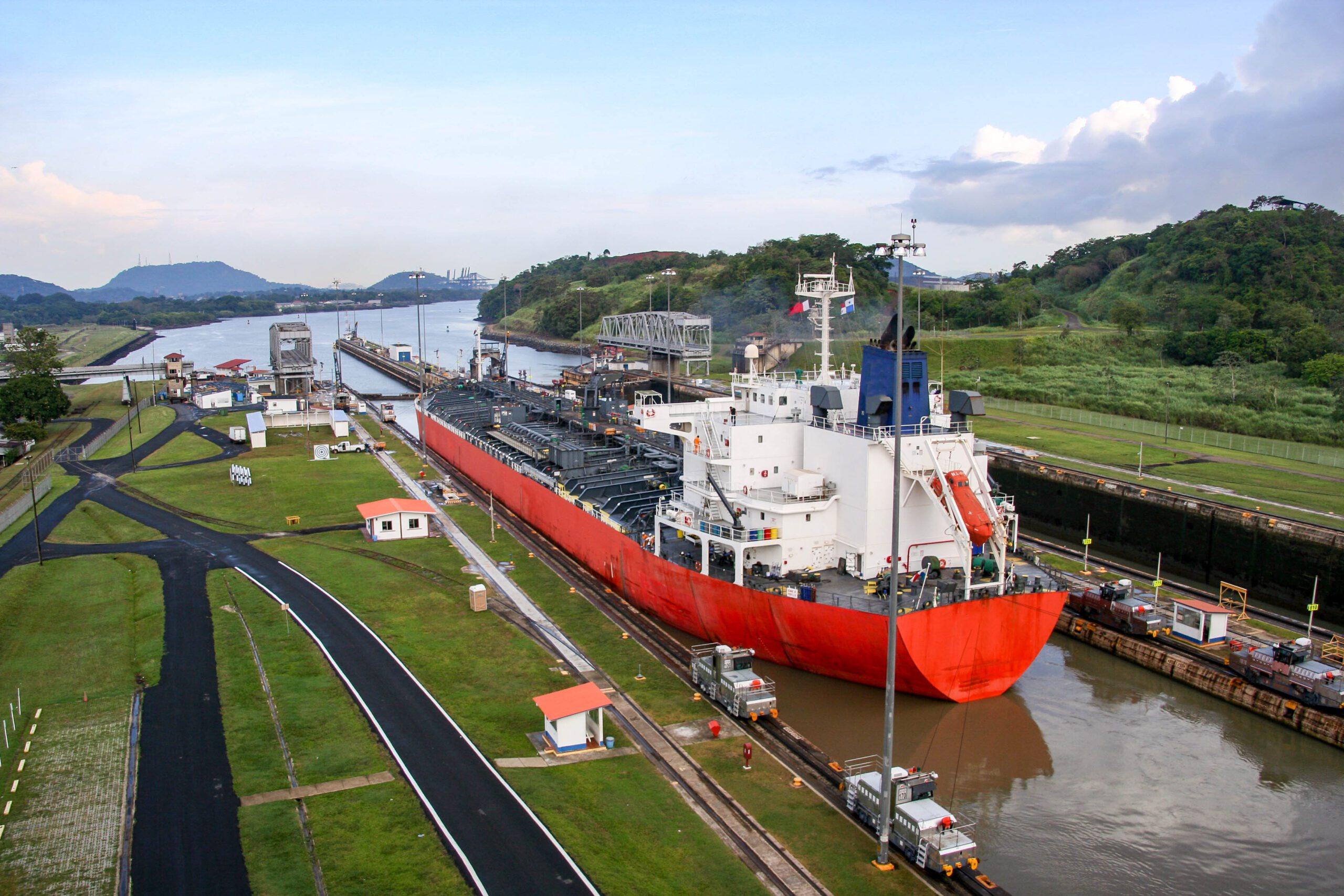
The Panama Canal is easing restrictions on vessel draft and daily transits after improved rainfall and water-saving measures helped stabilize conditions in the waterway’s drought-sensitive watershed.
The Panama Canal Authority said the maximum authorized draft for vessels using the Neopanamax locks has been increased immediately to 49 feet (14.94 meters) Tropical Fresh Water, up from 48 feet.
The Canal will also increase the number of daily Neopanamax transits from nine to 10 beginning October 15, bringing total available capacity across the Neopanamax and Panamax locks to 33 vessels per day.
The changes mark a notable reversal from restrictions imposed over the summer as below-normal rainfall and a developing El Niño raised concerns about Gatun Lake levels.
The Canal progressively reduced the Neopanamax draft earlier this year, eventually bringing the limit down to 48 feet in early September. A further reduction to 47.5 feet had been scheduled for October 1 before the Canal scrapped that planned cut earlier this month.
Daily transit capacity was also reduced, with Neopanamax slots cut to nine beginning September 3 and Panamax capacity lowered to 23 slots beginning September 15.
The latest improvement comes after what the Canal described as precipitation close to historical averages, combined with water-saving measures at the locks.
The Canal has introduced a series of conservation measures since the severe 2023-24 drought, including greater use of the Neopanamax locks’ water-saving basins, simultaneous lockages where possible and other operational changes aimed at reducing freshwater consumption.
Despite the improved outlook, Canal officials cautioned that the watershed remains in a water deficit.
The Transit Reservation System remains the only way for vessels to guarantee a transit date, and ships arriving without reservations could face indefinite delays, according to the latest Advisory to Shipping.
The easing nevertheless gives shipowners some additional flexibility after months of tightening restrictions at a time when geopolitical disruptions have placed additional pressure on global shipping routes.
Traffic through Panama has been elevated at times this year as disruptions around the Strait of Hormuz, Red Sea and Suez Canal forced some operators to reconsider routing options. The combination of higher demand and reduced Canal capacity had increased competition for reservations and last-minute auction slots.
The Canal said it will continue monitoring rainfall and Gatun Lake levels and could make further adjustments as conditions change.

 Join The Club