(Bloomberg) —
Maritime traffic through the Strait of Magellan jumped more than 70% both in August and September from year-ago levels as ships diverted from the drought-stricken Panama Canal, Chilean Navy data requested by Bloomberg show.
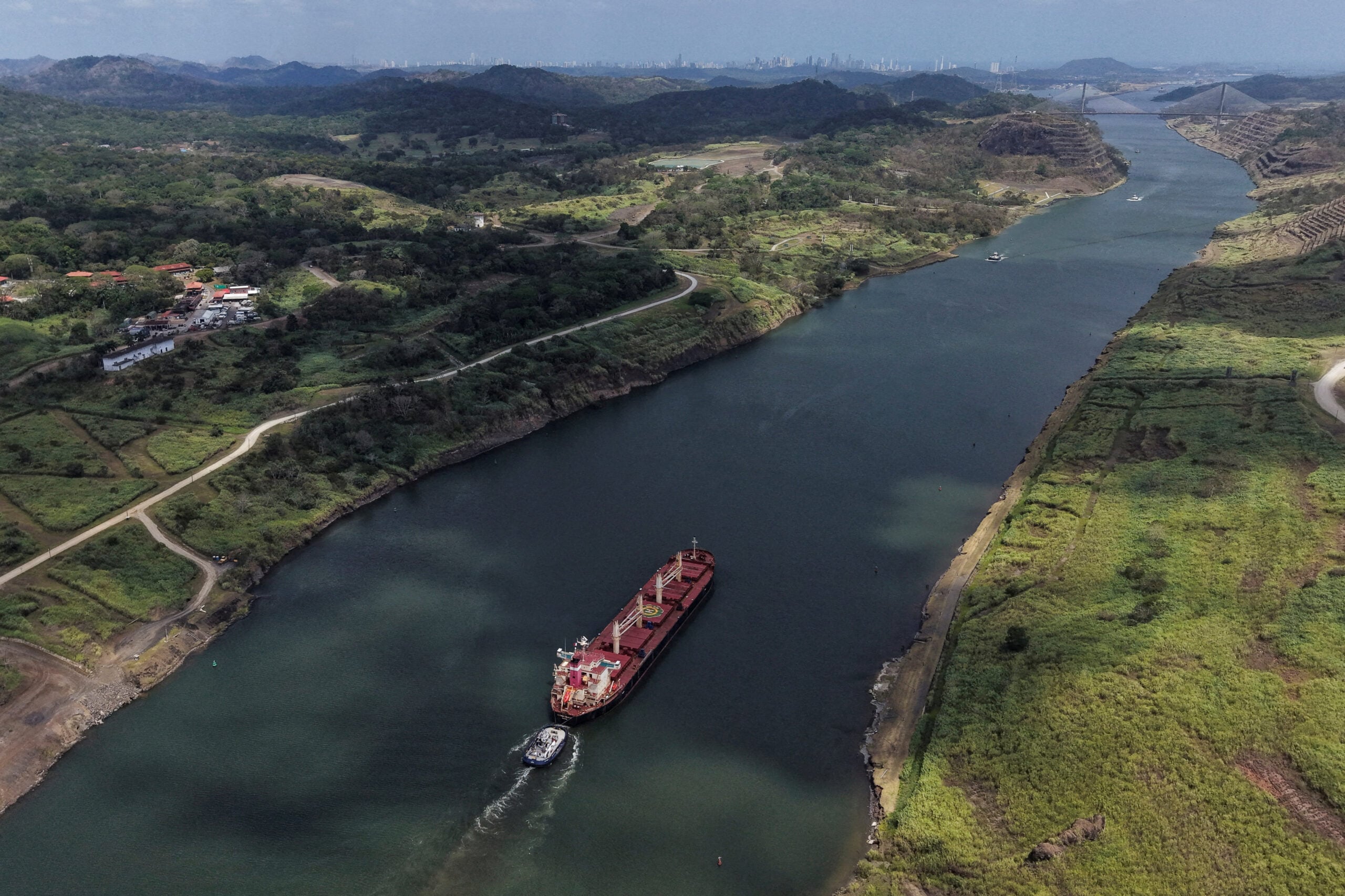
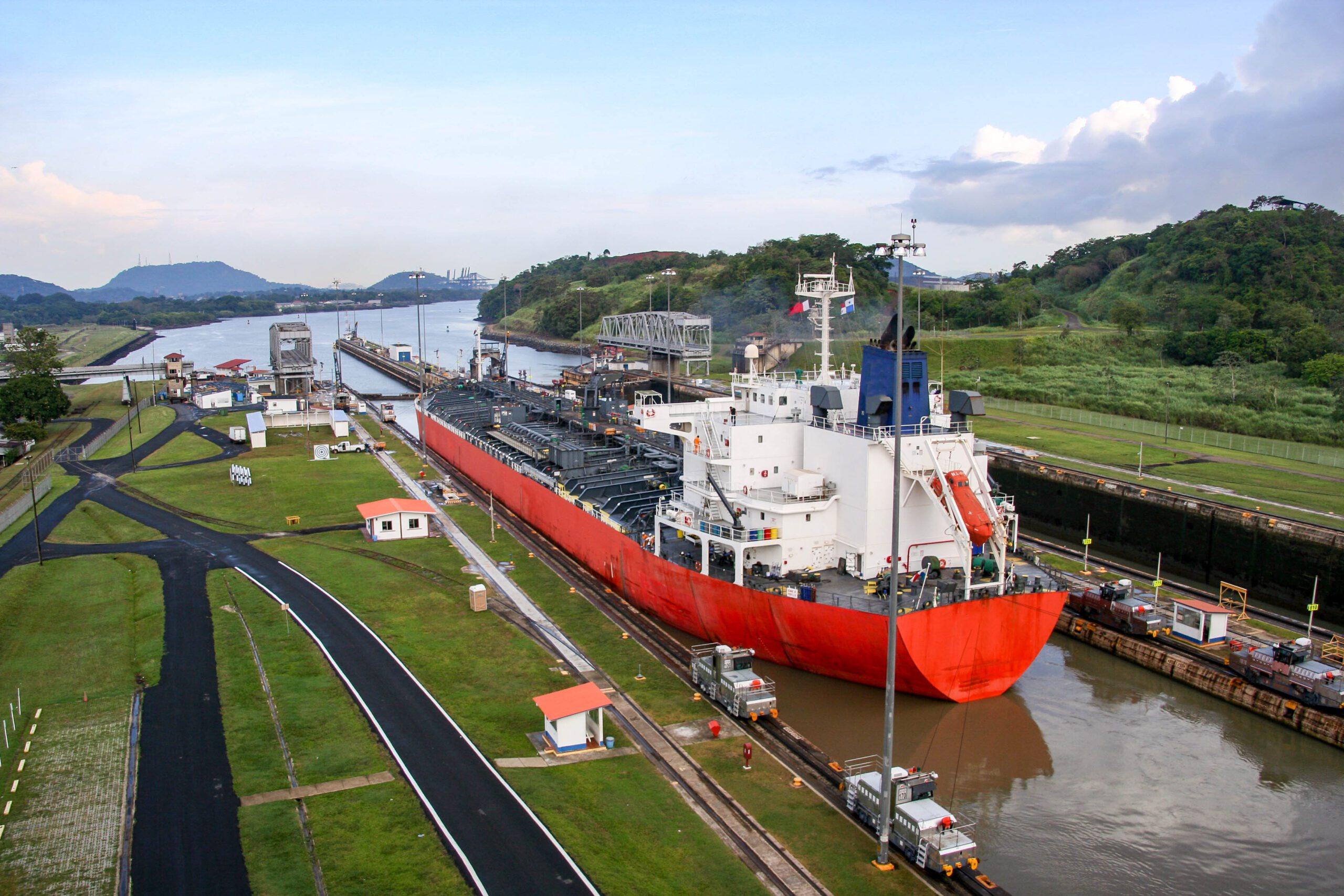
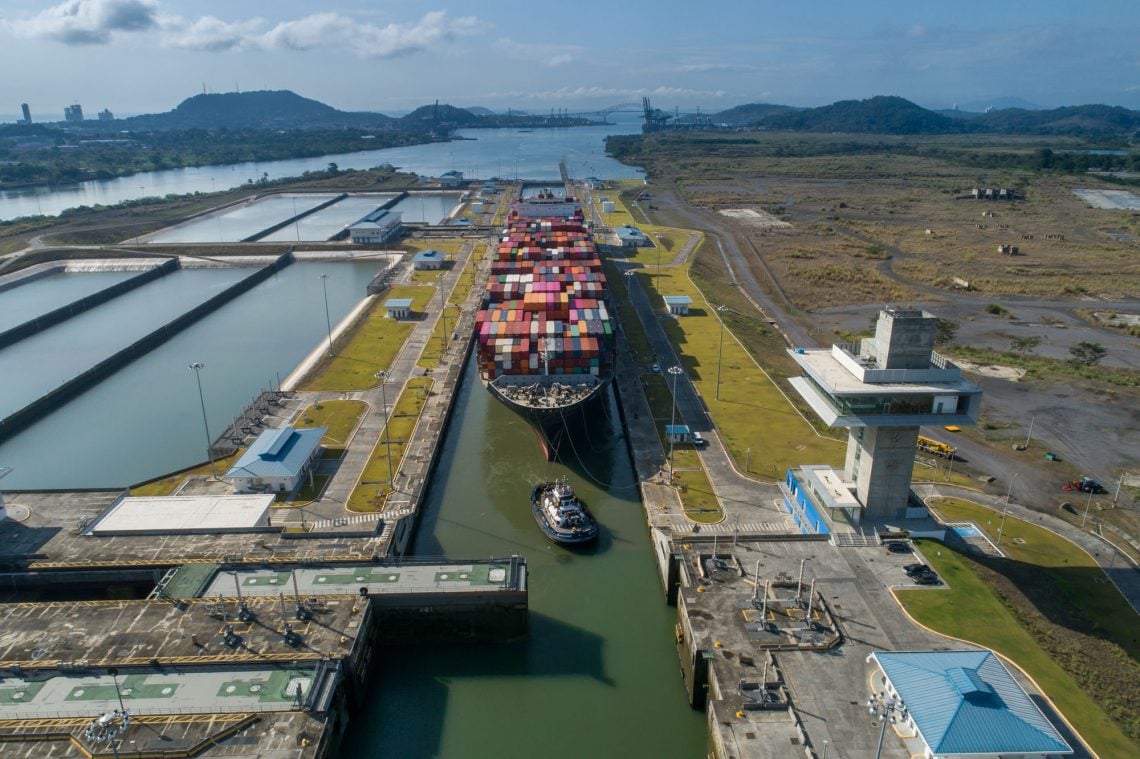
Sparse rainfall linked to El Niño lowered water levels in the Panama Canal, prompting authorities to restrict crossings. Middle East disruptions have also prompted some operators shipping goods from South America and West Africa to Asia to avoid the region and likely reroute through the Strait of Magellan, Bloomberg Intelligence analyst Kenneth Loh said.
“The drought in Central America has certainly been the primary culprit,” he said. “That has also compelled many shipowners and operators to pay extraordinarily hefty fees to skip queues. For ships that wish to avoid these transit restrictions, long queues or high fees, rerouting via Magellan presents a natural alternative.”
The shifts highlight how climate and geopolitical disruptions at major maritime chokepoints are reshaping global trade routes and increasing the importance of alternatives. While sailing through the Strait of Magellan adds distance and fuel costs, its toll-free passage offers shipowners another option when constraints elsewhere drive up delays and transit costs.
The surge in traffic, which began in July, also coincided with the winter season, when heavy snowfall in the Andes slowed truck traffic between Chile and Argentina, according to the latest available data from the Punta Arenas Maritime Governor’s Office, part of the Chilean Navy. The upward trend is expected to continue in the coming months as the cruise season gets underway, it said.
The increase was detected among vessels of between 60,000 and 65,000 gross register tons, or GRT, though the Navy did not provide details on the types of vessels involved. The data are based on local pilotage statistics for 2025 and 2026, covering Jan. 1, 2025 through Sept. 24, 2026.
© 2026 Bloomberg L.P.

 Join The Club