
 Join The Club



News
How the Houthis are Helping Iran Turn Saudi Arabia Into a Pressure Point
The Houthi attacks on Saudi Arabia are about more than Yemen.

FILE PHOTO: EU European Commission Vice-President Kaja Kallas delivers a joint statement with Philippines Foreign Secretary Theresa Lazaro (not pictured) on the Enhanced Partnership between the Philippines and the European Union, on the sidelines of the ASEAN Foreign Ministers' Meeting at the Philippine International Convention Center on July 24, 2026 in Pasay, Metro Manila, Philippines. Ezra Acayan/Pool via REUTERS/File Photo
(Bloomberg) — Two countries signaled interest in sending ships to counter Houthi strikes in the Red Sea, top European Union diplomat Kaja Kallas said.
Kallas has been pressing countries to commit additional resources to an EU Red Sea mission, dubbed Operation Aspides, meant to protect commercial ships from the Iran-backed Houthi militia. Mounting Houthi attacks have left the mission unable to fully function, she argued.
“We need more vessels because literally there are commercial ships that are waiting in the queue to receive the escort, and we don’t have enough frigates that can do that,” she said Monday following a meeting of EU defense ministers in Brussels.
During the meeting, she said, “two countries were hinting today that they might provide additional vessels,” without naming the countries.
The interest indicates that EU countries may be coming around on the possibility of bolstering the bloc’s Red Sea mission. Already, France has sent an additional frigate and called on others to do the same. But the pleas are coming up against a long-standing reluctance to get more involved in events linked to the Iran war.
The topic has become a pressing issue for the EU after the Houthis made advances in Yemen and started targeting Saudi Arabia’s energy infrastructure. The attacks have created fears about further disruptions to fuel supplies, which are already tight due to the Iran war. France said it would send troops and radar systems, while the UK offered aircraft for support.
But thus far, EU countries have declined to reinforce Aspides. Kallas on Monday suggested they could do that with resources already committed — but not yet deployed — for a potential “coalition of the willing” mission in the Strait of Hormuz that has yet to materialize.
“There are many ships that have also been offered to this coalition of the willing that is not really operational at the moment,” she said.
European powers like France and the UK brought together that coalition in April, pleding to help protect Hormuz shipping routes. The mission has yet to come together, however, with some countries insisting the fighting must first stop or Iran must give permission — conditions Gulf states have criticized as impossible to meet.
The Houthi strikes have now restarted the debate.
The prospect of sending ships to the Red Sea may be more palatable to EU members, given the Aspides mission already operates there and has a mandate to combat Houthi threats. Keeping vessels in the Red Sea would also help Europe avoid direct conflict with Iran.
In a recent interview with Journal du Dimanche, French Defense Minister Catherine Vautrin called on other countries to help bolster the mission.
Kallas similarly implored countries last week to commit more resources to Aspides, which started in 2024 and consists primarily of three ships from Italy and Greece patrolling the Red Sea. Kallas said that upon creation, it was indicated the mission needed at least 10 ships. Most countries have not been quick to help meet that target.
The Houthi attacks have left Europe particularly concerned about yet another energy shock. The Iran war has already elevated the continent’s high energy prices and pushed up inflation, causing the European Central Bank to raise borrowing costs twice. Meanwhile, consumer-price gains breached 3% in August — an almost three-year high that’s unlikely to recede much in the months ahead.
© 2026 Bloomberg L.P.

Sign up for gCaptain’s newsletter and never miss an update
Essential maritime and offshore news, insights, and updates delivered daily straight to your inbox
The Houthi attacks on Saudi Arabia are about more than Yemen.
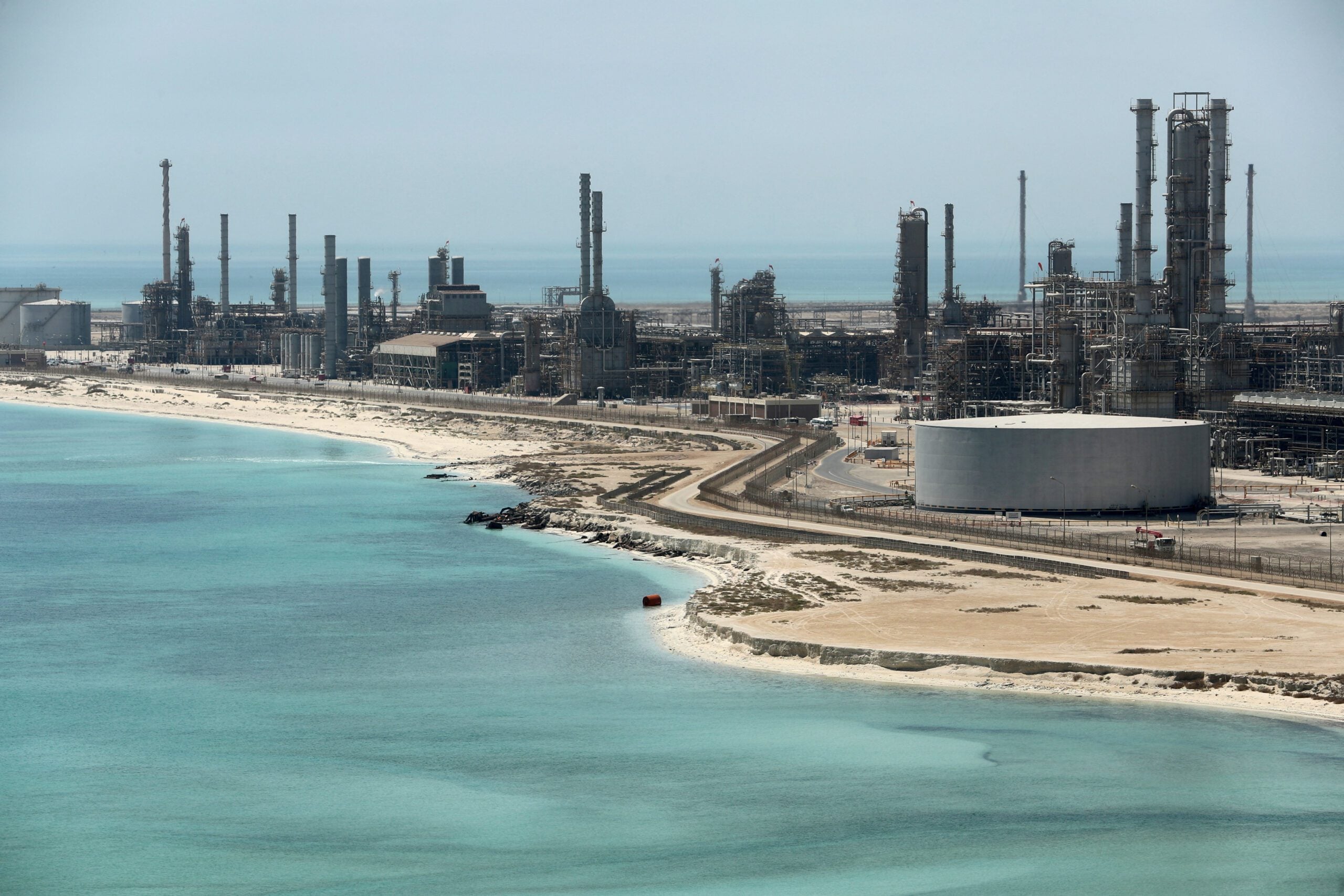
Yemen's Houthis vowed on Wednesday to press on with attacks on airports and oil facilities in Saudi Arabia, a day after a strike that sources said caused extensive damage to the headquarters of oil giant Saudi Aramco2223.SE.

Yemen's Houthis attacked Aden's international airport with ballistic missiles and explosive-laden drones on Wednesday, the country's Transport Ministry said, as fighting between the Iran-aligned group and Saudi-backed government forces intensified.
Subscribe to gCaptain Daily and stay informed with the latest global maritime and offshore news



Essential news coupled with the finest maritime content sourced from across the globe.
Sign Up
