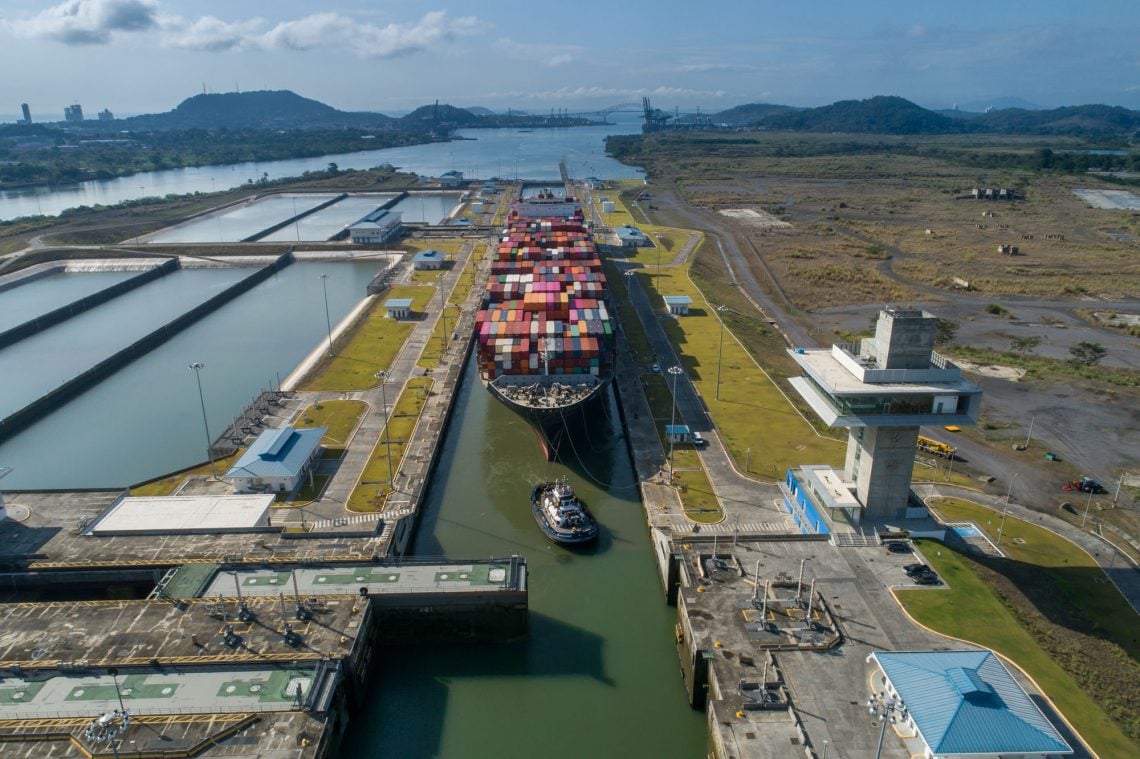
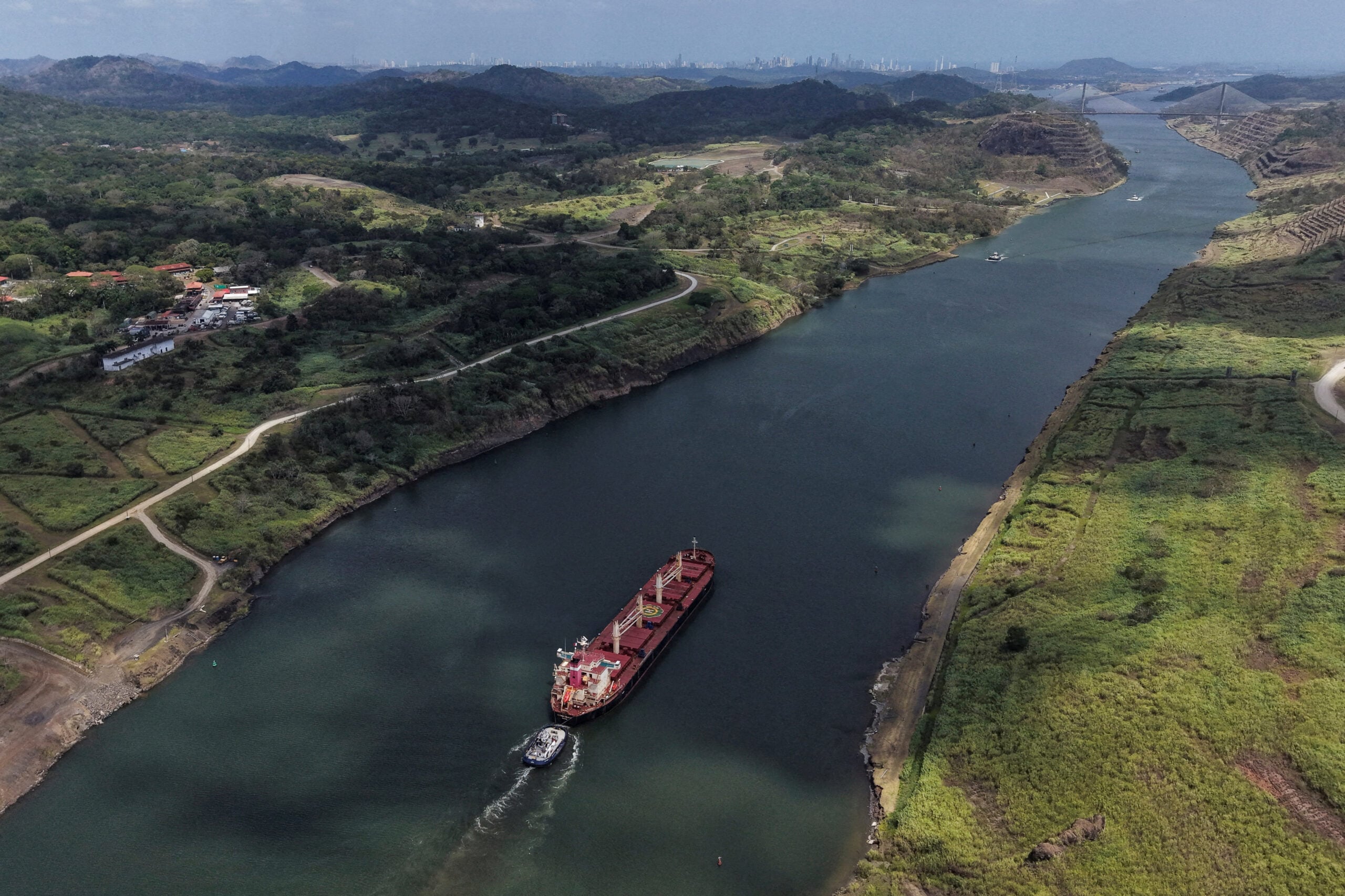
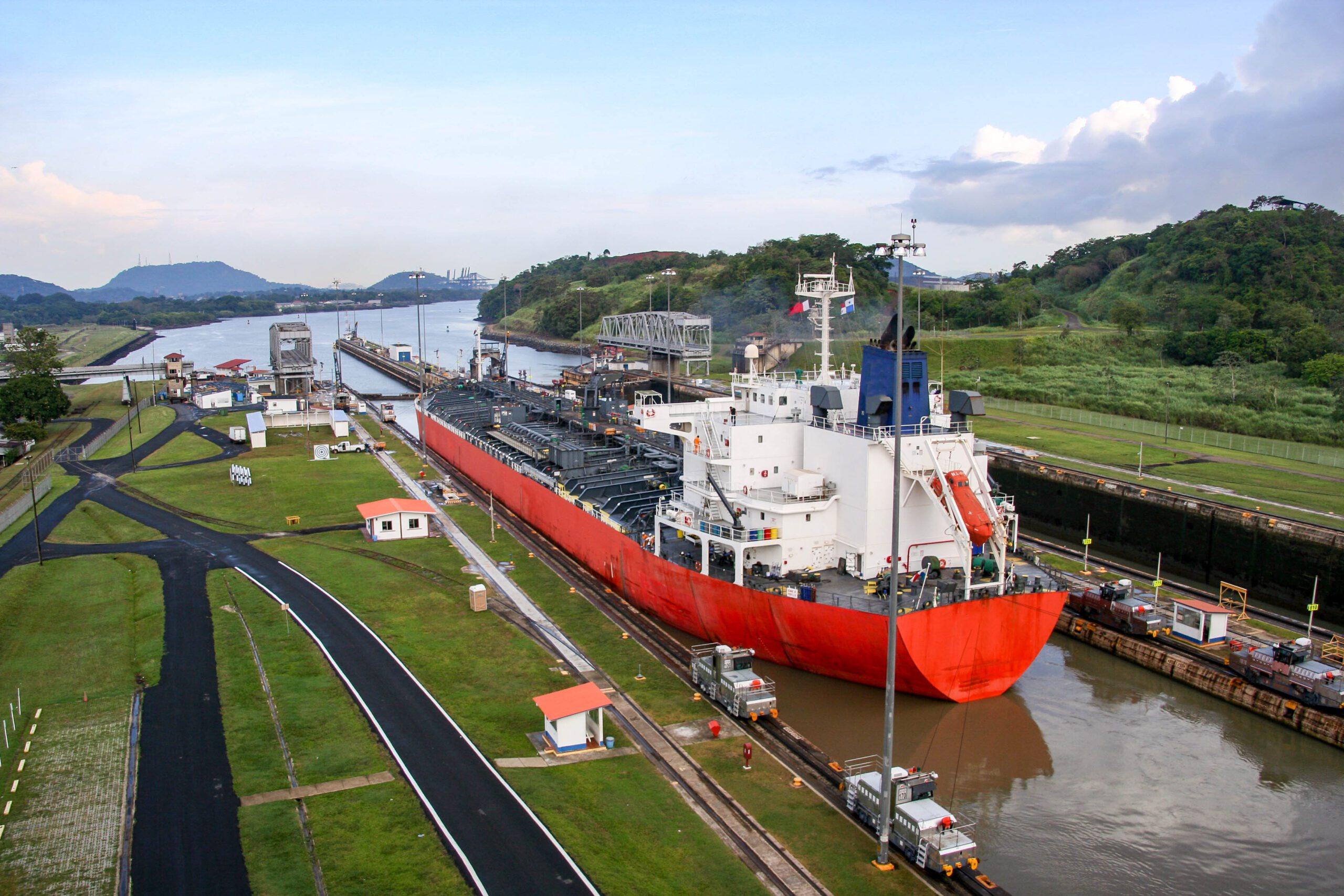
The Panama Canal has postponed a planned reduction in the maximum draft for vessels using its Neopanamax locks, offering some near-term relief for ship operators even as the waterway continues to manage capacity amid concerns over a strengthening El Niño.
The Panama Canal Authority (ACP) said Friday it will maintain the current maximum authorized draft of 48 feet (14.63 meters) Tropical Fresh Water for Neopanamax vessels.
A further reduction to 47.5 feet (14.48 meters), which had been scheduled to take effect October 1, has now been postponed following the canal’s latest review of Gatun Lake levels and weather forecasts.
The decision marks another adjustment to a series of restrictions announced over the summer as lower-than-expected rainfall raised concerns about freshwater availability.
“Keeping the current draft in place gives customers greater continuity for voyage planning and vessel deployment,” the canal said, adding that it will continue evaluating water conditions and provide advance notice of any future changes.
The canal progressively lowered its maximum Neopanamax draft earlier this summer from 49.5 feet to 49 feet and then 48.5 feet as Gatun Lake levels declined. The 48-foot restriction, initially scheduled for August 26, was later delayed until September 2, while the planned move to 47.5 feet was pushed from September 3 to October 1.
That October reduction has now been put on hold altogether.
The improved near-term draft outlook does not mean the canal is out of the woods.
The ACP has already moved ahead with separate reductions in daily transit capacity after rainfall across the canal watershed fell short of expectations. Neopanamax capacity was reduced to nine daily slots beginning September 3, while Panamax capacity was set at 25 slots and is scheduled to fall to 23 on September 15.
The combination reflects the balancing act facing canal officials: preserving enough freshwater to maintain reliable operations over the coming months while accommodating strong shipping demand.
Canal Administrator Ricaurte Vásquez recently warned that the developing El Niño could bring an extended period of unusually low rainfall. “What we see in the future is a very, very low level of precipitation,” Vásquez told gCaptain in August. “We have to look at how long this event is going to last. We anticipate that it’s going to last about eight months.”
The water outlook has deteriorated considerably since earlier this year, when canal officials said they expected to maintain relatively normal operations through December.
Traffic has also been running at elevated levels amid disruptions elsewhere in global shipping. Before the Iran War, the Panama Canal was handling roughly 34 vessel transits per day, including about seven tankers. The conflict pushed traffic as high as 40 to 41 vessels per day as more ships were routed through Panama.
That additional demand has increased competition for reservations and last-minute auction slots, particularly among energy carriers.
Canal officials have repeatedly urged operators to book in advance rather than arrive without reservations. Vessels without appointments were recently facing average waits of about 8.5 days, compared with backlogs reaching 154 ships and waits of as long as 21 days during the severe 2023-24 drought.
The ACP has introduced a number of water-saving measures since that drought, including greater use of the Neopanamax locks’ water-saving basins, simultaneous lockages for smaller vessels, use of interior lock gates and reduced hydroelectric generation at Gatun Dam.
The canal is also moving forward with its proposed $1.6 billion Río Indio Reservoir Project, which is intended to provide an additional source of freshwater and improve the waterway’s resilience during future droughts.
For now, however, the decision to keep the Neopanamax draft at 48 feet gives operators some breathing room heading into the final months of the year.
The canal said it will continue monitoring Gatun Lake and weather conditions and could announce additional draft adjustments as conditions evolve.

 Join The Club