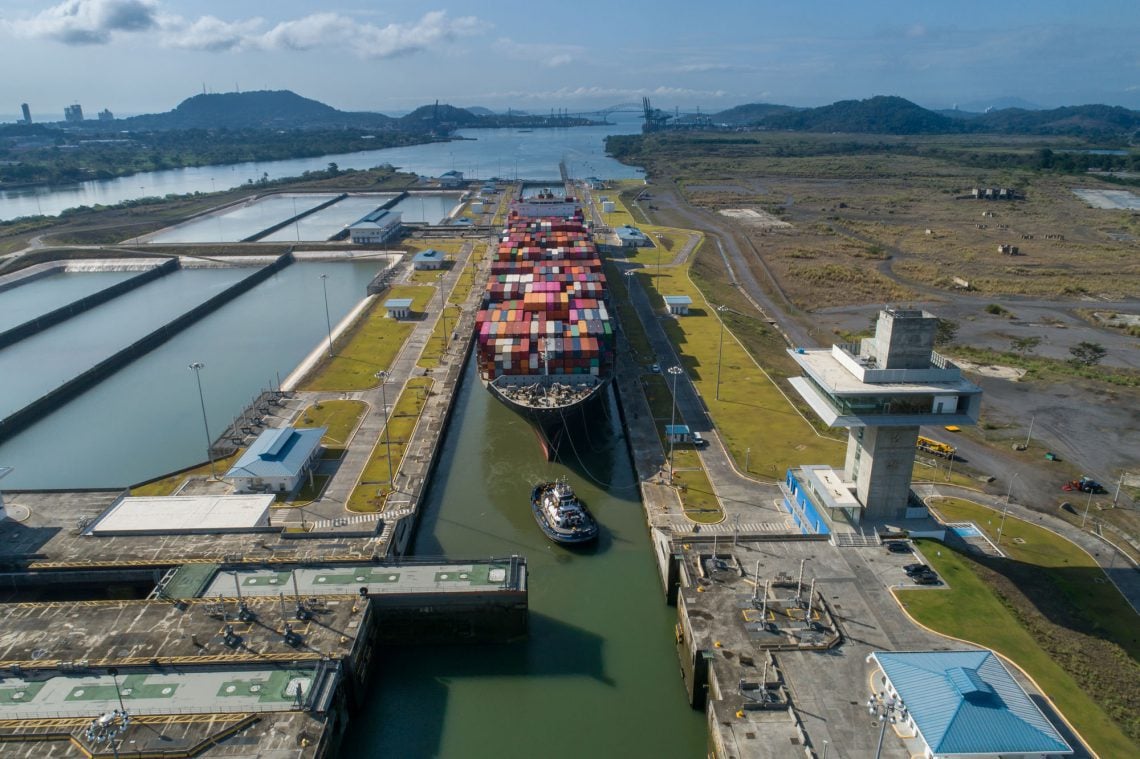
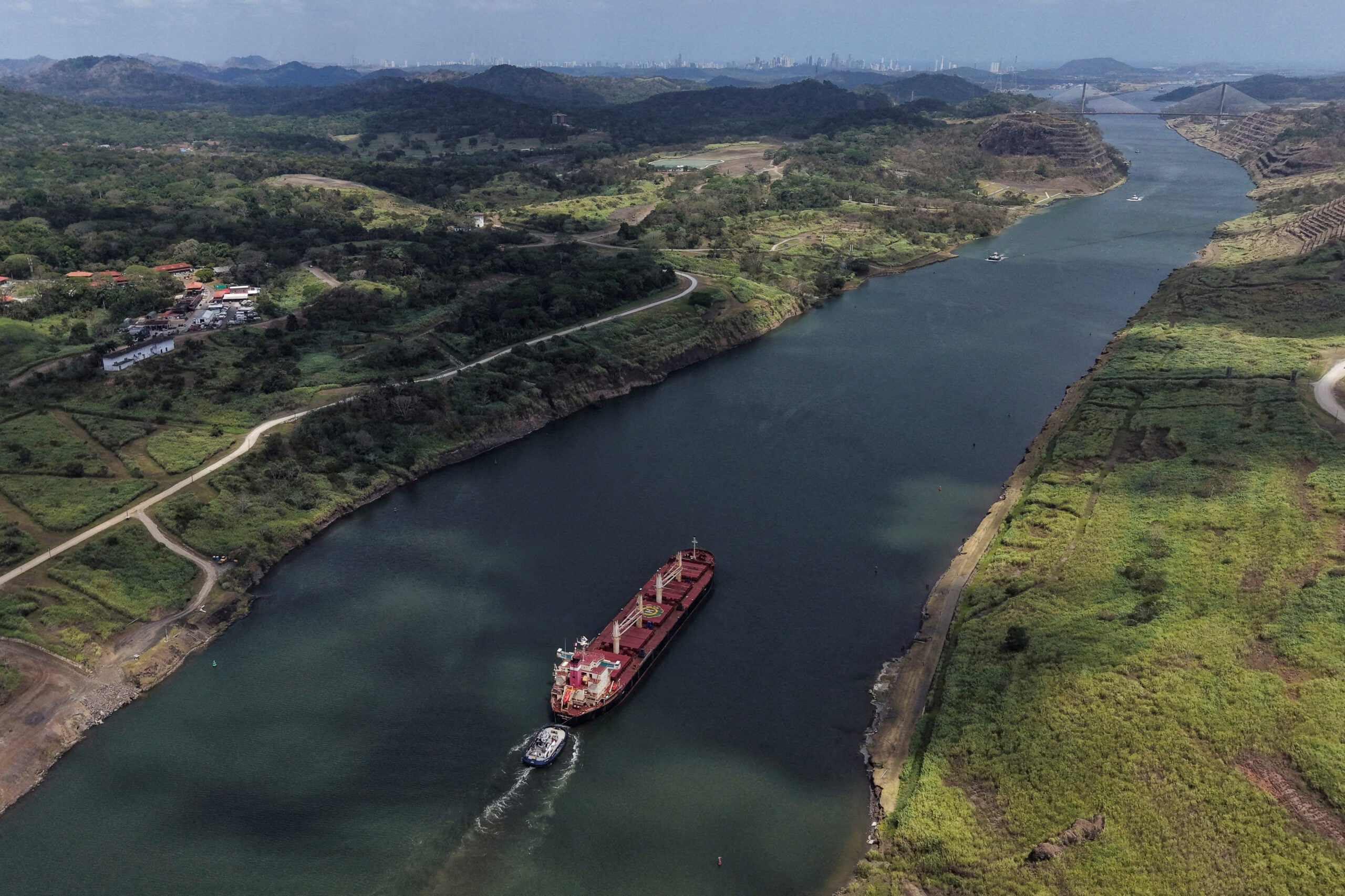
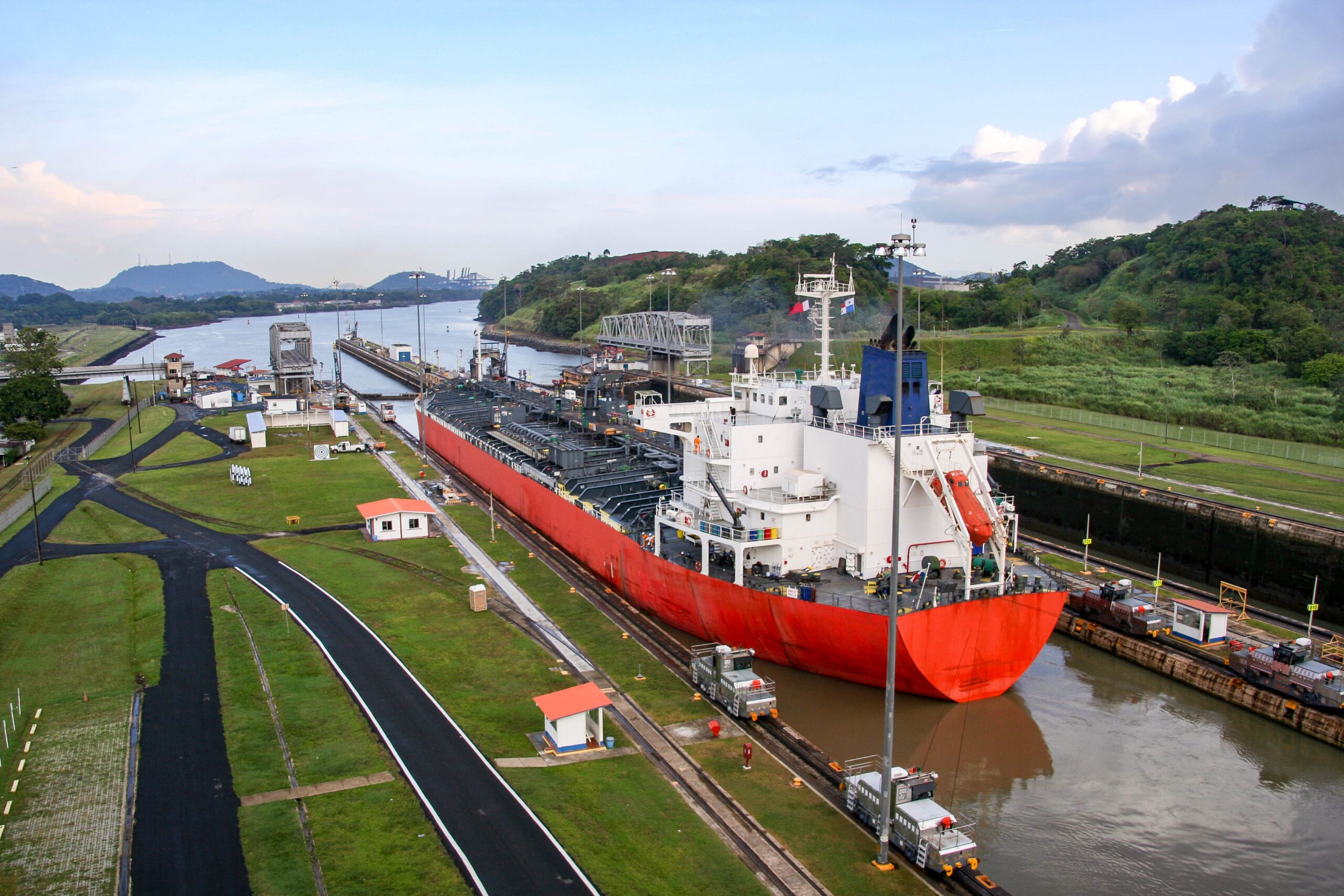
The Panama Canal reported growth in vessel traffic, tonnage and revenue in fiscal year 2026, as stronger demand from energy carriers and containerships helped lift volumes despite ongoing concerns over water availability.
The waterway handled 13,951 vessel transits during the fiscal year ended September 30, up 4.1% from 13,404 the previous year, according to results released Wednesday by the Panama Canal Authority.
Total tonnage climbed 6.5% to 521 million Panama Canal Universal Measurement System (PC/UMS) tons, compared with 489.2 million tons in fiscal 2025.
Larger vessels continued to drive much of the growth. Ships using the canal’s Neopanamax locks accounted for 52.2% of total tonnage, with volumes through those locks increasing 8.2% year over year.
The canal attributed the gains to stronger demand from energy shipping segments, solid containership performance and shifting international trade patterns.
Financial results were even stronger, with total revenue reaching approximately $6.6 billion, up 16.6% from the previous year. The figures remain unaudited.
The results come as the canal continues to balance growing shipping demand with water conservation measures designed to protect operations during the developing El Niño weather pattern.
Despite the challenges, the canal maintained a maximum authorized draft of 50 feet throughout the fiscal year’s dry season, providing relatively stable operating conditions for shipping customers.
“Far from restricting trade flows, the Panama Canal facilitates international maritime trade by providing its customers with a reliable and safe route,” Panama Canal Administrator Ilya Espino de Marotta said during a conference call hosted by Bank of America Merrill Lynch.
The canal also announced Wednesday that it was immediately reinstating its Last-Minute Reservation service for vessels using the Panamax locks.
The service allows vessels without existing reservations to secure a transit slot when one becomes available, although the canal retains discretion over whether to offer the additional capacity.
The decision follows improvements in watershed conditions, with recent rainfall approaching average levels and water-saving measures helping conserve supplies.
It marks another adjustment to operations following restrictions imposed earlier this year in response to below-normal rainfall. The canal recently increased daily booking capacity to 33 slots, including 10 Neopanamax slots, effective October 15.
However, water availability remains a concern. The canal has warned that a continuing water deficit could require further operational adjustments, particularly if El Niño conditions intensify.
During Wednesday’s call, canal executives also discussed longer-term infrastructure investments, including the proposed Río Indio Lake Project, a central component of the canal’s strategy to secure freshwater supplies for future operations.
The project is part of the canal’s broader Vision 2025–2035 development plan, aimed at strengthening the waterway’s resilience and maintaining its competitiveness as global shipping patterns evolve.
For now, the latest results show that the Panama Canal continues to attract growing volumes of shipping traffic, even as water management remains one of its biggest operational challenges.

 Join The Club