By Salma El Wardany
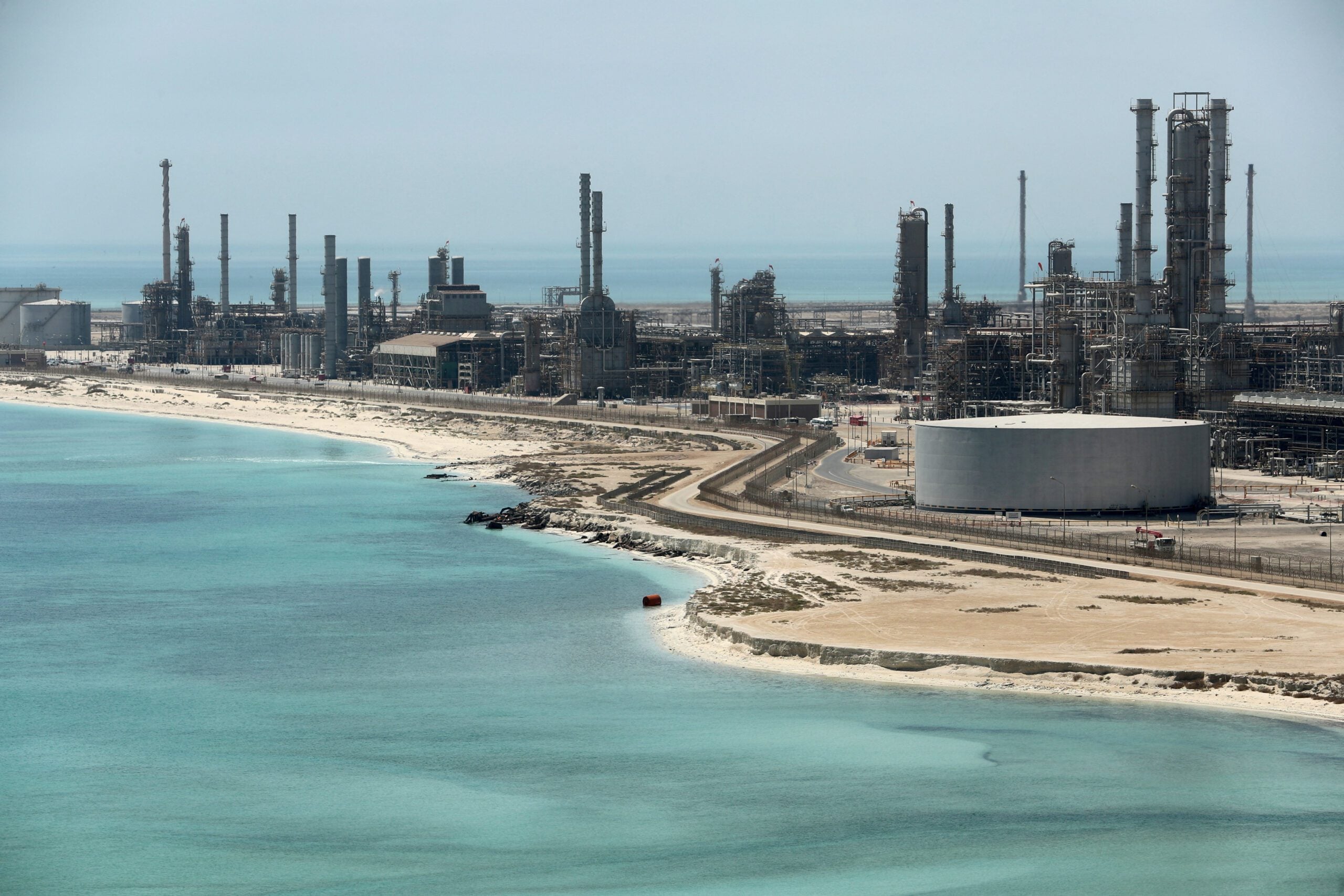
Oct 22, 2026 (Bloomberg) –Saudi Arabia is in talks with foreign governments to give state-owned Aramco access to their strategic oil storage, as the kingdom seeks to make its supplies to customers more resilient during disruptions, Chief Executive Officer Amin Nasser said.
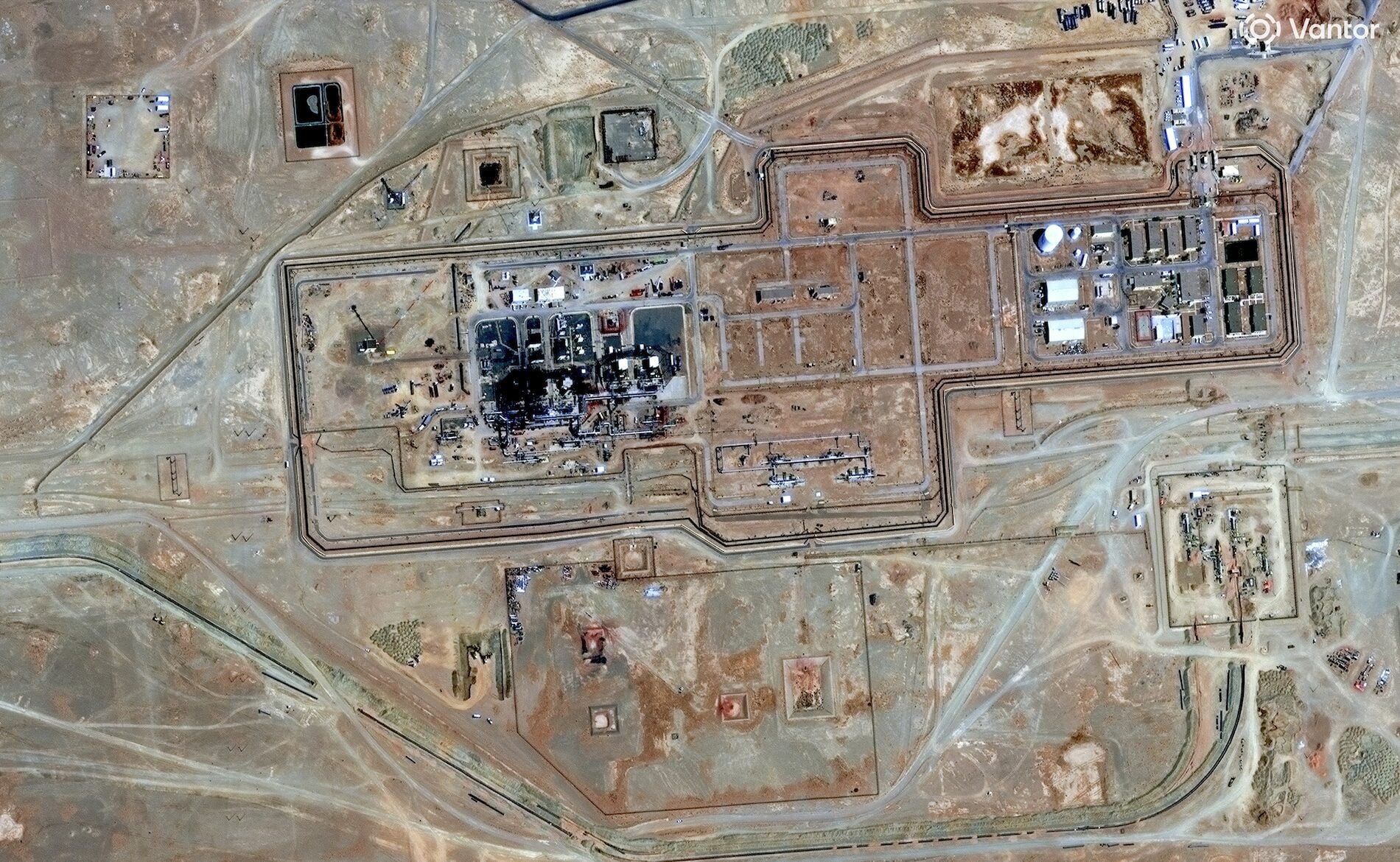
The move follows a flurry of attacks by Yemen’s Houthis on key Saudi infrastructure, including drone strikes that shut down its most important pipeline for several days in September. On Wednesday, attacks on Aramco’s Shaybah oil field and Dammam airport each killed two people, according to Saudi authorities.
Brent crude climbed above $112 a barrel on Thursday as the violence heightened concerns about further disruptions to Saudi supplies.
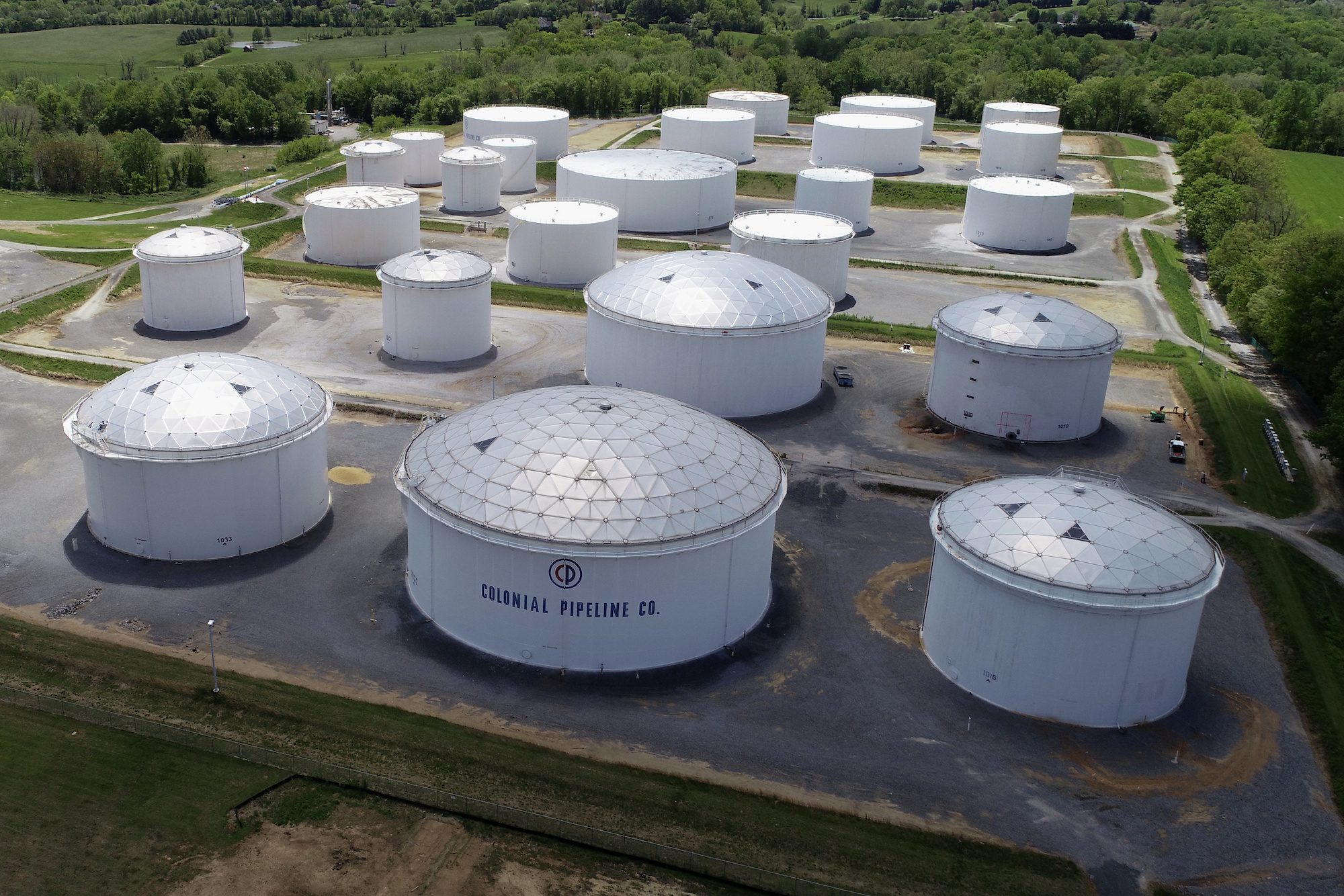
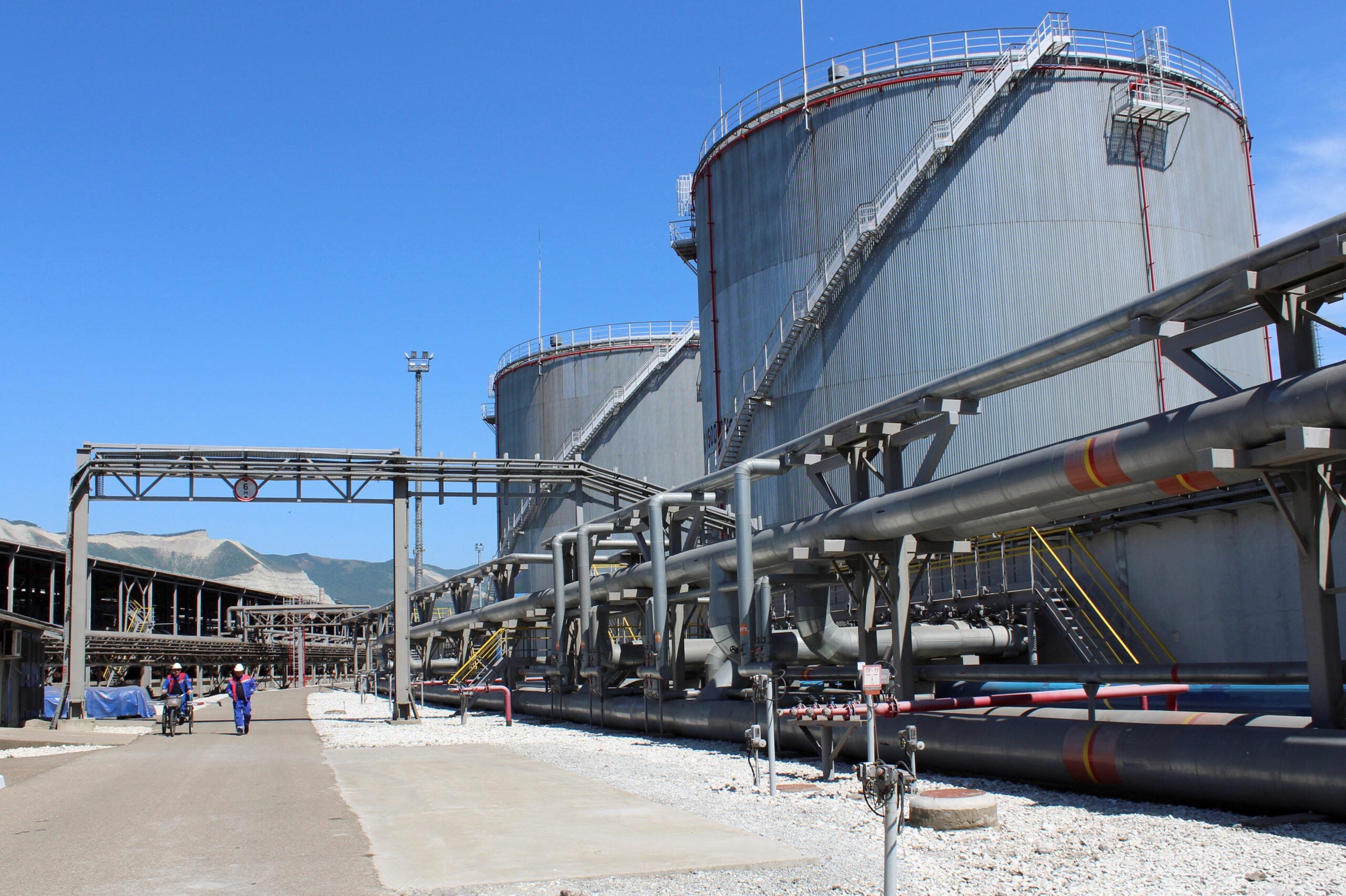
“Commercial storage available through partners is limited. The larger capacity lies in what we call strategic storage owned by governments,” Nasser said in an interview with Al Arabiya on Thursday. “The Ministry of Energy is working with its counterparts in other countries to make strategic storage available for Aramco.”
The company already holds commercial oil storage in South Korea, Japan, the Netherlands and Egypt’s Mediterranean export hub of Sidi Kerir. “We have maintained these overseas inventories for many years, but we are working to expand them, particularly in Asia,” Nasser said.
Aramco wants to double its overseas capacity, Nasser said, without giving a timetable for the expansion or disclosing current capacity.
The push forms part of a broader effort to reinforce Saudi Arabia’s infrastructure and export options during the regional crisis. Aramco currently has three main export corridors — the Strait of Hormuz, the Red Sea and Bab el-Mandeb, and Sidi Kerir on the Mediterranean.
The conflict prompted the company to begin engineering studies to increase its capacity to move crude from the Persian Gulf in the east to the Red Sea in the west to 10 million barrels a day from 7 million, alongside work on other routes, Nasser said.
“We did not wait for the crisis to end,” Nasser said. Building resilience requires “decades of investment and preparation.”
© 2026 Bloomberg L.P.

 Join The Club