By Weilun Soon
Nov 25, 2026 (Bloomberg) –A record three-quarters of the global fleet of large tankers designed to transport oil products are tapping higher earnings to ship crude, keeping the cost to move fuels elevated.
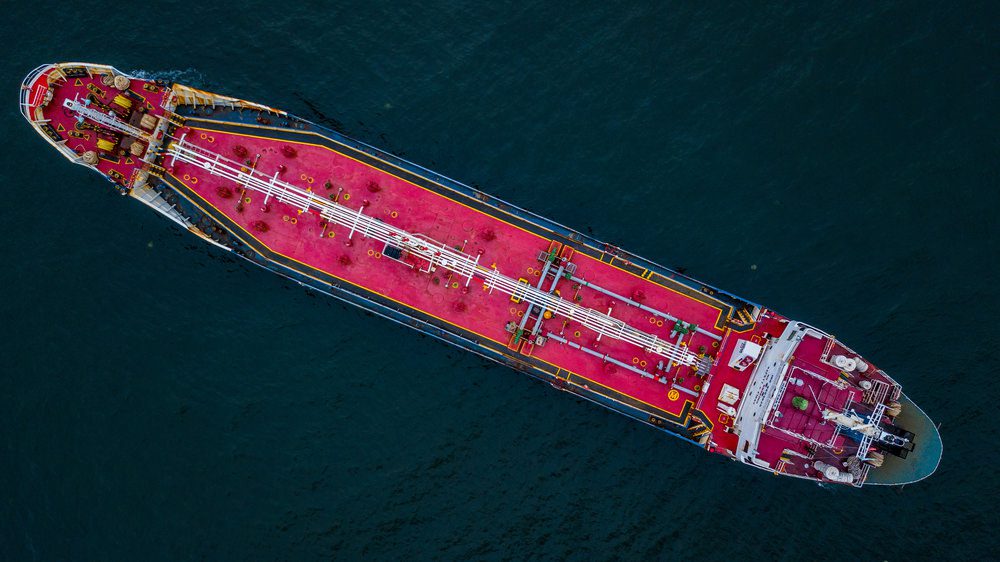
Less than a quarter of the world’s 542 long-range 2, or LR2, tankers are currently transporting “clean” cargoes such as jet fuel, naphtha and diesel as of this week, according to Signal Ocean data. The vessels have cargo holds that are coated to transport refined fuels, and have to undergo an expensive cleaning process to return to the trade once they ship “dirty” crude oil.
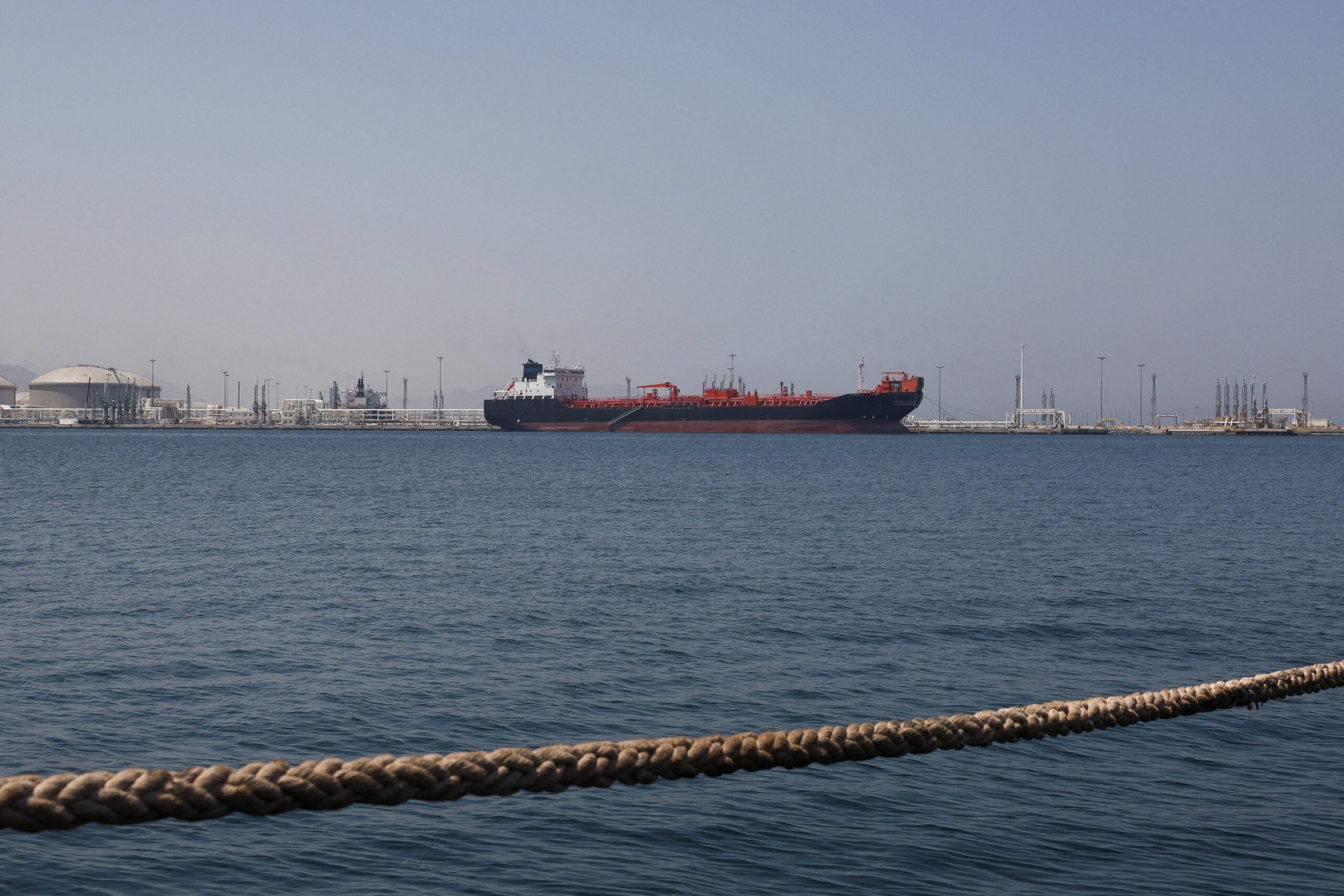
The shift in use of the LR2 fleet comes as crude flows recover through the Strait of Hormuz. A system of shuttling tankers and ship-to-ship transfers has helped exports from the Persian Gulf recover to pre-war levels, boosting freight rates and prompting charterers to tap smaller vessels to meet demand.
Benchmark earnings for very-large crude carriers have soared, in turn enabling smaller-sized tankers — including Aframaxes, which are the crude-focused equivalent of LR2s, able to hold about 750,000 barrels — to command far higher fees. And an LR2 that dirties up can charge Aframax earnings.
Shipping executives often look at how many LR2s are switching to plan on how much they can charge, and how they should deploy their tankers around the world. Even though the LR2 fleet has grown 12% since January last year and clean-fuel shipments have fallen due to the US-Iran war, the increased switching to crude has helped put a floor underneath the fees they can command to carry oil products.
“Tracking LR2 employment between clean and dirty trades is becoming as important as monitoring the size of the fleet itself,” Signal analysts Maria Bertzeletou and Georgios Sakellariou said.
The switching of LR2s started last year as traders sought to store more crude on vessels at sea, but accelerated in the initial phase of the Iran War from the end of February, when refineries in the Middle East were attacked by the Islamic Republic — reducing the need for clean tankers, Sakellariou said.
Read More: Oil Tankers Get ‘Dirty’ Ditching Fuels for Crude as Rates Boom
A lot of the processing plants in the region remain unavailable, reducing the need for products tankers. About 1.7 million out of the more than 9 million barrels a day of refining capacity is currently offline in the Middle East, RBC Capital Markets analysts including Christopher Louney and Helima Croft wrote in a note this week. Around 1 million barrels a day of that potentially needs months to repair, they said.
Charterers are turning to smaller product tankers, with the share of LR2s in transporting fuels falling to just 12% between July and September, from almost 18% a year earlier, Signal data show. Meanwhile, a benchmark freight index reflecting daily LR2 earnings from the Mediterranean to Asia increased more than five-fold, while another from the Middle East to Europe jumped more than 10-fold in the year through end-September.
© 2026 Bloomberg L.P.

 Join The Club