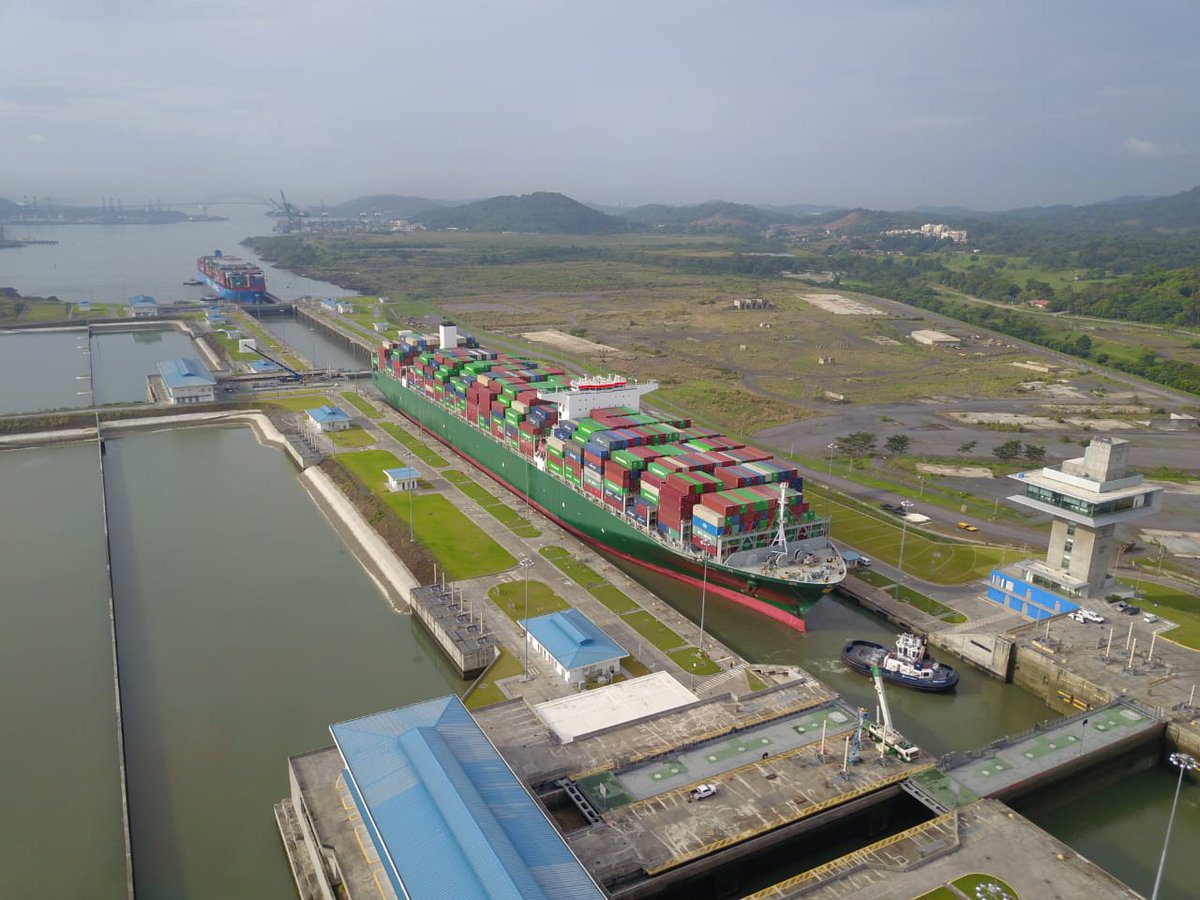
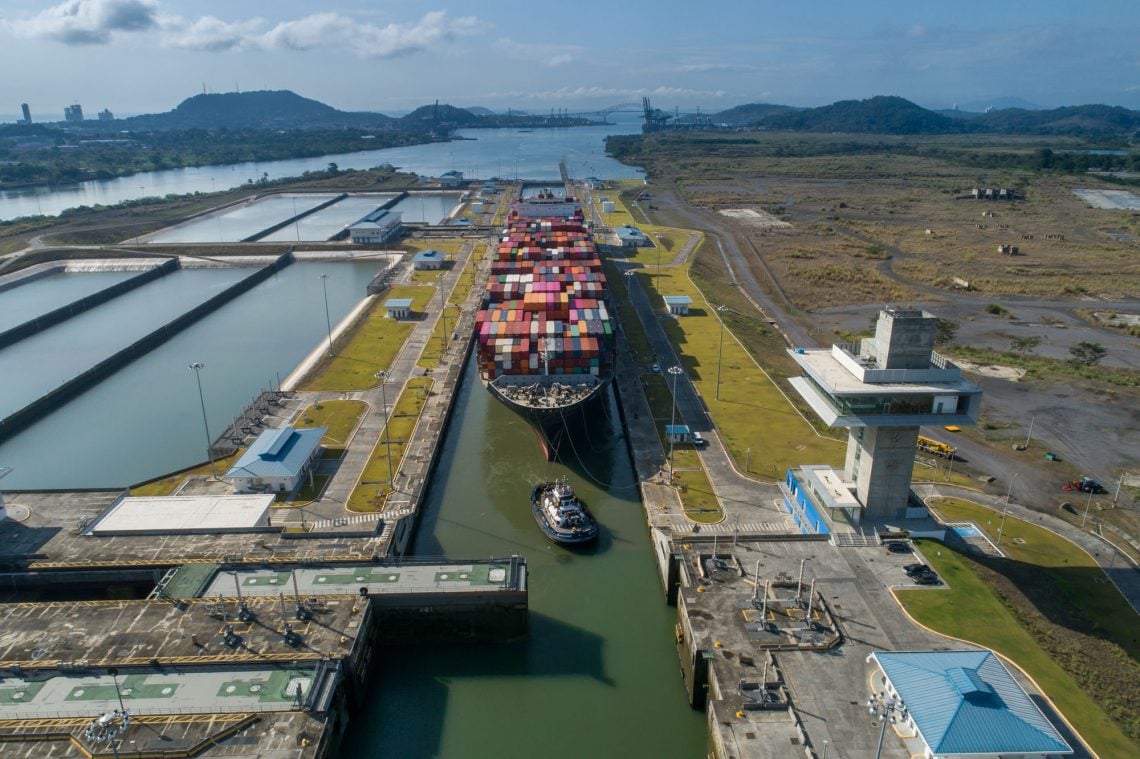
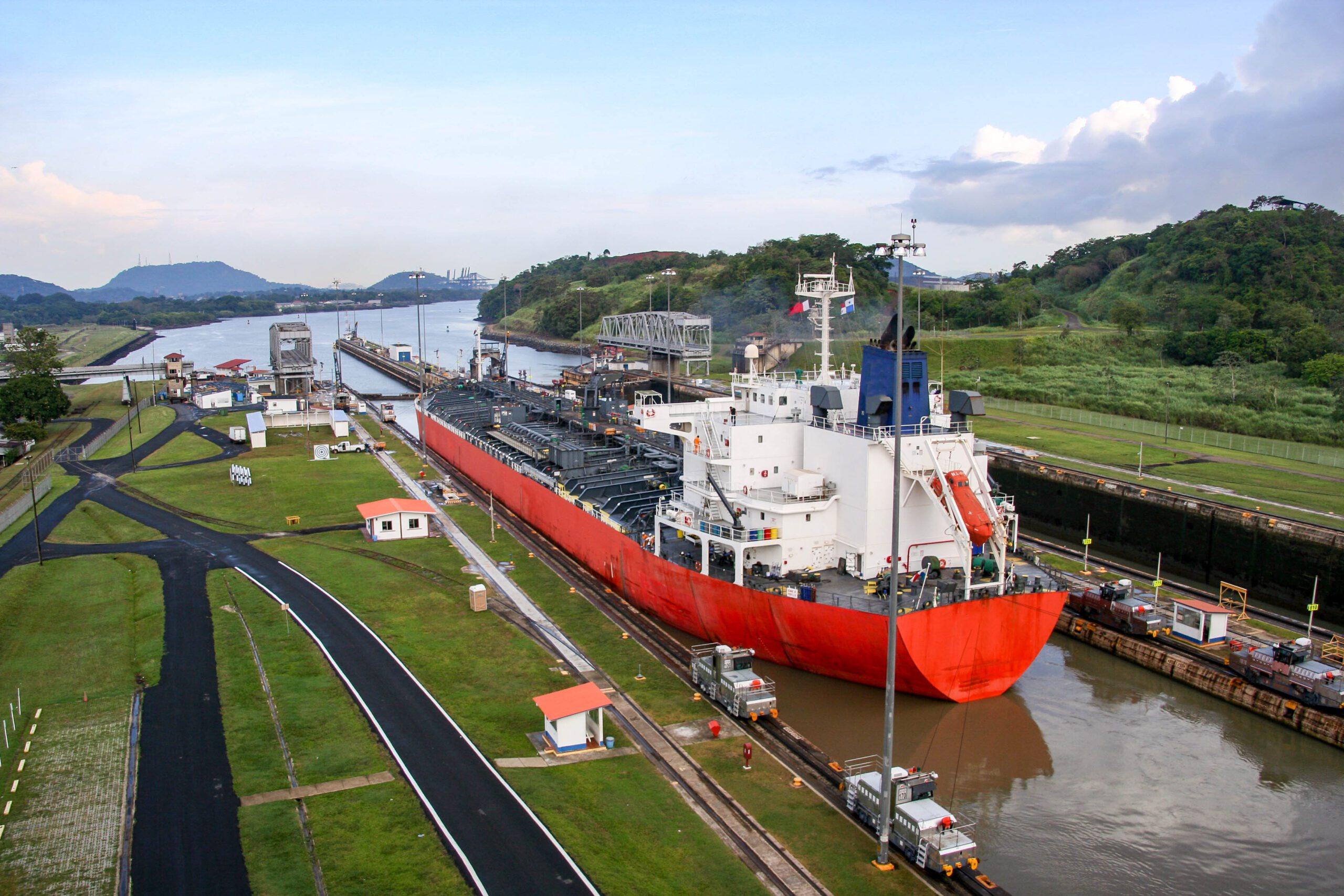
The Panama Canal Authority (ACP) will impose another round of draft restrictions for vessels transiting its Neopanamax locks later this month as water levels in Gatun Lake continue to decline amid a strengthening El Niño.
In a shipping advisory issued Thursday, the ACP said the maximum authorized draft will be reduced to 48.0 feet (14.63 meters) effective August 26, followed by a further reduction to 47.5 feet (14.48 meters) beginning September 3.
The latest changes follow earlier reductions this summer that lowered the maximum draft from 49.5 feet in early July to 49.0 feet on July 24, and then to 48.5 feet effective August 15.
Despite the tighter draft limits, the ACP said the adjustments will not affect the number of daily vessel transits. Instead, the measures are part of the canal’s ongoing water management strategy designed to preserve freshwater resources while maintaining reliable operations through the 2026 dry season.
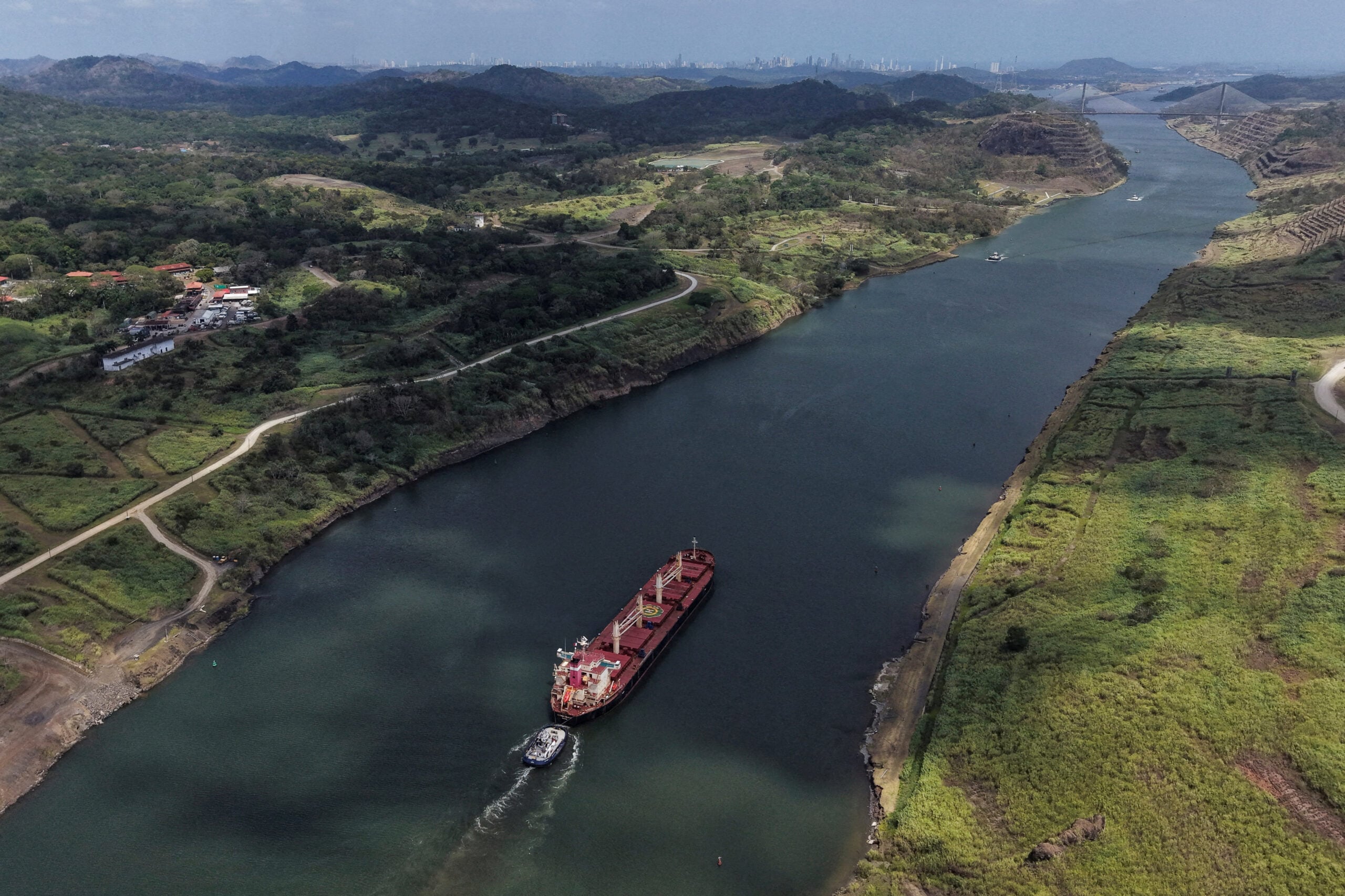
The authority said the latest reductions are based on current and projected water levels in Gatun Lake, the freshwater reservoir that supplies the canal’s lock system. Every transit through the Panama Canal consumes millions of gallons of freshwater, making water conservation critical during periods of below-average rainfall.
The August and September reductions mark the fourth and fifth draft adjustments announced by the canal authority this year. Officials said the measures reflect operational planning informed by lessons learned during the severe 2023-24 drought, when historically low lake levels forced much deeper draft restrictions and transit reductions that disrupted global shipping and created lengthy vessel backlogs.
Since then, the ACP has introduced a range of water-saving measures, including expanded use of the Neopanamax locks’ water-saving basins, simultaneous lockages for smaller vessels, interior lock gates to reduce water consumption, and reduced hydroelectric generation at Gatun Dam to conserve water.
Canal specialists continue to closely monitor weather conditions and hydrological forecasts, particularly as El Niño strengthens in the tropical Pacific. The authority said it will continue assessing conditions and announce additional operational or water management measures if necessary.
The latest restrictions come as forecasters warn that the current El Niño has the potential to become one of the strongest on record. Earlier this summer, NOAA’s Climate Prediction Center said there is an 81% chance the event reaches “very strong” status by late 2026, raising the risk of below-normal rainfall across Central America and additional pressure on the canal’s watershed.
The new restrictions remain far less severe than those imposed during the historic 2023-24 drought, when exceptionally low water levels in Gatun Lake forced the Panama Canal to slash daily transits and impose much deeper draft restrictions. The resulting vessel backlogs disrupted global supply chains, drove up shipping costs, and prompted many carriers to reroute cargo via the Suez Canal or use rail and truck networks across North America.
While the new draft limits remain significantly less restrictive than those imposed during the 2023-24 drought, they underscore the Panama Canal’s continued reliance on careful water management as climate variability increasingly shapes operations at one of the world’s most important maritime trade routes.

 Join The Club