A strengthening El Niño is on track to become one of the strongest events in the historical record, raising fresh concerns for global shipping just days after the Panama Canal announced additional draft restrictions to conserve water ahead of the expected dry season.
In its latest ENSO Diagnostic Discussion released last Thursday, the U.S. Climate Prediction Center (CPC) said there is now an 81% chance the event will reach “very strong” status during October through December, with a 97% chance it will persist into early spring 2027.
Ocean and atmospheric conditions have continued to strengthen over the past month. The latest weekly Niño 3.4 index reached +1.2°C, while the eastern Pacific warmed to +2.7°C, supported by a downwelling Kelvin wave that has increased subsurface ocean heat. NOAA also reported persistent low-level westerly winds, enhanced convection over the central Pacific and suppressed rainfall over Indonesia—all signatures of a strengthening, fully coupled El Niño.
If realized, the event would rank among the largest El Niño episodes since records began in 1950.
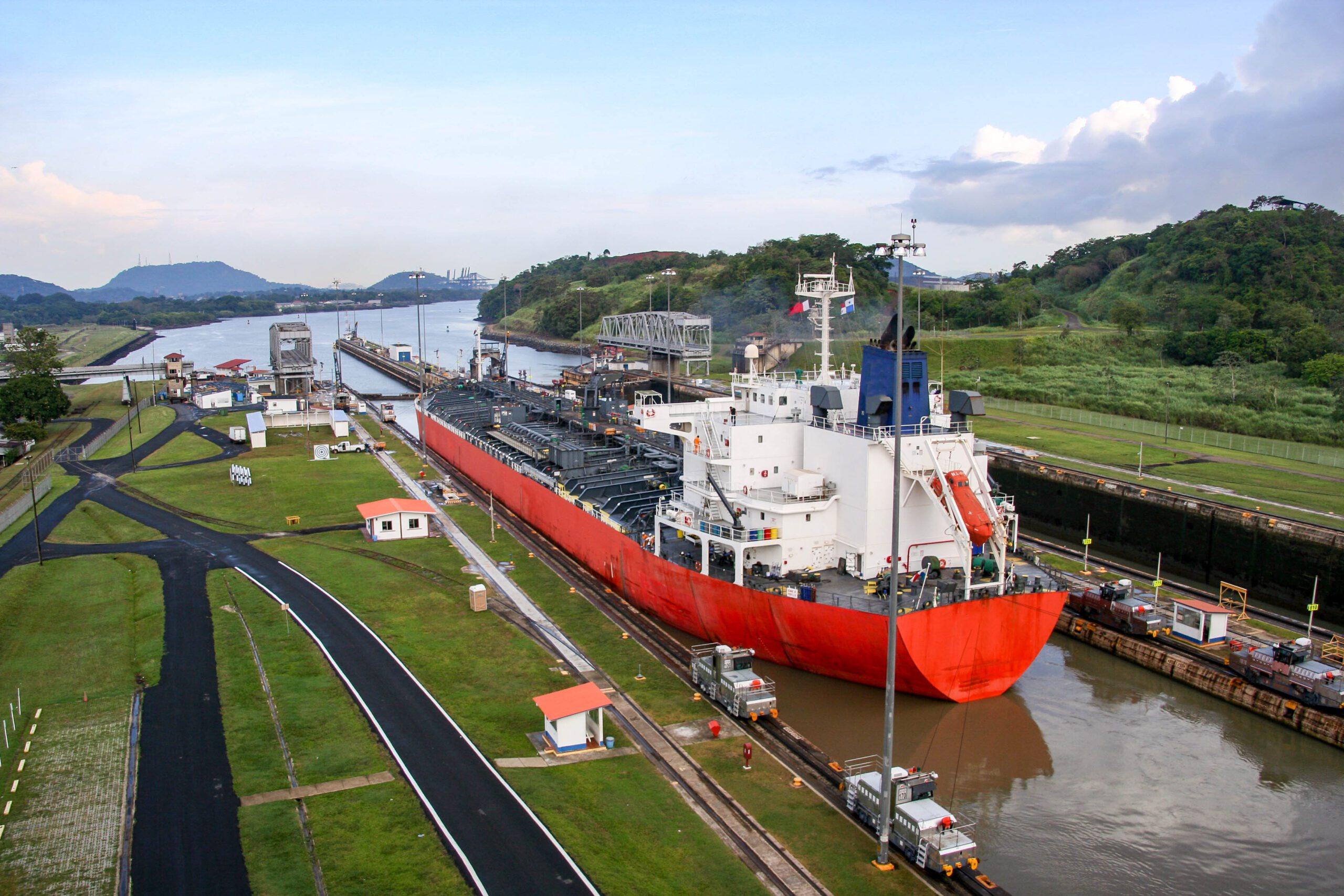
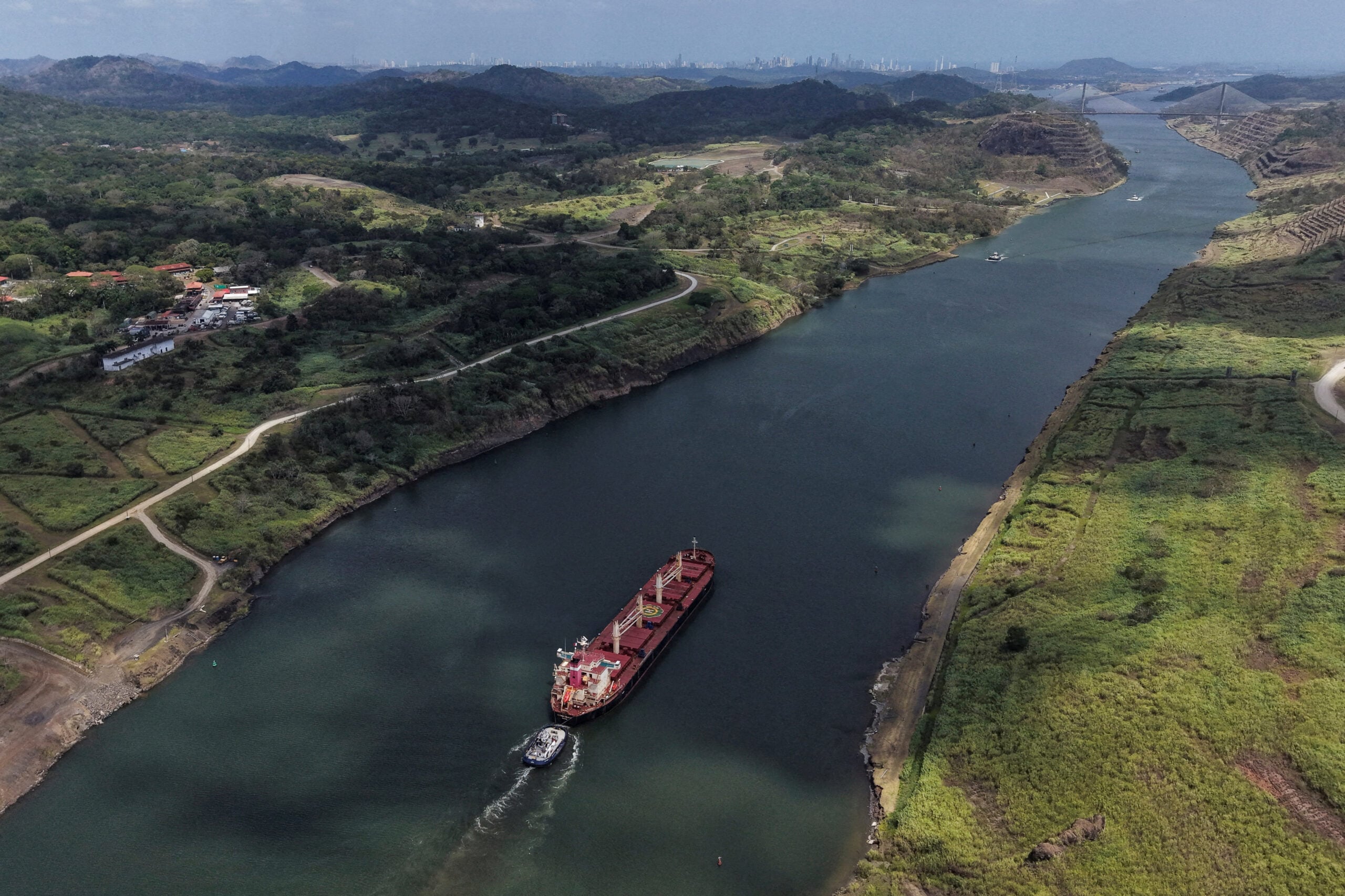
The outlook comes as the Panama Canal prepares for the possibility of another dry season affecting its watershed. Last week, the Panama Canal Authority announced it will progressively reduce the maximum authorized draft for Neopanamax vessels from 49.5 feet to 49.0 feet on July 24 and to 48.5 feet on August 15, citing water management needs under expected El Niño conditions.
The restrictions remain far less severe than those imposed during the historic 2023-24 drought, when exceptionally low water levels in Gatun Lake forced sharp draft and transit limits that disrupted global supply chains and created lengthy vessel queues.
Canal officials say they have spent the past year implementing water-saving measures—including greater use of the Neopanamax locks’ water-saving basins, simultaneous lockages, interior lock gates and reduced hydroelectric generation—to avoid a repeat of that crisis.
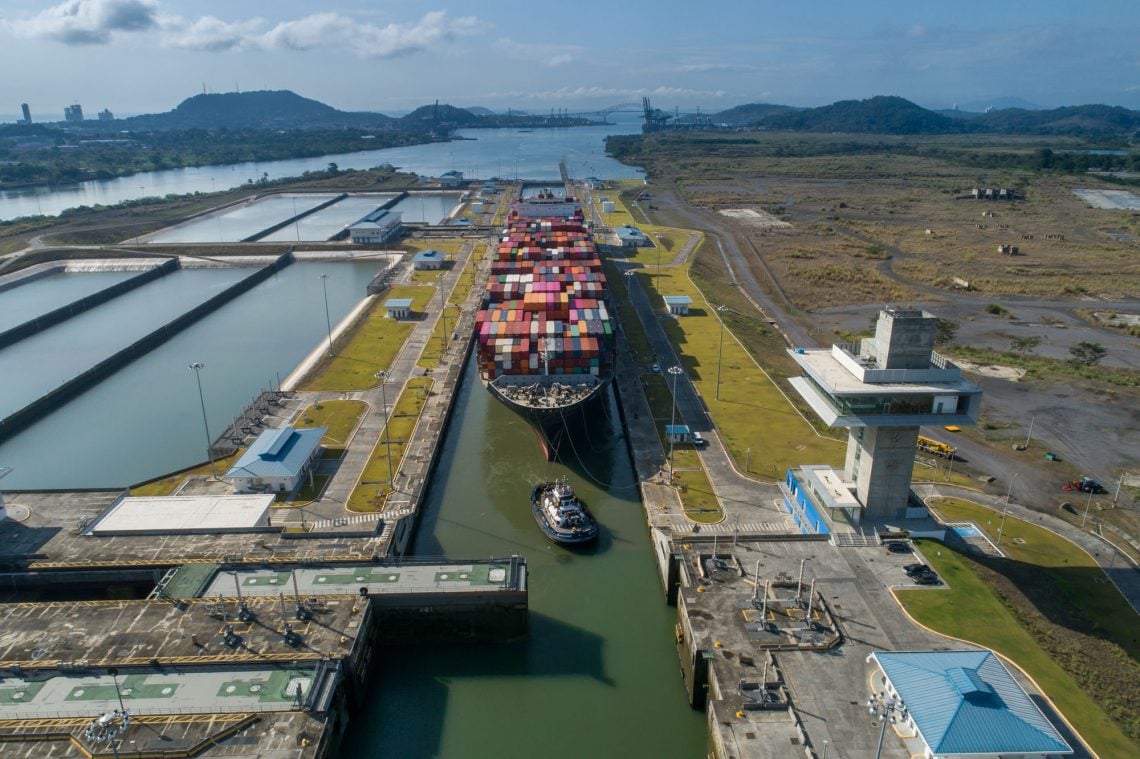
Ironically, the new climate outlook arrives as the Panama Canal celebrates the tenth anniversary of its expansion. Since the Neopanamax locks opened in June 2016, more than 31,000 vessels have transited the expanded waterway, which now generates more than half of the Canal’s total revenue. During the first eight months of fiscal 2026, the Canal handled 8,593 transits, including 2,385 Neopanamax vessels, underscoring the expansion’s central role in global trade.
The anniversary has also highlighted the Canal’s growing dependence on long-term water resilience. Canal officials have identified the proposed Río Indio reservoir as a cornerstone project to secure freshwater supplies for both Canal operations and Panama’s population as climate variability becomes more pronounced.
Beyond Panama, a very strong El Niño can reshape weather patterns around the world. It typically suppresses Atlantic hurricane activity while increasing tropical cyclone activity in the central and eastern Pacific, shifts rainfall across the Americas and Asia, and can trigger drought across parts of Central America, Southeast Asia and Australia—all factors with implications for agriculture, inland transportation, energy production and maritime trade.
While NOAA cautioned that no two El Niño events produce identical impacts, forecasters said confidence is unusually high that the current event will continue strengthening through the end of the year, increasing the odds of the climate patterns typically associated with one of the world’s most powerful ocean-atmosphere phenomena.

 Join The Club