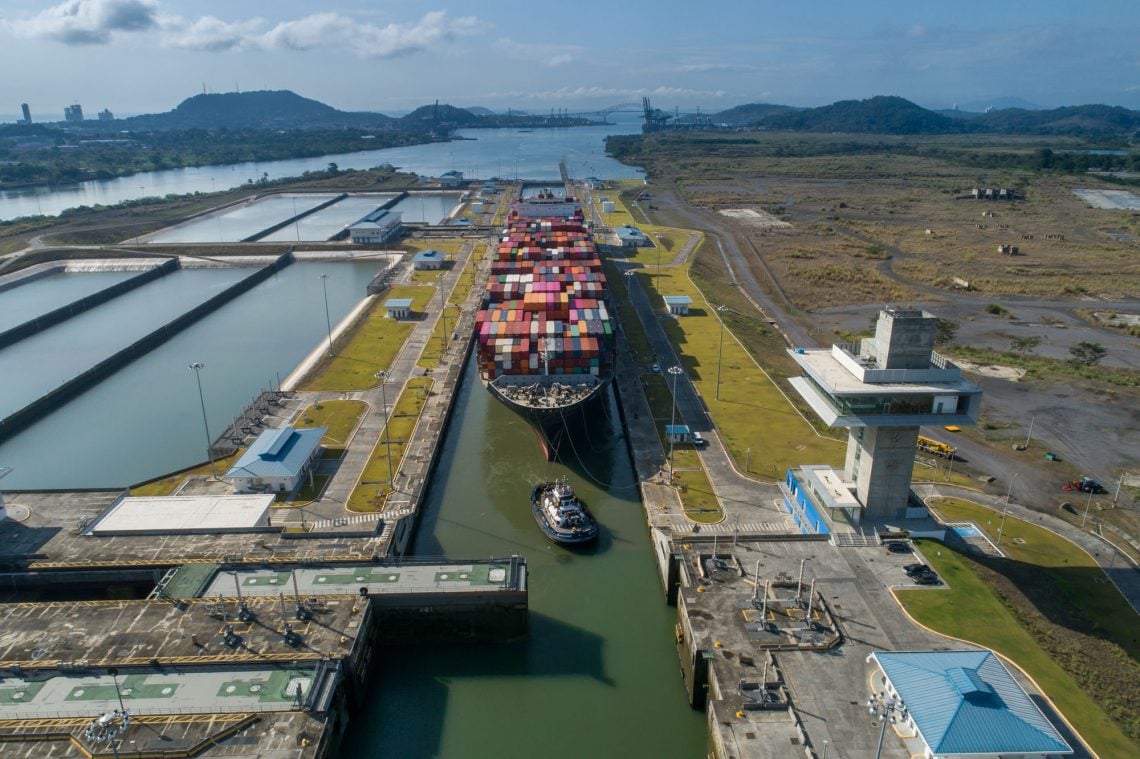
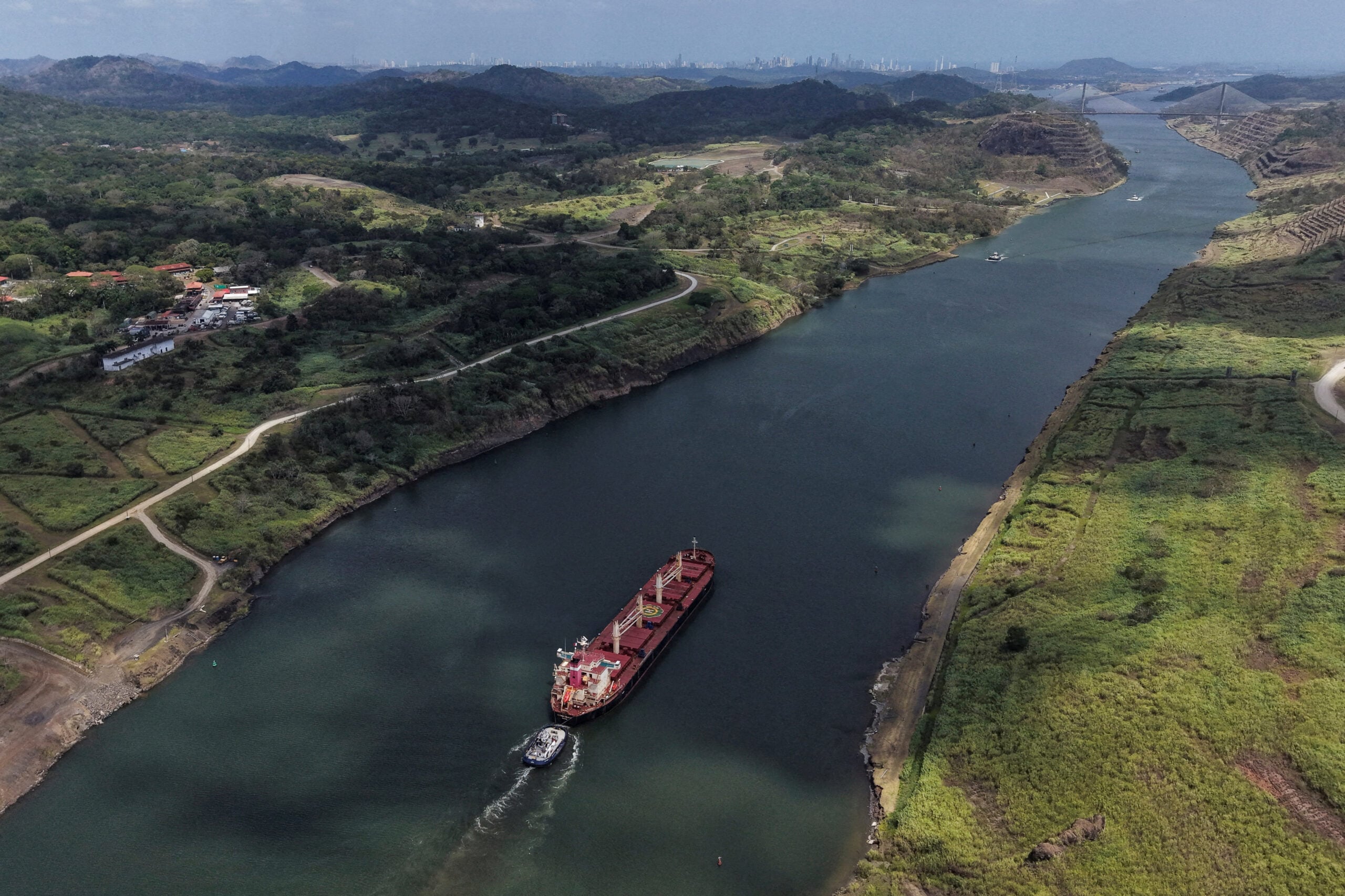
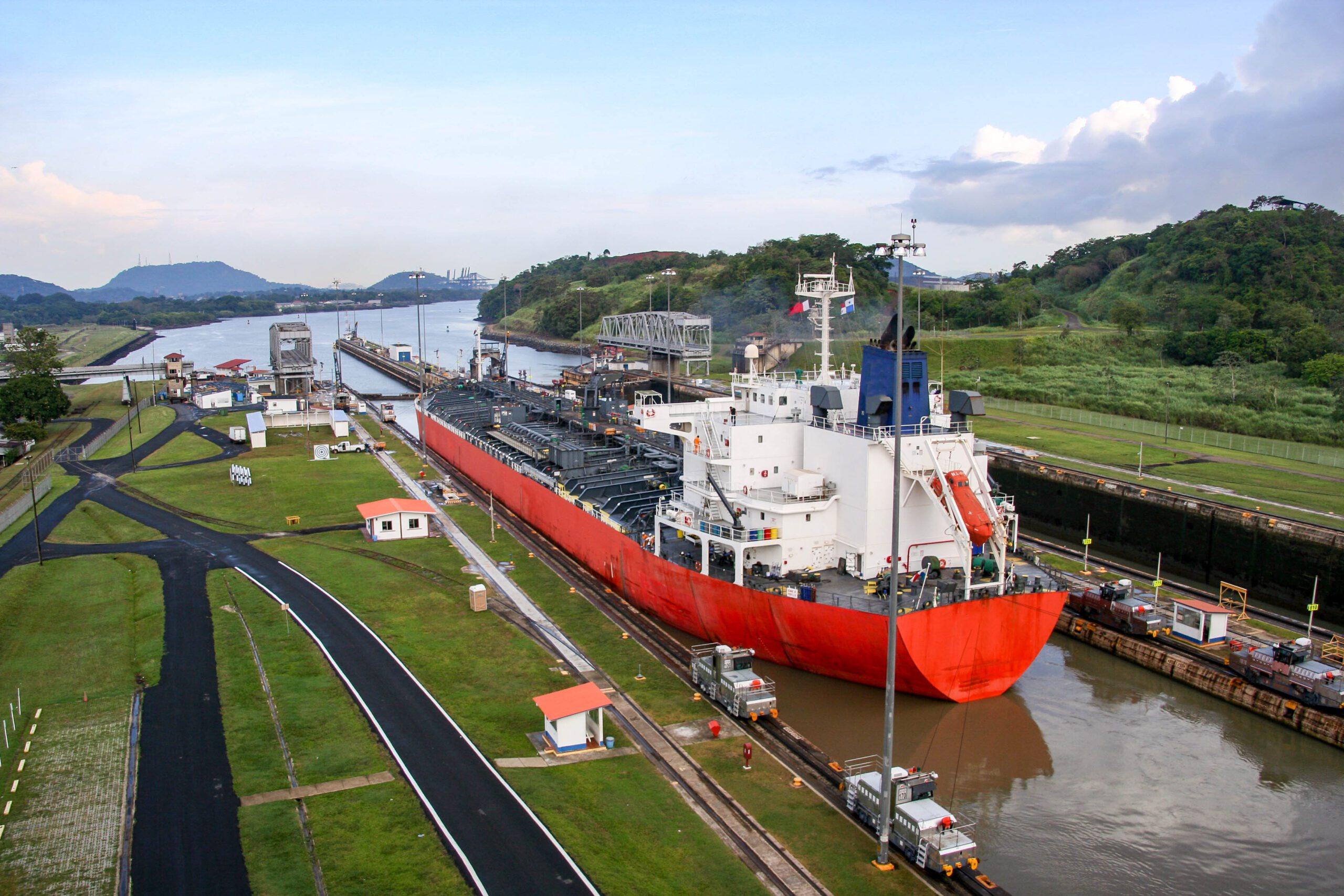
The Panama Canal Authority (ACP) will further reduce the maximum authorized draft for vessels transiting its Neopanamax locks later this summer, tightening restrictions as forecasts point to a strengthening El Niño that could reduce rainfall across the canal watershed.
In an advisory issued July 1, the ACP announced that the maximum authorized draft will be lowered to 49.0 feet (14.94 meters) tropical fresh water (TFW) effective July 24, followed by a further reduction to 48.5 feet (14.78 meters) beginning August 15. The reductions follow the initial cut to 49.5 feet that took effect on July 3.
The canal authority said the changes are part of its water management strategy to ensure the “safe, reliable and sustainable” operation of the waterway under current hydrological conditions while preparing for the expected impacts of El Niño.
“The ACP will continue to closely monitor lake levels and hydrological projections and will announce any additional operational adjustments as deemed necessary,” the advisory said.
The move marks the second round of operational adjustments announced this year and reflects growing confidence that El Niño is taking hold.
On Friday, the World Meteorological Organization said El Niño conditions have developed in the tropical Pacific and are expected to strengthen rapidly through the Northern Hemisphere autumn. The agency said forecast models show high confidence that the event will become a strong El Niño, increasing the likelihood of drought, heatwaves and other extreme weather in many regions, including parts of Central America.
Reduced rainfall poses a challenge for the Panama Canal because every transit through the lock system depends on freshwater stored in Gatun Lake, making water conservation critical during dry periods.
The latest restrictions remain modest compared with those imposed during the historic 2023-24 drought, when sharply lower lake levels forced significant draft and transit restrictions that disrupted global shipping and created lengthy vessel backlogs.
Canal officials have spent months preparing to avoid a repeat of that crisis. Water-saving measures introduced over the past year include expanded use of the Neopanamax locks’ water-saving basins, simultaneous lockages for smaller vessels, deployment of interior lock gates to reduce water consumption, and the suspension of hydroelectric generation at Gatun to prioritize water storage.
Despite the new draft limits, the canal continues to handle heavy traffic. The ACP has maintained roughly 38 daily transits, near the upper end of its operating capacity, as shipping demand has recovered following the previous drought and ongoing disruptions in other major trade routes have supported canal volumes.
The Panama Canal, which carries roughly 5% of global maritime trade, said it will continue monitoring Gatun Lake levels and hydrological forecasts before determining whether additional operational changes are needed.

 Join The Club