By Weilun Soon
Apr 22, 2026 (Bloomberg) –At least two fully laden Iranian tankers have sailed out of the Persian Gulf and past a US blockade this week, part of a flotilla that has made its way around the warships and ferried roughly 9 million barrels of oil to the market.
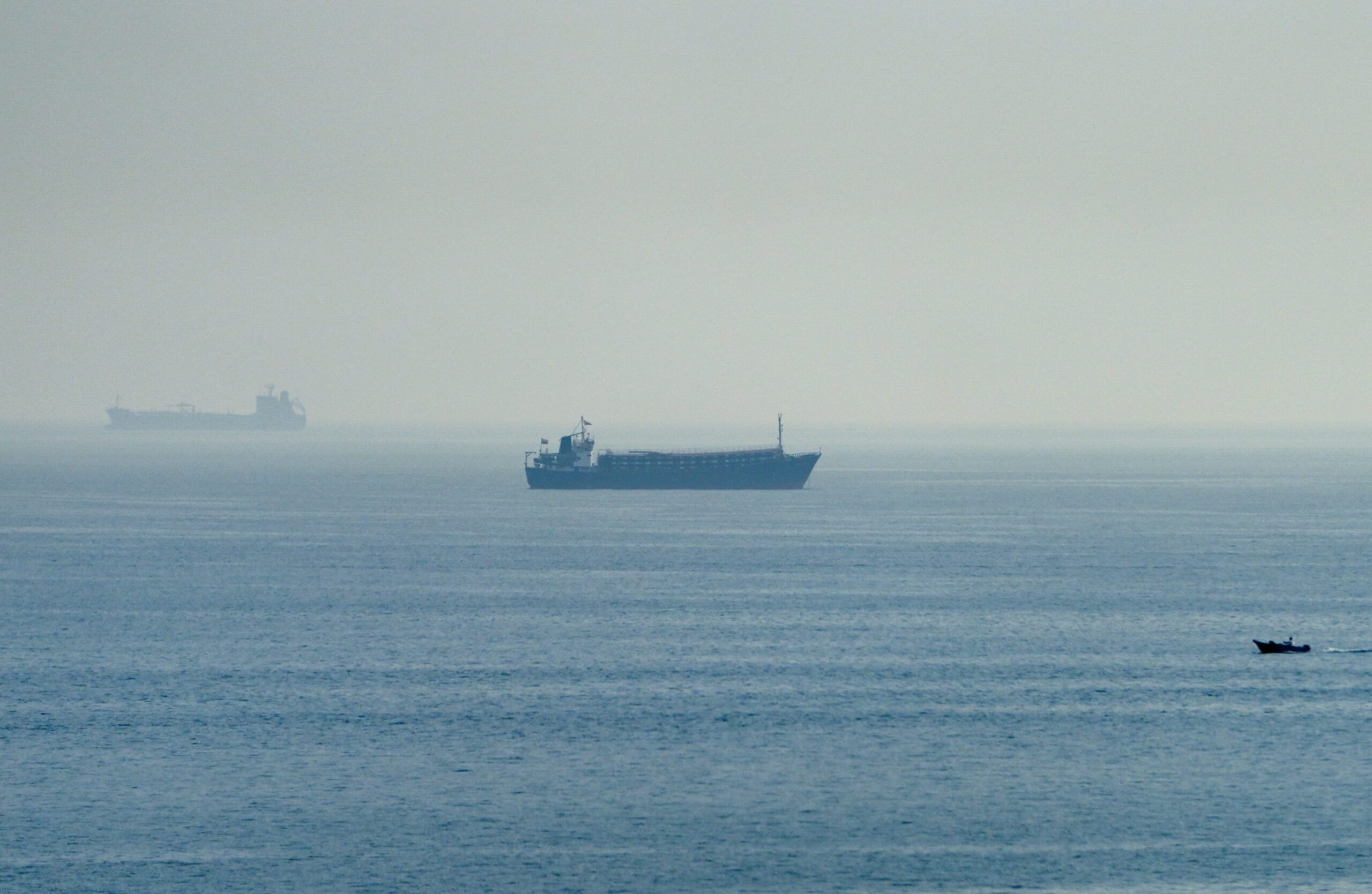
The Hero II and Hedy, two Iran-flagged, very-large crude carriers, are the latest to be captured in satellite imagery, moving past the line identified by the US and into the Arabian Sea on April 20, according to data intelligence firm Vortexa. The pair can together carry as much as 4 million barrels of oil.
The exit of laden tankers demonstrates the limits of US efforts to cordon off Tehran’s crude exports — which President Donald Trump has described as a “tremendous success” — and pressure an otherwise resilient Iranian regime into concessions. Since the blockade began last week, the US Navy has seized an Iran-linked cargo vessel and boarded a sanctioned oil tanker in waters east of Sri Lanka, widening its targeted area.
Meanwhile, the Iranians, who are also blockading the strait, opened fire on and caused heavy damage to a container ship near the waterway on Wednesday, according to the UK Navy.
The figures from Vortexa suggest that Iran’s exports have continued even in the face of US threats, with at least 34 Iran-linked tankers and gas carriers making their way through the strait and the US blockade line. That stretches from the Omani coastline near Ras al Hadd, northeast to the Iran-Pakistani border, according to a map shown in an online video shared by US Navy.
Of the vessels crossing since early last week, 19 have been heading out of the Persian Gulf, with 17 of those carrying cargo.
Vortexa detected the shipments using satellite imagery, as vessels seeking to circumvent US forces are typically turning off their transponders. Hero II was last seen more than a month ago when it was sailing northward in the Strait of Malacca, while Hedy last broadcast its location off Khor Fakkan in late February.
Read More: Why Unlocking the Strait of Hormuz Is Proving So Difficult: Explainer
The ultimate destination of those two shipments was not clear. The vast majority of Iran’s crude exports end up in China, though India received two cargoes of Iranian crude in recent weeks before a US waiver expired.
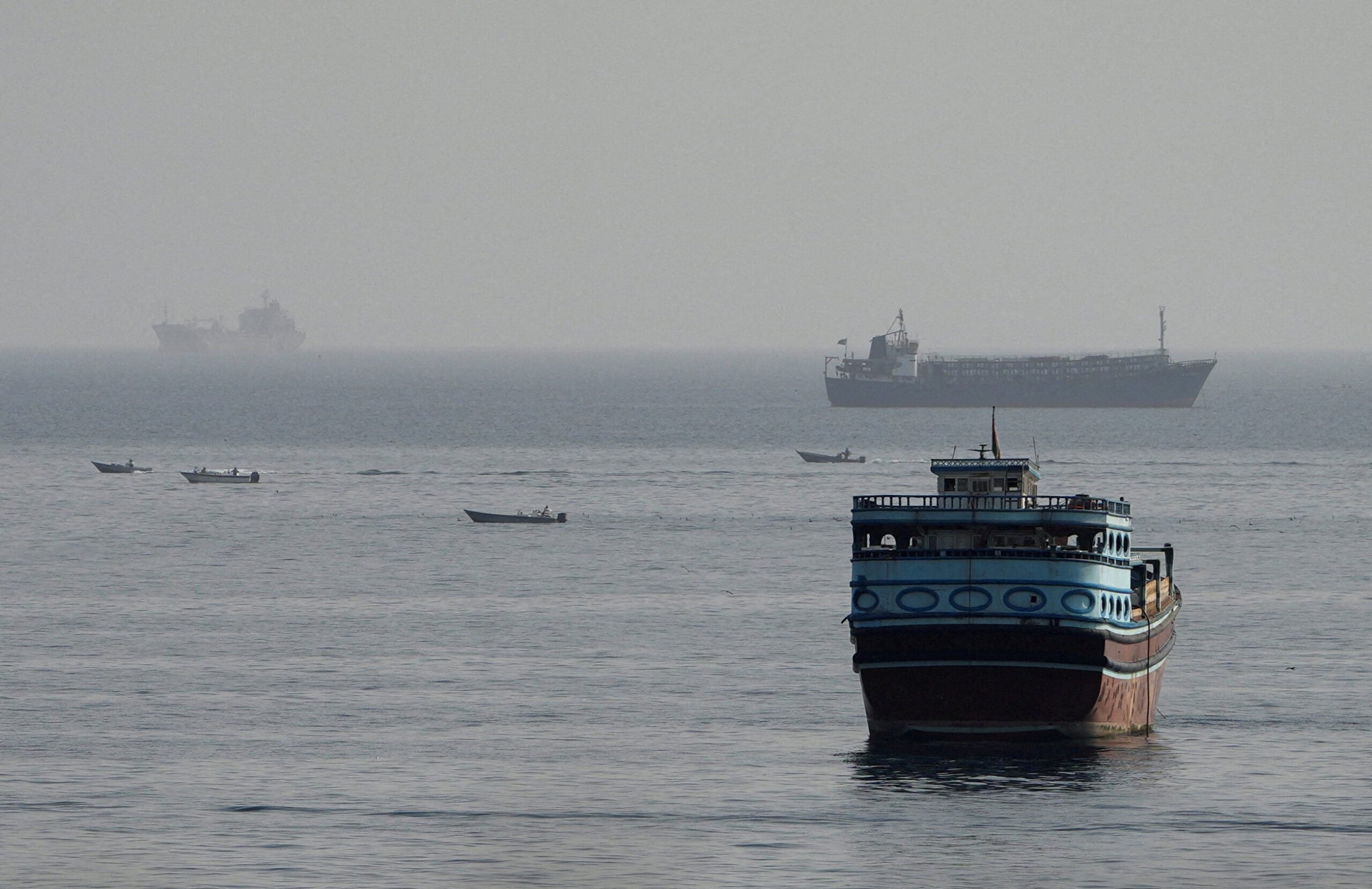
Other vessels are also testing the US Navy. The G Summer, a tiny LPG carrier that’s sanctioned by the US, crossed the strait on Tuesday, and ship-tracking data show it’s now passed the boundary where the US Navy said it was running a blockade. A Gambia-flagged cargo ship, the Lian Star, that transited Hormuz on Tuesday is also now near the boundary, and is hugging the Iranian coastline.
The Atlantis II, a US-sanctioned long-range fuel tanker, began sailing toward the strait late Tuesday and is now near Larak Island, which sits in Hormuz, according to ship-tracking data. It couldn’t be immediately determined if the ship was carrying a cargo.
LPG Sevan, is also approaching Hormuz, despite indicating Sharjah in the United Arab Emirates within the Persian Gulf as its destination. The LPG tanker has carried Iranian cargoes in the past. Meanwhile, medium-range tanker Ocean Jewel, which has no known links to Iran, is near them, indicating Chinese ownership and crew.
Maritime database Equasis shows Al Anchor Ship Management FZE in the UAE as the manager of Atlantis II, while its owner shares the same address as Al Anchor. LPG Sevan is owned and managed by Dubai-based Anka Energy & Logistics Co., while Ocean Jewel’s owner and operator is Shanghai-based Ocean Jewel Shipping Co. Ltd. The companies didn’t immediately respond to emails seeking comment.
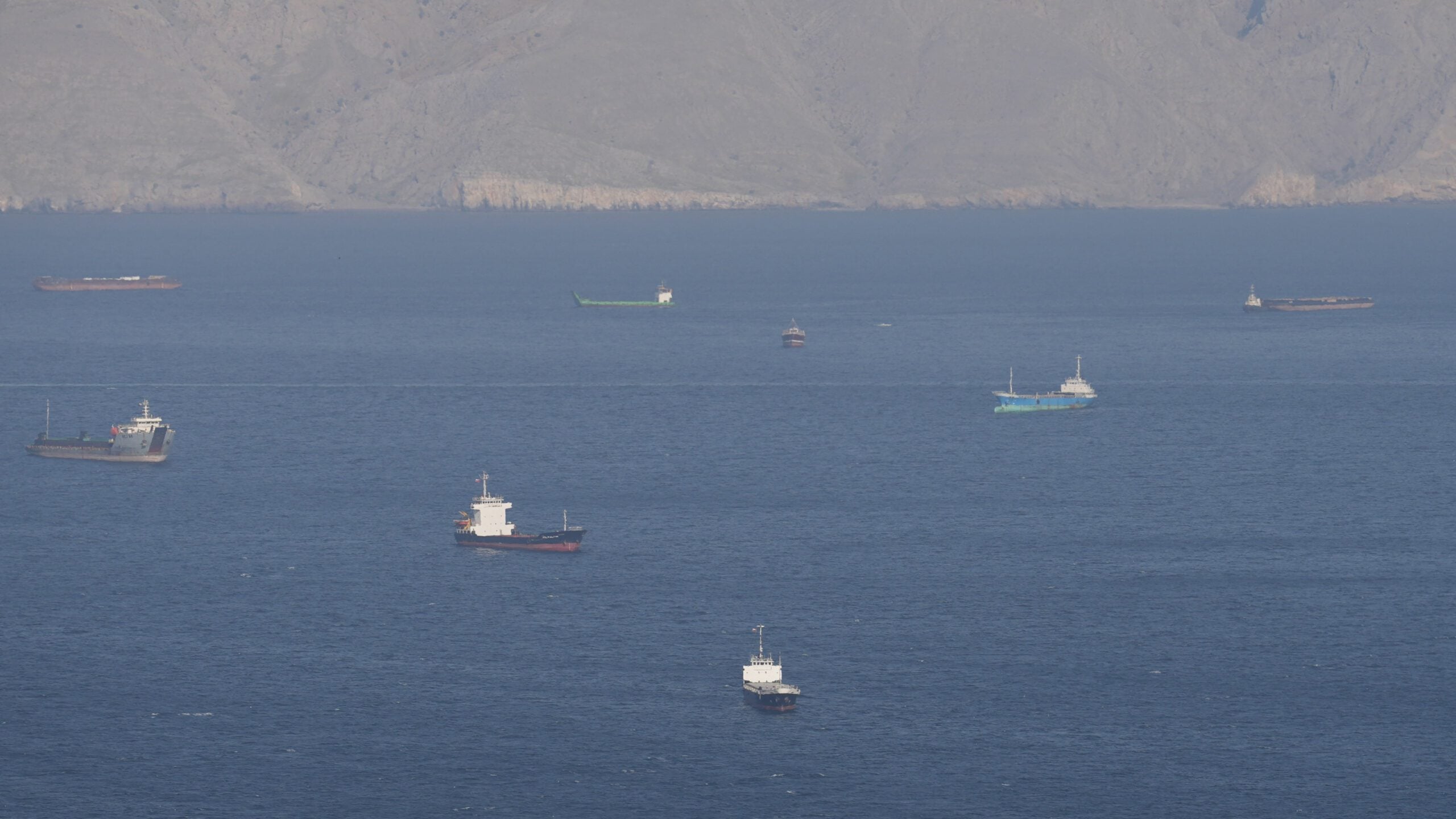
President Donald Trump extended a ceasefire indefinitely with Iran on Tuesday, but said the blockade would remain in place. Around 800 vessels remain stuck in the Persian Gulf, with the International Maritime Organization saying on Tuesday it was working on an evacuation plan for the vessels that was contingent on a de-escalation of the war.
© 2026 Bloomberg L.P.

 Join The Club