The heads of four of the world’s top economic and energy institutions issued a rare joint warning Friday, saying ongoing disruptions to shipping through the Strait of Hormuz are creating growing risks for global energy supplies, food security, and economic stability.
In a joint statement following a high-level coordination meeting, leaders from the International Energy Agency, International Monetary Fund, World Bank Group, and World Trade Organization said the conflict in the Middle East is having “substantial and highly asymmetric impacts” across regions, with the heaviest burden falling on vulnerable economies.
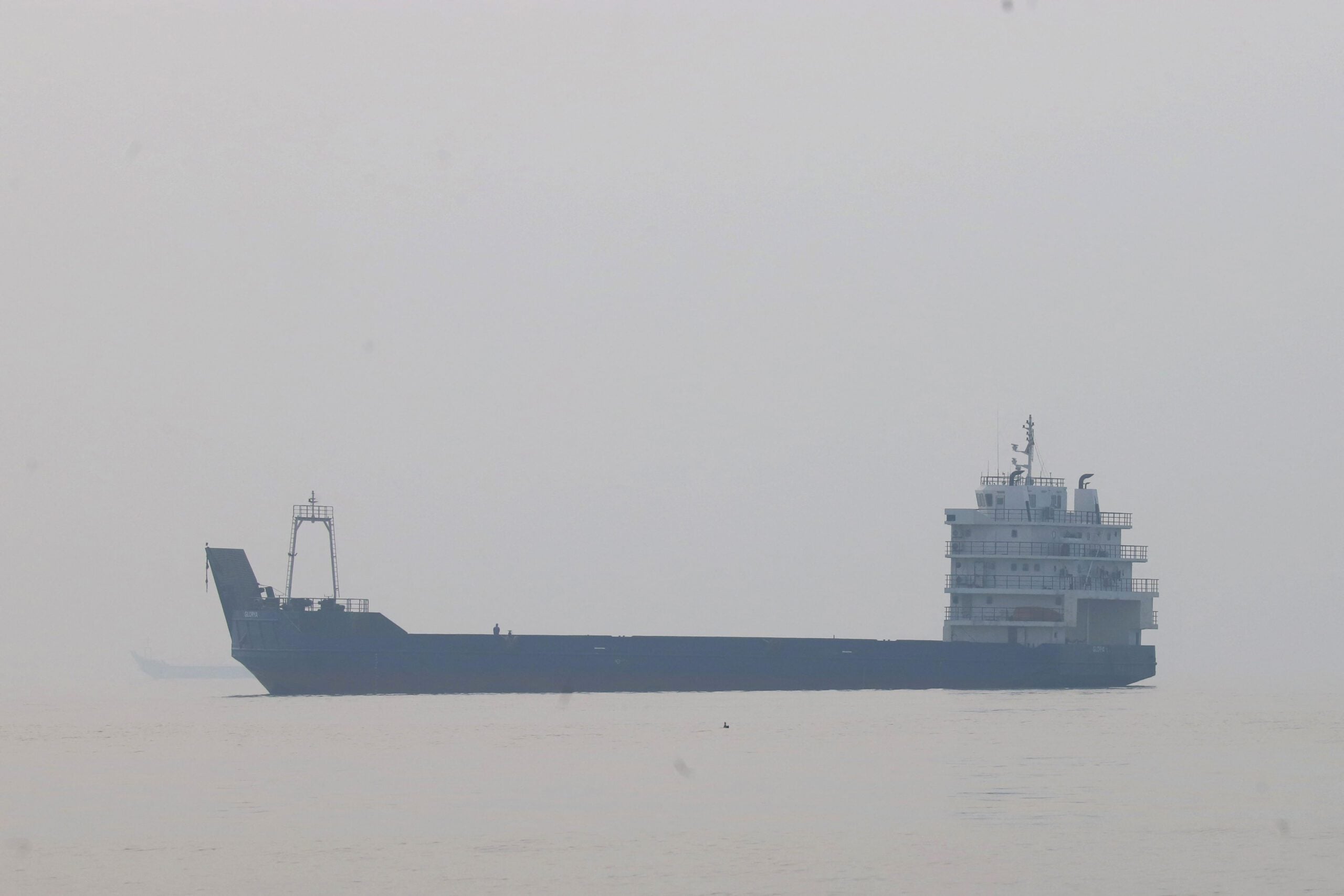
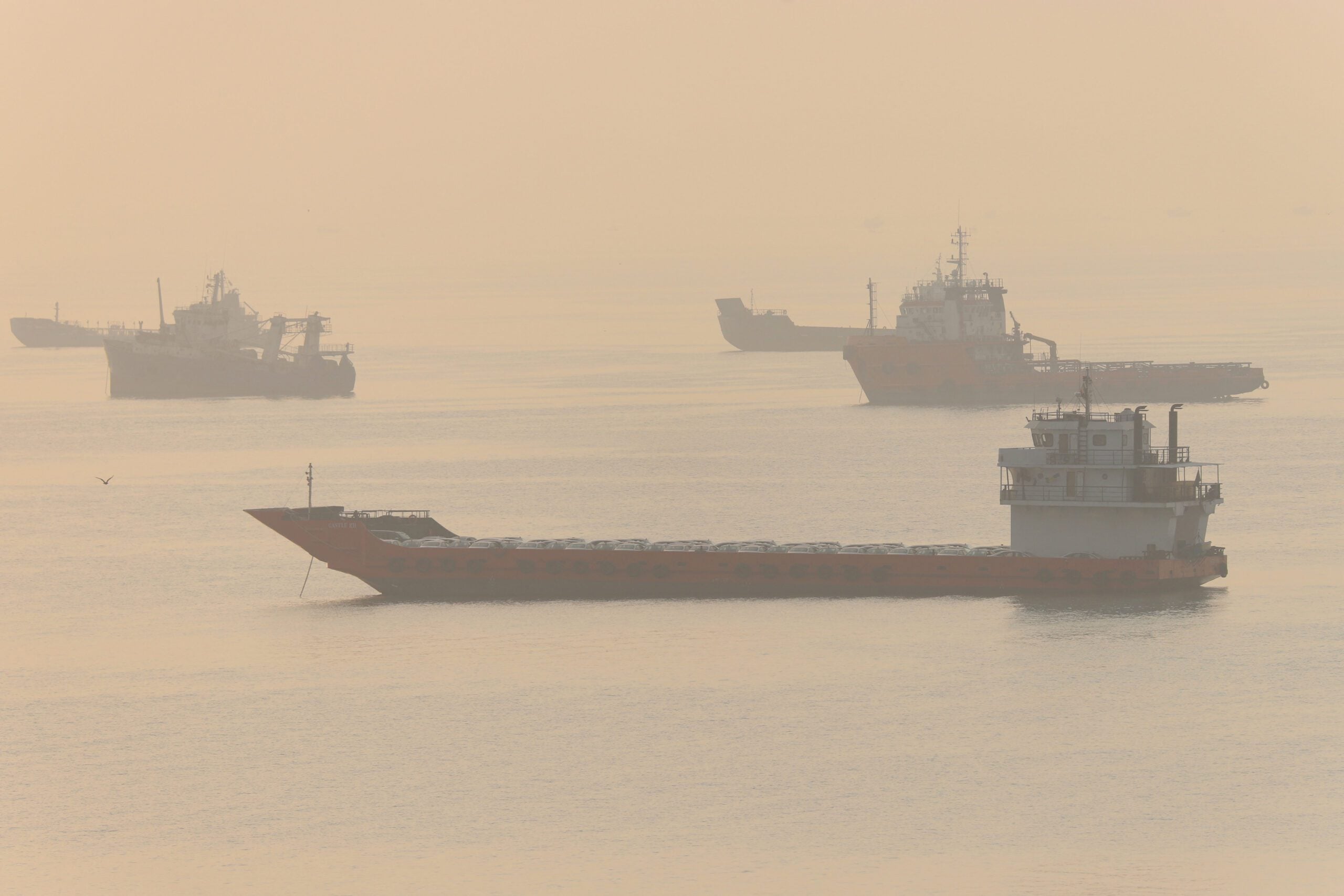
The statement comes as global shipping through the Strait of Hormuz remains far below pre-war levels despite diplomatic efforts aimed at easing tensions and restoring commercial traffic.
While the organizations said the global economy has remained resilient so far, they warned that rising fuel and fertilizer prices are increasing pressure on developing countries and threatening jobs and livelihoods.
“At the same time, global oil inventories are being drawn down at a record pace in response to the major loss of supply through the Strait of Hormuz,” the group said.
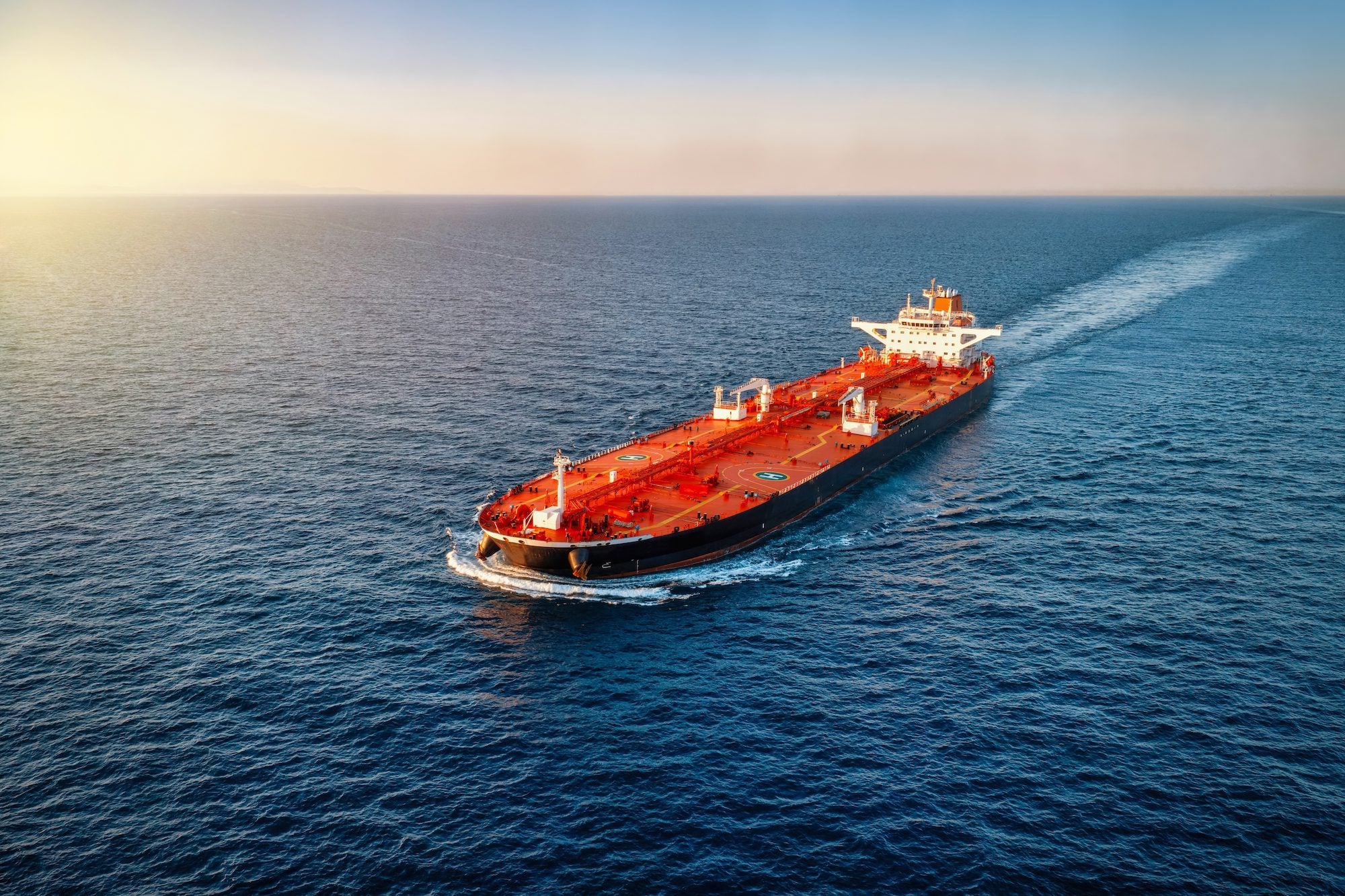
The warning aligns with recent assessments from shipping, energy, and trade organizations that have highlighted the strategic importance of the narrow waterway, which normally handles roughly one-fifth of global oil consumption along with significant volumes of liquefied natural gas and fertilizer exports.
The four organizations cautioned that if shipping flows do not return to normal, continued inventory drawdowns ahead of peak Northern Hemisphere summer demand could create broader risks for fuel security and global economic resilience.
Particular concern was expressed over fertilizer markets, with officials noting that many countries are entering critical planting seasons. Higher fertilizer costs could further strain food production and affordability in import-dependent regions.
The meeting was part of a high-level coordination group established in April to coordinate responses to the energy, trade, and economic consequences of the conflict. Officials said they reviewed conditions in the hardest-hit countries, discussed support measures, and explored options for expanding multilateral and bilateral assistance.
The institutions also said they are monitoring government responses to the crisis, including efforts to mitigate economic impacts, improve transparency, and identify emerging risks.
The unusually coordinated statement underscores growing concern among international policymakers that prolonged disruptions in one of the world’s most important maritime chokepoints could have consequences extending well beyond energy markets, affecting global trade flows, agricultural production, and economic growth.

 Join The Club