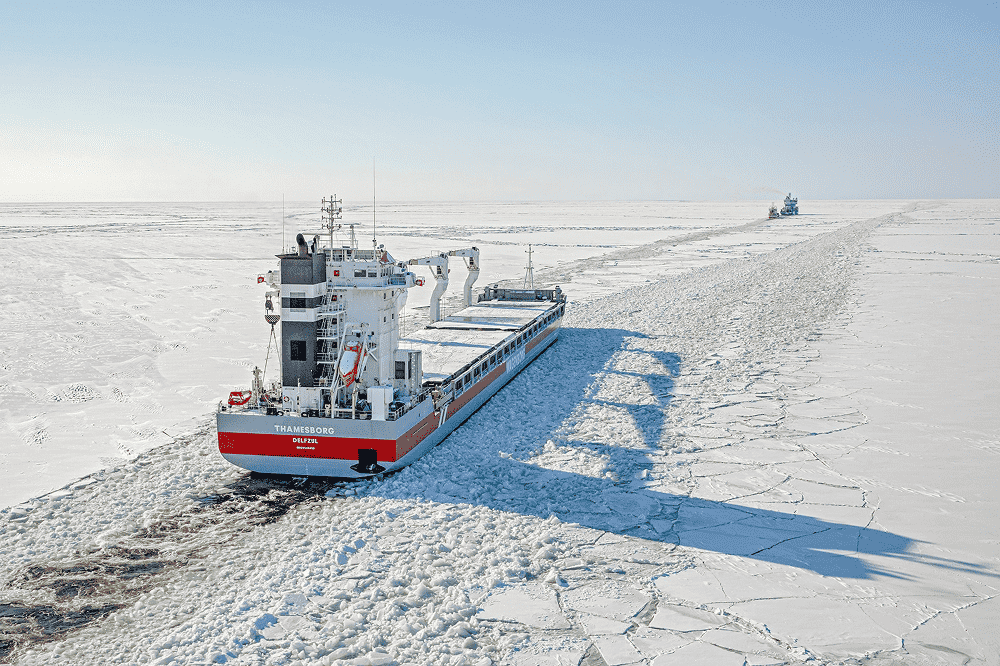
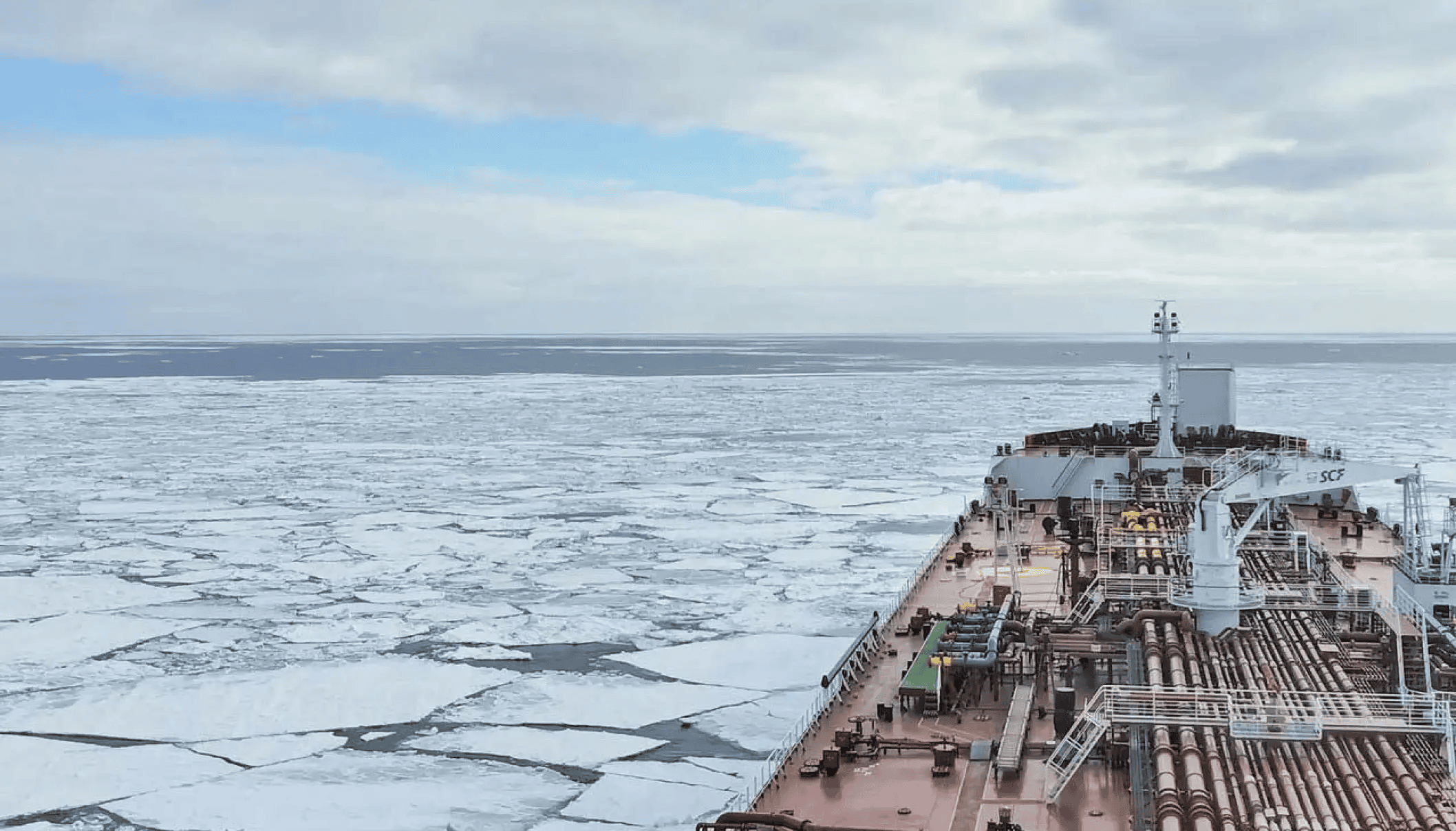
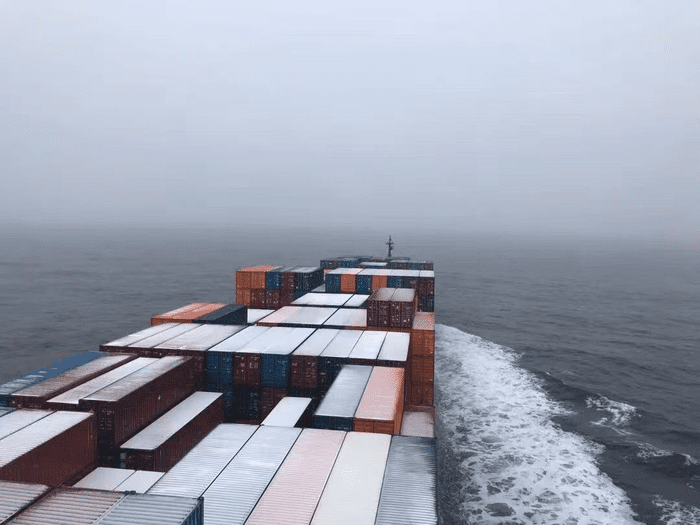
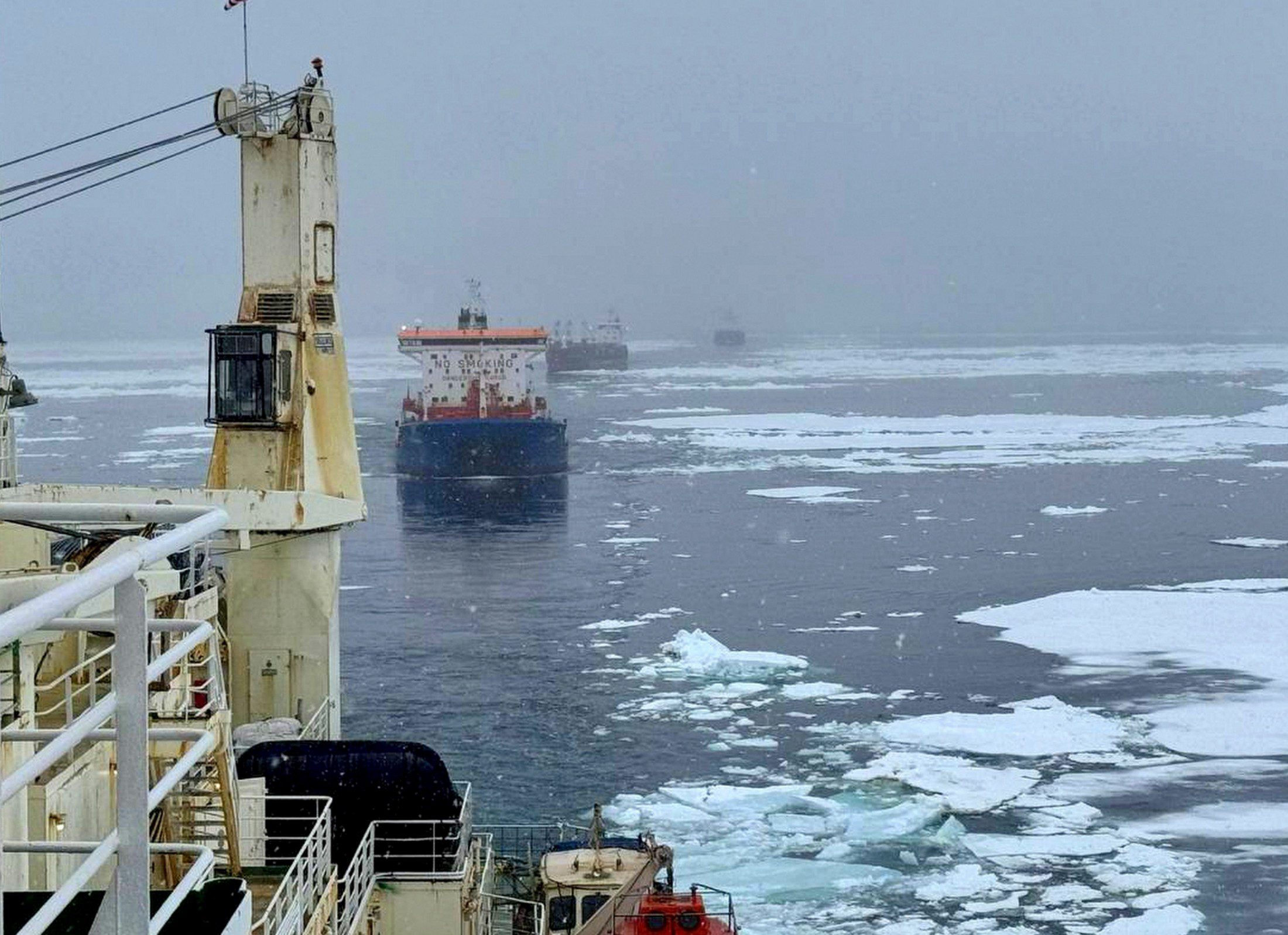
Ship traffic in the Arctic reached a new milestone in 2025, with 1,812 unique vessels operating inside the Polar Code area, according to new data released by the Arctic Council Working Group on the Protection of the Arctic Marine Environment (PAME). The figures mark a 40% increase from 2013, when PAME began tracking traffic through its Arctic Ship Traffic Data (ASTD) system.
The growth underscores how rapidly the Arctic is transforming into an active commercial maritime zone. While the first modern commercial voyages along Russia’s Northern Sea Route began only in 2009, shipping activity has accelerated alongside expanding oil, gas, mining, and fishing operations.
PAME’s data shows not just more ships but more activity per ship. Total sailing distance in the Arctic rose 95%, from 6.1 million nautical miles in 2013 to 11.9 million in 2025. Vessels are increasingly making repeated voyages within a year, particularly along Russia’s Arctic coast and in mining supply chains.
Traffic remains highly seasonal. Shipping peaks during August through October when sea ice reaches its annual minimum. In September 2025 alone, PAME recorded 1,060 vessels entering the Arctic, representing 58% of total annual traffic.
Fishing vessels still dominate Arctic activity, entering primarily from the Bering Sea and Barents Sea. General cargo ships form the second-largest category, carrying supplies into remote communities or transporting materials for industrial projects such as Vostok Oil and Arctic LNG 2, which required millions of tons of construction materials since construction began in 2022.
LNG shipping has also expanded dramatically. Before late 2017, no LNG traffic was recorded in Russia’s Arctic waters. In 2025, 40 distinct LNG carriers operated in the Polar Code area, many supporting projects like Yamal LNG, whose specialized icebreaking tankers now deliver gas year-round to Europe and Asia.
LNG traffic to and from the Yamal LNG project in 2025. (Source: PAME)
Hjalti Hreinsson, Deputy Secretary at PAME and administrator of the ASTD system, said natural resource extraction remains the main driver. “Compared to other marine regions, the Arctic still has relatively few ships, so even a handful of large industrial projects can significantly shift the statistics,” he noted.
One example is Canada’s Mary River Mine, which began production in 2015 at one of the world’s richest iron ore deposits. Since then, bulk carrier traffic into Baffin Bay has surged manyfold, with ships logging over 130,000 nautical miles in 2025 alone hauling ore and supplies.
Traffic to the Mary River Mine in 2025. (Source: PAME)
Despite overall growth, traffic along Russia’s Northern Sea Route has plateaued recently as Western sanctions complicate financing, shipbuilding, and insurance for Russian energy projects. Construction delays and restricted access to specialized vessels have slowed some planned expansions, limiting growth in Russia’s Arctic basin even as global Arctic activity rises.
A 22-year-old product tanker sanctioned by the European Union is making an unusual late-season voyage along Russia's Northern Sea Route, highlighting the growing use of older, lower-specification vessels to move petroleum products through the Arctic.
China has completed the first season of regular weekly container shipping between China and Europe via the Northern Sea Route, with the operator completing all eight sailings planned for 2026 before ending departures slightly earlier than scheduled because of Arctic ice forecasts.
The number of shadow-fleet vessels carrying Russian oil and LNG through the Northern Sea Route has surged this summer, according to a new analysis by the Bellona Environmental Transparency Center, raising concerns about the ability to respond to accidents in one of the world's most remote shipping environments.
October 5, 2026
Total Views: 3641
Get The Industry’s Go-To News
Subscribe to gCaptain Daily and stay informed with the latest global maritime and offshore news
— just like 107,080 professionals
Secure Your Spot
on the gCaptain Crew
Stay informed with the latest maritime and offshore news, delivered daily straight to your inbox
— trusted by our 107,080 members
Your Gateway to the Maritime World!
Essential news coupled with the finest maritime content sourced from across the globe.

 Join The Club