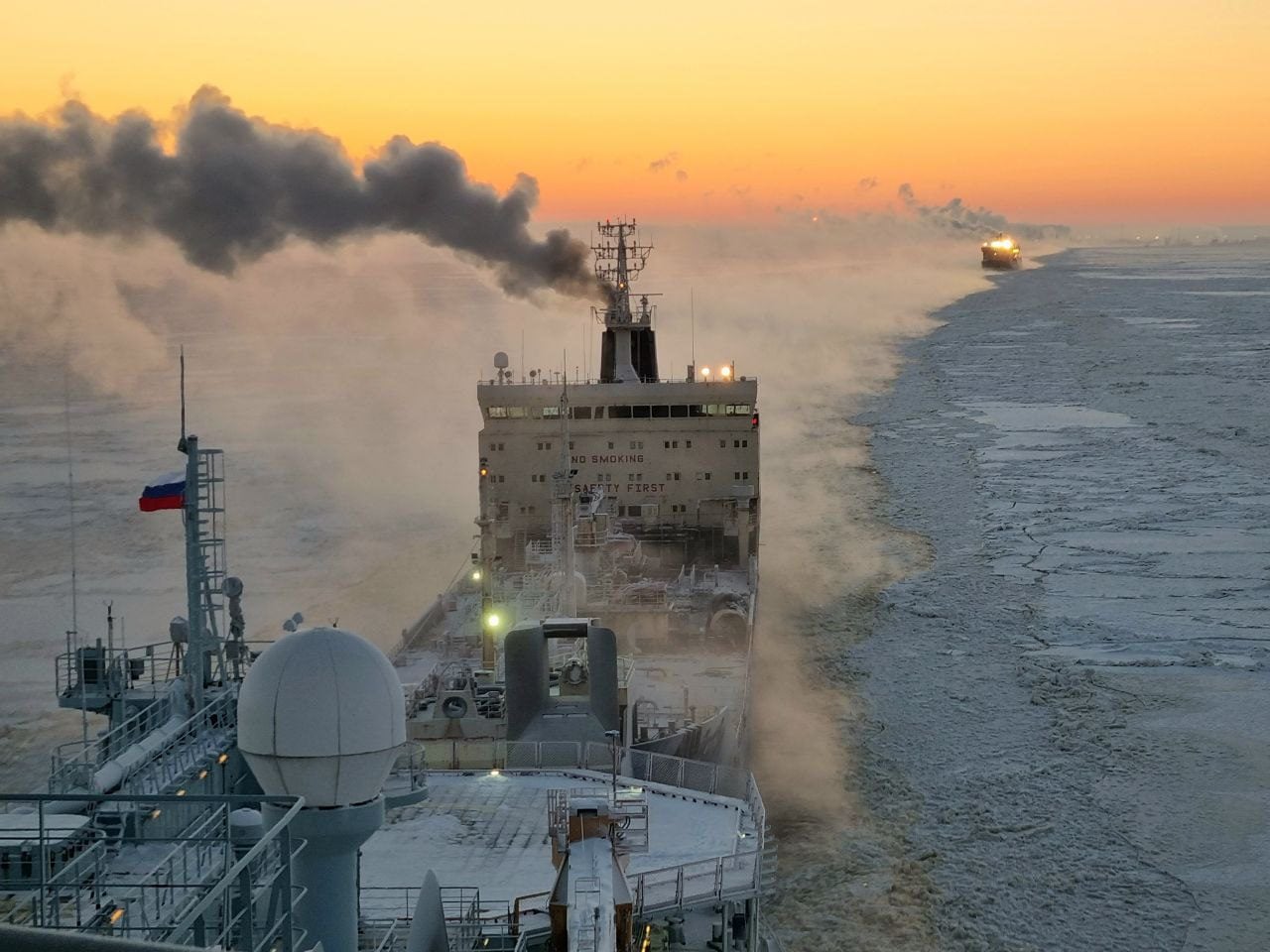
Cargo volumes along Russia’s Northern Sea Route fell in 2025, underscoring how Western sanctions are increasingly curtailing Moscow’s long-held ambitions to transform the Arctic passage into a global energy export corridor.
Cargo shipping along Russia’s Northern Sea Route (NSR) declined in 2025, reversing years of steady growth and highlighting the mounting impact of Western sanctions on Arctic energy development and transport.
Total cargo volumes fell by 2.3 percent year on year to 37.02 million tonnes, a reduction of roughly 870,000 tonnes compared with 2024. The downturn comes as key pillars of Arctic traffic, liquefied natural gas (LNG), oil and petroleum products, face structural constraints stemming from delayed projects, vessel shortages, and restricted access to foreign shipbuilding capacity.
The contraction stands in stark contrast to Russia’s earlier ambitions for the NSR. Prior to the imposition of sweeping sanctions, Moscow forecast cargo volumes along the route could reach 100 million tonnes annually by 2030. Those projections were predicated on rapid expansion of LNG and oil output from the Yamal and Gydan peninsulas, supported by a growing fleet of specialized ice-class vessels. That vision has now been substantially scaled back.
Energy cargoes continue to dominate traffic along the NSR. In 2025, LNG accounted for 58 percent of total volumes, oil for 21 percent, and gas condensate for roughly 4 percent, together representing more than 80 percent of all cargo moved. Nearly all of this production originates from Ob Bay and the three terminals of the port of Sabetta, spanning the southern, central and northern sections of the bay. Yet each of these segments is now under pressure.
LNG exports along the route fell by 2.7 percent year on year. The decline reflects a combination of scheduled maintenance at Yamal LNG and the loss of one of the 15 Arc7 ice-class LNG carriers previously servicing the project. The Christophe de Margerie, one of the flagship Arc7 vessels, ceased lifting cargoes from Yamal LNG after being sanctioned in December 2024, tightening an already constrained shipping fleet.
The downturn came despite the start of routine export production at Arctic LNG 2 in August 2025. The project exported 16 cargoes during the year, partially offsetting reduced volumes from Yamal LNG.
However, Arctic LNG 2 is only around 50 percent complete, and its future development timeline remains uncertain. Original plans for Arctic LNG 1, Arctic LNG 3 and Ob LNG, envisioned as successors to Yamal LNG and Arctic LNG 2, have all been postponed indefinitely, with no clear path forward.
Oil and petroleum product shipments also weakened. The sharpest drop was recorded in petroleum products, which plunged 43 percent to just 1.27 million tonnes. Gas condensate shipments were a rare bright spot, rising 17 percent to 1.55 million tonnes.
Still, analysts see limited runway for near-term growth in oil and LNG traffic. The only major prospective addition is Rosneft’s Vostok Oil project, which has yet to ship its first cargo after repeated delays.
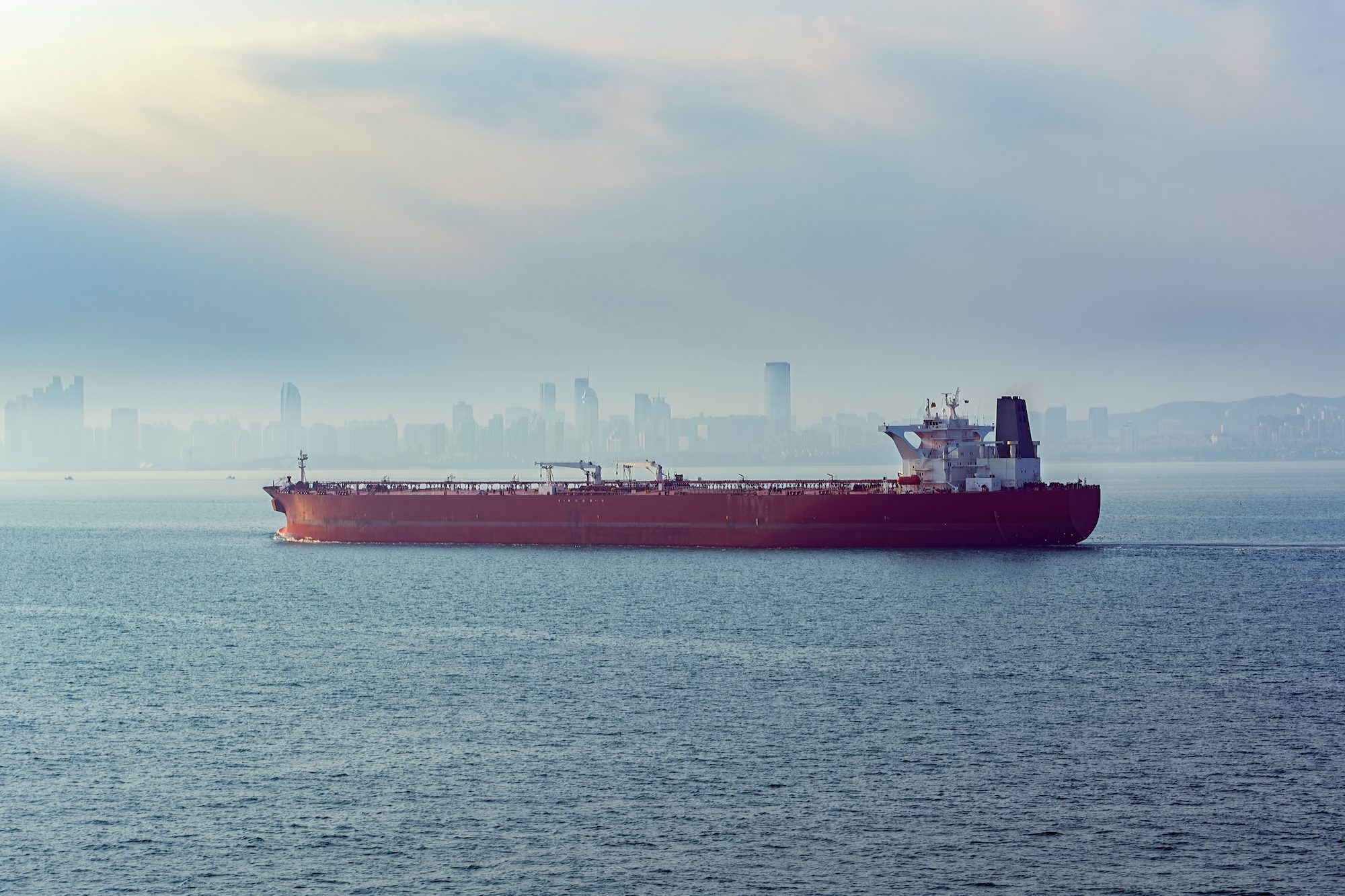
A shortage of ice-class tankers remains a critical bottleneck. Sanctions have blocked access to foreign shipyards, while construction at Russia’s Zvezda yard in the Far East has been slowed by restrictions on equipment and financing.
Looking ahead, the outlook is further clouded by the EU’s planned ban on LNG imports in 2027. Novatek, the majority owner of Yamal LNG and Arctic LNG 2, may need an additional 32–40 LNG carriers to reroute exports to Asia, an increasingly difficult proposition under sanctions.
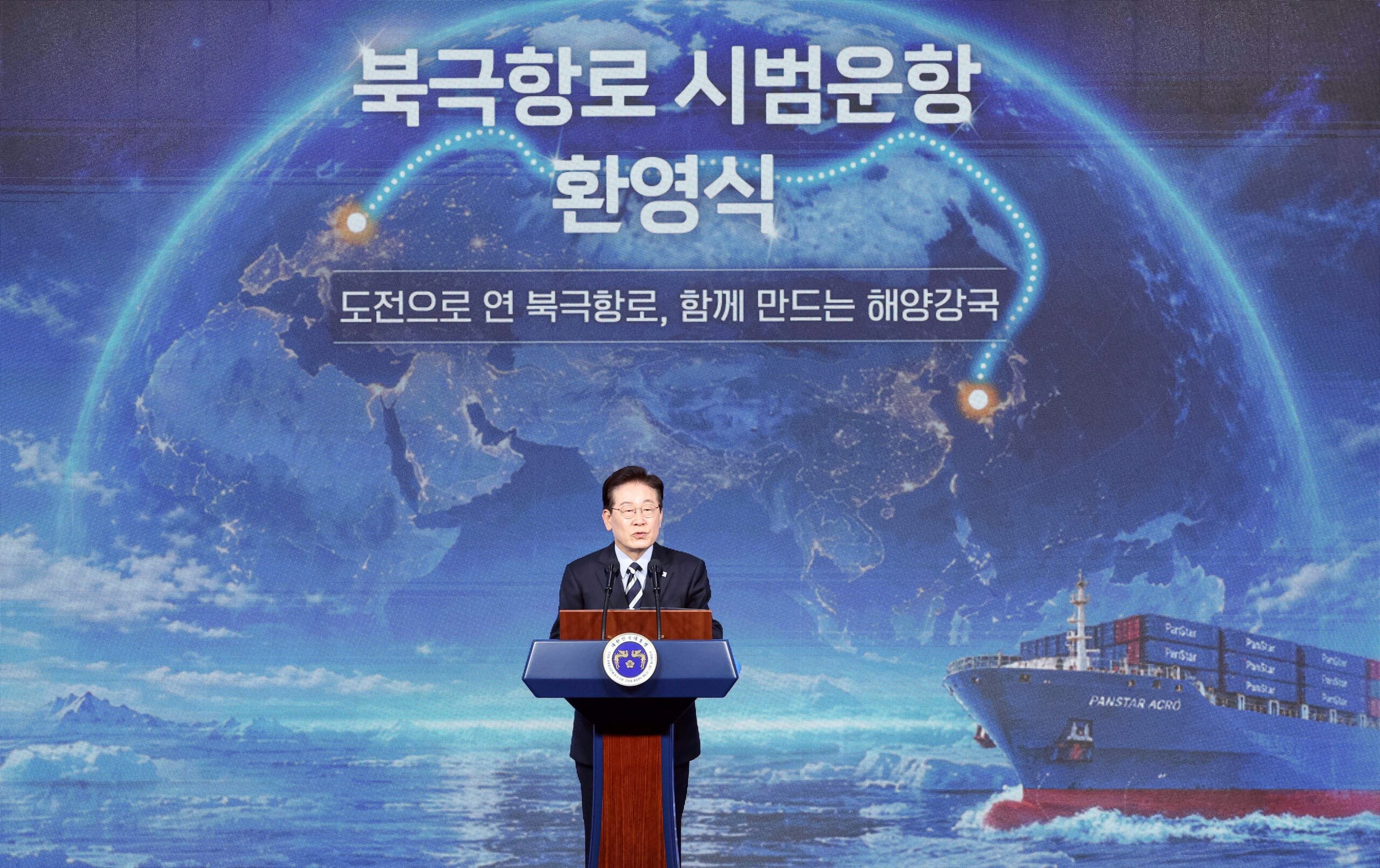
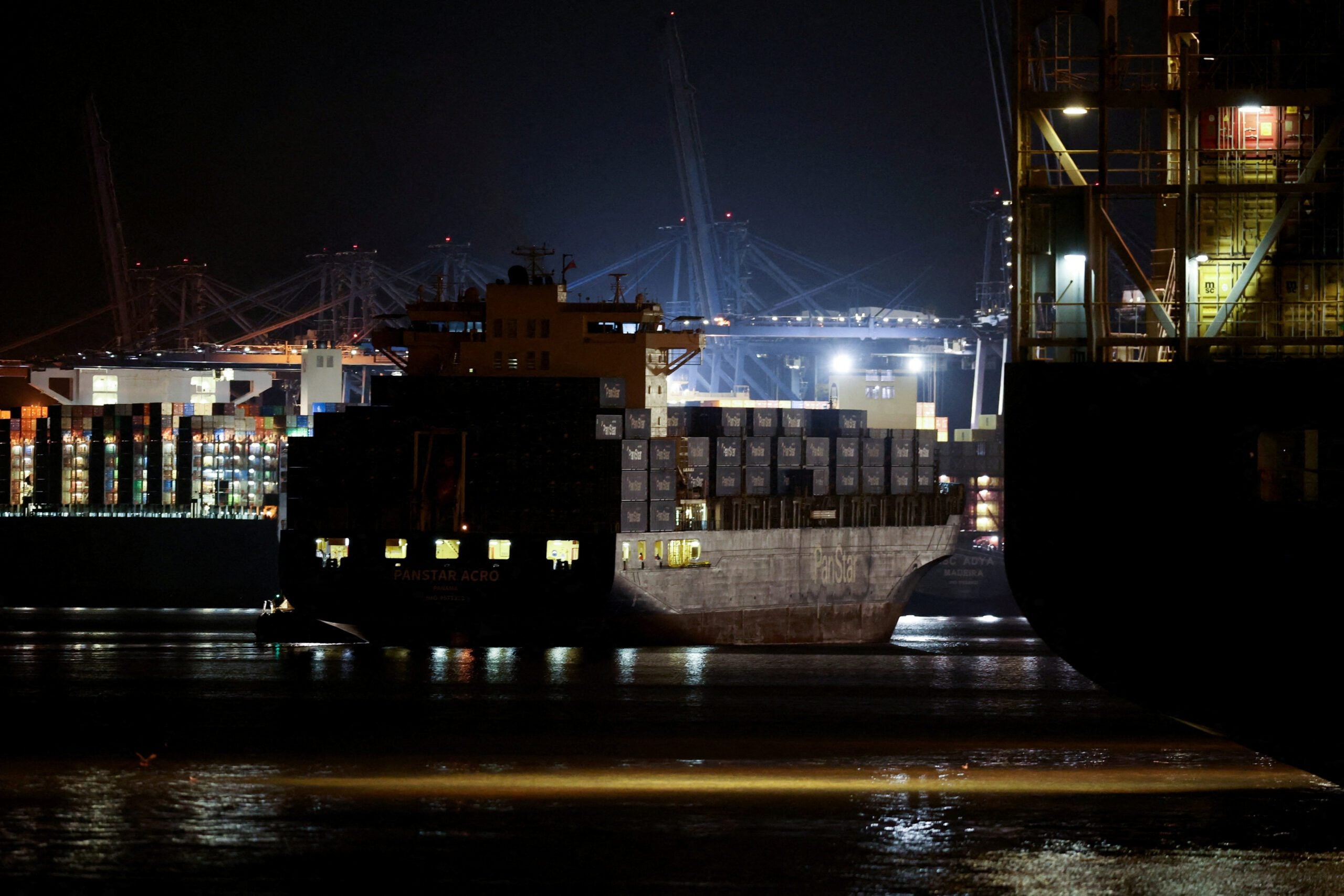
Some growth did emerge in niche segments. Ore shipments rose following two capesize deliveries of iron ore concentrate to China totaling 330,000 tonnes, underscoring the appeal of 10-14 day Arctic voyages to Asian markets. Container shipping also expanded modestly, with 17 vessels carrying 321,000 tonnes between August and October.
Even so, the broader picture is one of contraction. Cargo turnover across ports in the entire Russian Arctic Basin fell 6.3 percent in 2025 to 87.1 million tonnes. Taken together, the declines signal that sanctions are beginning to bite more deeply, delaying or halting energy projects and undermining the growth trajectory of Russia’s flagship Arctic shipping route.

 Join The Club