Orders for alternative-fuelled vessels continued in May but remain well below last year’s pace, highlighting a more cautious and diversified approach to decarbonization investments across the global shipping industry.
According to the latest data from DNV’s Alternative Fuels Insight (AFI) platform, shipowners placed orders for 36 alternative-fuelled vessels in May, bringing the total for 2026 to 119 vessels.
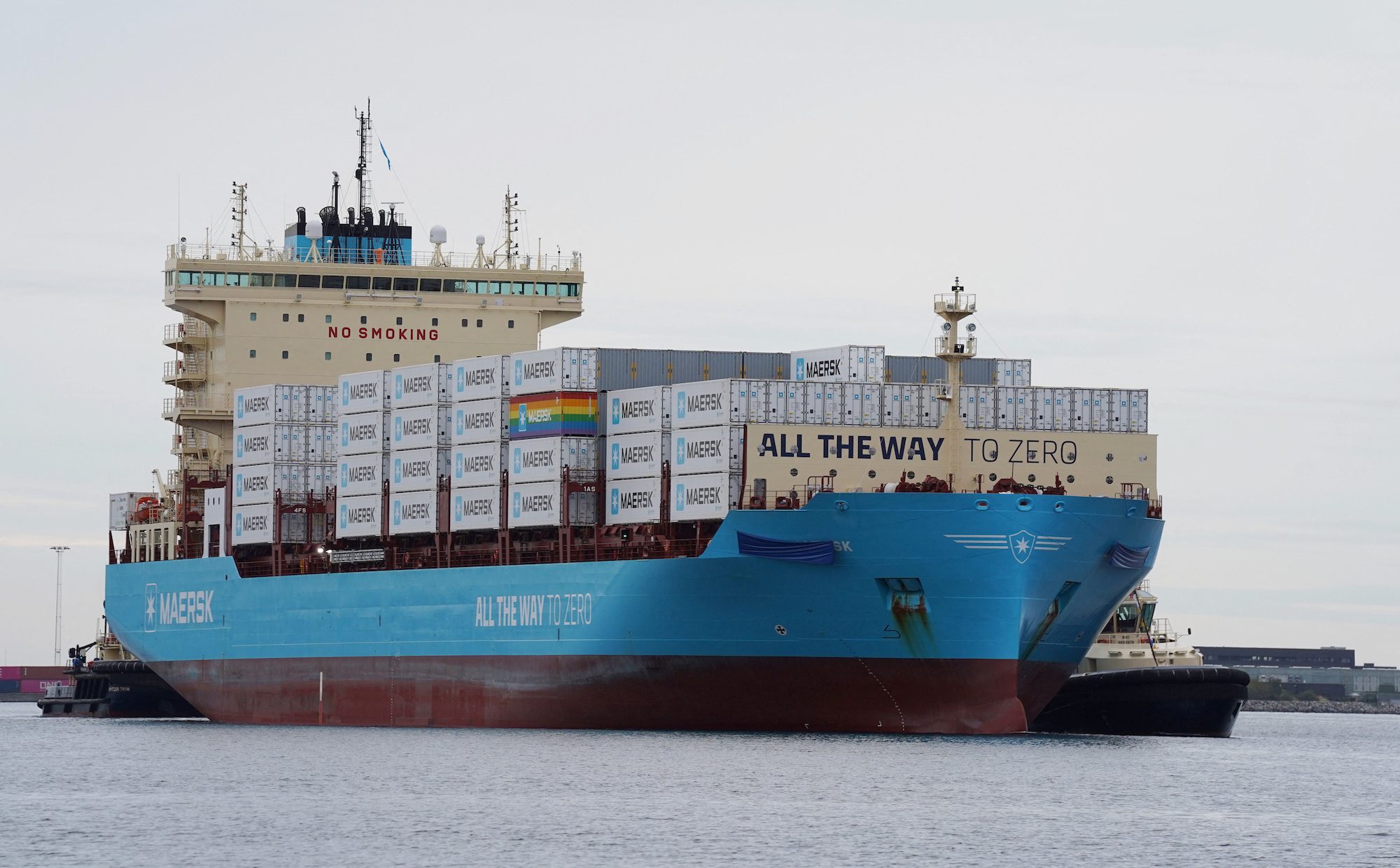
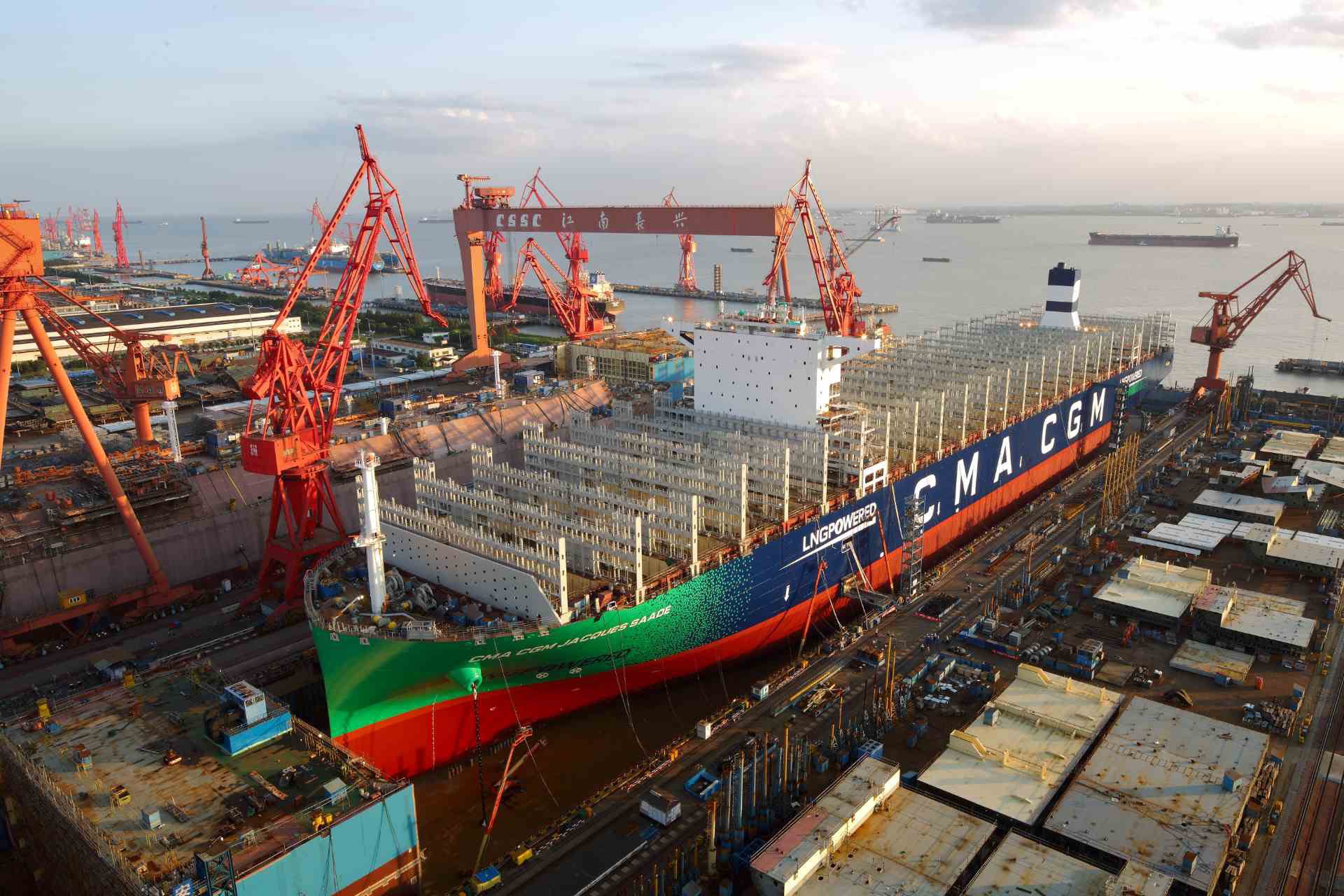
The latest activity was dominated by LPG and ethane carriers, which accounted for 26 of May’s orders. An additional eight LNG-fuelled vessels were ordered, including six containerships and two car carriers, while two ethanol-fuelled bulk carriers rounded out the month’s activity.
LNG continues to lead alternative-fuel contracting this year, accounting for 60 of the 119 vessels ordered through May. Container shipping remains the primary driver, representing 42 of those LNG-fuelled orders, followed by 12 vehicle carriers. Another 50 LPG/ethane carrier orders have been placed so far this year, while orders for methanol/ethanol (4), ammonia (4), and hydrogen (1) remain limited.
Despite the continued flow of orders, DNV noted that the share of alternative-fuelled vessels in total contracted tonnage is significantly lower than during the same period in 2025.
The slowdown comes despite broader momentum in shipping’s decarbonization efforts. Data released last month by the World Shipping Council showed the combined fleet of dual-fuel containerships and vehicle carriers has surpassed 1,200 vessels delivered or on order, representing more than $180 billion in private-sector investment.
According to the WSC, 78% of containerships currently on order and 94% of vehicle carriers on order are capable of operating on alternative fuels, underscoring how liner shipping continues to lead the industry’s energy transition.
Jason Stefanatos, Global Decarbonization Director at DNV Maritime, said the market is evolving as owners balance regulatory uncertainty, fuel availability, and long-term investment risks.
“While the pace of alternative-fuelled contracting has varied compared to 2025, the industry continues to move forward in its transition, with owners advancing fuel and technology decisions against a backdrop of evolving regulatory and market conditions,” Stefanatos said.
He noted that while container shipping continues to lead alternative-fuel adoption, ordering trends are changing.
“As in previous years, ordering of alternative-fuelled vessels has been led by the container segment, but dynamics are shifting,” he said. “While activity remains strong, the focus has moved towards smaller vessels, with fewer very large container ships, which are historically more likely to adopt alternative fuels, being ordered. At the same time, we are seeing increased activity in tanker and bulker segments.”
Stefanatos said shipowners are increasingly avoiding a single-fuel strategy as they position fleets for future emissions regulations and uncertain fuel economics.
“What is also becoming clearer is that fuel choice is no longer approached as a single bet,” he said. “Owners are increasingly treating it as a portfolio decision, managing fuel optionality, timing of investment, and exposure to future regulation as they navigate long-life asset decisions.”
The trend reflects a broader shift in maritime decarbonization. Rather than betting on one future fuel, many owners are ordering vessels capable of operating on multiple fuel pathways, allowing them to adapt as regulations, fuel infrastructure, and technology continue to evolve.
For now, LNG remains the dominant alternative fuel choice, particularly among container operators, while adoption of methanol, ammonia, and hydrogen-powered vessels remains relatively limited despite growing industry interest.

 Join The Club