SEA-LNG says liquefied natural gas continues to dominate orders for alternatively fueled ships, while biomethane production and bunkering infrastructure are expanding as the shipping industry searches for practical pathways to reduce greenhouse gas emissions.
The industry coalition’s 2026 Mid-Year Market Review, released Wednesday, shows LNG dual-fuel vessels accounted for 73 newbuild orders during the first six months of the year, representing nearly 90% of all alternatively fueled vessel orders tracked by classification society DNV.
The report also highlights continued investment in bunkering infrastructure. There are now 67 LNG bunker vessels in operation globally, with another 42 on order.
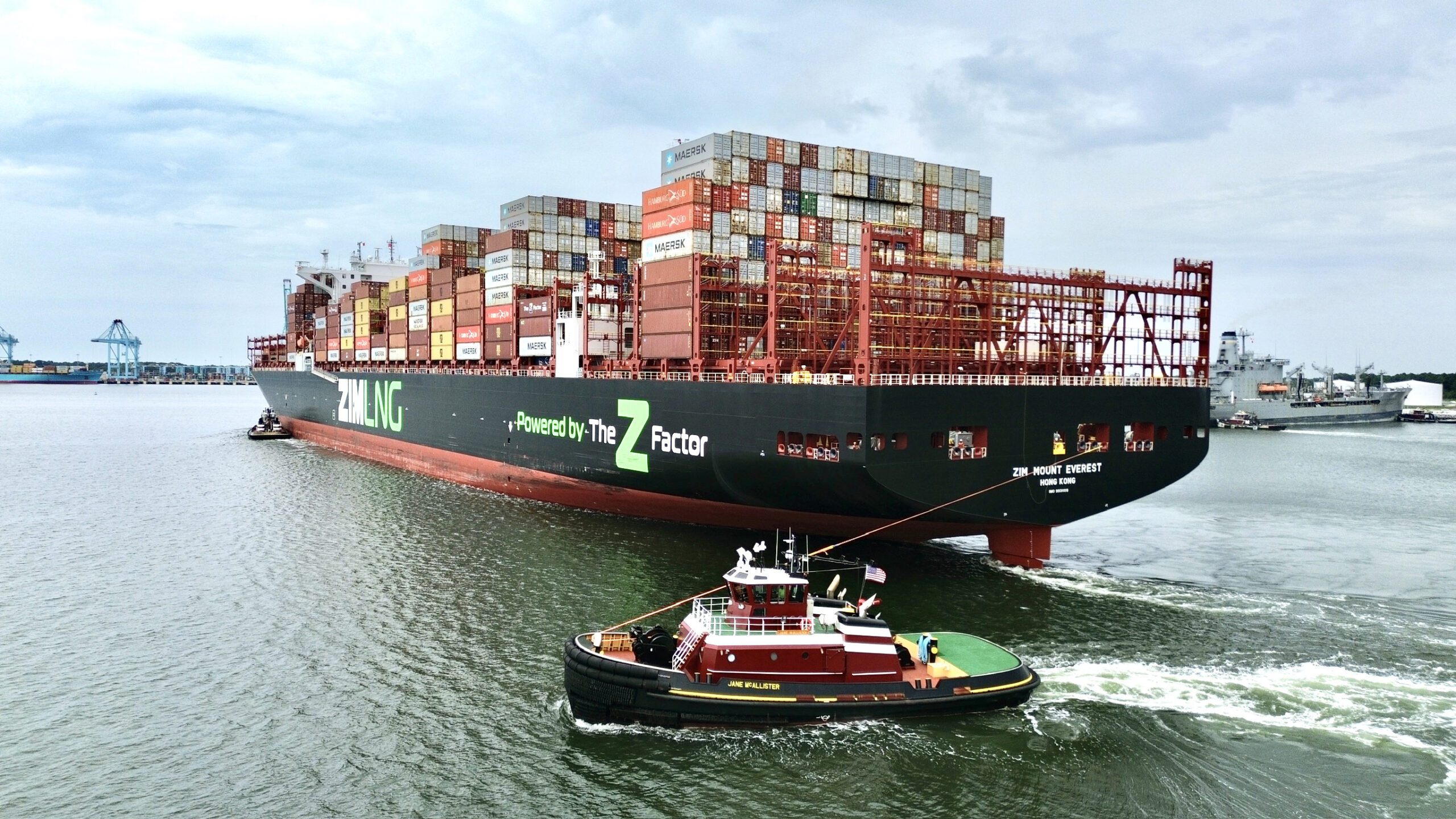
LNG orders remain concentrated in liner shipping, particularly containerships and pure car and truck carriers (PCTCs). SEA-LNG cited separate World Shipping Council analysis showing LNG accounted for 58% of container ship tonnage ordered, compared with 36% for conventionally fueled vessels.
Fuel demand has continued to rise alongside fleet growth. According to Kpler data cited in the report, global LNG bunker volumes averaged about 770,000 cubic meters per month between January and May 2026, roughly 13% higher than during the same period a year earlier as more LNG-powered vessels entered service and fuel economics remained favorable.
The coalition also pointed to growing supplies of liquefied biomethane (LBM), or bio-LNG, which can be used in existing LNG-fueled ships. Data from the European Biogas Association shows European biomethane production capacity reached 8.2 billion cubic meters annually by the end of the second quarter, up 17% from a year earlier. The number of operational biogas plants increased from 1,678 to 1,975 over the same period.
“Despite geopolitical and regulatory uncertainties in 2026, the industry is maintaining momentum on the methane decarbonisation pathway,” said Steve Esau, SEA-LNG’s chief operating officer. “This year’s mid-year review confirms that methane is the practical and realistic solution for shipping decarbonisation.”
SEA-LNG, which marks its tenth anniversary this year, also announced it has been granted provisional consultative status at the International Maritime Organization, allowing the organization to participate more directly in IMO discussions on shipping decarbonization.
Chairman Peter Keller said the industry has expanded significantly since the coalition was founded in 2016. According to SEA-LNG, LNG-fueled vessels in operation or on order have increased from 81 to more than 1,550 over the past decade. LNG bunker vessels have grown from nine to 109, while the number of ports offering LNG bunkering has expanded from 10 to 222 worldwide.
The report comes as debate continues over the long-term role of LNG in maritime decarbonization. Supporters argue LNG provides an immediately available pathway that can transition toward lower-carbon fuels such as biomethane and synthetic e-methane using existing engines and infrastructure. Critics contend methane slip and upstream emissions could limit LNG’s climate benefits compared with zero-emission fuels such as ammonia or hydrogen over the longer term.

 Join The Club