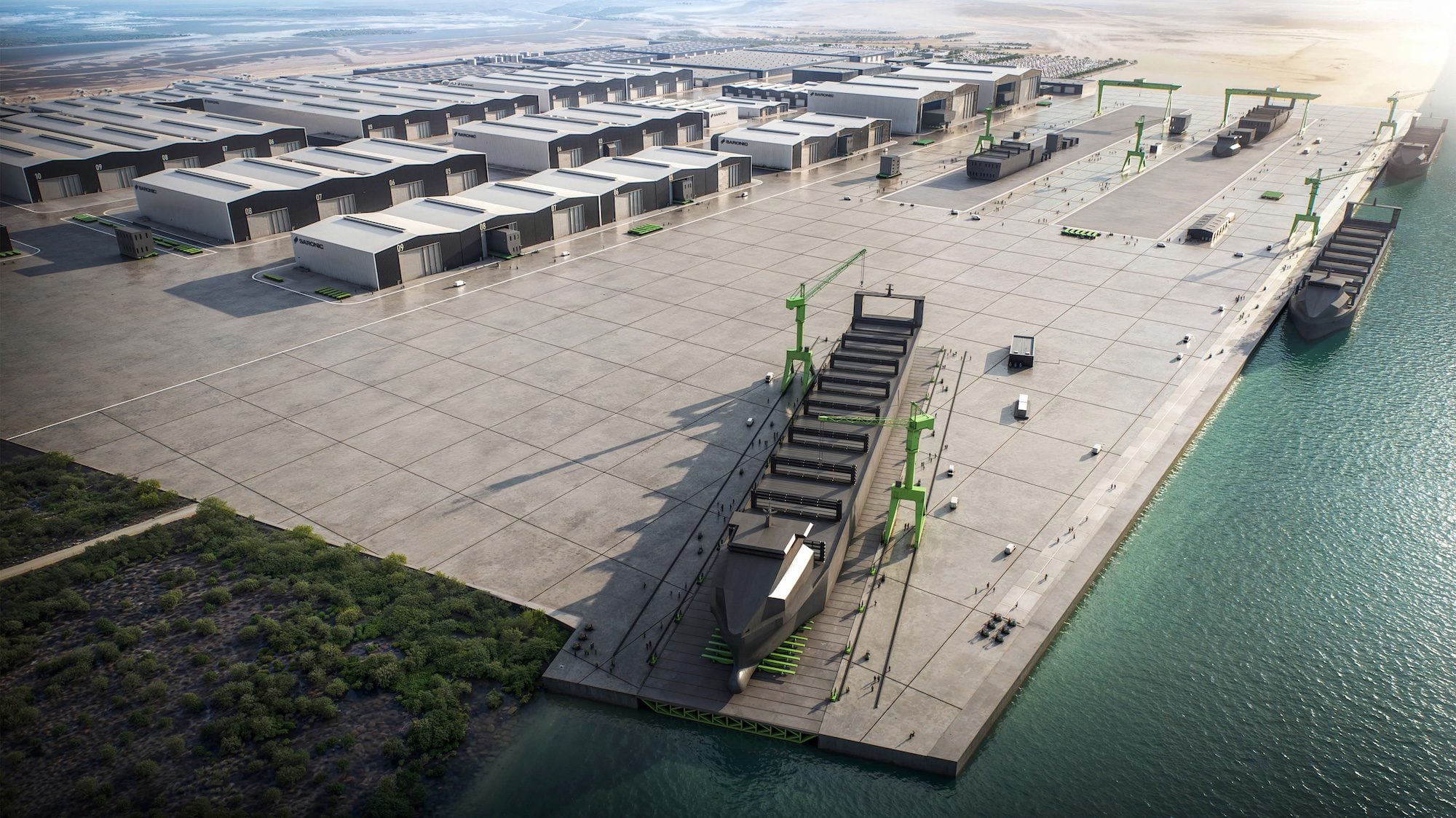
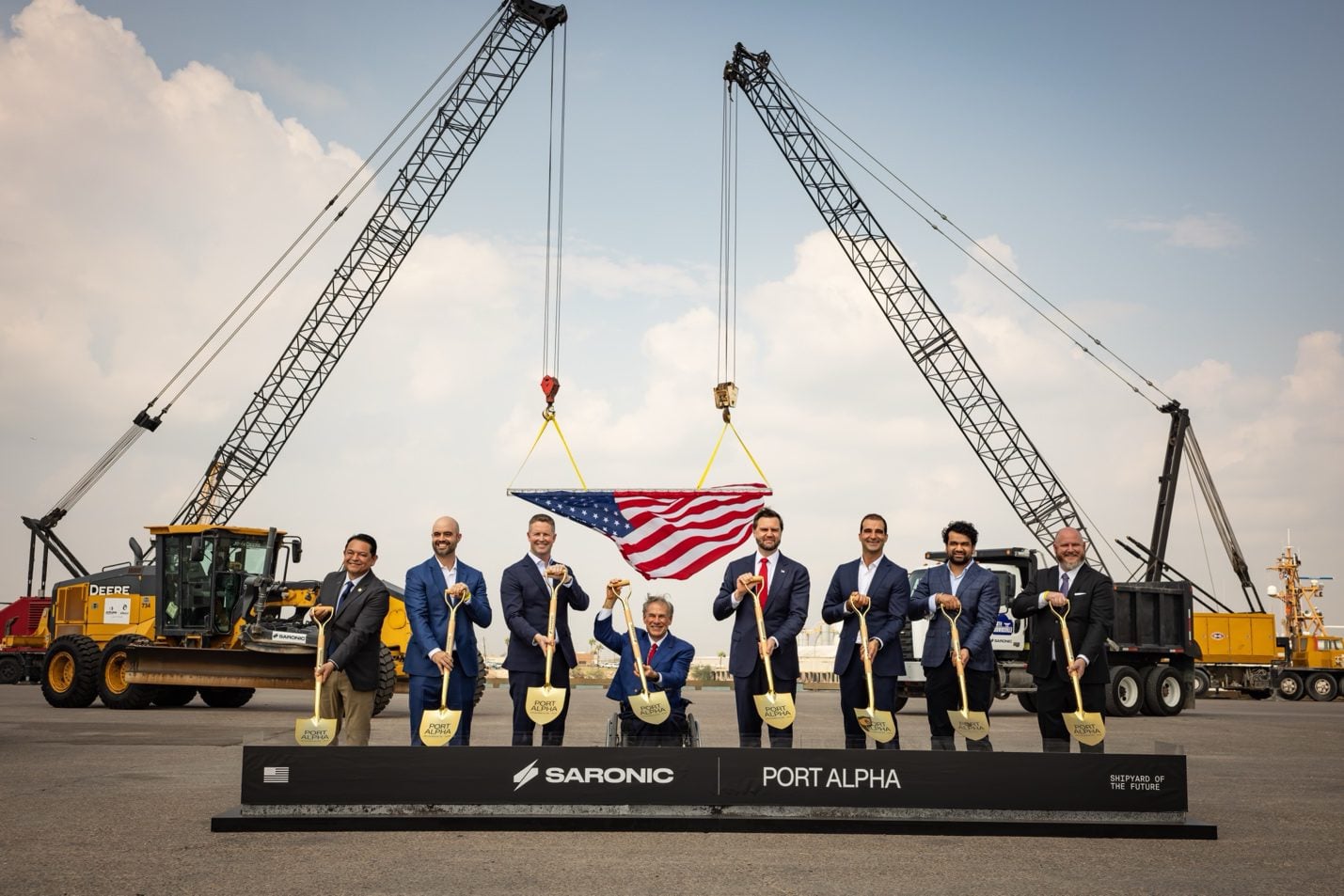
Autonomous vessel developer Saronic has selected Brownsville, Texas, as the site of a planned $3 billion shipyard that the company says will dramatically expand U.S. capacity to build autonomous vessels while supporting broader efforts to revive the nation’s shipbuilding industry.
The facility, dubbed Port Alpha, is expected to begin construction later this year and open in 2028. Located on an initial 835-acre site at the Port of Brownsville with room to expand to nearly 4,400 acres, the shipyard is designed to produce large autonomous vessels while incorporating advanced manufacturing, robotics and software-driven production systems.
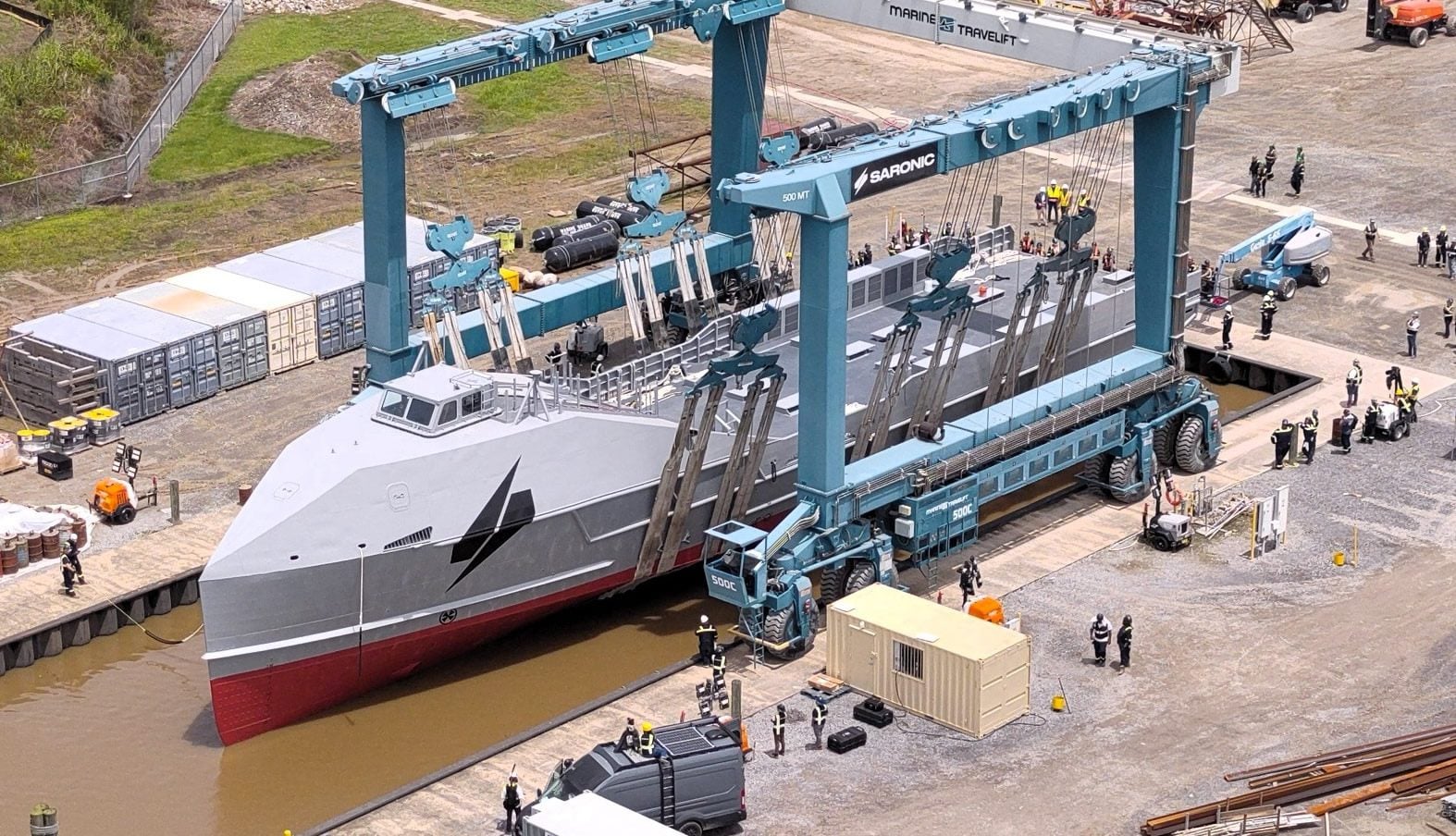
The latest announcement marks another major milestone for the Austin, Texas-based company, which has rapidly emerged as one of the leading players in the maritime autonomy sector. It also represents the next phase of Saronic’s manufacturing expansion. After acquiring Louisiana-based Gulf Craft last year and committing $250 million to modernize the shipyard for production of its Marauder autonomous vessel, the company is now moving to build an entirely new facility aimed at scaling autonomous shipbuilding in the United States.
“America’s maritime future depends on our ability to build again,” Saronic Co-Founder and CEO Dino Mavrookas said in announcing the project. “Port Alpha is our commitment to that mission. Built from the ground up to deliver ships at a speed and scale not seen since World War II, this investment is about more than constructing a shipyard. It is about rebuilding the industrial capacity, workforce, and manufacturing advantage required to ensure American maritime leadership for decades to come.”
Saronic said it selected Brownsville following a year-long search that evaluated locations across the East, West and Gulf coasts. The company cited the region’s available workforce, deepwater access, transportation infrastructure and room for future expansion.
According to the company, Port Alpha will be capable of building vessels up to 850 feet long initially, with future expansion supporting vessels exceeding 1,200 feet. The project is expected to create up to 10,000 direct jobs over the next decade, ranging from skilled trades such as welding and machining to robotics, software engineering and naval architecture. Saronic also said it plans to partner with Texas educational institutions to develop workforce training and apprenticeship programs.
The announcement comes just days after Saronic’s Corsair autonomous surface vessel made its combat debut during U.S. military operations against Iranian naval infrastructure near the Strait of Hormuz, underscoring how rapidly autonomous maritime systems are moving from experimentation into operational service.
U.S. Central Command confirmed earlier this week that three Saronic-built Corsair unmanned surface vessels struck a submarine and ship maintenance facility at Iran’s Bandar Abbas Naval Base, marking what the military described as the first combat use of American sea drones. The operation followed another milestone in June, when a Navy-operated Corsair rescued two U.S. Army aviators after their Apache helicopter crashed off the coast of Oman.
The announcement aligns with the Trump administration’s push to rebuild domestic shipbuilding capacity through initiatives including the Maritime Action Plan and the proposed SHIPS for America Act, which seek to reverse decades of decline in U.S. commercial shipbuilding and reduce reliance on foreign yards.
For Saronic, the Brownsville project marks a significant step beyond building autonomous vessels toward creating the industrial capacity needed to manufacture them at scale. Together with its Louisiana facility, the company says the investments represent a multi-billion-dollar commitment to expanding U.S. shipbuilding capacity and accelerating production of autonomous maritime systems.

 Join The Club