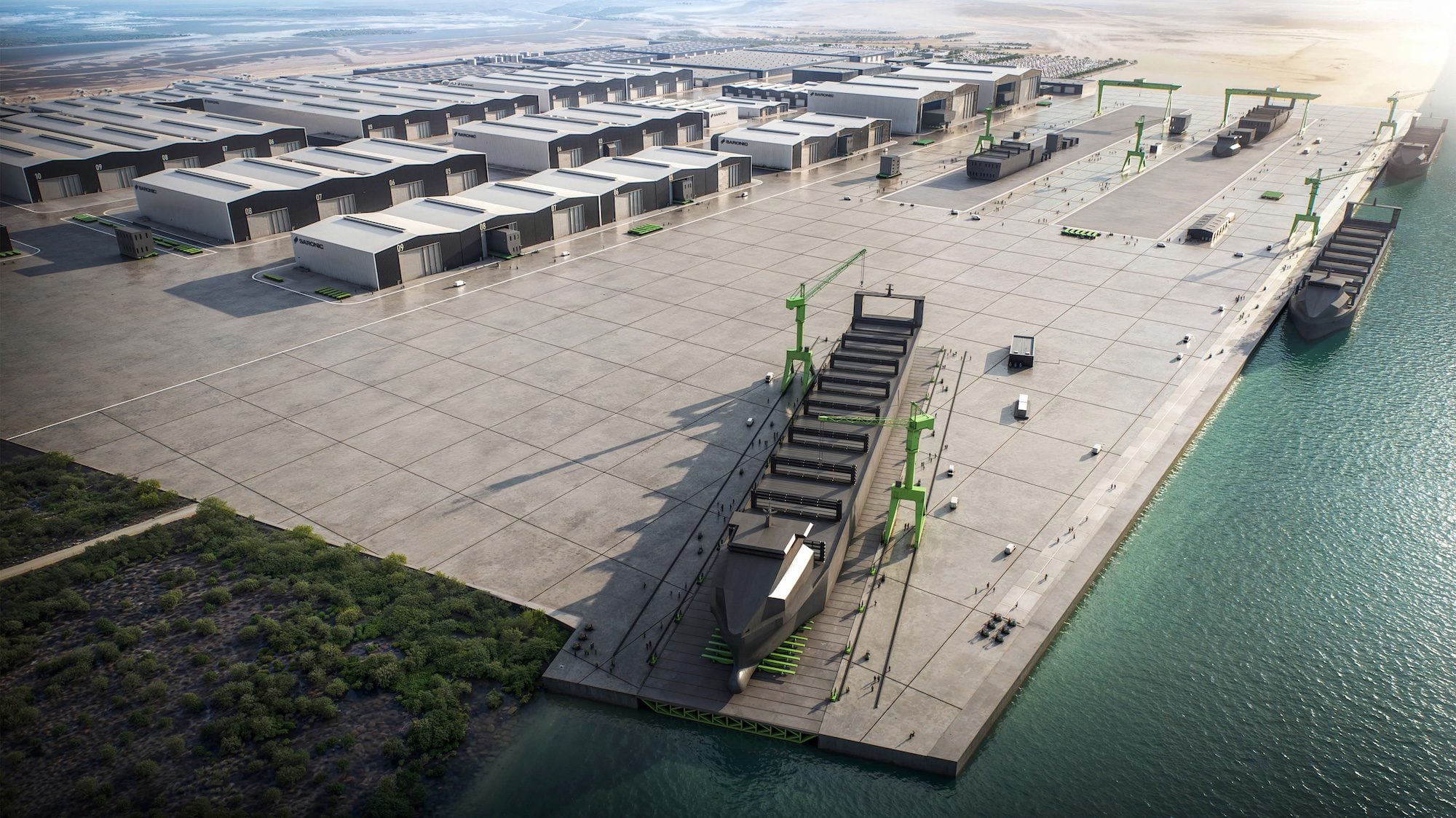
California Forever and a broad coalition of labor, manufacturing, construction, housing, and business organizations say California lost Saronic’s planned $3.2 billion Port Alpha shipyard because the state could not move fast enough to meet the company’s permitting timeline.
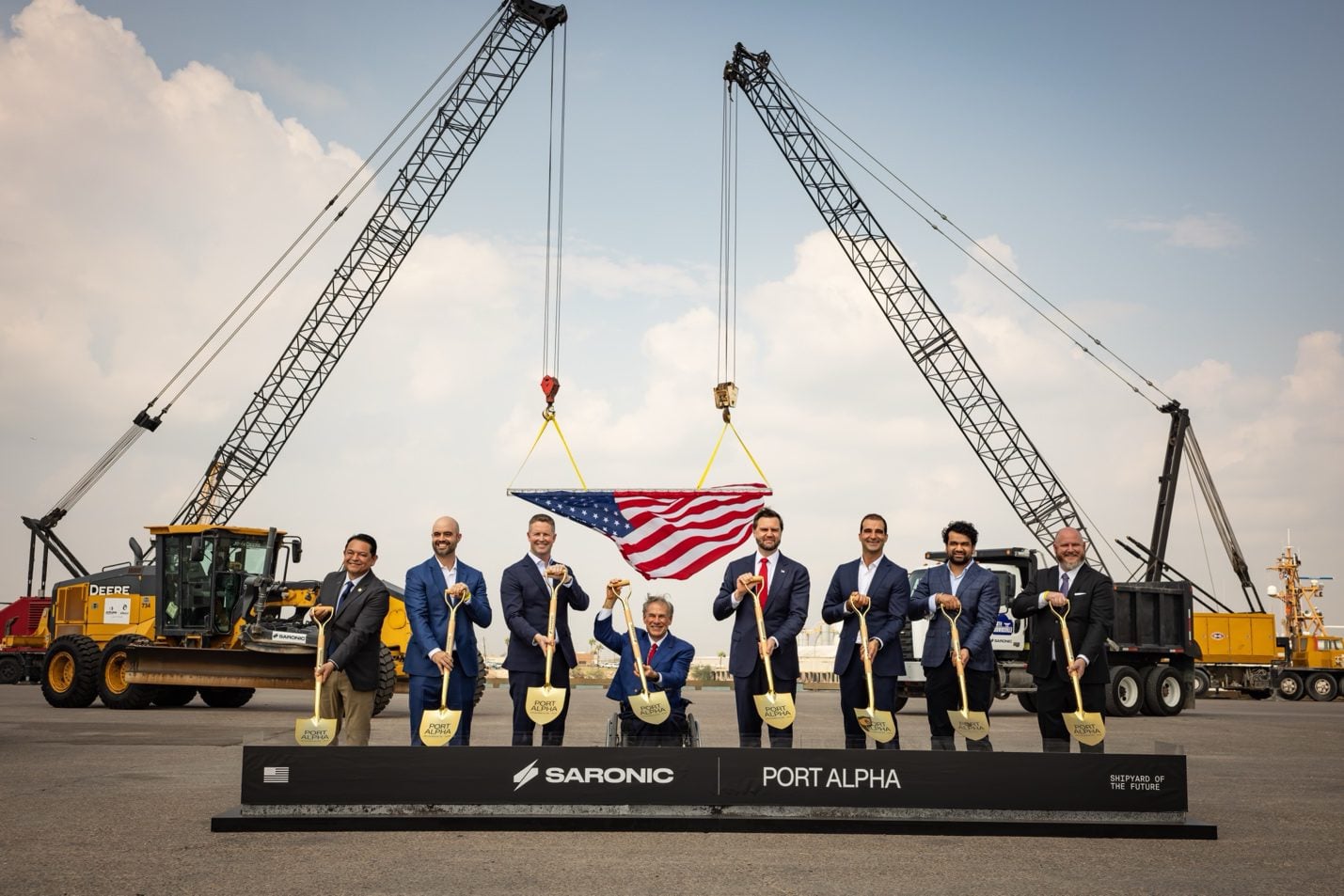
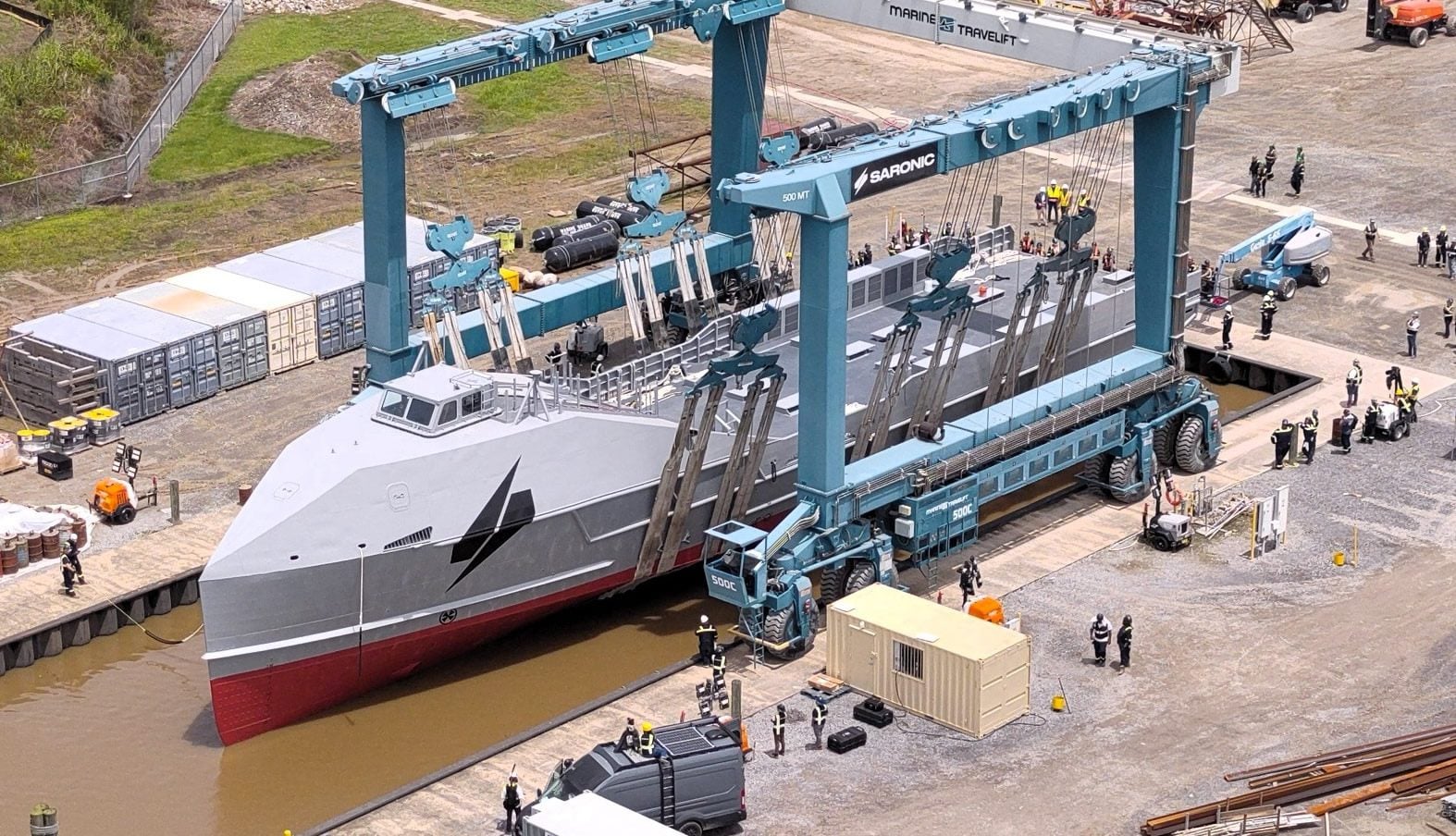
The coalition issued the statement after Saronic announced it had selected Brownsville, Texas, as the site for Port Alpha, a next-generation shipyard expected to create up to 10,000 direct jobs as part of a planned investment exceeding $3 billion.
According to the coalition, California was one of two finalists among 17 states considered by Saronic, with Solano County offering what it described as the strongest West Coast location thanks to its deep-water access, skilled workforce, available land, and proximity to military installations, research institutions, and California State University Maritime Academy.
“The good news is: out of 17 states, California had easily the best site and was one of two finalists,” the statement said. “The bad news is: we were passed over because… our approval process cannot accommodate the required speed without special legislation, which was not passed in time.”
The coalition said it spent months working with state officials to develop legislation that would have streamlined permitting for large industrial projects while preserving local control and existing environmental protections. It argued the proposal would have reduced bureaucratic delays without weakening environmental safeguards or removing local governments’ authority to approve or reject projects.
“Our coalition’s warning about losing the opportunity to Texas has now become reality,” the statement said. “We hope this missed opportunity serves as a wake-up call that inaction and political gridlock have real costs for all Californians.”
California Forever has promoted the proposed 7,500-acre Solano Shipyard as the centerpiece of a larger maritime industrial campus. Under the proposal, California Forever would serve as the master developer, constructing core infrastructure including roads, utilities, power, fiber, and water systems while developing the adjacent Solano Foundry supplier park and Solano Living residential community. The company says the site is large enough to accommodate multiple shipyards supporting both commercial and naval shipbuilding, as well as ship repair, and that it remains in discussions with other domestic and allied shipbuilders interested in locating there.
Saronic, however, selected Brownsville following what it described as a year-long nationwide site search evaluating locations across the East, West, and Gulf coasts. The company said Texas was chosen after considering workforce availability, infrastructure readiness, land scale, logistics, and expansion potential.
The decision has also sparked disagreement over why California lost the project. State Senator Christopher Cabaldon has argued that California Forever undermined the effort by tying the shipyard proposal to its broader housing development, while California Forever maintains the decisive factor was the Legislature’s failure to approve expedited permitting legislation before Saronic made its site selection. Saronic’s announcement does not assign blame for California’s unsuccessful bid, instead focusing on the factors that led the company to choose Brownsville.

 Join The Club