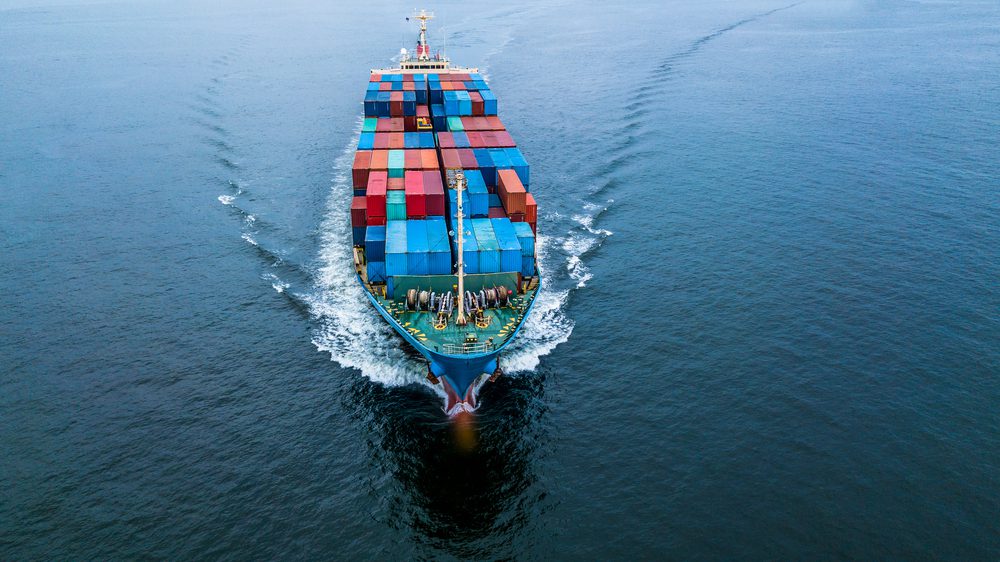
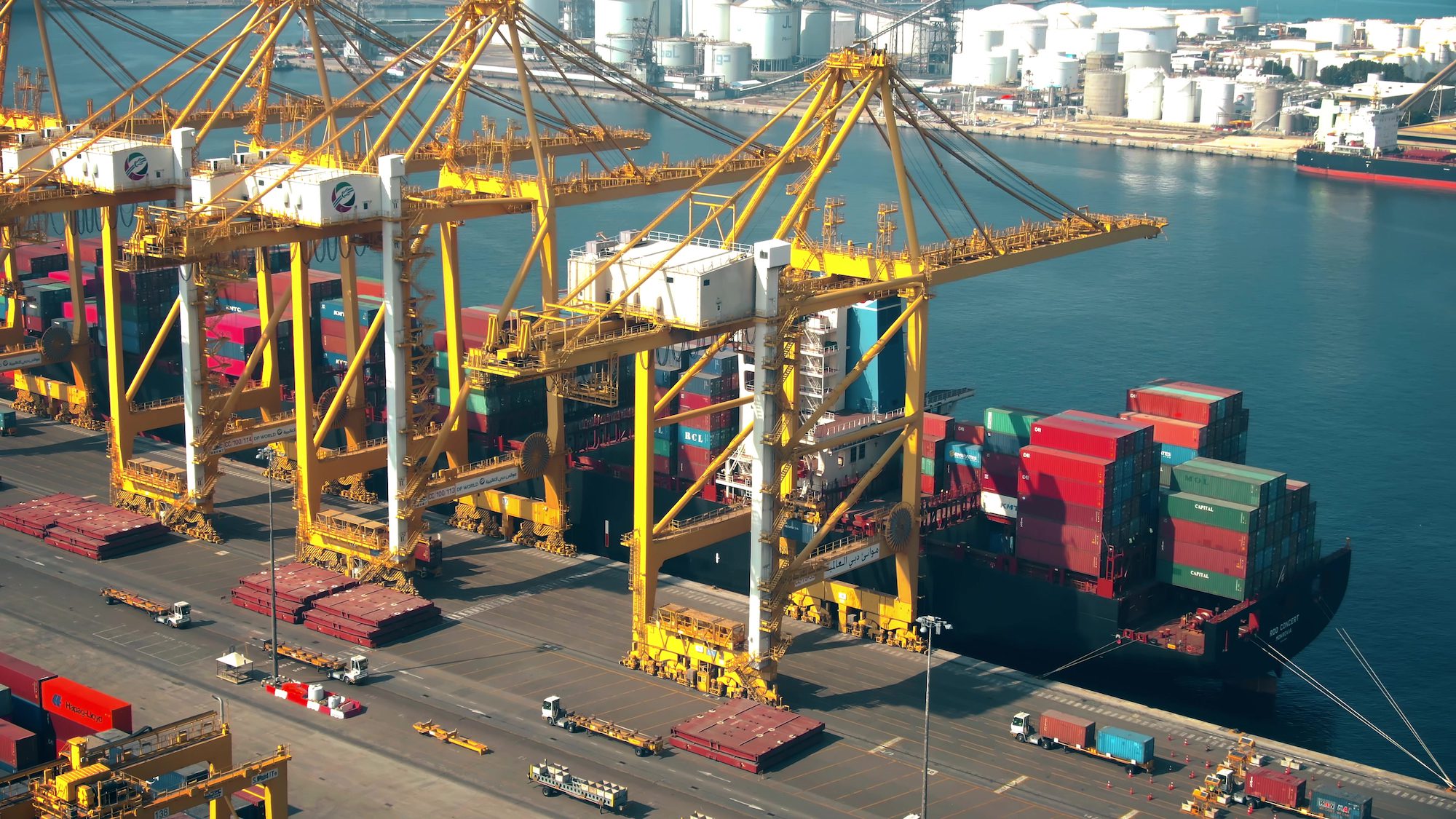
The push to bring nuclear energy back into commercial shipping is gaining momentum as the American Bureau of Shipping (ABS) and South Korea’s HD Hyundai shipbuilding group launch a new effort to study nuclear-powered propulsion for large containerships.
ABS, HD Korea Shipbuilding & Offshore Engineering (HD KSOE) and HD Hyundai Samho Heavy Industries (HD HSHI) announced Monday they have signed a Joint Development Project (JDP) to explore the conceptual design of a nuclear-powered electric propulsion system for a 16,000-TEU containership.
The project will assess the technical feasibility of integrating nuclear energy with electric propulsion architecture, focusing on the design framework required to support next-generation ultra-large container vessels.
“This project represents an important step in exploring the potential of a nuclear-powered electric propulsion system for container vessels,” said Matthew Mueller, ABS Vice President, North Pacific Business Development. “By combining HD Hyundai’s shipbuilding expertise with ABS’ deep engineering experience in maritime safety, we aim to evaluate technologies that can support safer, more efficient and lower-emission operations for the next generation of propulsion solutions.”
Under the agreement, HD KSOE and HD HSHI will develop the basic vessel design, electrical component specifications, and system arrangement plans for the nuclear-powered electric propulsion concept tailored specifically for containerships.
HD Hyundai says the initiative reflects growing interest in carbon-free propulsion technologies as shipowners face mounting pressure to meet global decarbonization targets.
“In response to the growing demand for eco-friendly ships, we are continuously pursuing the development of electric propulsion systems using nuclear energy—a carbon-free energy source,” said Kwon Byung-hun, Head of the Electrification Center at HD KSOE. “We will expand our R&D efforts to strengthen our technological competitiveness in nuclear-linked electric propulsion.”
Nuclear Momentum Builds Across Maritime Sector
The project is the latest in a series of nuclear-focused maritime initiatives involving ABS and South Korean shipbuilders as the industry explores small modular reactors (SMRs) and advanced reactor designs for both ship propulsion and offshore power generation.
In September 2025, the Korea Atomic Energy Research Institute (KAERI) and Samsung Heavy Industries received the world’s first Approval in Principle (AiP) from ABS and the Liberian flag state for a nuclear-powered LNG carrier powered by a 100 MWth molten salt reactor (MSR).
Earlier in June 2025, ABS also granted Approval in Principle to HD Hyundai Heavy Industries and HD KSOE for a floating SMR nuclear power module designed to generate electricity offshore for ports, coastal grids, and industrial facilities.
Beyond propulsion and power generation, researchers are even exploring nuclear-powered infrastructure at sea. A study released by ABS and Herbert Engineering proposed floating nuclear-powered data centers, using SMR reactors mounted on barges to supply carbon-free electricity for energy-intensive AI computing facilities while using surrounding seawater for cooling.
Taken together, the projects signal growing interest in nuclear technology as a potential long-term solution for shipping’s decarbonization challenge, particularly as the industry struggles with the cost, availability, and infrastructure requirements of alternative fuels such as green methanol, ammonia, and hydrogen.
However, major hurdles remain before nuclear-powered commercial ships become reality. These include regulatory frameworks, port acceptance, insurance structures, crew training requirements, and public acceptance of nuclear technology operating in global shipping lanes.
For now, projects like the ABS–HD Hyundai collaboration remain firmly in the conceptual and feasibility stage, but they underscore how rapidly nuclear energy is re-entering discussions about the future of maritime propulsion.
As global shipping searches for scalable zero-carbon energy solutions, nuclear power—once abandoned after early experiments in the 20th century—may be quietly charting a return to the high seas.
Editorial Standards · Corrections · About gCaptain

 Join The Club