By Gavin van Marle (The Loadstar) – After ONE cancelled bookings to Middle East Gulf ports yesterday, its chief executive, Jeremy Nixon, told delegates at the S&P Global TPM event in Long Beach yesterday of the ripple effects of a growing backlog of container cargo.
“The immediate cessation of bookings means there’s cargo already in-gated in terminals which will not get lifted on a ship now. That’s going to create headaches for port operators in terms of stack utilisations and the fluidity of their terminal.
“And then carriers are going to have to try to prioritise empties and move other cargo around.
“So yeah, it’ll inevitably have an impact on freight rates; it’ll inevitably have an impact on fuel costs; inevitably have an impact on equipment imbalance as well,
“Now, you may be sitting there thinking, ‘oh, you know, he’s a carrier, he would say that’ – but if you look back at all these other events and use the data and put it into your Chat GPT, they would predict that same sort of potential disruption,” he said.
The closure of the Strait of Hormuz meant three key things for container shipping, he added.
“We’re into day three, but already the immediate implications are that war insurance has come off, so you can’t put any ships through; you can’t insure your assets there.
“Secondly, fuel prices are rapidly escalating, and then thirdly, most of the carriers stopped bookings to the Middle East – and this is a pretty big trade, so all of that cargo is going to start backing up into the hubs and into the key locations in Europe and in Asia.
He explained that vessels en route to the Middle East would be forced to unload cargo “in places like Colombo, Fujairah, and other locations”.
Turloch Mooney, head of port intelligence at S&P, noted that the closure was already having an effect.
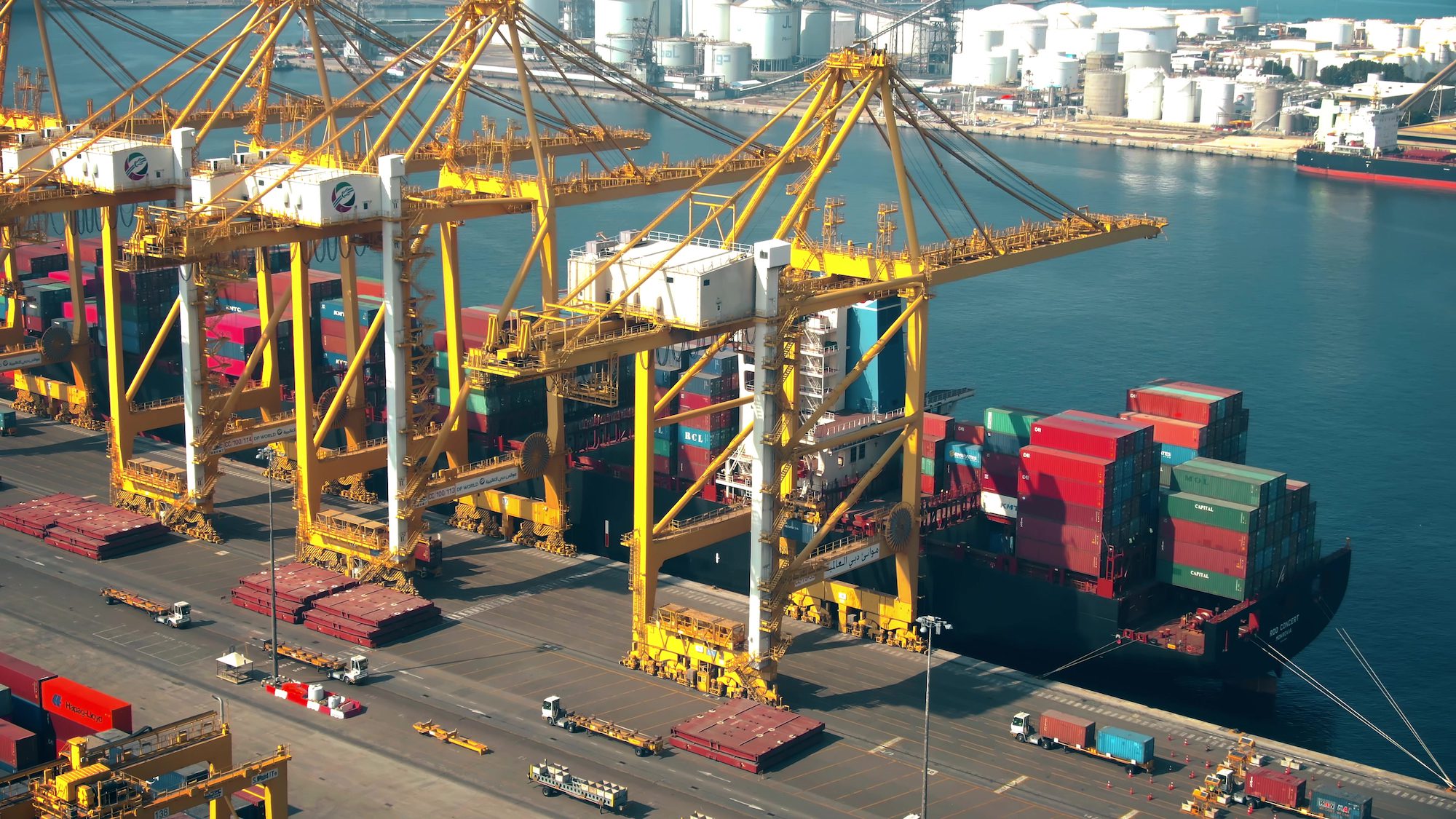
“We’re already seeing a huge amount of disruption and congestion at South Asian ports Mundra, Mumbai, Colombo, because Jebel Ali is completely non-operational and cargo has been diverted.”
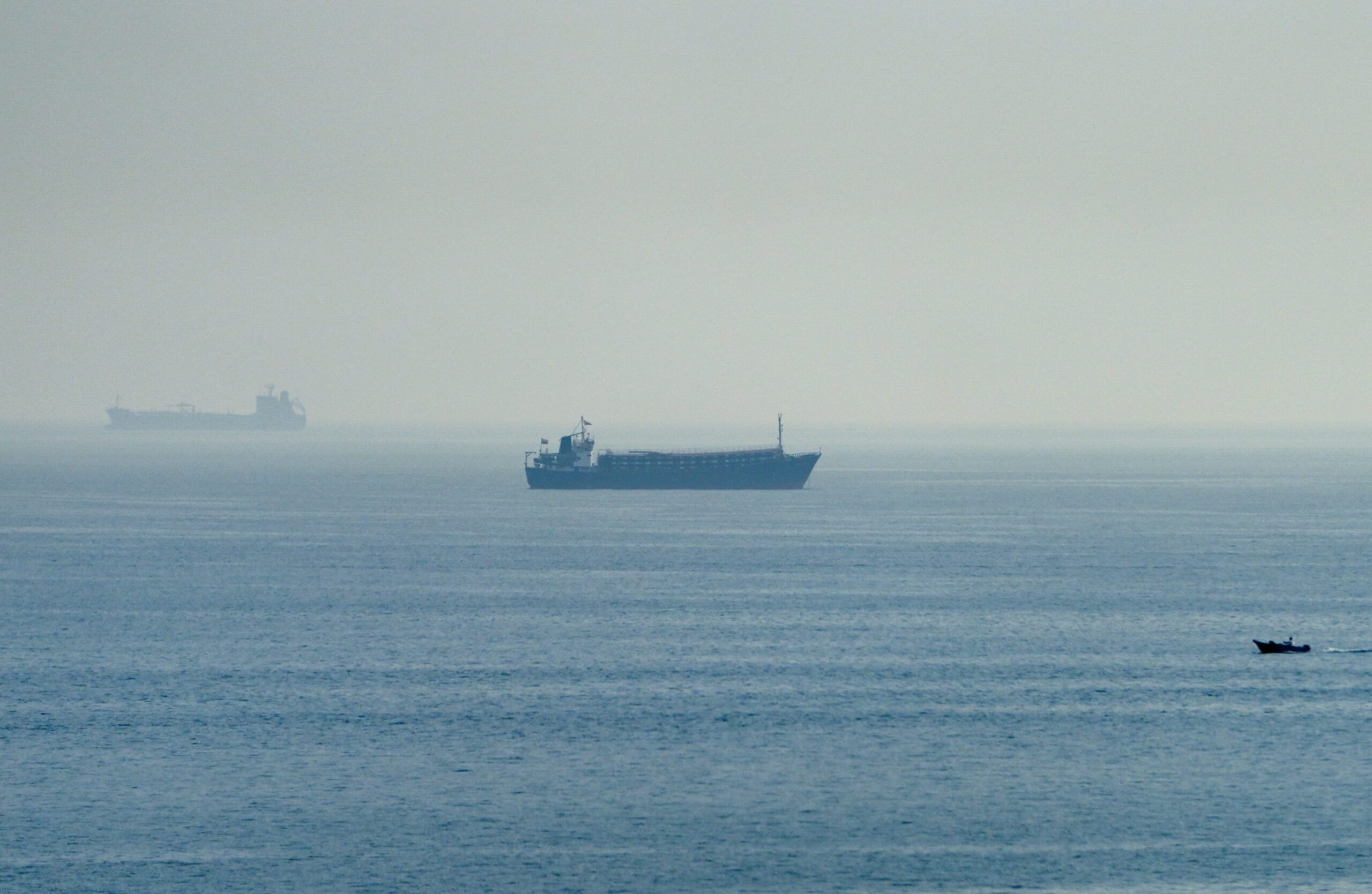
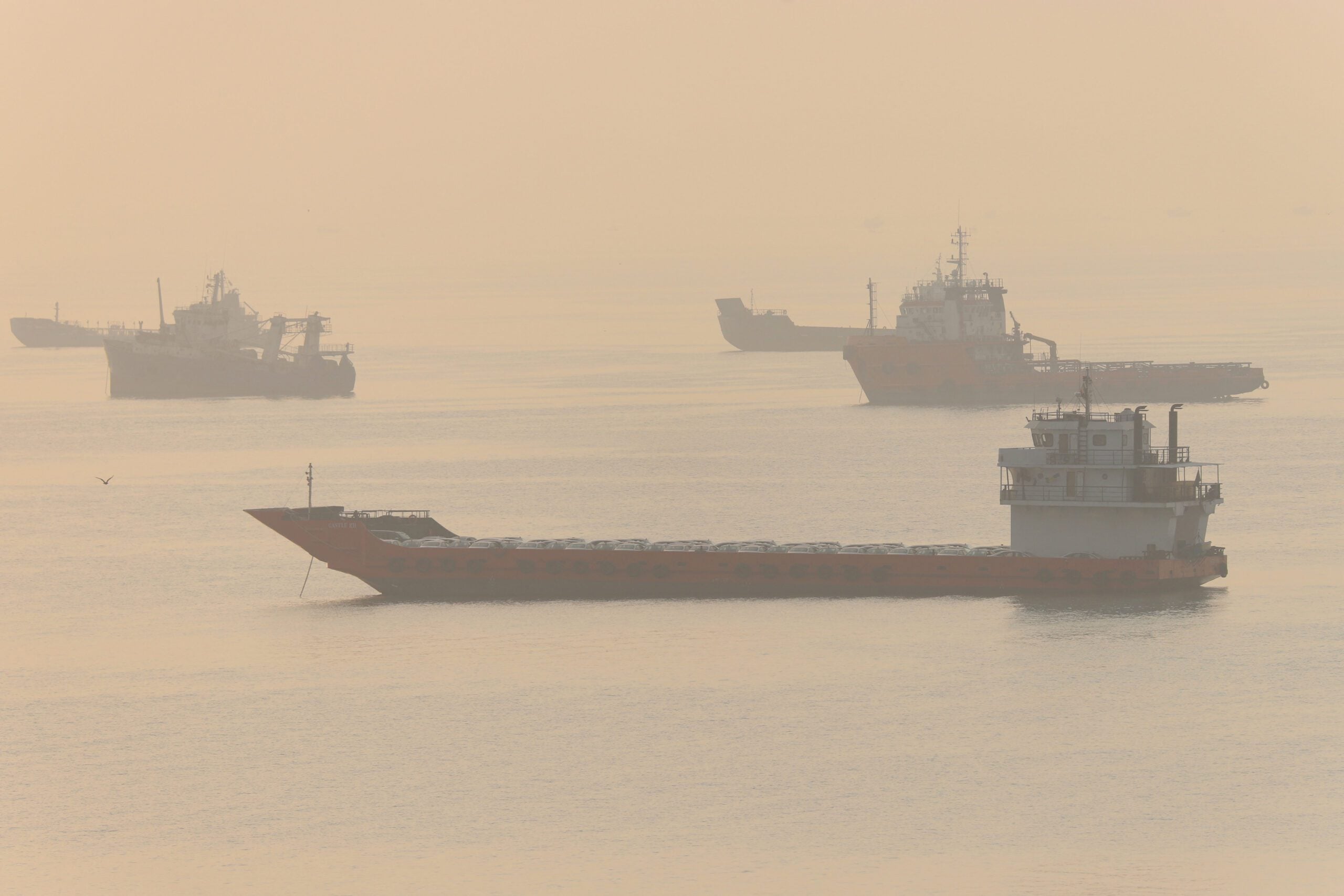
And he added that the any reopening of Hormuz would likely result in further congestion – “these are vessels that are just stuck there, can’t move”.
He added: “Once a safe window opens and those vessels start to move, they’re all going to be reaching their destinations simultaneously, which will clearly overwhelm port operations – from the ports’ perspective, it’s completely catastrophic,” he said.
And beyond container shipping, Mr Nixon reminded delegates, there were other factors at work.
“If the Strait of Hormuz doesn’t open after about 21 to 25 days, production sites in the Middle East will have to start curtailing production because they’ve got nowhere to put the oil and the gas.
“We’re looking at a really significant oil shock, in terms of price. I think $100 a barrel is quite possible, which would create a big energy spike, causing a global push up in bunker fuel oil costs.
“The other is the human story behind this – there are thousands of seafarers out there. We’re very concerned, very worried.
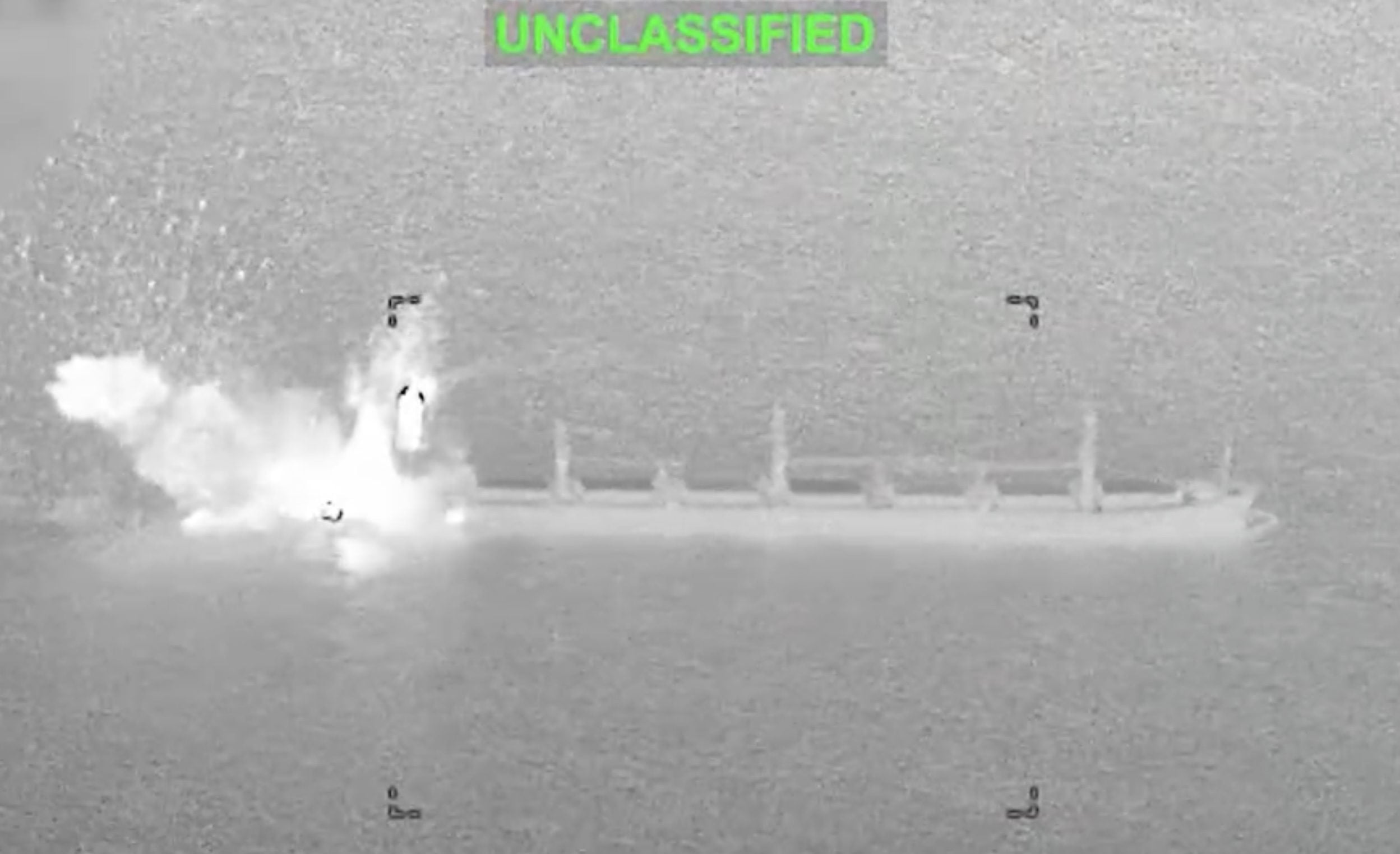
“Five tankers were attacked in the past 24 hours. One of them was just an anchor off Oman, it wasn’t even in the Gulf of Hormuz, it was in Omani waters, and it got hit and crew had been killed. This is also a human story as well,” Mr Nixon said.
The Loadstar is known at the highest levels of logistics and supply chain management as one of the best sources of influential analysis and commentary.

 Join The Club