Oct 24 (Reuters) – Ras Al Khaimah authorities said on Saturday that all beaches in the emirate would be closed until further notice, a day after anoffshore oil leak prompted beach closures in neighboring Umm Al Quwain and Sharjah.
The Public Services Department announced the closures in a statement shared by Ras Al Khaimah Police General Headquarters. No reason was given.
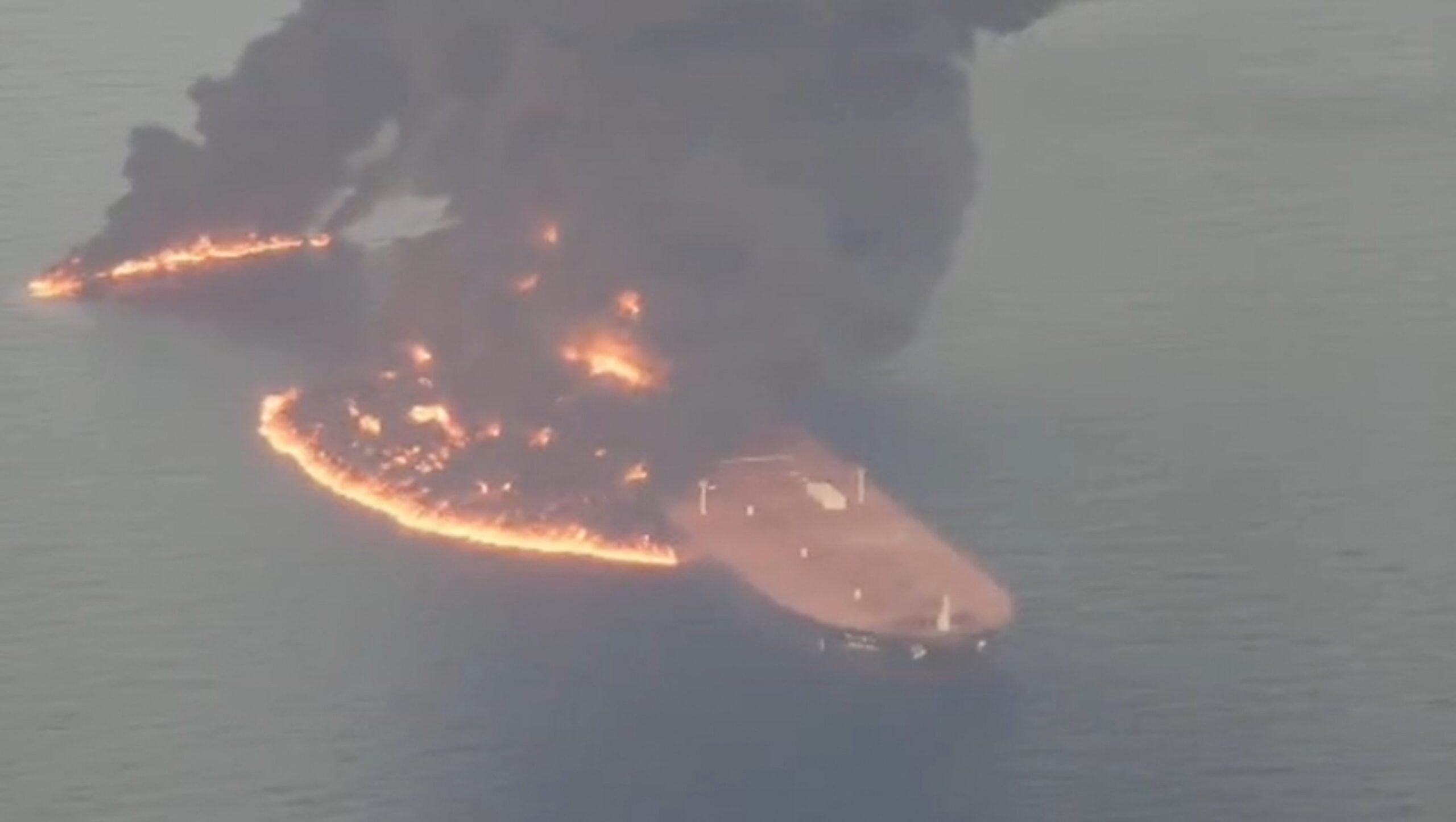
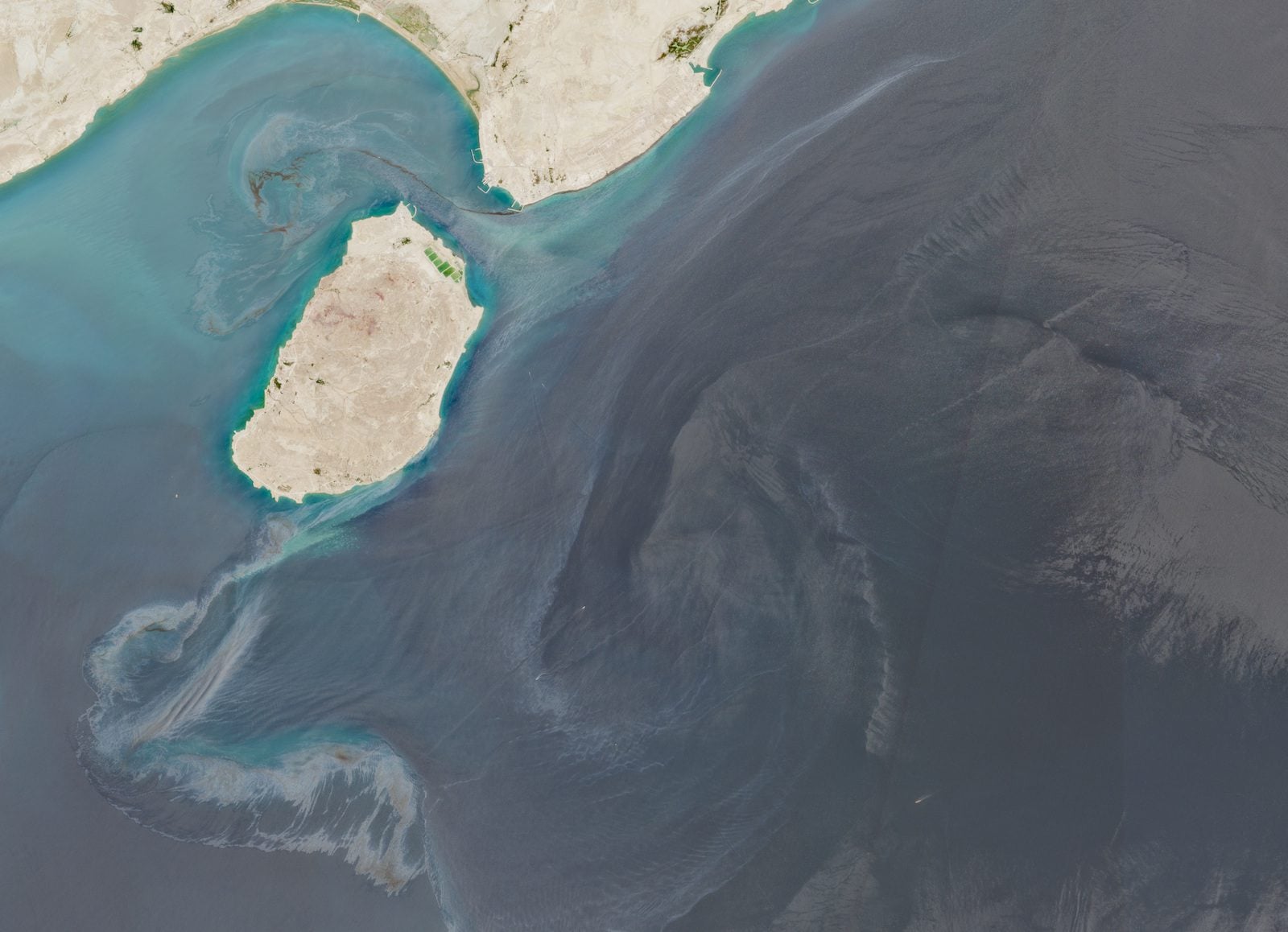
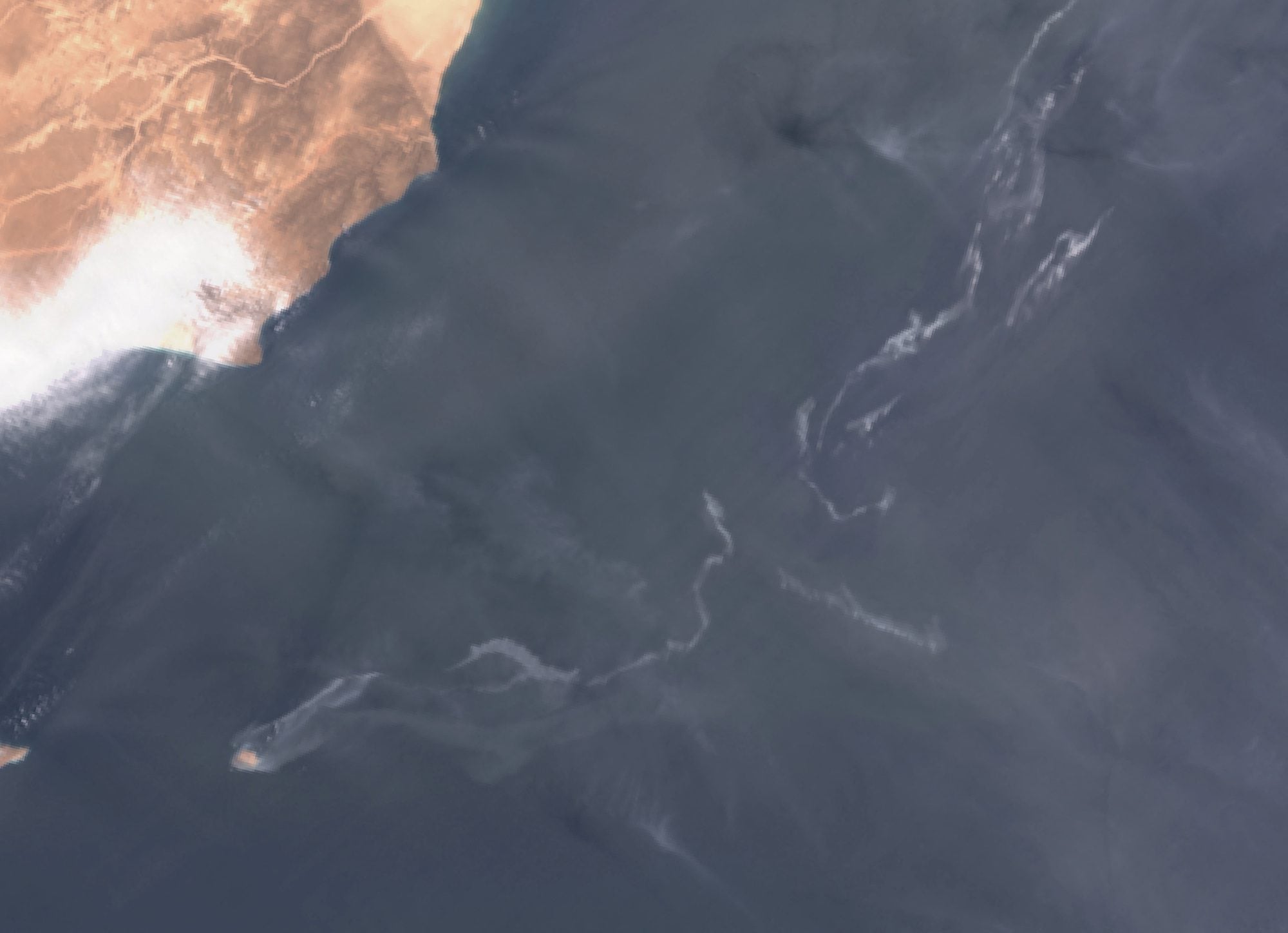
The United Arab Emirates said on Friday that efforts were underway to contain oil leaking from a tanker offshore, with its Ministry of Climate Change and Environment conducting an environmental assessment.
All beaches and coastal areas around the city of Umm Al Quwain were temporarily closed until technical teams completed their assessments and determined the necessary safety and marine protection measures, the ministry said.
The ministry also urged fishermen and other sea users to avoid affected areas and follow official instructions.
Authorities in Sharjah temporarily closed Al Hamriyah Beach, on the UAE’s northern coast near the border with Umm Al Quwain, as a precaution, the Sharjah Government Media Bureau said.
Since the start of the US-Israeli war with Iran, attacks on commercial vessels in Gulf shipping lanes have heightened concerns about maritime security and the conflict’s environmental fallout.
Ras Al Khaimah, a northern UAE emirate known for its beaches and luxury resorts, is also home to Wynn Resorts’ planned casino resort on Al Marjan Island.
The Las Vegas-based operator, which won the UAE’s first commercial gaming license in 2024, said in February it expected the resort to open in the first quarter of 2027.
Wynn said in March it had resumed construction after a brief pause, even as the Iran war continued to disrupt businesses across the Middle East.
Residents reported unusual odors in parts of Sharjah, Ajman and Umm Al Quwain, but the UAE’s environment ministry said they posed no health risks. The smell remained pungent across Umm Al Quwain on Friday.
UAE authorities have not named the tanker involved in the incident or said what caused the spill.
(Reporting by Eman Abouhassira and Maha El Dahan; Editing by Mark Potter)
(c) Copyright Thomson Reuters 2026.

 Join The Club