By Weilun Soon (Bloomberg) — The International Maritime Organization is working on an evacuation plan for hundreds of ships that have been stuck in the Persian Gulf since US and Israeli strikes on Iran began more than seven weeks ago, according to Secretary General Arsenio Dominguez.
The plan can only be put into action when there are clear signs of de-escalation, Dominguez said on the sidelines of Singapore Maritime Week on Tuesday. The United Nations agency would also need to ascertain if mines had been laid in the strait before sending ships through, he said.
“In order for us to do anything at all, we need to make sure that the conflict has come to an end, that there’s no threats of any ships being attacked and that the region is clear from any hazards, including mines,” Dominguez said.
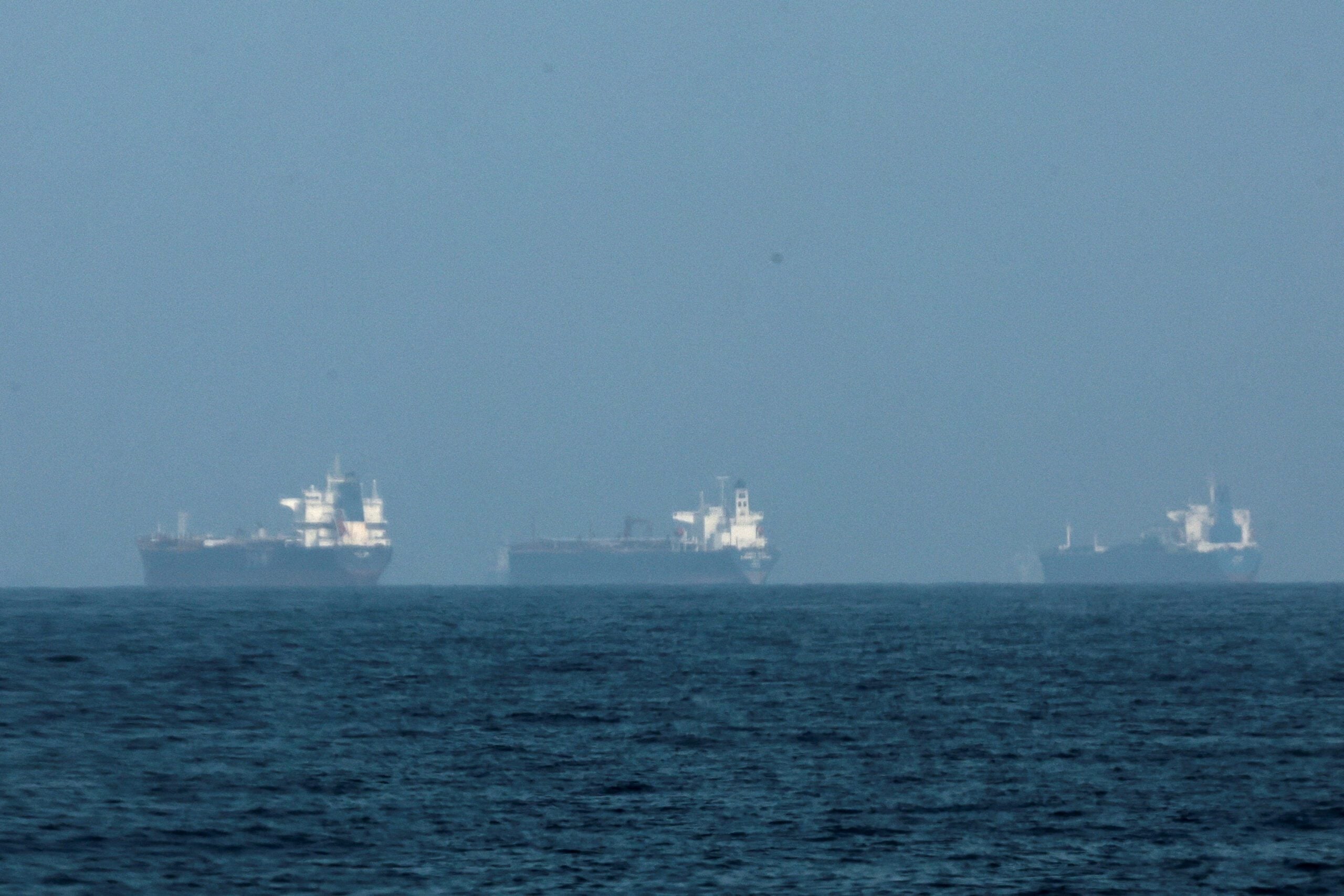
Around 800 ships remain stuck in the Persian Gulf after traffic through the Strait of Hormuz slowed to a trickle following the outbreak of the war. Tehran’s threats and attacks on vessels had made most shipowners too nervous too attempt a transit, although the Islamic Republic had been allowing some vessels that followed approved routes to exit, and demanding payment in some cases.
UN Shipping Body Pushes ‘Safe Maritime Corridor’ Plan to Evacuate Ships Trapped West of Hormuz
The US’s own blockade of the strait at the beginning of last week — aimed at depriving Iran of revenue for the war — has made the situation even more perilous. A two-week ceasefire in the conflict is now set to expire later this week.
Details of the evacuation plan being discussed include an order of departure for vessels, depending on the length of time the crew has been stranded, among other factors, Dominguez said. Any transits would follow a long-established route — the Traffic Separation Scheme that was proposed by Iran and Oman and adopted by the IMO in 1968, he said.
“This is about the seafarers. This is about the people,” Dominguez said. “Because if we actually start looking into the cargo, the values, the commodities, et cetera, then this is not going to work. The decision of the council was very clear. It’s a humanitarian corridor to evacuate the seafarers from the region.”
© 2026 Bloomberg L.P.

 Join The Club