The U.S. Treasury Department has issued new sanctions guidance warning that payments to Iran or the Islamic Revolutionary Guard Corps for so-called “safe passage” through the Strait of Hormuz are prohibited, adding a new compliance risk to an already fragile maritime security picture.
In Frequently Asked Question 1249 released Monday, the Treasury’s Office of Foreign Assets Control, or OFAC, said payments to the Government of Iran or the IRGC, whether direct or indirect, “would not be authorized” for U.S. persons, including U.S. financial institutions, or U.S.-owned or controlled foreign entities.
The guidance also warned non-U.S. shipowners, banks, insurers and other foreign counterparties could face sanctions exposure for engaging in certain transactions involving designated or blocked Iranian parties, including under authorities such as Executive Order 13902.
The advisory is the clearest U.S. sanctions statement yet addressing reports and political rhetoric surrounding alleged “toll” or facilitation payments tied to commercial transit through the Strait.
While OFAC did not state such payments are occurring, the guidance elevates the issue from speculation into a concrete compliance concern for global shipping. The move also aligns with a broader pattern of pushback from maritime regulators and industry groups against any notion of a fee-based or politically conditioned transit regime in the waterway.
At a recent United Nations Security Council session on the crisis, IMO Secretary-General Arsenio Dominguez rejected discriminatory conditions on passage through international straits and said there is “no legal basis” for imposing payments or tolls on transit through Hormuz, framing freedom of navigation as non-negotiable under international law.
Industry voices have raised similar concerns. BIMCO has cautioned that commercial confidence will not return through ad hoc transit arrangements, arguing shipowners need security guarantees and cleared shipping lanes, not improvised mechanisms that condition passage.
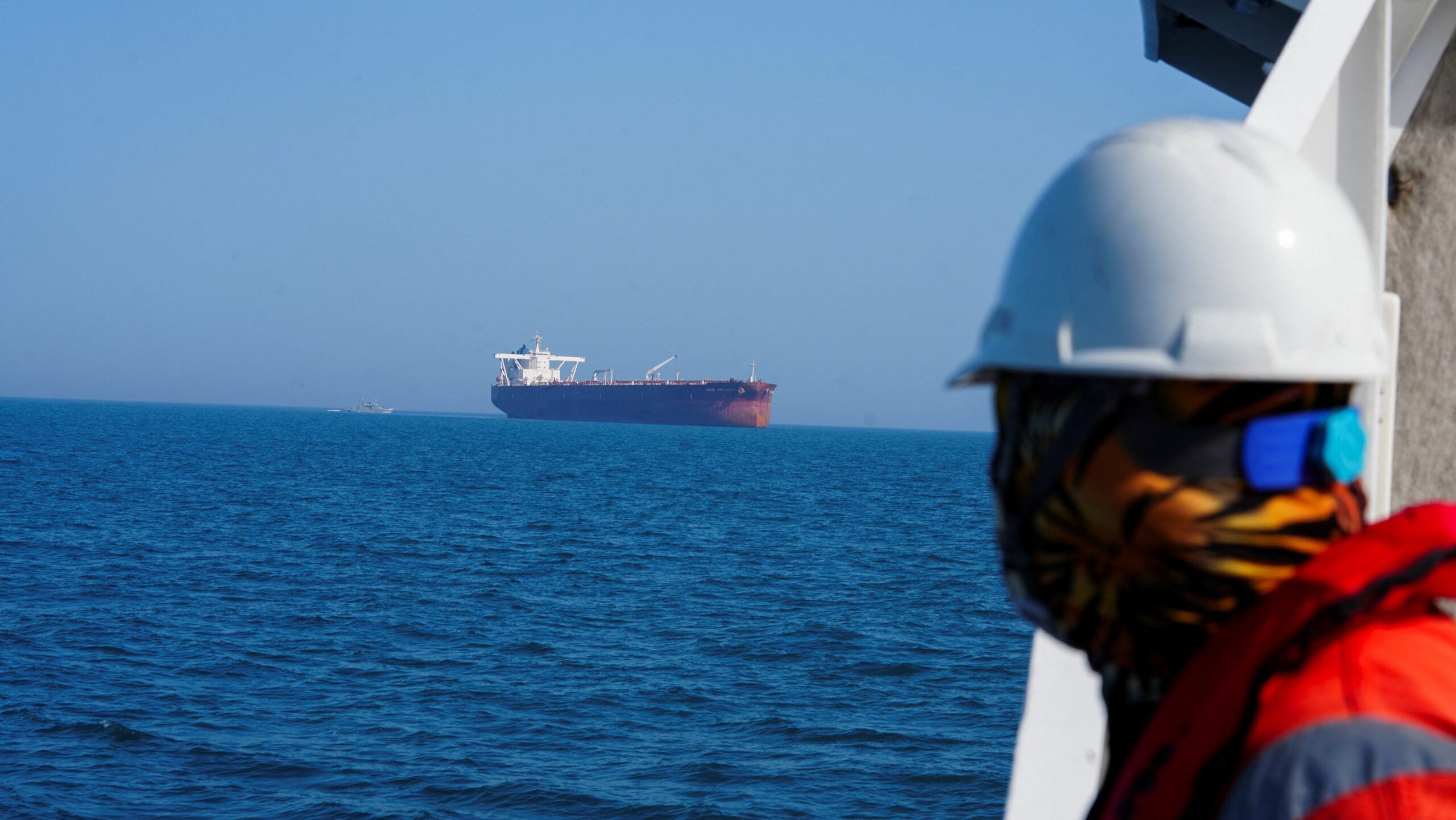
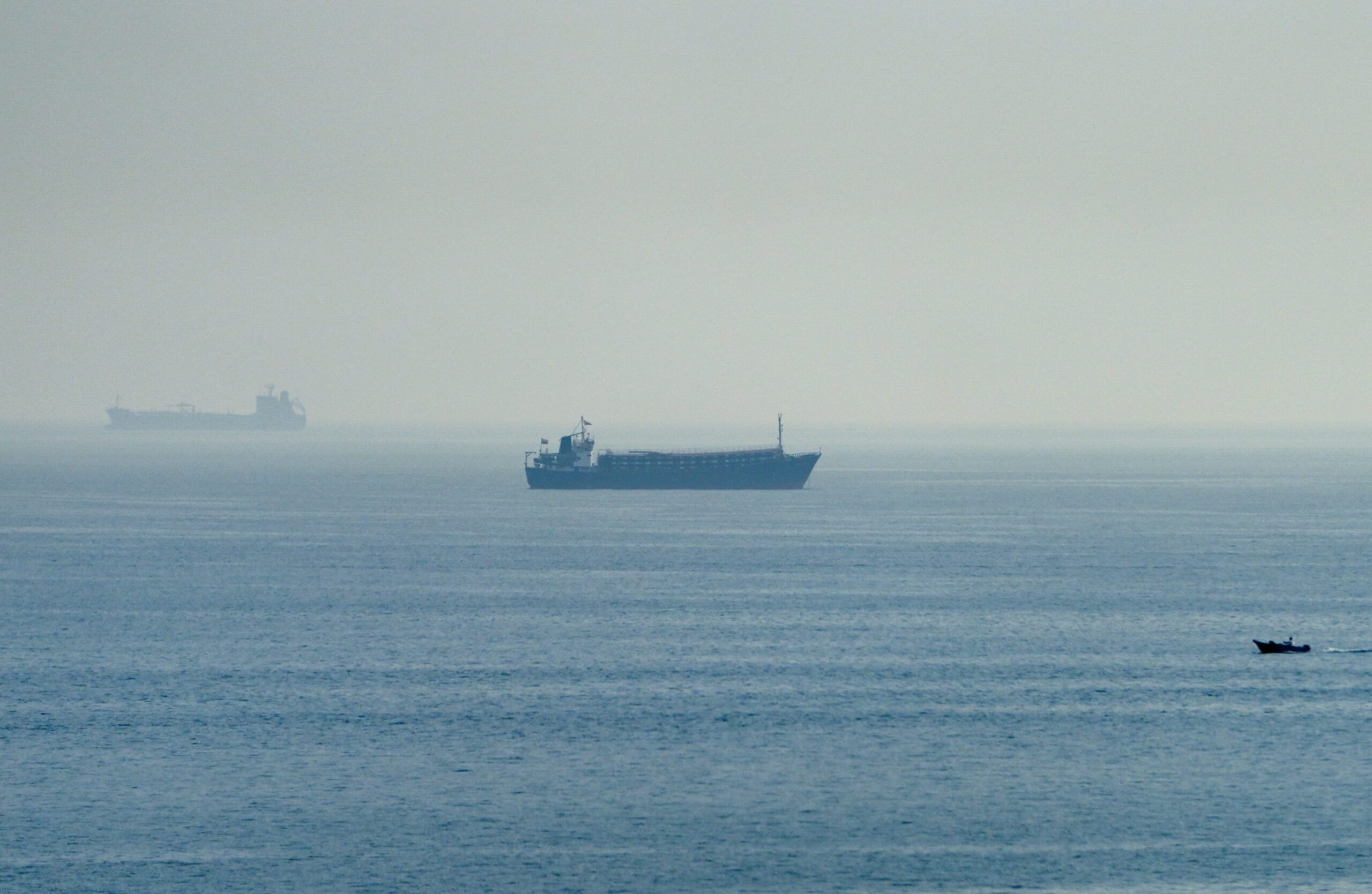
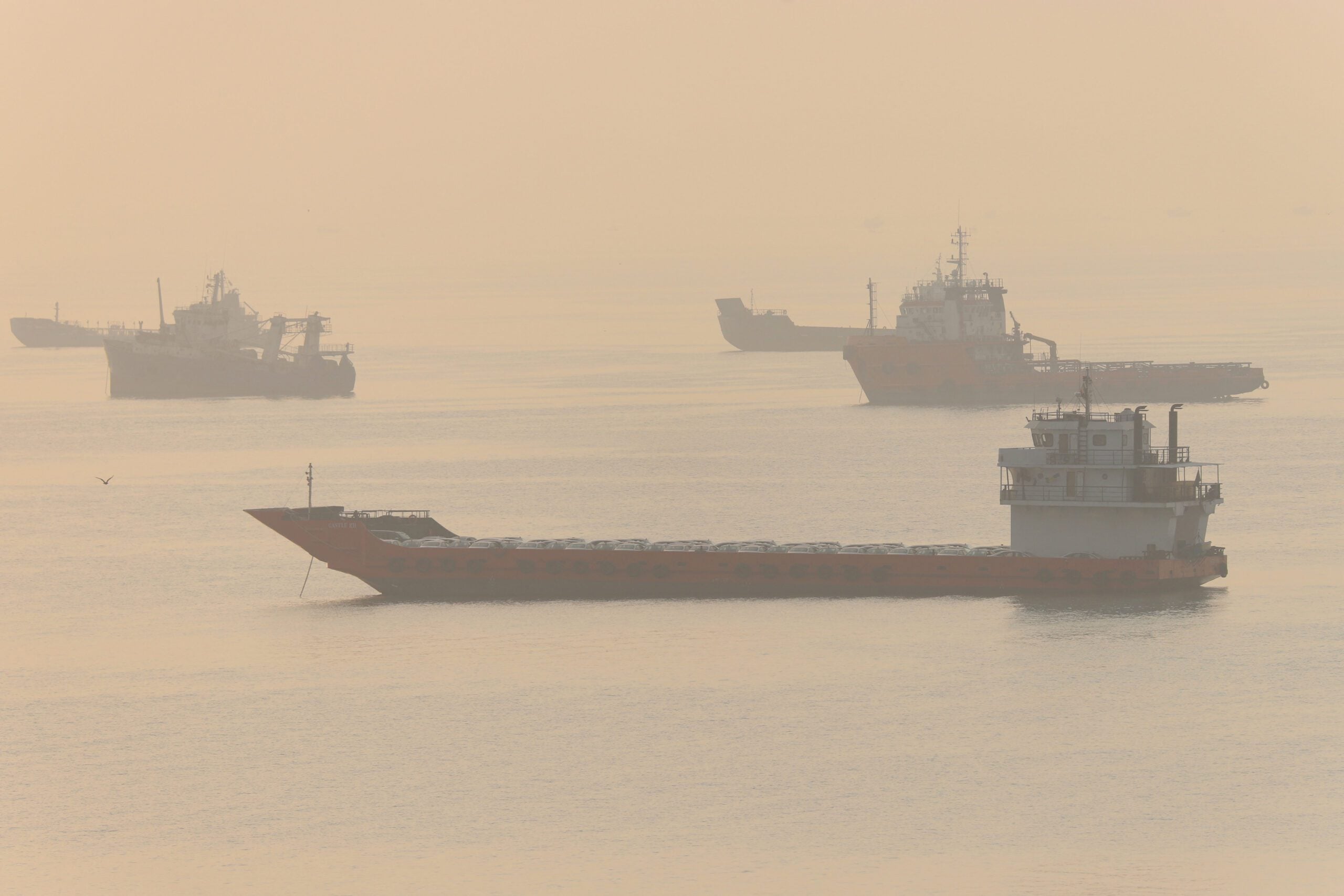
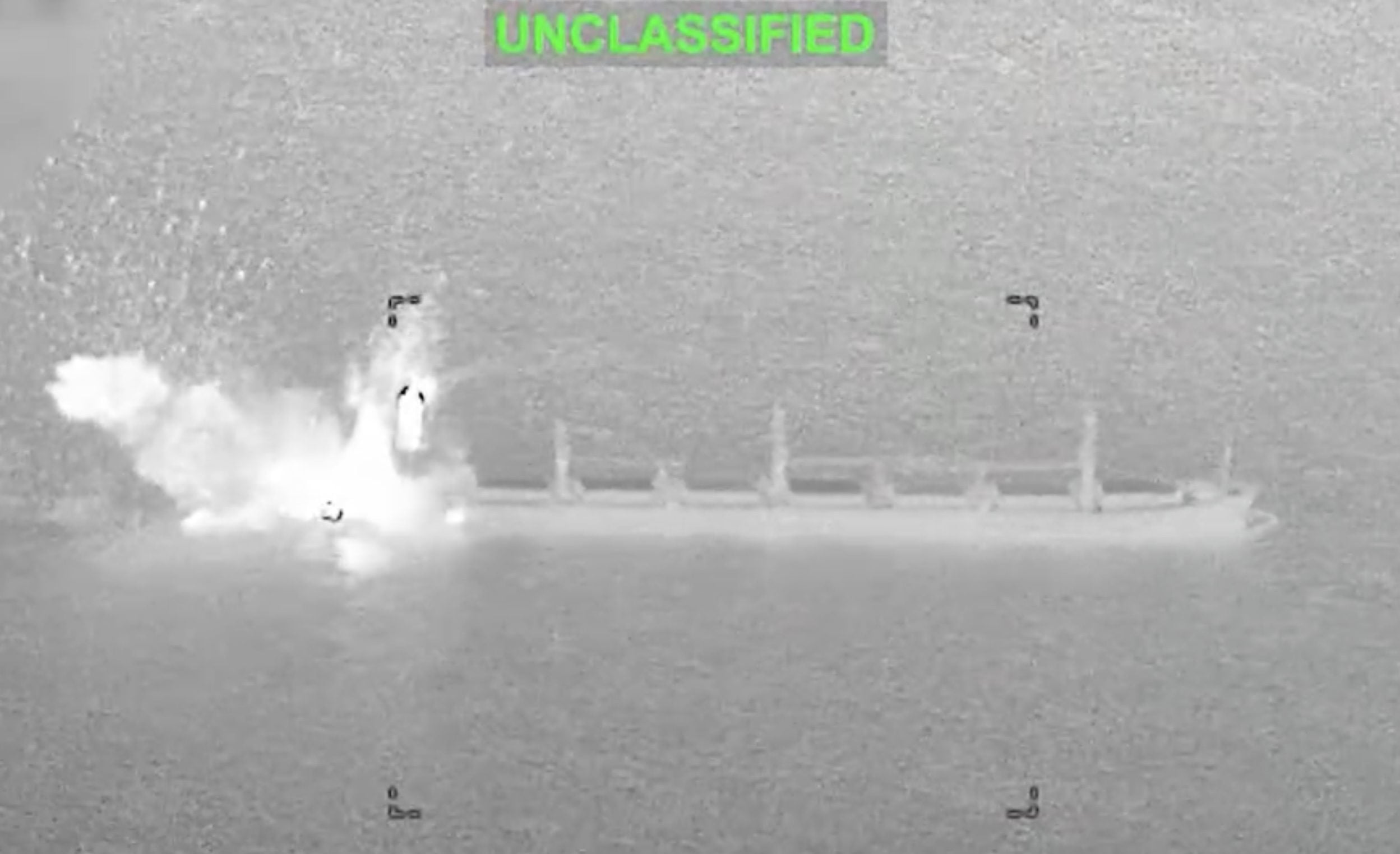
The Strait of Hormuz carries roughly a fifth of global oil trade and remains under intense scrutiny after weeks of conflict-driven disruption, security incidents and contested transit arrangements that have rattled shipowners and insurers.
The OFAC guidance adds sanctions exposure to a growing list of risks confronting operators in the region, alongside war-risk premiums, navigation threats and uncertainty over the conditions for commercial passage.
“Such payments also create significant sanctions exposure for non-U.S. persons,” OFAC said, pointing specifically to risks involving Iran’s financial, petroleum and petrochemical sectors.
President Donald Trump has repeatedly referenced “tolls” in recent Truth Social posts while criticizing conditions around Hormuz transit, helping bring broader attention to the issue. But OFAC’s guidance stops short of validating claims that Iran is charging ships for passage.
For shipowners, the question is no longer solely whether passage is safe, but whether the commercial arrangements surrounding passage could themselves create legal risk.

 Join The Club