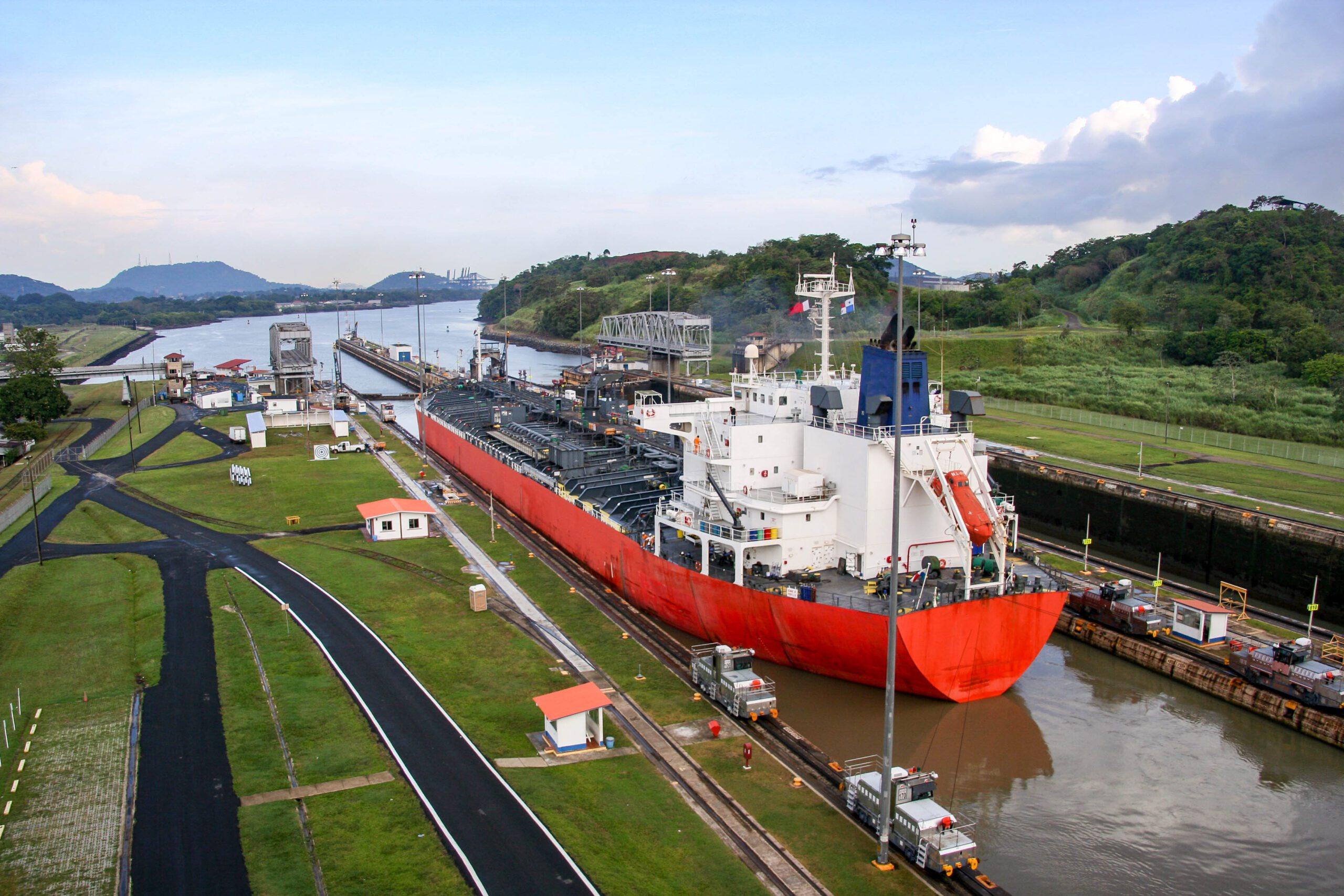
Traffic through the Panama Canal is climbing sharply as disruption in the Strait of Hormuz drives more U.S. energy exports toward Asia and Pacific markets, pushing the waterway close to full operating capacity just as forecasters warn a potentially severe El Niño could return later this year.
“So far this year, ship transits via the Panama Canal have increased 8% y/y to a daily average of 38, driven by the tanker sector,” said BIMCO Shipping Analysis Manager Filipe Gouveia in the shipping association’s latest “Shipping Number of the Week.”
Transits have surged even higher in recent weeks. BIMCO said vessel movements through the canal rose 16% year-on-year over the past five weeks as the Iran war and reduced traffic through the Strait of Hormuz disrupted Persian Gulf exports and boosted demand for U.S. crude oil, LNG, and refined products moving westbound through Panama.
“The daily maximum capacity of the Panama Canal is around 36 to 40 transits, meaning it is currently operating close to maximum capacity,” Gouveia said.
The rush for transit slots is already driving congestion higher. BIMCO said average waiting times have jumped 50% year-on-year to 47 hours, while auction prices for last-minute canal slots have also surged amid tightening capacity.
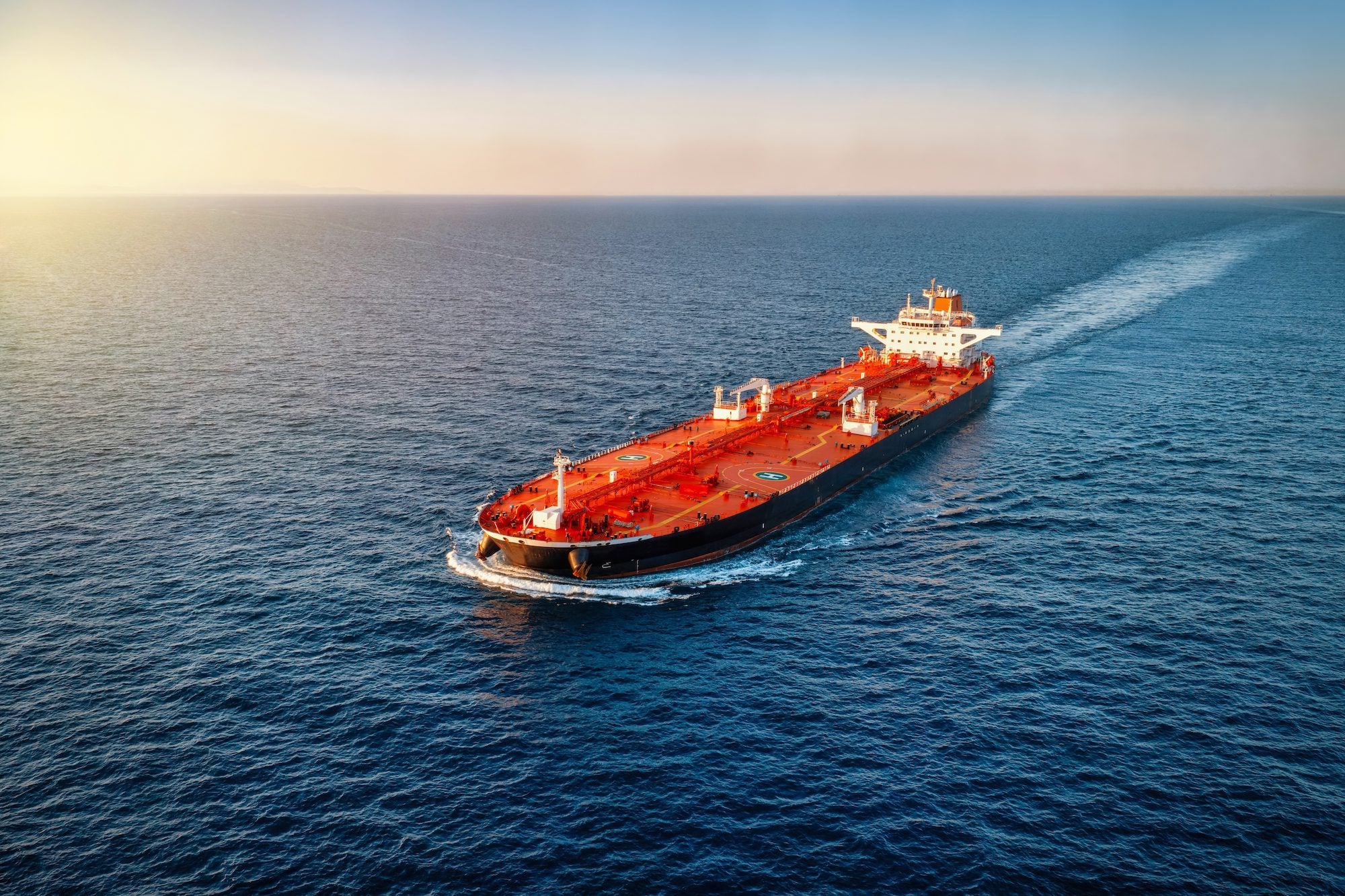
The canal has become increasingly critical to global energy flows as the Strait of Hormuz crisis reshapes tanker routing patterns. While container ships, LPG carriers, oil tankers, and bulk carriers account for roughly 77% of canal traffic, tanker demand has been particularly strong in recent weeks as U.S. exports help offset disrupted Gulf supplies.
The renewed strain on the canal comes at a delicate moment for global shipping markets.
After severe El Niño-driven drought conditions in 2023–2024 forced the Panama Canal Authority to slash daily transits to as few as 24 vessels and impose draft restrictions below 44 feet, the maritime industry remains highly sensitive to any renewed signs of water stress.
That crisis triggered major congestion, soaring transit costs, and widespread rerouting around the Cape of Good Hope as operators scrambled to avoid delays.
Conditions have since improved dramatically. A shift to La Niña and sustained rainfall through 2025 restored Gatun Lake water levels and allowed the canal to resume near-normal operations with roughly 36 daily transits and full 50-foot draft allowances for Neopanamax vessels. By early 2026, water levels had rebounded so sharply that authorities were forced to open spillways at Gatun Lake, marking a stunning reversal from the historic lows seen just two years earlier.
But shipping markets are again watching weather forecasts closely.
NOAA’s Climate Prediction Center has issued an “El Niño Watch,” saying El Niño is likely to emerge between May and July 2026 with an 82% probability and continue through the Northern Hemisphere winter of 2026–2027 with a 96% chance.
El Niño typically reduces rainfall across Central America, directly threatening water levels in Gatun Lake, the freshwater reservoir that powers the canal’s lock system.
Despite the warning, the Panama Canal Authority told Reuters this month it is not currently planning transit restrictions for the remainder of 2026, citing water conservation measures implemented since 2025 and historically high reservoir levels.
“The levels of the Gatun reservoir have been kept historically high,” the authority said.
Additional operational pressure is also looming. BIMCO noted that scheduled maintenance on the east lane of the canal’s Panamax locks between June 9 and June 17 will temporarily reduce available transit slots by 10 during the period.
If delays and costs continue rising, some ship operators may increasingly consider longer alternative routes, trading higher bunker consumption for greater schedule flexibility and lower canal-related costs.
For now, however, the Panama Canal is once again operating as one of global shipping’s most important pressure valves.

 Join The Club