Fresh warnings from the world’s largest shipping association are underscoring how far the Strait of Hormuz remains from normal, even as new comments from President Donald Trump pointed to a potentially intensified U.S. military effort to secure the waterway.
The Baltic and International Maritime Council (BIMCO) warned Thursday that a meaningful reopening of the strategic chokepoint may require weeks of mine-clearance operations, while restricted transit corridors and competing U.S. and Iranian enforcement actions continue to constrain commercial shipping.
“The mine threat is of particular concern,” said Jakob Larsen, BIMCO’s Chief Safety & Security Officer, who warned a full reopening likely depends on dedicated mine-clearing operations and credible security guarantees from both sides of the conflict.
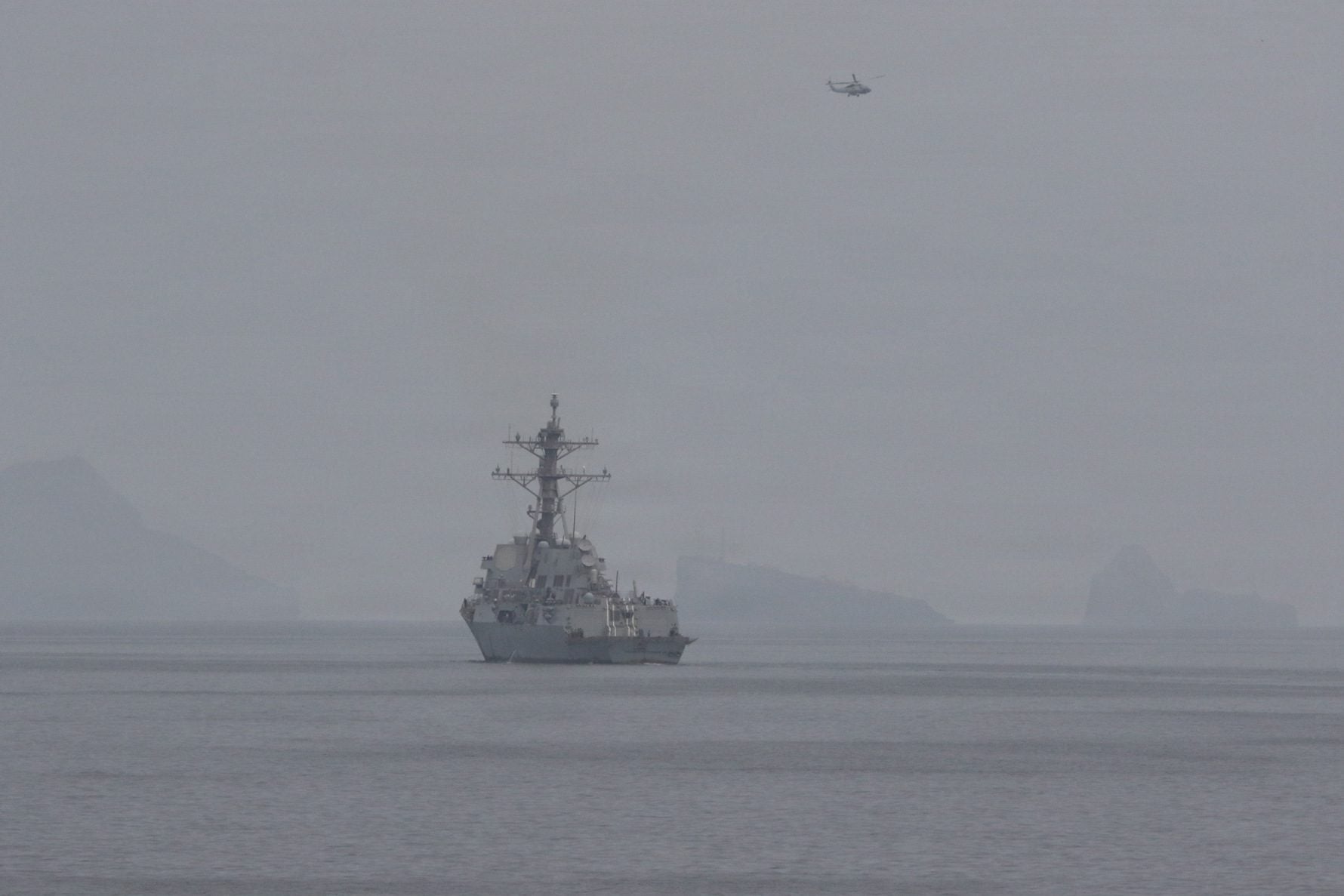
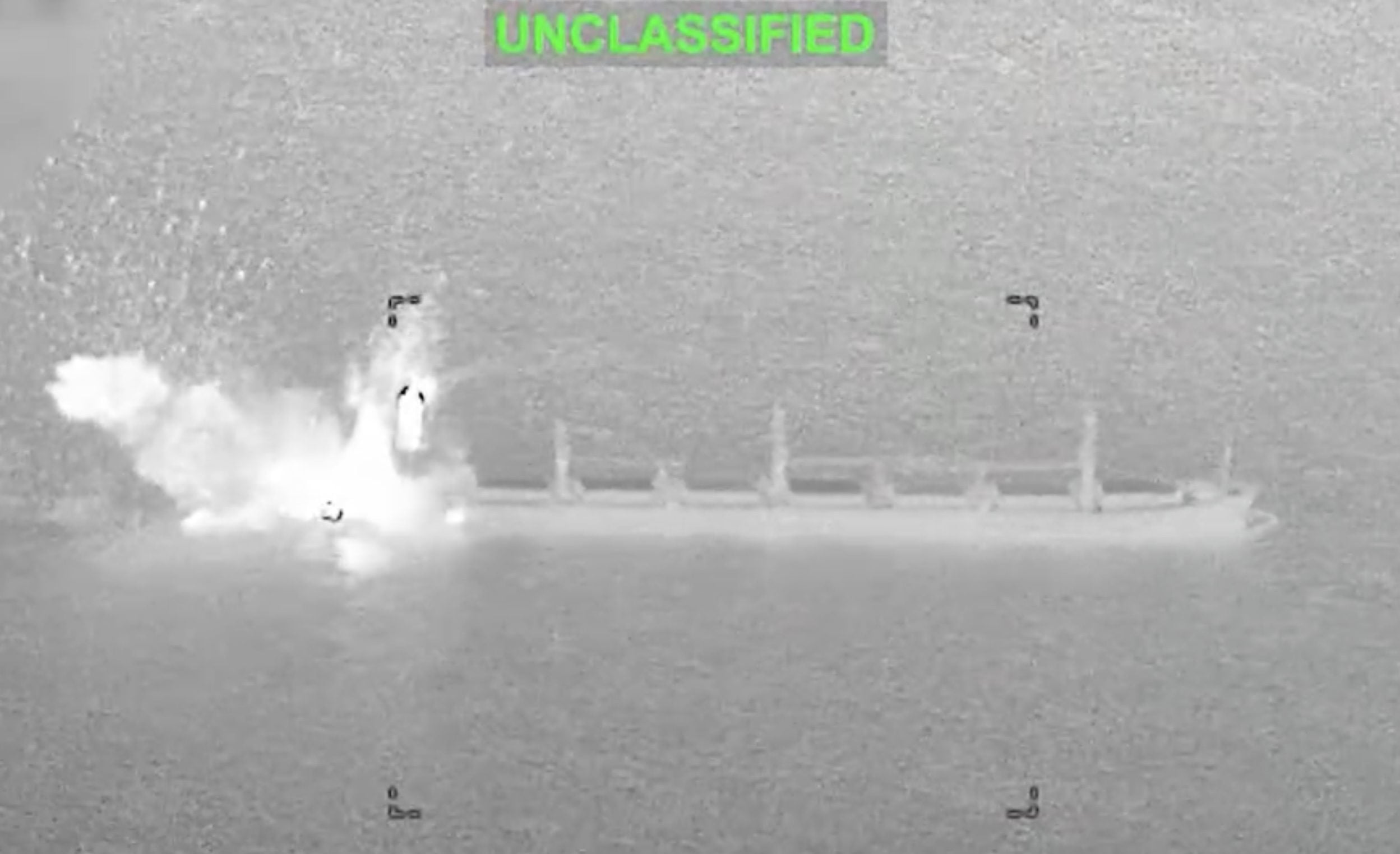
Trump appeared to reinforce concern over the mine threat in a Truth Social post Thursday morning, saying he had ordered the U.S. Navy to “shoot and kill” any boats laying mines in the Strait and directed U.S. mine-clearing activity to continue at a “tripled up level.”
“I have ordered the United States Navy to shoot and kill any boat… that is putting mines in the waters of the Strait of Hormuz,” Trump wrote, adding U.S. mine “sweepers” are already clearing the Strait.
The post, coming one day after widely circulated but unverified satellite imagery purported to show Iranian craft deploying mines, marked one of Trump’s strongest statements yet linking U.S. military operations directly to reopening commercial navigation.
In some ways, the comments reinforced BIMCO’s warning that mines, not a ceasefire alone, may be the principal obstacle to restoring traffic.
Larsen said shipping companies are unlikely to resume anything approaching pre-conflict traffic patterns absent a stable ceasefire and clear assurances the waterway is safe. Even then, he cautioned, narrow emergency routes hugging Iranian and Omani coasts cannot safely absorb normal shipping volumes.
That assessment casts doubt on any rapid normalization, even as Washington signals more aggressive action.
His remarks also come as confusion swirls over reports that some ship operators may have received messages from parties claiming to be Iranian authorities demanding tolls or transit payments. Larsen said BIMCO has received reports of a possible email scam, though the organization has not confirmed the claims.
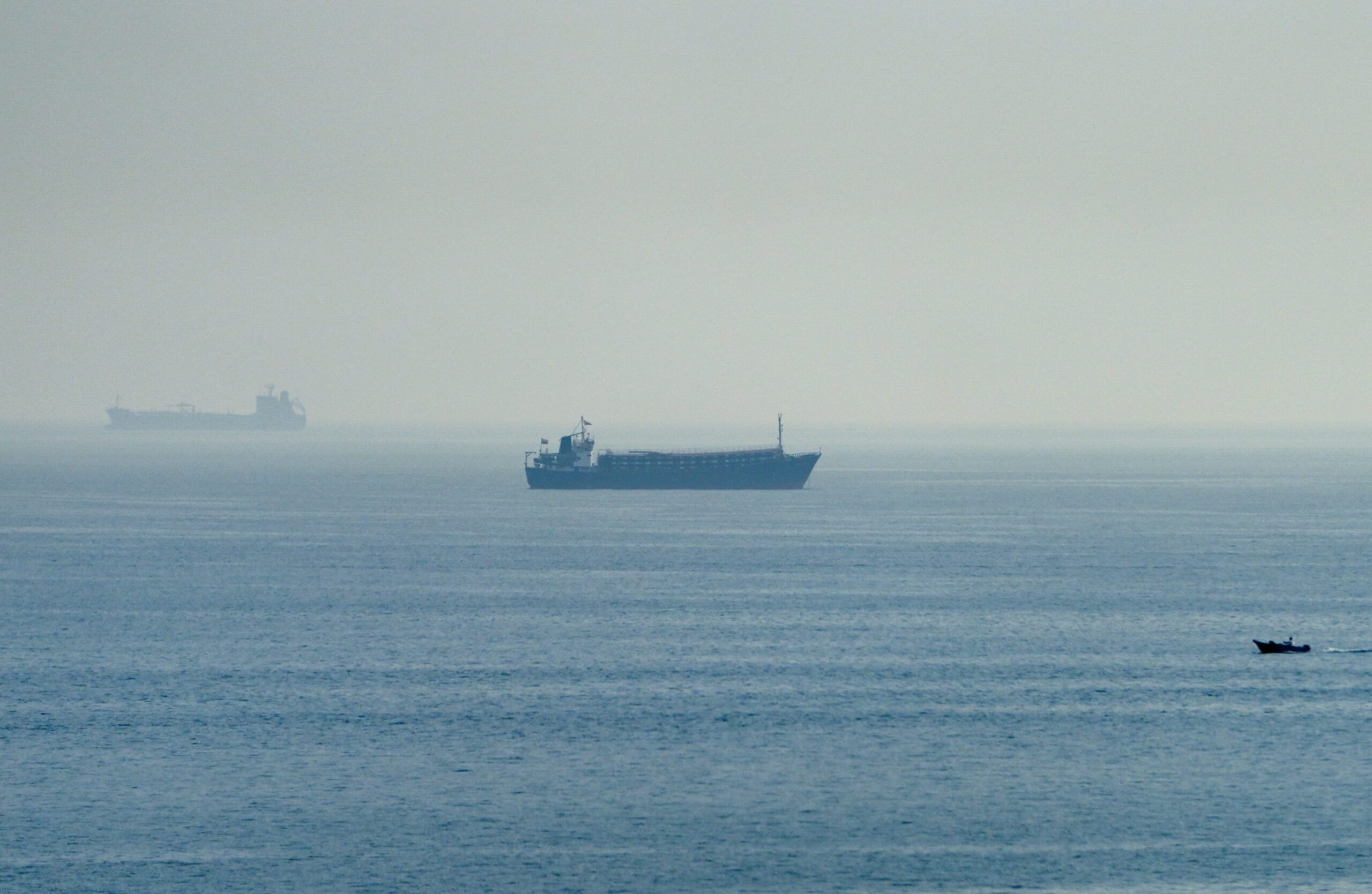
The warning adds another layer of uncertainty to an already volatile operating environment where, according to BIMCO, vessels perceived as “friendly” or neutral are being funneled through Iranian-defined routes near the coast, while U.S. forces continue enforcing a separate blockade against ships trading with Iranian ports from the Gulf of Oman.
“Ships and crews are being used as bargaining chips,” Larsen warned, urging restraint after multiple vessel attacks and detentions in recent days.
BIMCO also pushed back against any suggestion a ceasefire alone would trigger a broad return of traffic, arguing tcurrently available routes cannot safely accommodate normal transit volumes even before accounting for mines.
That point may be increasingly central to industry calculations. While political messaging has increasingly focused on a permanent “ceasefire” or whether Hormuz is “open,” shipping groups have stressed the more relevant question is whether the waterway is insurable, navigationally safe, and commercially viable.
Larsen also framed the disruption in legal terms, saying closure of an international strait violates international law and that attacks on freedom of navigation threaten global trade itself.
For shipowners weighing whether to return, BIMCO’s assessment—and now Trump’s own emphasis on expanded mine-clearing—suggest the real test of reopening may not be a ceasefire announcement, but whether the Strait can actually be made safe.

 Join The Club