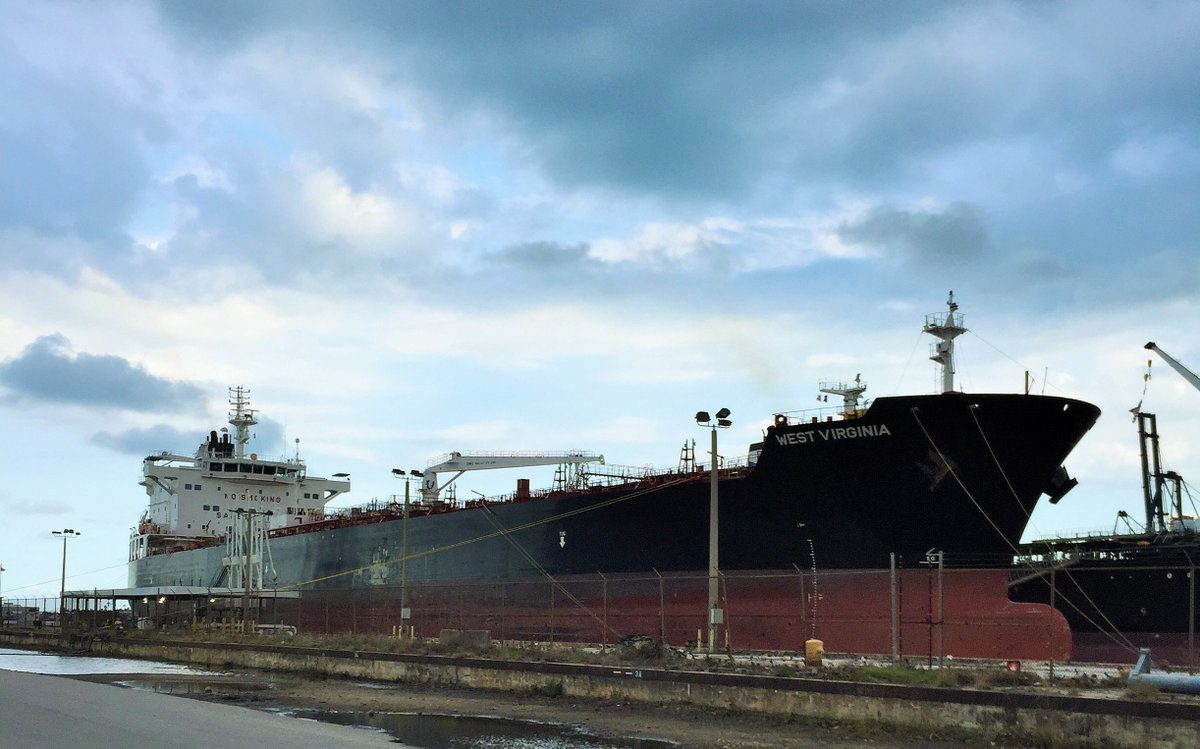
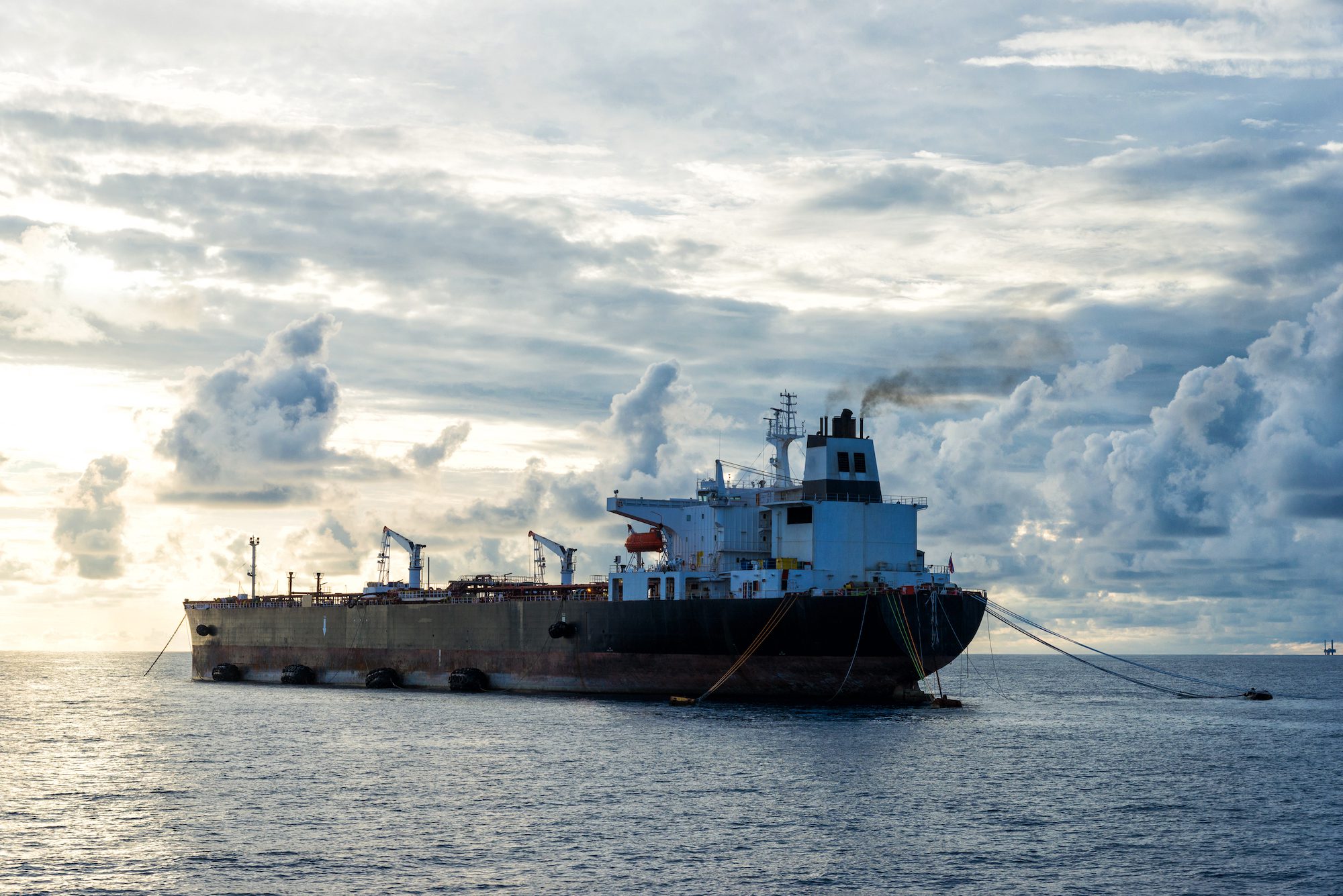
As the Trump administration considers temporarily waiving the Merchant Marine Act of 1920, commonly know as the Jones Act, to address surging fuel prices during the Middle East conflict, U.S. shipping interests are pushing back, arguing the move would do little—or nothing—to lower prices at the pump.
According to people familiar with the matter, the administration is evaluating a 30-day Jones Act waiver that would allow foreign-flagged vessels to transport oil, gasoline, diesel, liquefied natural gas, and fertilizer between U.S. ports. The potential exemption would be issued under Section 501(a) of the law, which permits the government to allow foreign vessels to carry domestic cargo when it is deemed “necessary in the interest of national defense to address an immediate adverse effect on military operations.”
The proposal is intended to ease energy supply bottlenecks as global oil markets grapple with disruptions linked to escalating attacks on shipping around the Strait of Hormuz.
White House Press Secretary Karoline Leavitt confirmed the idea is under review.
“In the interest of national defense, the White House is considering waiving the Jones Act for a limited period of time to ensure vital energy products and agricultural necessities are flowing freely to U.S. ports,” Leavitt said in a statement. “This action has not been finalized.”
But new analysis from industry economists and tanker operators suggests the policy could have little impact on consumer fuel prices—and might even increase shipping costs under current market conditions.
A coalition of seven American maritime labor organizations—including the Marine Engineers’ Beneficial Association, Sailors’ Union of the Pacific, and the International Organization of Masters, Mates and Pilots—also weighed in Thursday, sending a letter to the White House urging the administration not to grant a Jones Act waiver.
The groups argued that suspending the law would do little to ease fuel costs for consumers while undermining American maritime jobs and security. “Waiving the Jones Act would do nothing to reduce gasoline prices,” the letter states. “The primary driver of gasoline prices is the cost of crude oil, not domestic shipping costs. Several studies have shown the impact of domestic shipping on nationwide fuel prices is negligible, and any marginal savings would be unlikely to reach consumers.”
The unions warned that a waiver would instead create opportunities for foreign-flag operators that avoid U.S. taxes and rely on low-wage labor while operating under weaker regulatory regimes.
Tanker Markets Tell a Different Story
In a recent op-ed, Sam Norton, CEO of Overseas Shipholding Group, argued that replacing Jones Act tankers with foreign-flag vessels would likely raise rather than lower the delivered cost of gasoline.
Using the tanker industry’s Worldscale freight benchmark, Norton compared the cost of transporting fuel on international tankers with Jones Act vessels currently operating in the domestic trade.
For example, a gasoline shipment from Houston to New York would cost about 14.5 cents per gallon on a foreign-flag tanker, based on current market rates. The same move on a Jones Act tanker would cost roughly 13.5 cents per gallon, he said.
“Substituting a foreign flag tanker on a domestic route currently served by a Jones Act tanker would more than likely result in an increase in the delivered cost of fuel,” Norton wrote.
The difference reflects tight global tanker markets and elevated freight rates tied to the ongoing conflict and disruptions to shipping routes.
Minimal Impact on Pump Prices
A separate analysis released by Navigistics Consulting reached a similar conclusion, estimating that even in the unlikely scenario where all savings from a waiver were passed directly to consumers, the nationwide impact would amount to less than a penny per gallon.
The firm calculated a maximum theoretical reduction of about $0.0027 per gallon in the average U.S. gasoline price.
The limited impact reflects the relatively small share of gasoline transported by oceangoing Jones Act tankers. According to the analysis, only about 6.5% of U.S. gasoline supply moves via those vessels, with most fuel delivered through pipelines, trucks, or other domestic infrastructure.
In addition, many Jones Act tankers are already locked into long-term charters, meaning refiners must pay for those vessels regardless of whether they are used.
The report argues that any potential savings created by a waiver would likely be captured by fuel traders entering the market rather than passed on to consumers.
Policy Debate Intensifies
The potential waiver comes as the United States and its allies confront the largest disruption to global oil flows in decades, with shipping through the Strait of Hormuz plunging amid missile and drone attacks on commercial vessels.
Energy markets have reacted sharply. Crude prices have surged in recent weeks, driving higher gasoline prices and prompting policymakers to explore options ranging from strategic petroleum reserve releases to emergency shipping measures.
Supporters of a waiver argue that allowing foreign vessels to carry domestic cargo could help move fuel more quickly from Gulf Coast refineries to East Coast markets.
But critics warn the policy could undermine the U.S. maritime industrial base while delivering little benefit to consumers.
For tanker operators like Norton, the debate ultimately comes down to basic market economics.
“Policy decisions based on assumptions rather than market realities risk doing more harm than good,” he wrote.
As the White House weighs its next steps, the clash highlights a recurring tension in U.S. maritime policy: whether relaxing long-standing cabotage rules can meaningfully affect energy prices—or whether the real driver of gasoline costs remains the global price of crude oil.
Editorial Standards · Corrections · About gCaptain

 Join The Club