By Courtney Subramanian
Mar 12, 2026 (Bloomberg) –The Trump administration plans to waive a century-old maritime law that requires American ships be used to transport goods between US ports as it seeks to blunt surging oil and gasoline prices, according to people familiar with the matter.
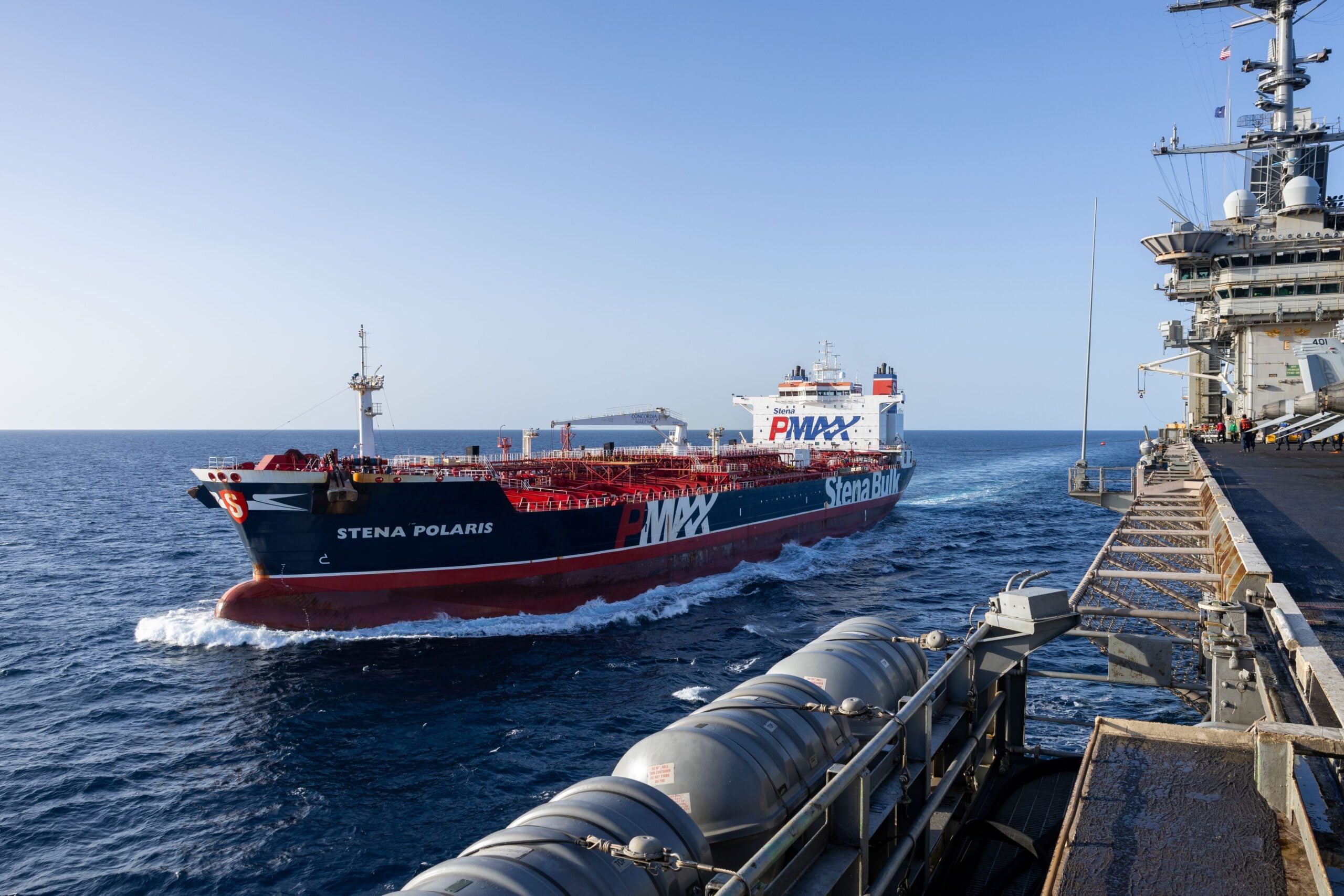
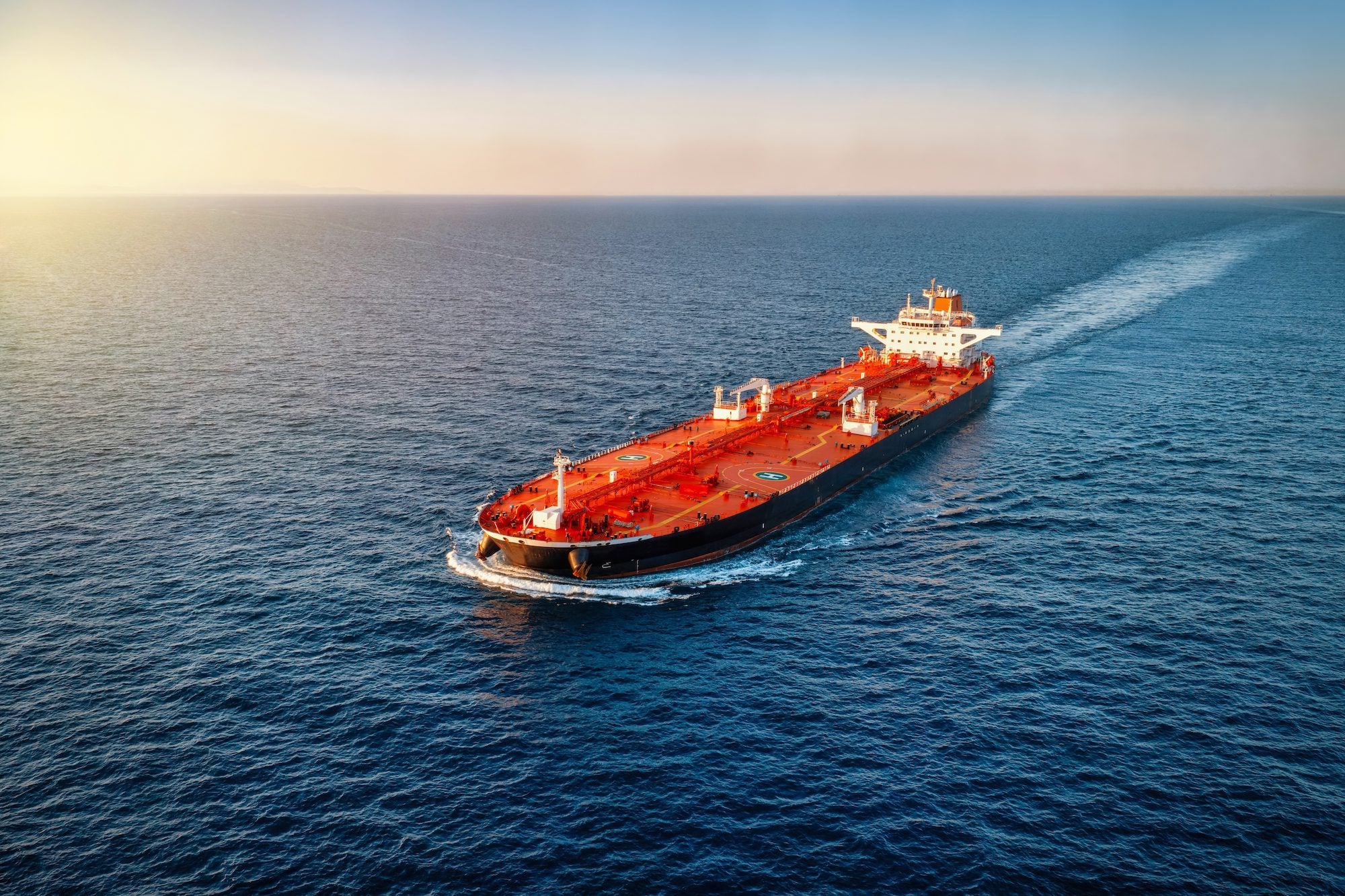
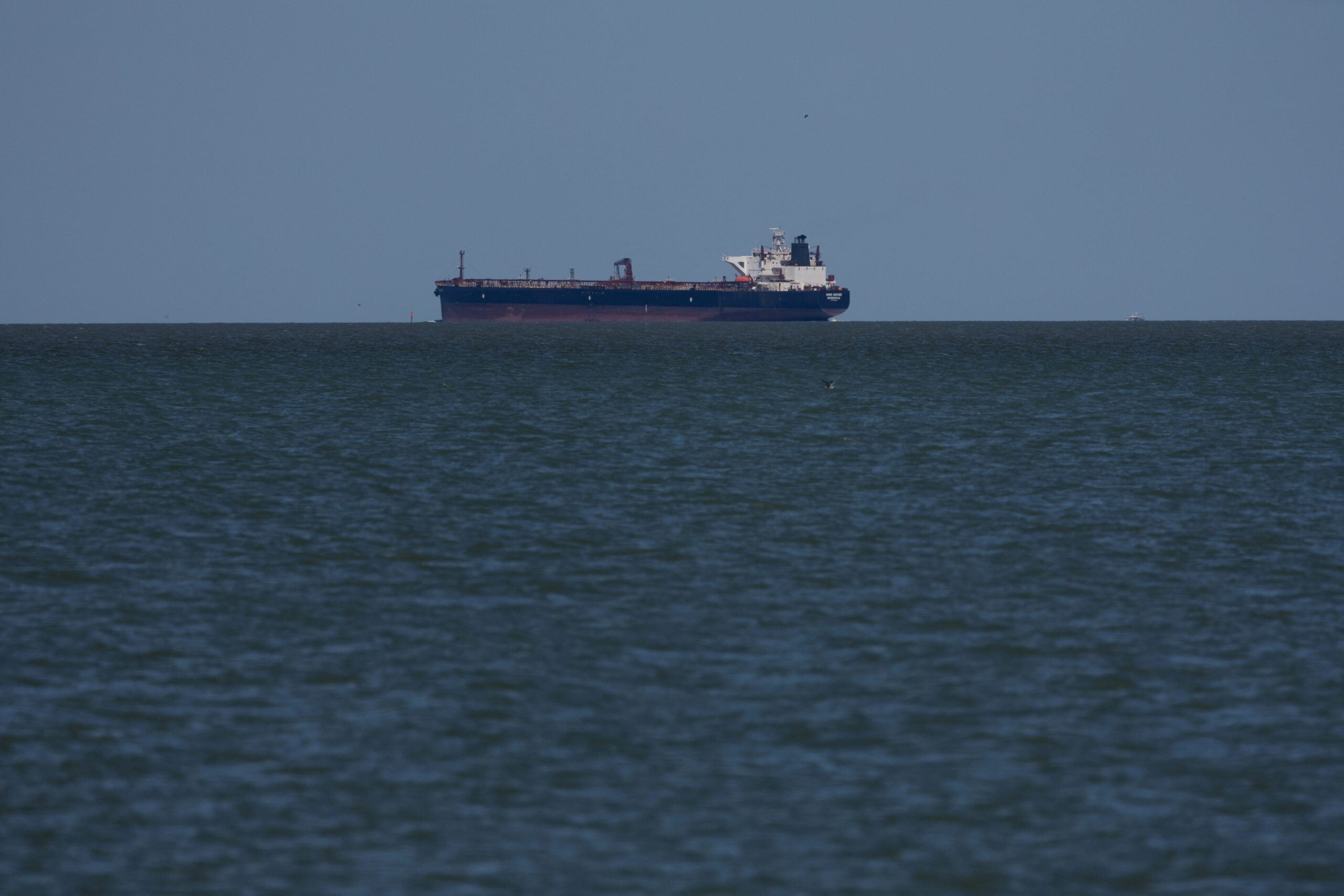
The 30-day exemption, which is still being developed, is set to apply broadly to vessels moving oil, gasoline, diesel, liquefied natural gas and fertilizer among US ports, the people said. That would enable generally cheaper foreign tankers to move those goods — including Gulf Coast oil to refineries on the US East Coast and fuel from the region to more populous areas.
“In the interest of national defense, the White House is considering waiving the Jones Act for a limited period of time to ensure vital energy products and agricultural necessities are flowing freely to US ports,” White House Press Secretary Karoline Leavitt said in a statement. “This action has not been finalized.”
The plan comes as President Donald Trump considers multiple options to stem the dramatic rise in crude and gasoline amid the war in Iran. On Wednesday, the administration announced it would release 172 million barrels of crude from the Strategic Petroleum Reserve. Overall, countries are coordinating to release 400 million barrels from their stockpiles.
US gasoline futures pared gains after the news. Waiving the Jones Act could save East Coast motorists roughly 10 cents a gallon, according to a 2022 JP Morgan Chase & Co. estimate.
“It absolutely facilitates the free flow of gasoline, which otherwise would have to come from Europe of other destinations to reach the Northeast,” said David Goldwyn, an energy envoy under former President Barack Obama and president of consulting firm Goldwyn Global Strategies. “There are very few US tankers that are available so the Northeast continues to import whatever gasoline they can’t get from pipeline.”
Also See: Gasoline-Starved California Is Turning to Fuel From the Bahamas
The vast majority of US refineries are on the Gulf Coast, and there’s only one major pipeline connecting them to the Northeast, the US’s most densely populated region.
While waiving the Jones Act could help lower prices somewhat, the impacts are apt to be limited, said Colin Grabow, associate director at the Cato Institute’s Herbert A. Stiefel Center for Trade Policy Studies, which advocates for repealing the law.
“The Jones Act is probably responsible for a few cents per gallon — pennies per gallon, not dimes per gallon,” Grabow said in an interview. “It could be helpful, but the effects could get swamped by broader movements in the market.”
While the government has temporarily lifted US shipping requirements to combat fuel shortages after major storms, doing it can be politically fraught. The Jones Act is championed by some of the nation’s biggest shipbuilders and vessel operators, as well as their allies on Capitol Hill.
On Thursday, a White House official said the Trump administration can assure that the move will not impact American shipbuilding.
Read more: What the Jones Act Has to Do With Your Car’s Gas Tank
The US last waived the Jones Act in October 2022 for a tanker heading to Puerto Rico to deliver supplies after Hurricane Fiona.
The Biden administration also temporarily issued an exemption for refiner Valero Energy Corp. following a cyberattack on a major East Coast fuel pipeline in 2021.
(Adds details starting in the second paragraph.)
© 2026 Bloomberg L.P.

 Join The Club