The escalating Middle East conflict has triggered what the International Energy Agency (IEA) says could become the largest supply disruption in the history of the global oil market, as tanker traffic through the Strait of Hormuz collapses and Gulf producers are forced to slash production.
In its March 2026 Oil Market Report (OMR) released Thursday, the IEA warned that crude and refined product flows through the Strait of Hormuz have plunged from roughly 20 million barrels per day (mb/d) before the war to only a trickle, forcing producers across the Persian Gulf to shut in output as storage tanks fill and export routes remain effectively blocked.
The agency estimates that at least 10 mb/d of supply has already been curtailed, including roughly 8 mb/d of crude oil and another 2 mb/d of condensates and natural gas liquids, as producers struggle to move barrels to market.
“The war in the Middle East is creating the largest supply disruption in the history of the global oil market,” the IEA said in the report.
Hormuz Traffic Collapse Driving the Shock
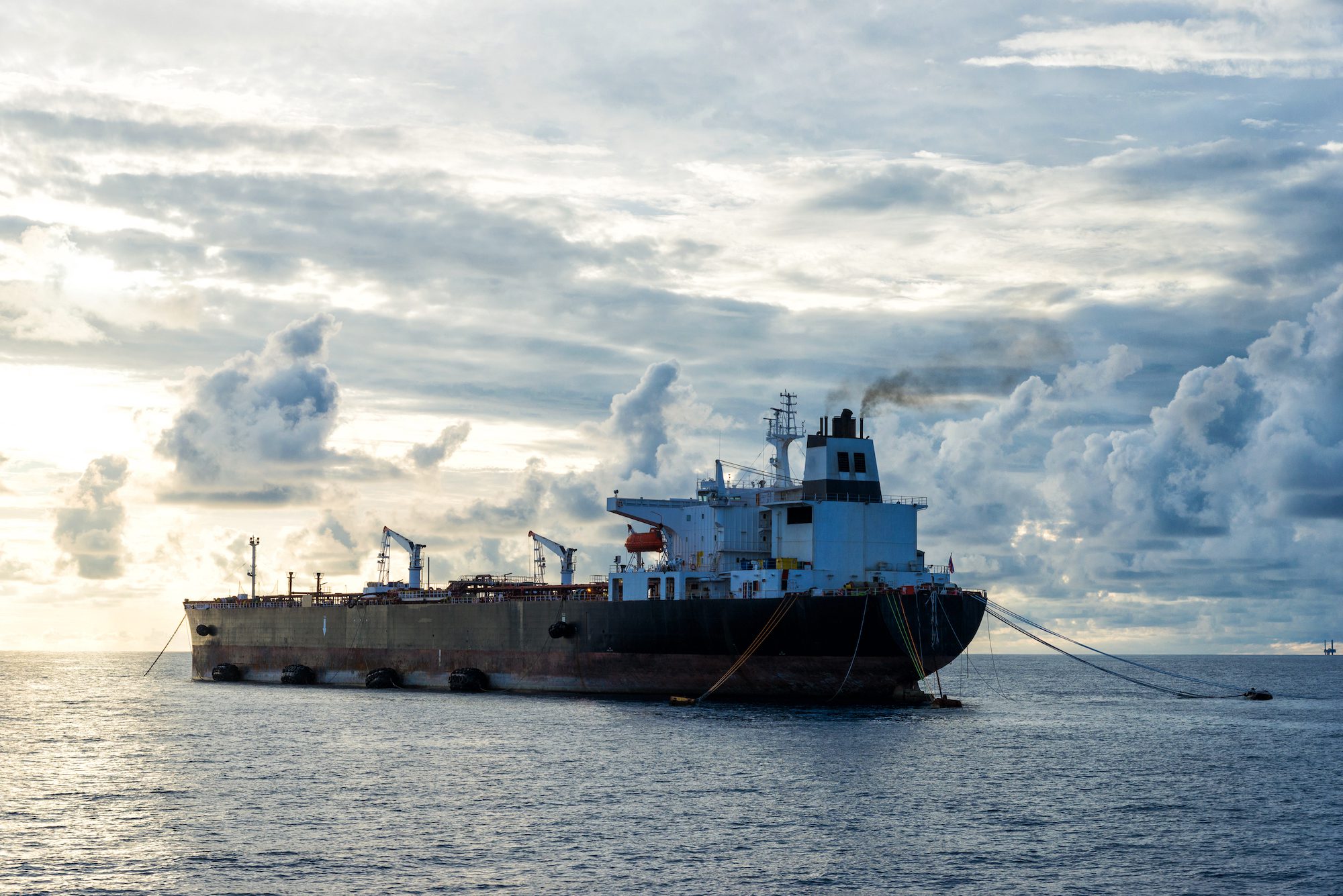
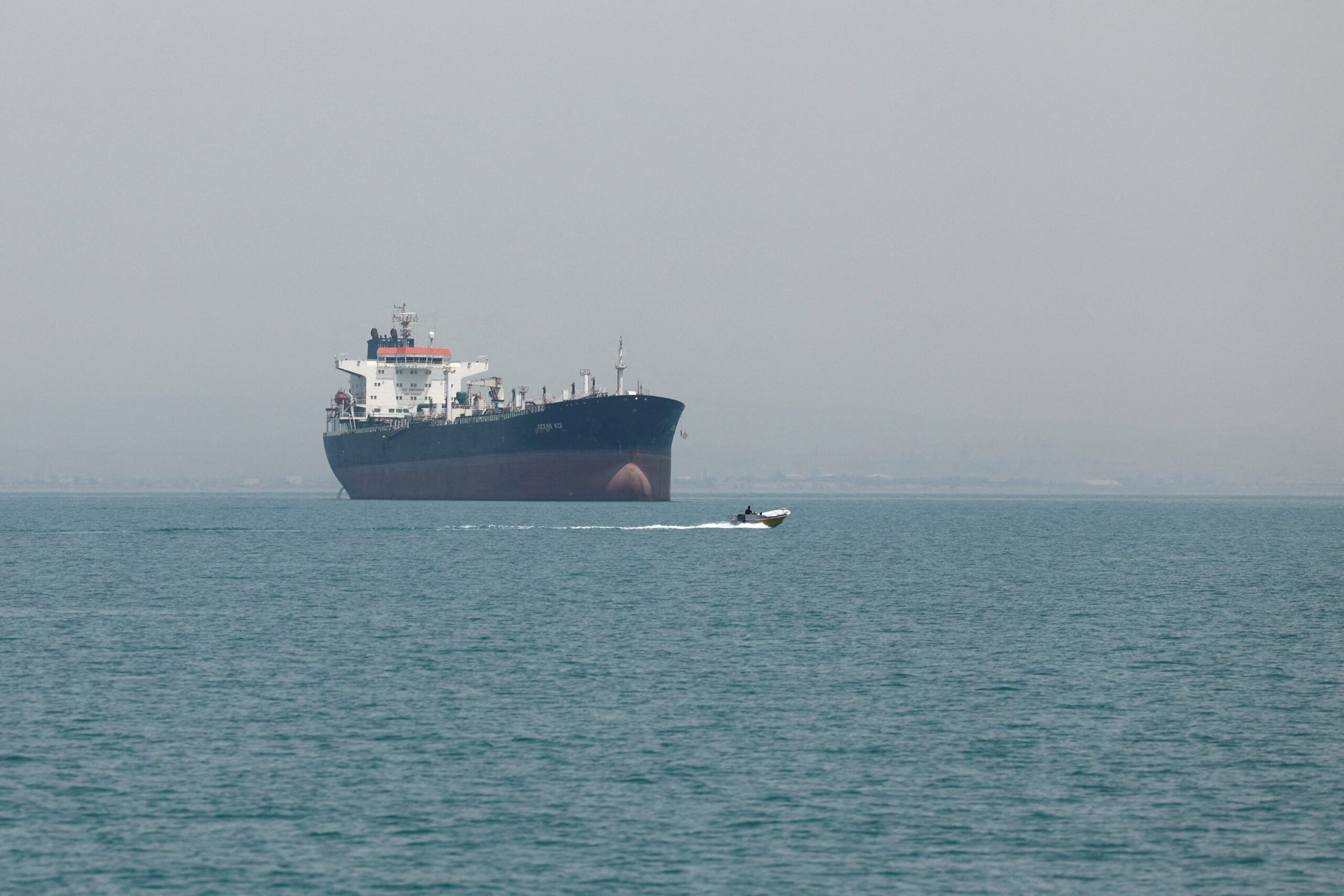
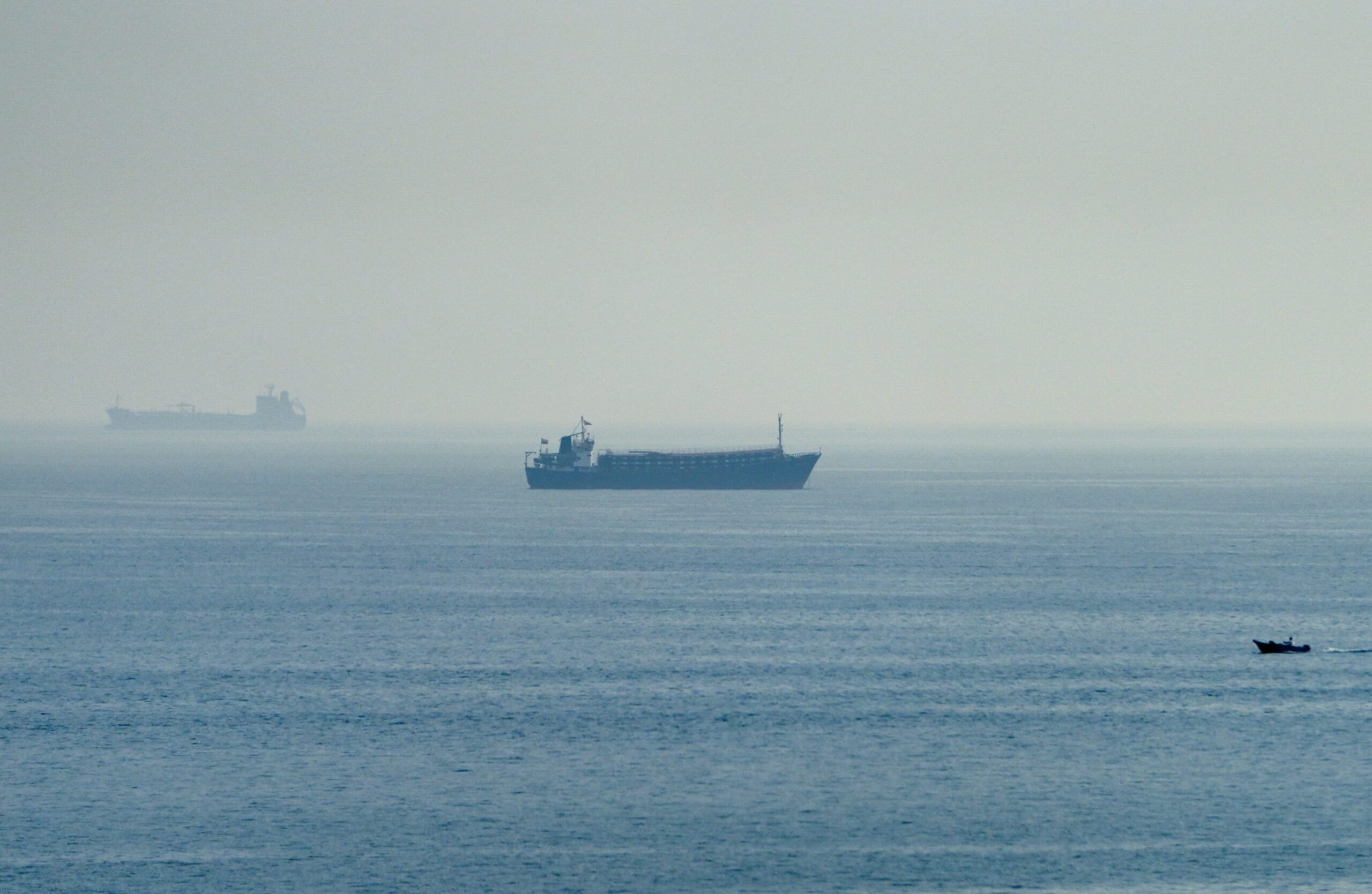
At the center of the crisis is the near-complete shutdown of commercial tanker movements through the Strait of Hormuz, the narrow chokepoint that normally carries about one-fifth of the world’s oil trade.
Security threats, attacks on merchant shipping, and soaring war-risk insurance costs have left many shipowners unwilling or unable to transit the waterway.
With export terminals unable to load cargoes and domestic storage tanks filling rapidly, producers in Saudi Arabia, Iraq, Kuwait, the UAE and Qatar have begun sharply reducing output.
The IEA now projects global oil supply could plunge by 8 mb/d in March, with Middle East curtailments only partially offset by increased production elsewhere, including Kazakhstan and Russia following earlier disruptions.
Refining and Product Markets Also Hit
The crisis is also rippling across global fuel markets.
More than 3 mb/d of refining capacity in the Gulf has already shut down due to attacks, safety concerns, or the lack of export outlets as tanker traffic grinds to a halt.
In 2025, Gulf producers exported roughly 3.3 mb/d of refined petroleum products and 1.5 mb/d of LPG, much of which is now effectively frozen.
The IEA warned that diesel and jet fuel markets could be especially vulnerable if Middle Eastern refinery outages persist, while shortages of LPG and petrochemical feedstocks are already forcing some industrial plants to cut production.
Emergency Stock Release
In response to the shock, IEA member countries agreed on March 11 to release 400 million barrels of oil from emergency reserves, the largest coordinated release ever undertaken. The United States will release 172 million barrels of crude oil from the Strategic Petroleum Reserve (SPR) beginning next week. Energy Secretary Chris Wright said the drawdown would begin next week and take approximately 120 days to complete based on planned discharge rates.
Global oil inventories currently stand at roughly 8.2 billion barrels, their highest level since early 2021.
About half of those stocks are held in OECD countries, including roughly 1.25 billion barrels in government strategic reserves.
The emergency release is intended to cushion the immediate economic impact of the disruption.
But the agency cautioned that it is only a temporary buffer if shipping through Hormuz remains paralyzed.
Oil Prices Surge
Oil markets have swung violently since U.S. and Israeli airstrikes on Iran began on February 28, triggering a widening regional conflict and a series of attacks on commercial shipping.
Brent crude futures briefly surged close to $120 per barrel before easing back to about $92 per barrel, still roughly $20 higher than before the war began. Brent rose to 98.21 USD/Bbl on March 12, 2026, up 6.77% from the previous day.
Product markets—including diesel, jet fuel, and LPG—have experienced even sharper price spikes due to refinery outages and export disruptions.
Demand Also Under Pressure
While supply losses dominate the outlook, the conflict is also weighing on oil demand.
The IEA estimates that widespread flight cancellations across the Middle East and major disruptions to LPG supplies will reduce global oil consumption by roughly 1 mb/d during March and April.
As a result, the agency has cut its forecast for global oil demand growth in 2026 to 640,000 barrels per day, down 210,000 b/d from last month’s outlook.
Shipping Holds the Key
Despite the massive emergency stock release, the IEA says the outlook for global oil markets now hinges largely on whether commercial shipping can safely resume through the Strait of Hormuz.
“Adequate insurance mechanisms and physical protection for shipping are key to the resumption of flows, which is of paramount importance for the oil market,” the agency said.
Until that happens, the world’s most important oil artery remains effectively blocked—creating what may become the largest supply shock the modern oil market has ever faced.

 Join The Club