U.S. forces boarded a commercial vessel in the Arabian Sea on Monday as Washington stepped up enforcement of its blockade on Iranian ports, with U.S. Central Command saying 39 vessels have now been redirected since the operation began.
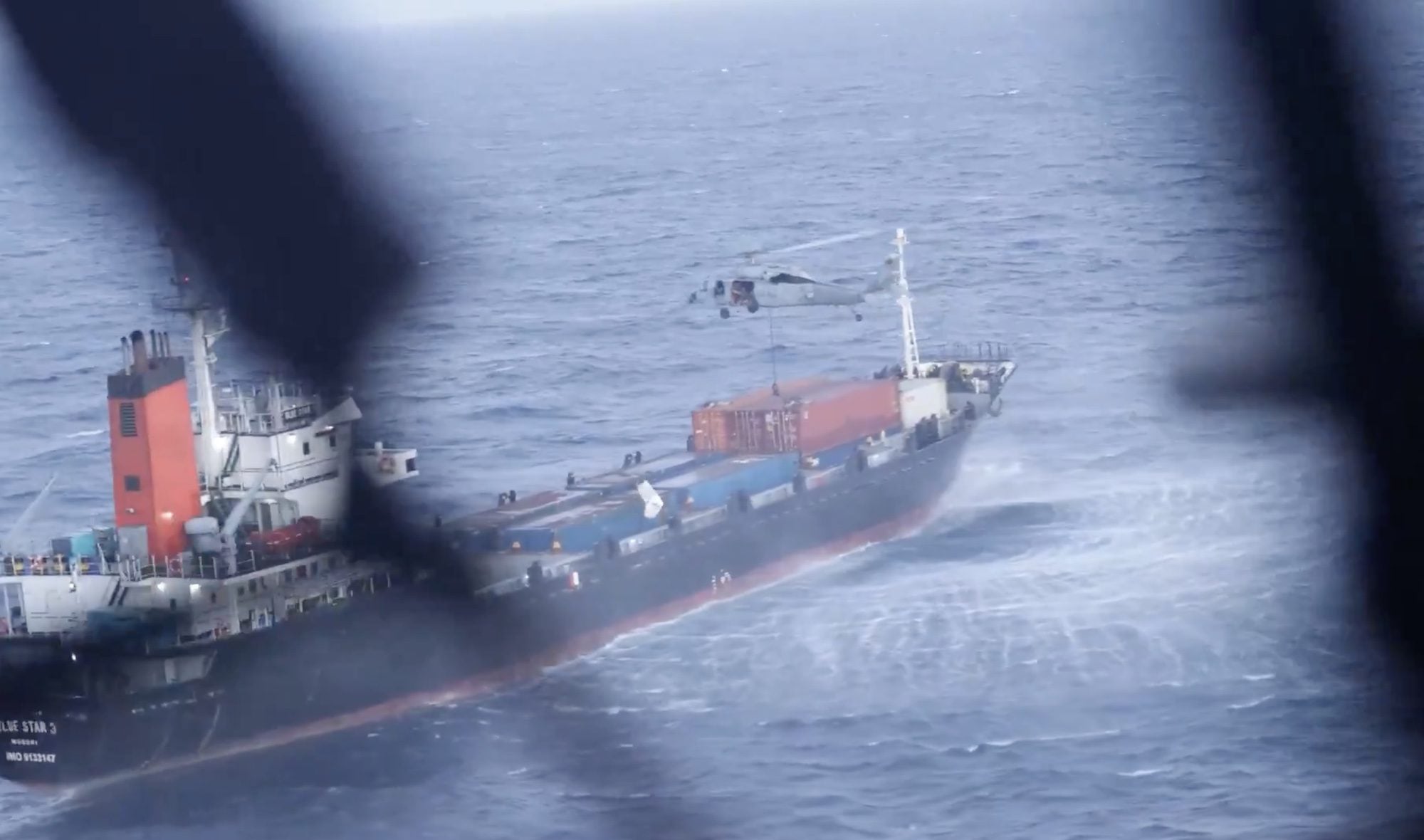
According to CENTCOM, U.S. Marines from the 31st Marine Expeditionary Unit boarded the containership Blue Star III after it was suspected of attempting to transit to Iran in violation of the blockade. The vessel was later released after U.S. forces searched the ship and determined its voyage would not include a port call in Iran.
“American forces continue to operate and enforce the blockade across the Middle East,” CENTCOM said, adding that 39 vessels have been redirected to ensure compliance.
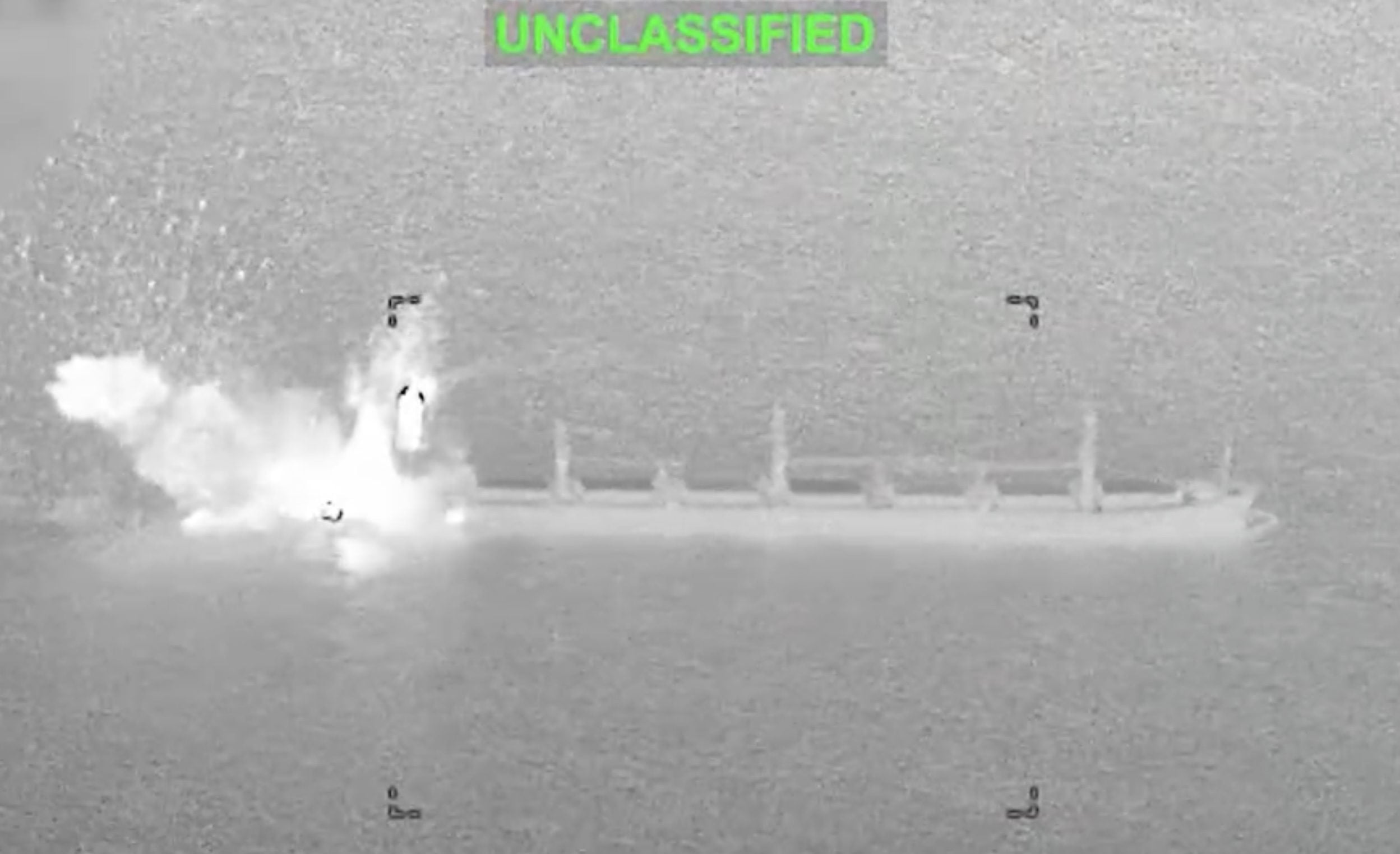
The boarding came a day after CENTCOM publicized another enforcement action involving guided-missile destroyer USS Rafael Peralta (DDG-115), which it said intercepted tanker M/T Stream after the vessel attempted to sail to an Iranian port.
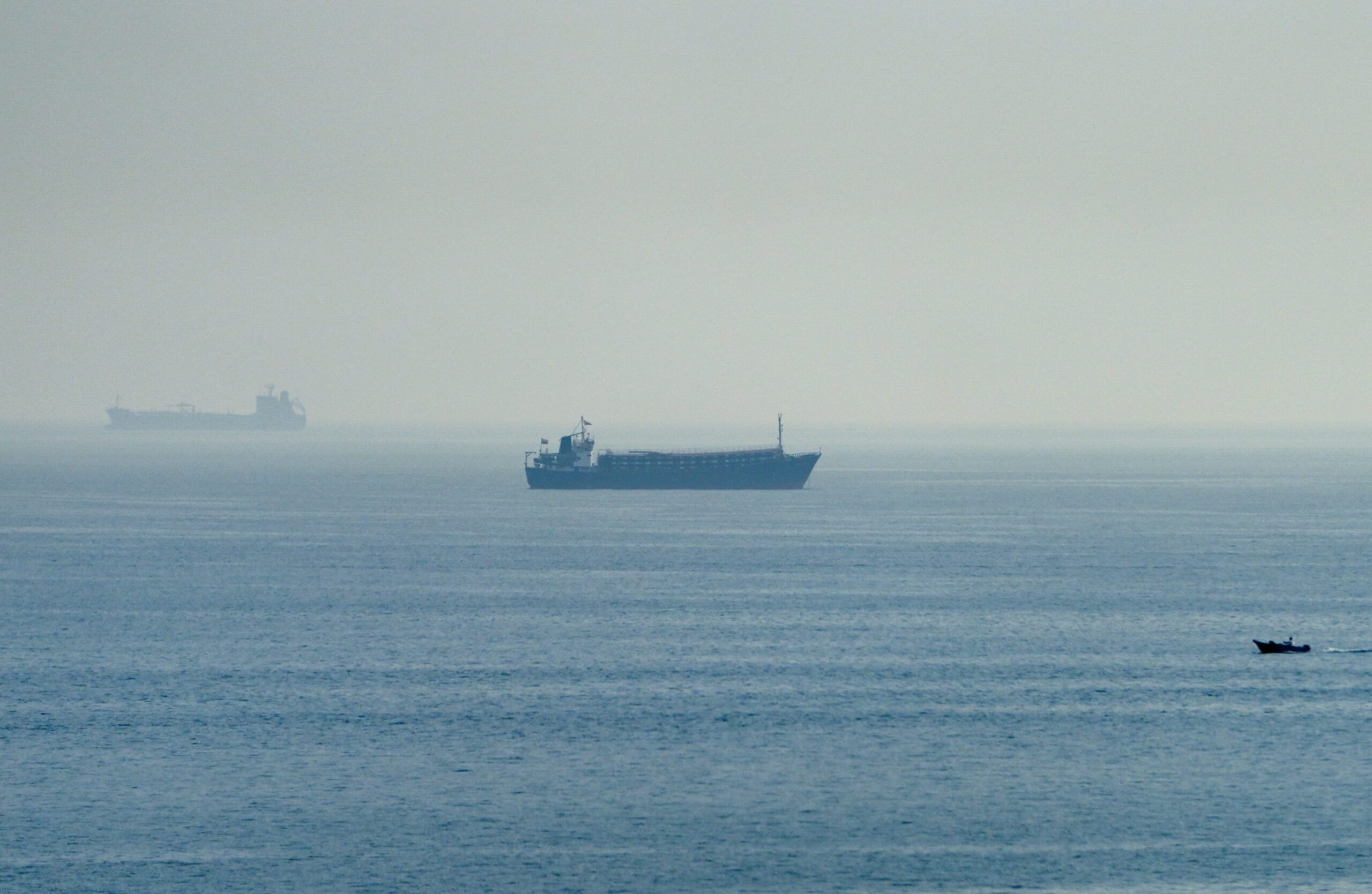
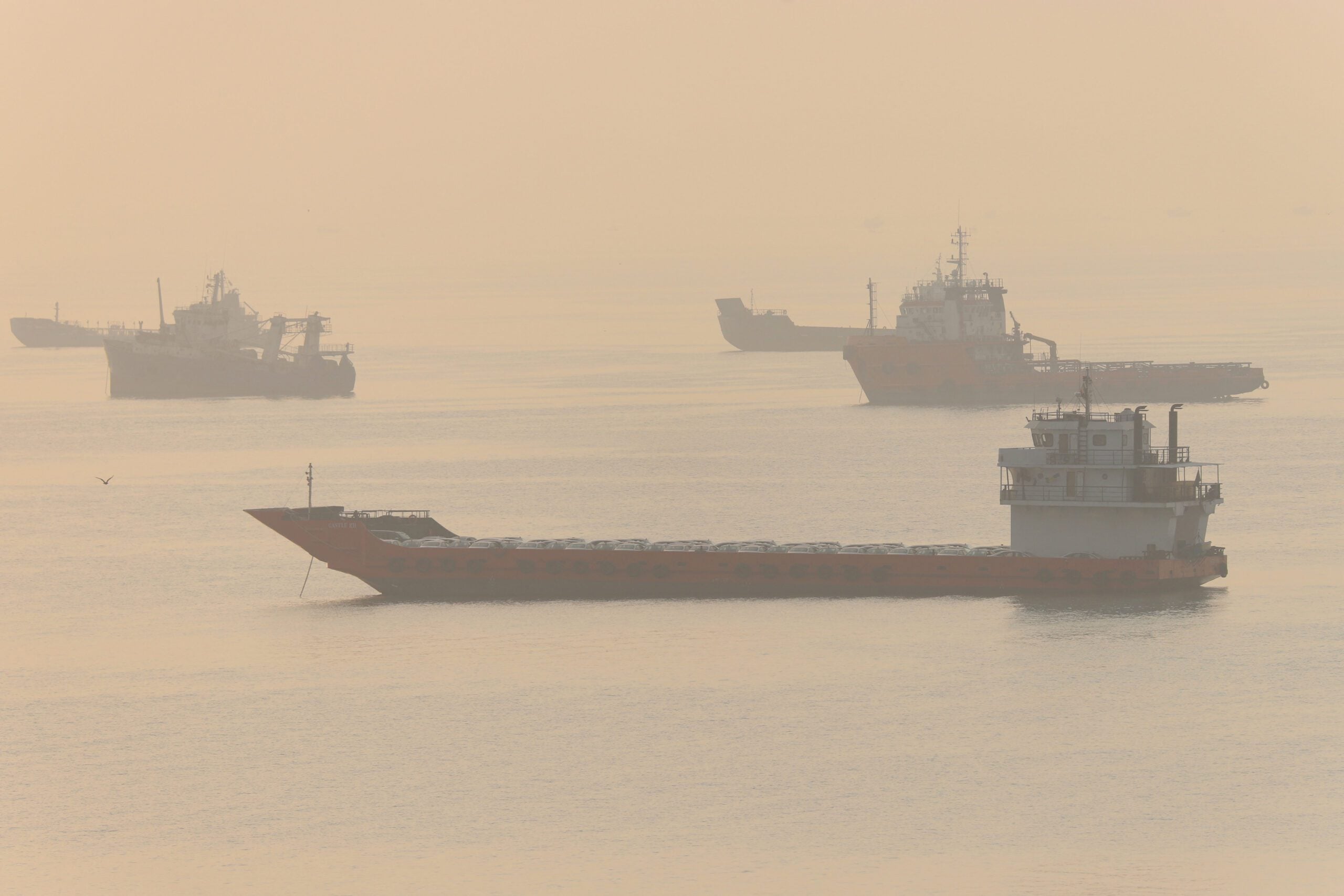
CENTCOM also pointed to mounting congestion at Iran’s southeastern port of Chabahar as evidence the blockade is biting. Before the operation, the command said an average of five ships were moored or anchored at the port on any given day. “Today, more than 20 vessels remain in Chah Bahar,” CENTCOM said, describing the buildup as a sign economic trade moving into and out of Iran is being constricted.
The latest incidents also deepen what has increasingly become a tale of two maritime pressure campaigns in the region: Iran’s efforts to impose conditional routing and controls around Hormuz, and the U.S. effort to choke off access to Iranian ports through naval enforcement.
For commercial shipping, the U.S. interdiction underscores that even vessels engaged in lawful transit, like Blue Star III, may now face boarding risk, inspection delays, and possible diversion.

 Join The Club