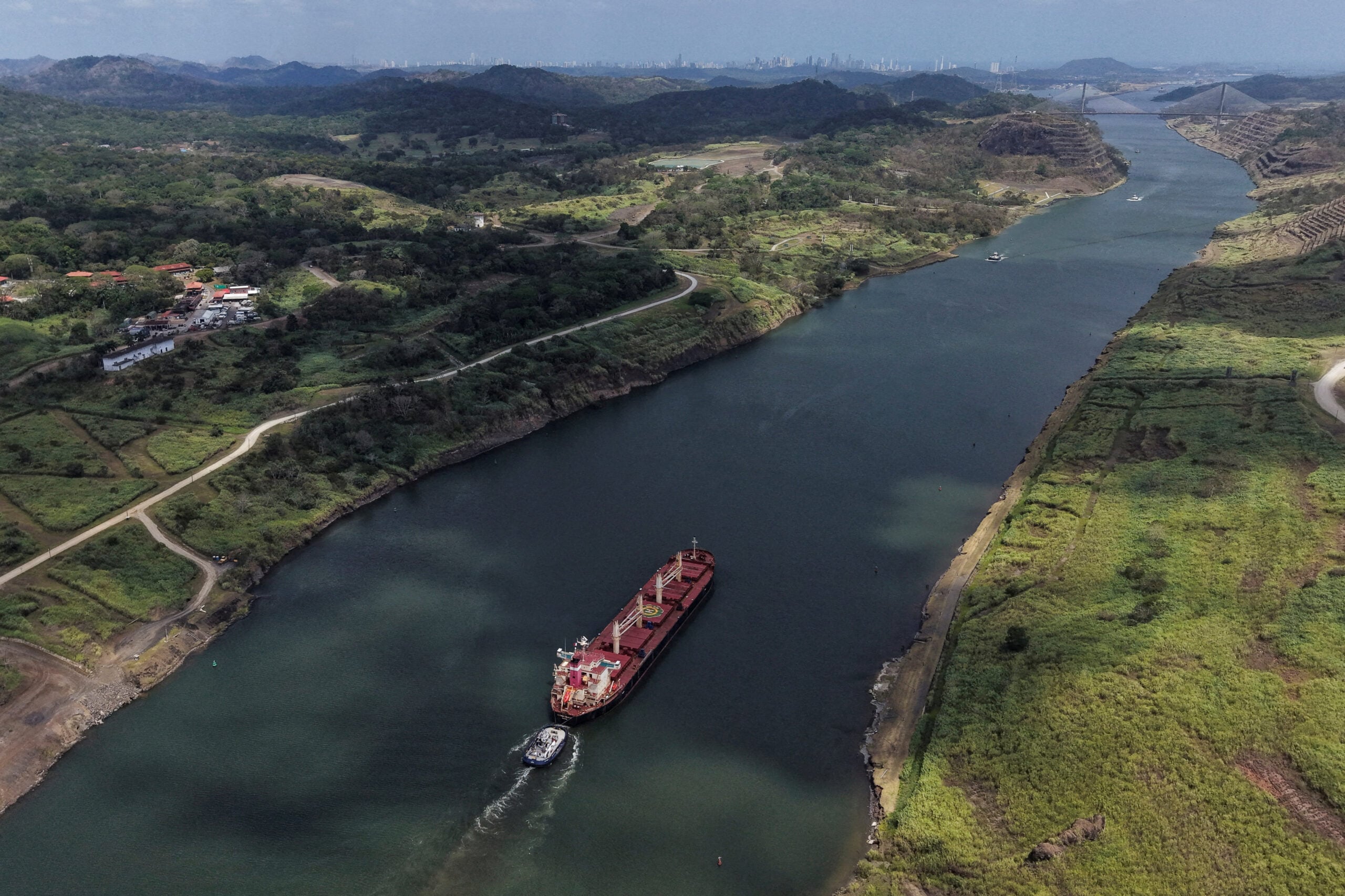
Secretary of State Marco Rubio on Monday released a joint statement with five Latin American and Caribbean governments backing Panama’s sovereignty and condemning pressure tied to recent actions against Panama-flagged vessels, escalating a maritime dispute that has increasingly moved from port concessions into global shipping and geopolitics.
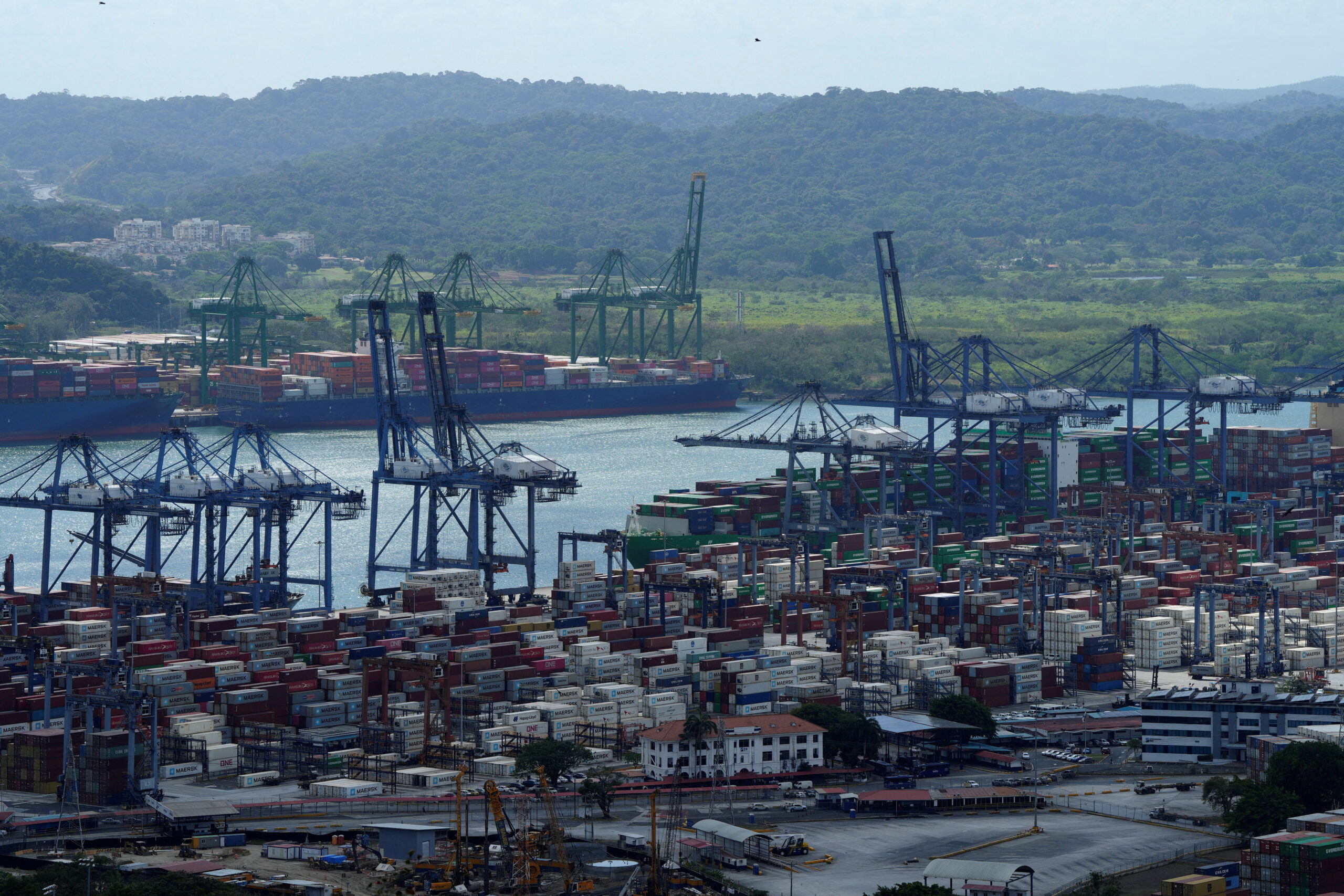
Issued jointly by the United States, Bolivia, Costa Rica, Guyana, Paraguay and Trinidad and Tobago, the statement said the governments were “monitoring with vigilance” what it called China’s “targeted economic pressure” following Panama’s decision earlier this year to remove CK Hutchison Holdings from control of the Balboa and Cristóbal terminals flanking the Panama Canal.
The governments said recent actions affecting Panama-flagged ships were “a blatant attempt to politicize maritime trade and infringe on the sovereignty of the nations of our hemisphere.”
“Panama is a pillar of our maritime trading system, and as such must remain free from any undue external pressure,” the statement said. “Any attempts to undermine Panama’s sovereignty are a threat to us all.”
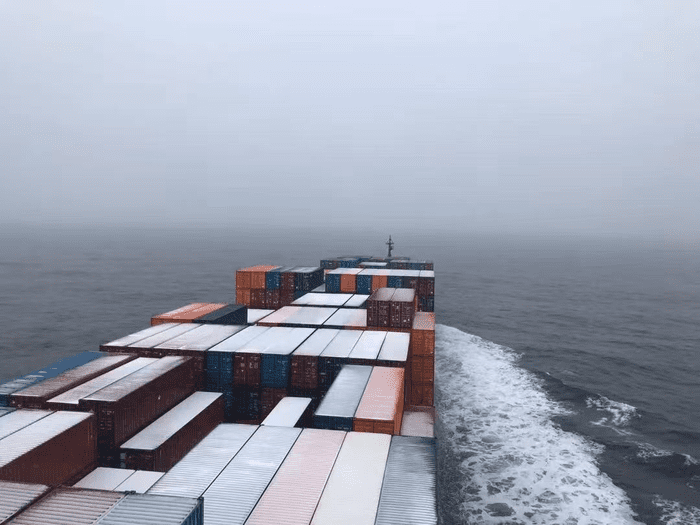
The coordinated statement follows mounting concern over what U.S. officials and shipping observers say is a sharp increase in pressure on Panama-flagged shipping.
In March, Federal Maritime Commission Chair Laura DiBella warned China was using port state control inspections to pressure Panama following the canal port dispute.
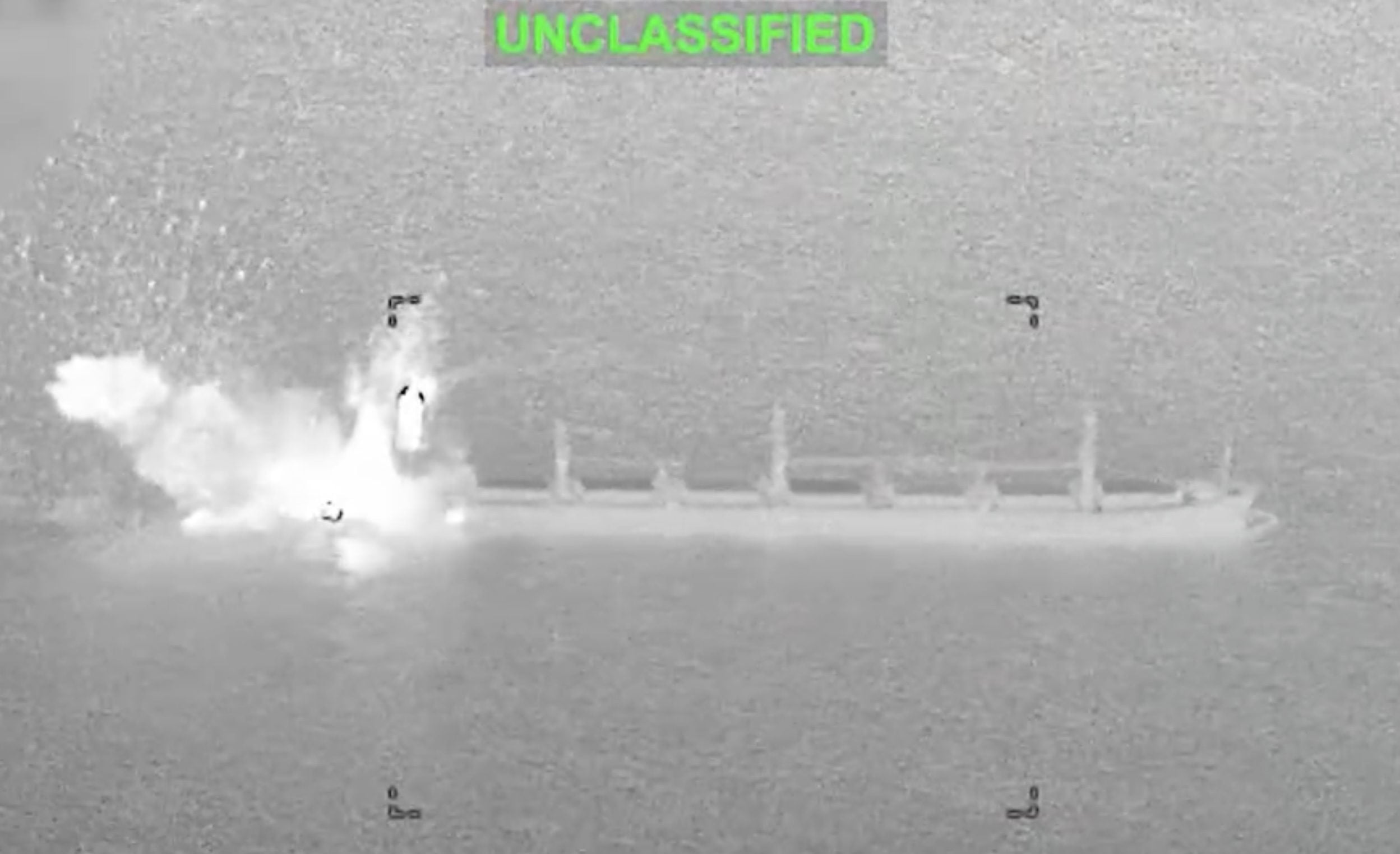
Data analyzed by The Loadstar added to those concerns, showing Panama-flagged vessels accounted for 91 of 123 ship detentions in Chinese ports in March under the Tokyo MOU regime—an abrupt jump from January and February levels and a concentration that drew attention across the shipping industry.
While port state control detentions are formally tied to safety and compliance, the timing of the spike, following Hutchison’s ouster and amid rising diplomatic friction, has fueled allegations that maritime regulation is being used as leverage in a broader geopolitical contest.
That dispute traces back to January, when Panama’s Supreme Court invalidated the legal framework supporting Hutchison’s decades-old concessions, prompting authorities to assume control of the two strategic terminals.
Under temporary arrangements, APM Terminals, part of A.P. Moller – Maersk, took over Balboa while Terminal Investment Limited, controlled by Mediterranean Shipping Company, assumed operations at Cristóbal pending a new concession framework.
Hutchison has since launched arbitration proceedings against both Panama and Maersk, while Beijing has criticized the removal of the Hong Kong-linked operator and rejected U.S. accusations surrounding ship detentions.

 Join The Club