Commodity trading giant Trafigura says the conflict in the Middle East has already removed more than 1.1 billion barrels of oil from global markets and warned that even a near-term peace agreement would not quickly restore energy supplies disrupted by the effective closure of the Strait of Hormuz.
In its half-year financial report released Thursday, the Singapore-based commodities trader described the current disruption as the largest energy crisis in history and estimated that oil supply losses remain around 14 million barrels per day compared with pre-conflict levels. The figure accounts for alternative export routes and pipelines currently being used to bypass the Strait of Hormuz. Without those alternatives, the loss would exceed 20 million barrels per day, according to the company.
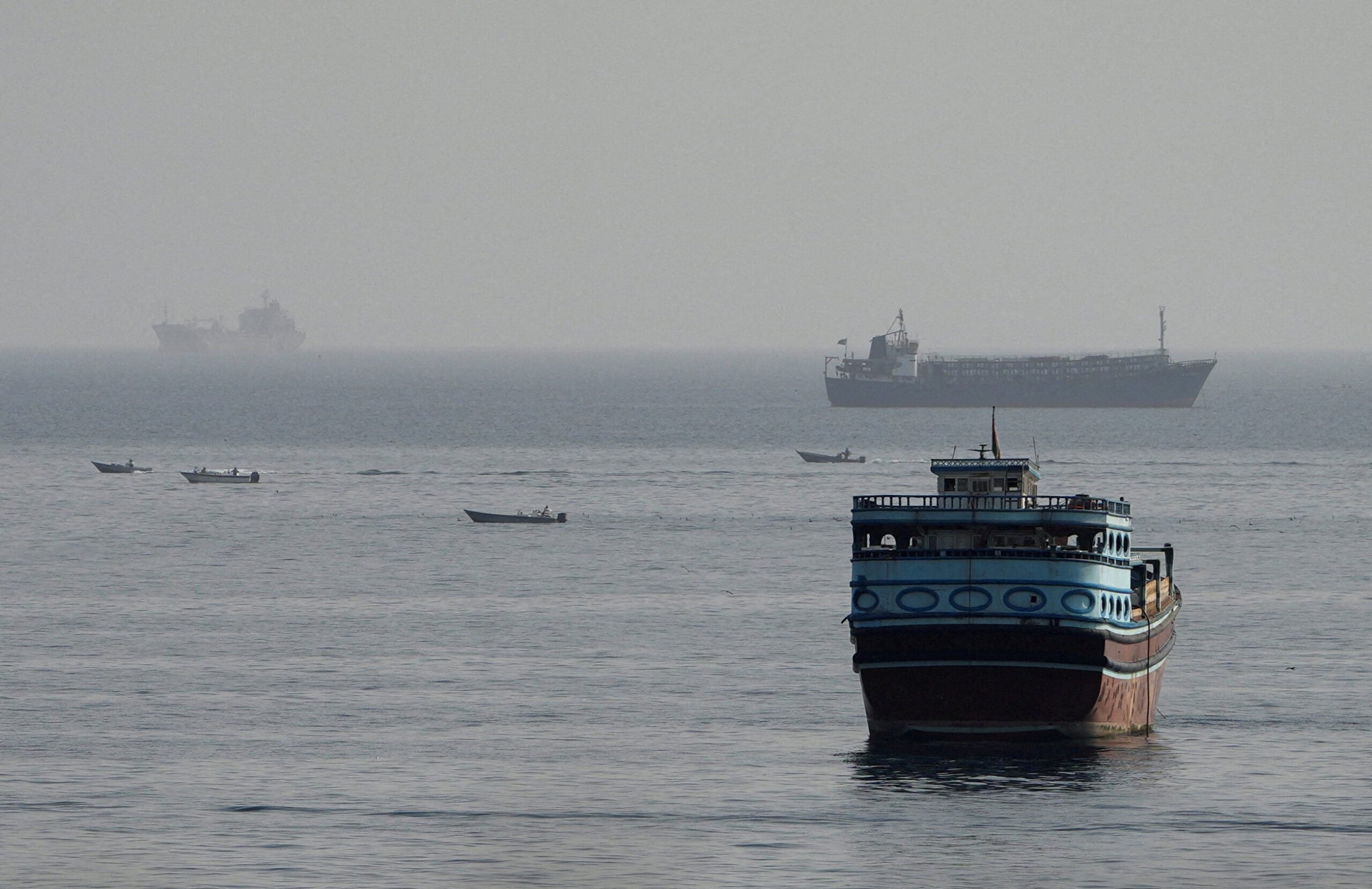
Trafigura said shipping volumes through the Strait of Hormuz remain close to zero due to the threat of attacks on vessels, while oil production, refined product exports, and LNG shipments have all been significantly curtailed. Qatar, which accounts for roughly 20% of global LNG production, has also been unable to produce and export at normal levels during the crisis.
The disruption has driven energy prices sharply higher. Trafigura said Brent crude and diesel prices are approximately 60% above pre-war levels, retail gasoline prices have risen more than 50%, jet fuel prices are up more than 70%, and European natural gas prices have increased about 60%.
Yet despite the magnitude of the supply shock, prices have not risen as dramatically as many analysts expected.
Trafigura Chief Economist Saad Rahim said a combination of elevated oil inventories, strategic petroleum reserve releases, floating cargoes already at sea, and demand destruction in Asia and Africa have temporarily shielded global markets from the full impact of the disruption.
“The factors that have contained prices so far have bought the market time, but not a solution,” Rahim said.
According to Trafigura, that buffer is now rapidly disappearing. The company said OECD commercial inventories are being drawn down at an accelerating pace, with U.S. gasoline stocks already falling to levels typically not seen until after the summer driving season.
The trader warned that restoring production and shipping flows will likely take months even if a peace agreement is reached soon, leaving global markets in a persistent supply deficit.
“With a supply shock of this magnitude, there are simply not enough molecules to meet demand; therefore, demand destruction is required,” the report said.
The comments came as Trafigura reported one of the strongest financial performances in its history, posting net profit of $4.1 billion for the six months ended March 31, nearly triple the $1.5 billion earned during the same period a year earlier. Company executives said much of those profits had already been secured before the conflict erupted in late February, though heightened volatility and supply-chain disruptions subsequently created strong demand for the company’s trading, logistics, and shipping services.
Chief Executive Officer Richard Holtum said periods of disruption reinforce the role of commodity traders in global supply chains.
“When supply chains are under strain, our teams work harder and move faster to identify solutions and manage increased risks,” Holtum said. “Our results are driven by the complexity and cost of delivering those solutions, rather than by elevated commodity prices.”
For the shipping industry, Trafigura’s assessment reinforces a growing consensus that reopening the Strait of Hormuz will be only the first step toward restoring normal trade flows. Even after a ceasefire, depleted inventories, disrupted logistics chains, vessel repositioning challenges, and constrained energy production could continue affecting tanker, LNG, and commodity markets for months.

 Join The Club