The United Nations Security Council heard urgent calls Monday to restore freedom of navigation through the Strait of Hormuz, as world leaders warned disruptions in one of the world’s most critical maritime chokepoints are threatening shipping, energy security and food supplies.
In a high-level Security Council session, António Guterres warned the fallout is already rippling through fuel markets, trade routes and humanitarian supply chains.
“The economic shock has been immediate, and everyone is paying the price,” Guterres told the Council, warning prolonged instability could trigger wider food insecurity, particularly in vulnerable import-dependent regions. He noted the Strait carries roughly one-fifth of global oil trade and nearly one-third of internationally traded fertilizers.
The remarks reinforced warnings from shipowners and security analysts that instability in the Strait is evolving into a systemic risk for global trade.
More than 20,000 seafarers remain stranded and over 2,000 commercial vessels face heightened risks and restrictions, according to U.N. officials. Guterres urged support for an emergency evacuation framework proposed by the International Maritime Organization.
IMO Secretary-General Arsenio Dominguez delivered some of his strongest comments yet, rejecting reported tolls or discriminatory conditions on passage.
“There is no legal basis” for payments or special transit conditions in an international strait, Dominguez said, warning such measures would undermine core shipping norms and set a dangerous precedent.
The session also highlighted rising alarm over the weaponization of critical waterways.
“The world’s critical maritime waterways are not bargaining chips,” the U.S. representative said, accusing Iran of defying Security Council Resolution 2817. Bahrain, the United Kingdom and the United Arab Emirates similarly condemned mining threats, transit restrictions and reported toll demands, with Abu Dhabi calling for compensation for damages.
Several speakers warned the fallout will fall hardest on developing economies. Pakistan cautioned a prolonged disruption would fuel inflation and hurt poorer countries most, while ASEAN states pressed for greater protection for seafarers.
Several maritime nations broadened the debate beyond Hormuz itself, casting the confrontation as a test of security across global chokepoints.
Panama Vice-Minister for Foreign Affairs Carlos Arturo Hoyos condemned attacks involving Panamanian-flagged ships, including last week’s seizure of MSC Francesca.
“No critical maritime route must ever be threatened or used as an instrument of pressure or coercion,” Hoyos said.
Singapore warned the stakes extend far beyond the Gulf. Zhulkarnain Abdul Rahim said erosion of transit passage rights could jeopardize other strategic waterways, noting the Straits of Malacca and Singapore carry even more oil than Hormuz.
The debate also touched on cyber risks, shadow fleet activity and threats to maritime infrastructure, with European officials warning insecurity at sea is becoming broader and more systemic.
Iran pushed back forcefully, arguing the Strait lies within its territorial waters and accusing Washington of escalating maritime coercion.
Iran’s representative said Tehran is not bound by the transit passage regime of the 1982 Law of the Sea Convention and accused the United States of carrying out “a crime of piracy” through seizures of Iranian-linked vessels.
The exchange exposed competing legal narratives that most Council members framed transit rights through Hormuz as non-negotiable, while Tehran argued a coastal state under attack may limit navigation for security purposes.
much of the debate centered on Iranian restrictions, toll threats and mine risks in the Strait itself, criticism of the U.S.-led interdiction campaign came almost exclusively from Tehran, with no other speaker directly condemning the blockade targeting Iranian port traffic.
That diplomatic imbalance did not diminish the operational reality confronting shipping.
That reality gained fresh relevance Tuesday when United States Central Command said more than 20 vessels are now anchored or moored at Chabahar, up from roughly five before the U.S. blockade, portraying the buildup as evidence trade with Iranian ports is being increasingly constrained.
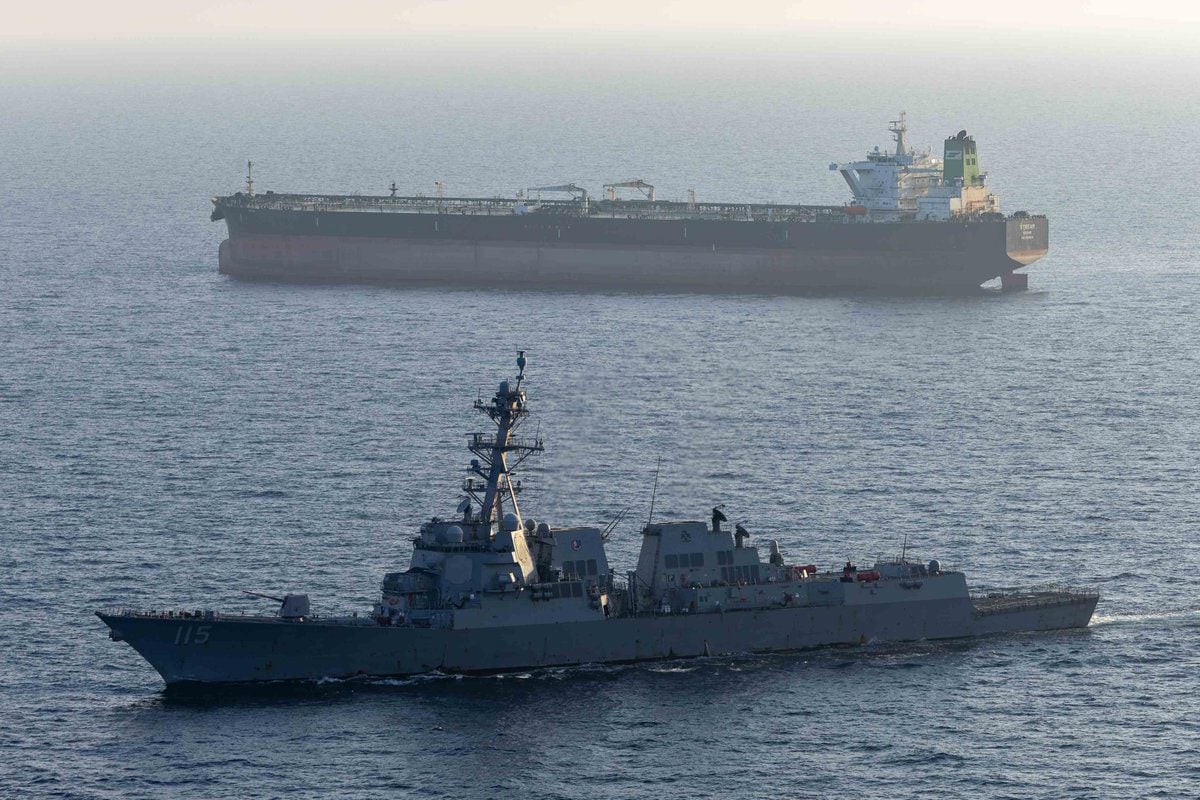
The comment followed recent CENTCOM imagery showing destroyer USS Rafael Peralta (DDG-115) boarding a tanker allegedly attempting to reach an Iranian port. U.S. forces ultimately released the vessel after conducting a search and confirming the ship’s voyage would not include an Iranian port call.
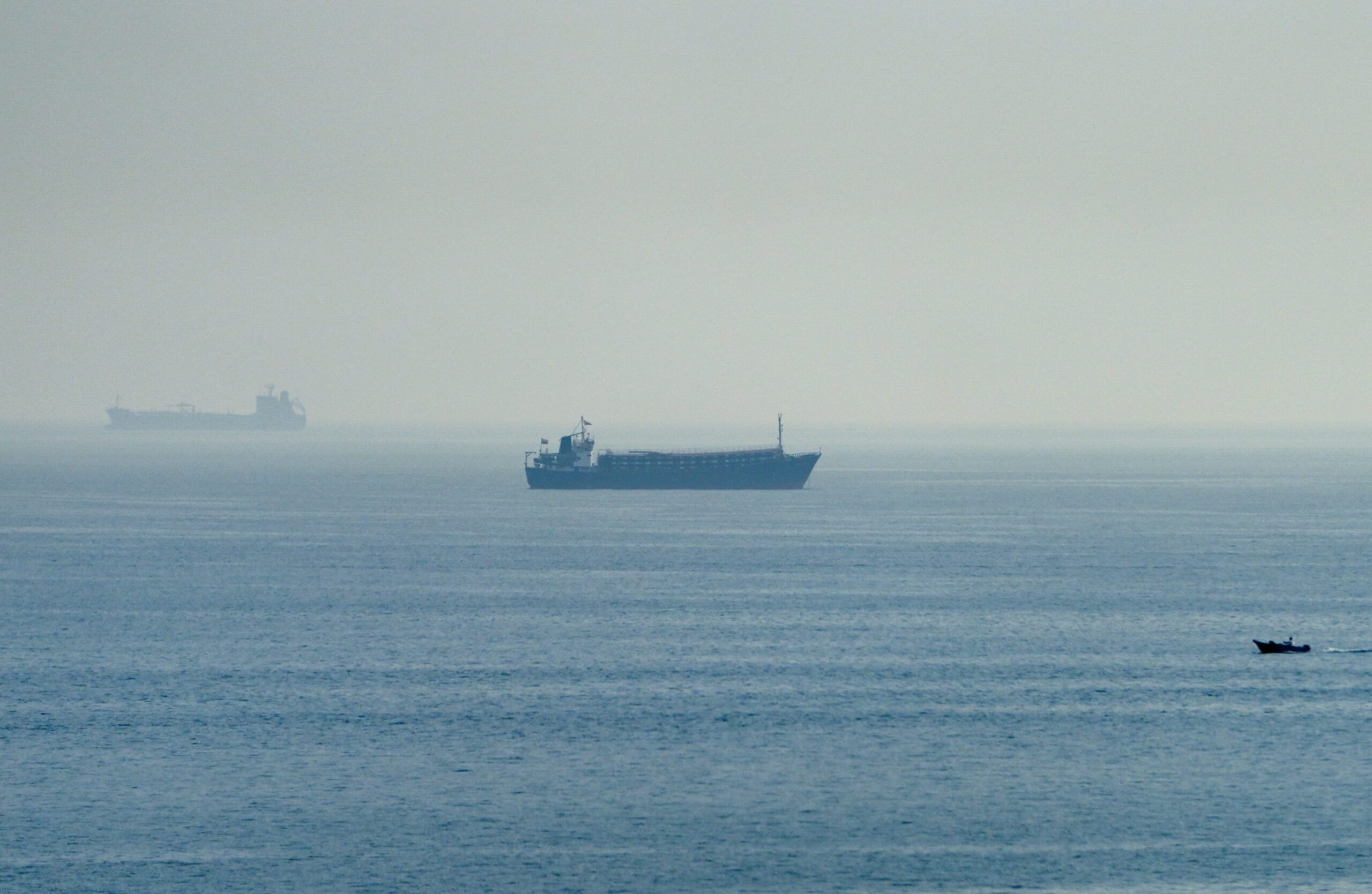
For commercial shipping, that leaves pressure coming from two directions: uncertainty over passage through Hormuz itself, and interdictions involving Iranian-bound trade deeper in the Gulf of Oman.
Together they have created a more complicated operating environment than political claims from either side suggest. For many shipowners the question is whether normal commercial navigation can function under overlapping military and legal pressures.
“Let ships pass,” Guterres urged.
For shipping markets already strained by conflict, insurance disruptions and rerouted traffic, the Security Council debate added diplomatic urgency to what shipowners increasingly describe as a crisis of confidence as much as security.
Tags:

 Join The Club