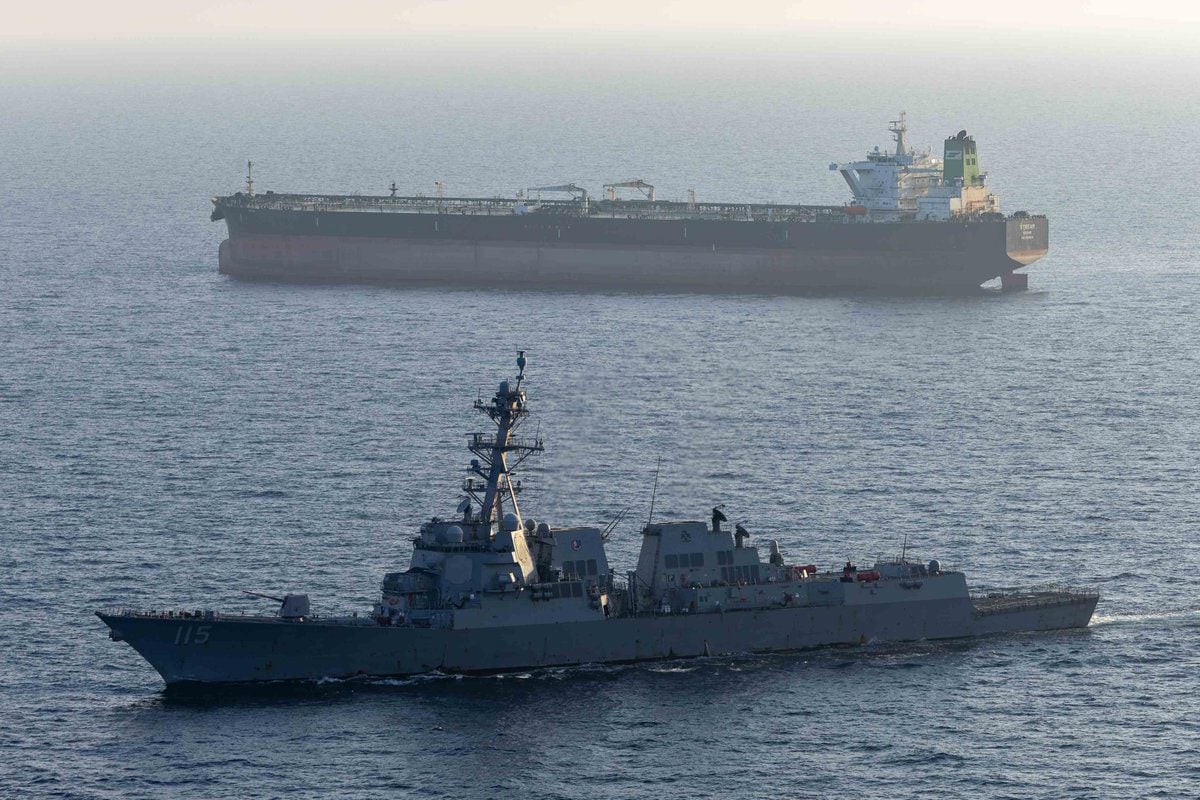
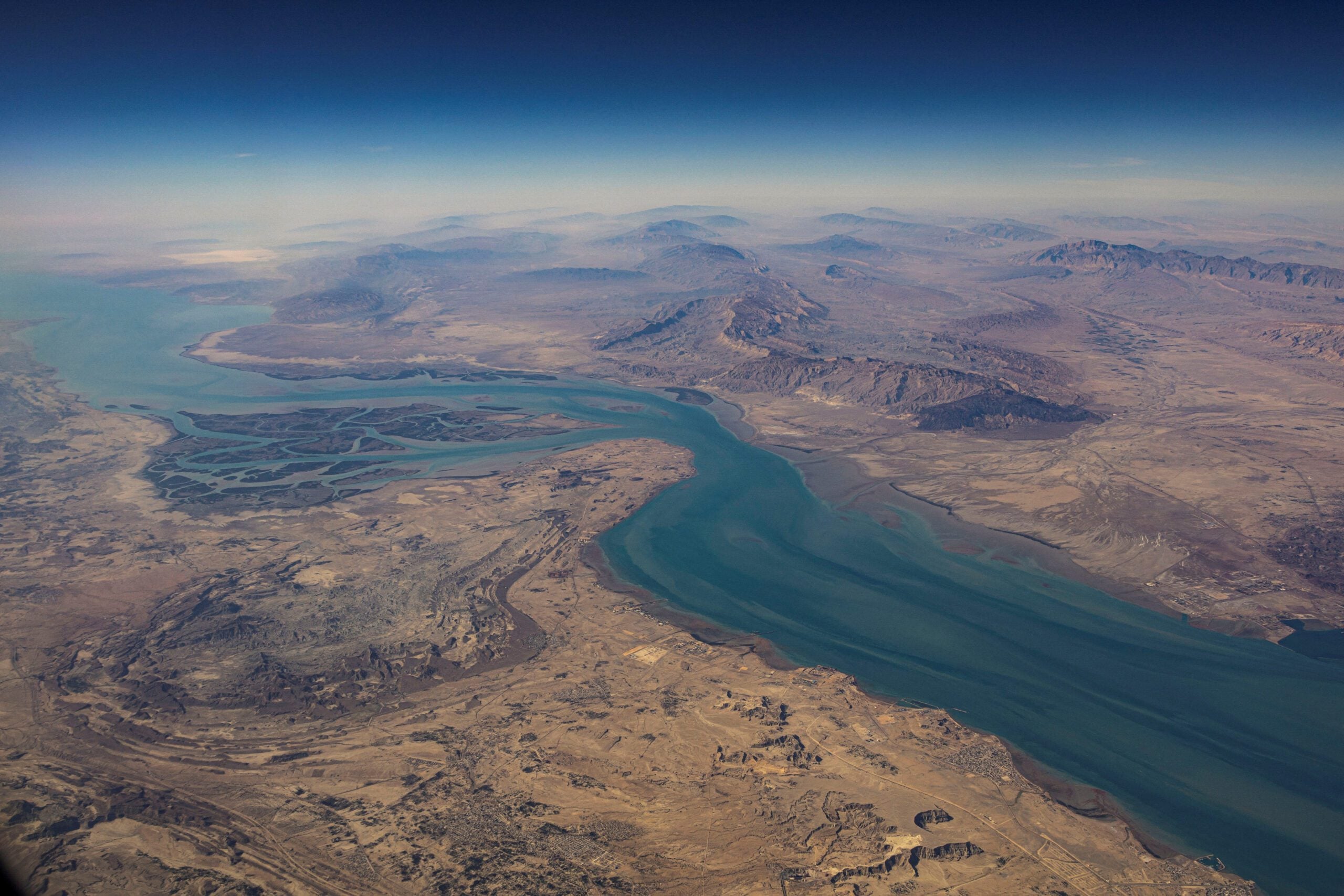
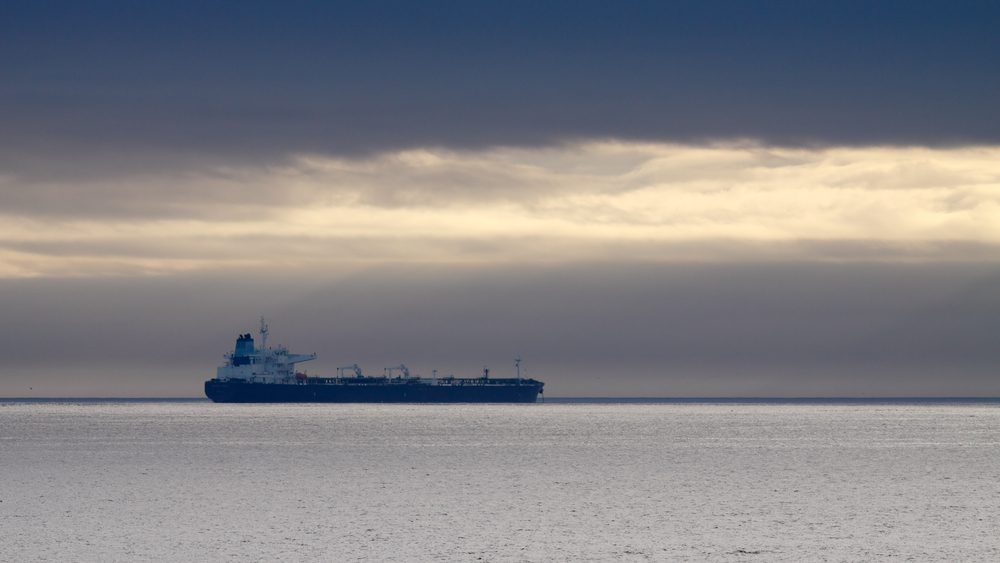
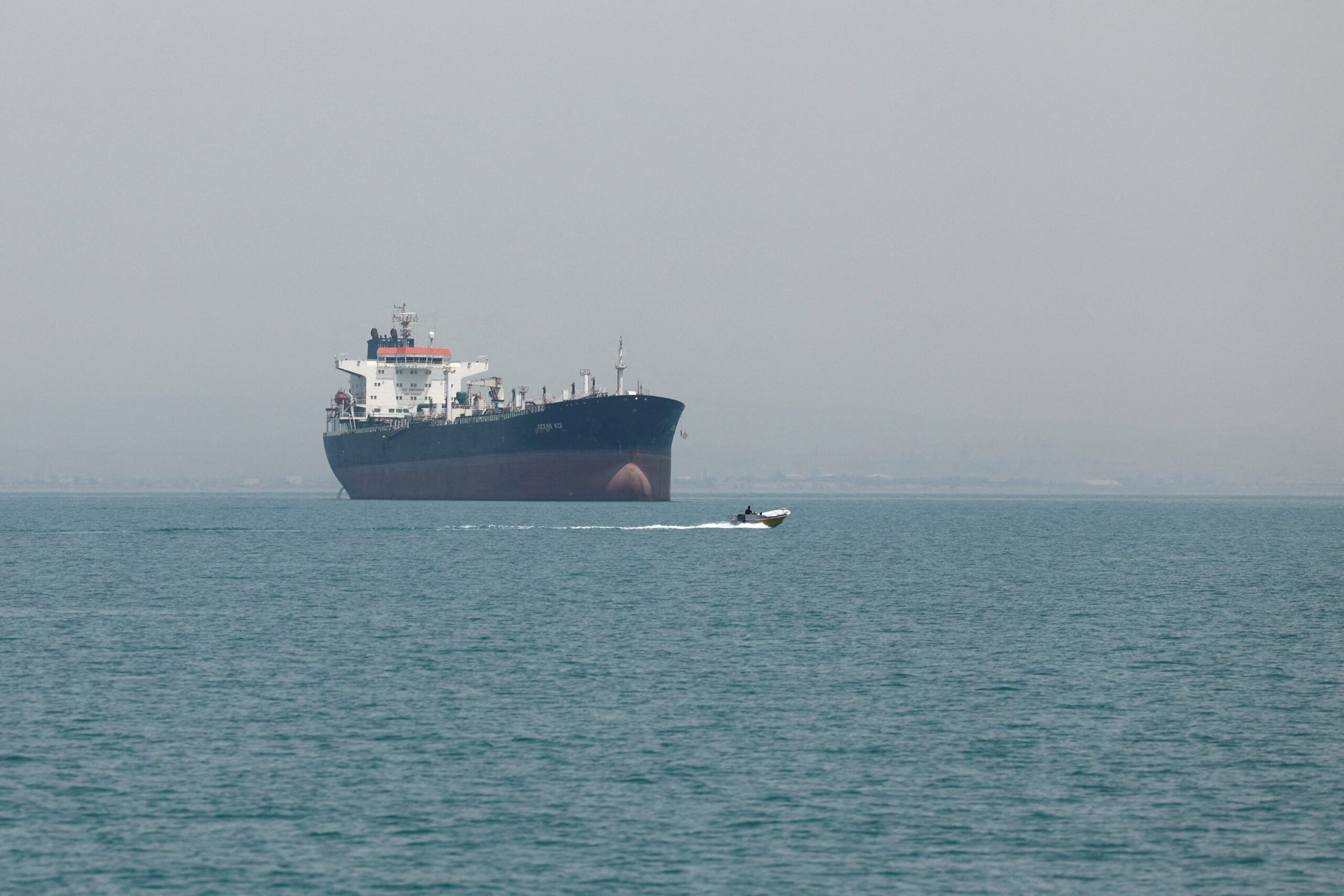
U.S. forces disabled a tanker linked to Iran’s shadow fleet in the Gulf of Oman on Monday, marking the seventh commercial vessel interdicted since Washington imposed a maritime blockade on Iran in April.
In a statement, U.S. Central Command (CENTCOM) said the Palau-flagged tanker M/T Marivex was transiting international waters toward an Iranian port when its crew failed to comply with instructions from U.S. forces.
According to CENTCOM, an F/A-18 Super Hornet operating from USS Abraham Lincoln fired a precision munition into the vessel’s engineering and steering spaces after the crew ignored directions from U.S. forces. The strike disabled the vessel and prevented it from continuing its voyage to Iran.
No injuries were immediately reported. CENTCOM described the tanker as unladen at the time of the incident.
The vessel appears to have a documented history of involvement in Iranian petroleum trade.
Treasury Department records show the tanker was previously known as Arihant (IMO 9464156) and was sanctioned by the Office of Foreign Assets Control in December 2025 as part of a broader crackdown on Iran’s sanctions-evasion network. Treasury said the vessel had transported hundreds of thousands of barrels of Iranian fuel oil and bitumen within the Persian Gulf and identified it as part of Iran’s shadow fleet.
The latest interdiction follows a series of increasingly aggressive maritime enforcement actions by the United States.
Last week, U.S. forces disabled the sanctioned tanker M/T Lexie after it allegedly ignored repeated warnings while attempting to reach Kharg Island, Iran’s primary oil export terminal. CENTCOM said a U.S. aircraft fired a Hellfire missile into the vessel’s engine room after the crew failed to comply with instructions over a 24-hour period.
On Friday, the Department of War announced that U.S. forces had boarded the sanctioned tanker MT Davina in the Indian Ocean, expanding enforcement efforts well beyond the Persian Gulf and Gulf of Oman. U.S. officials have also previously boarded the tankers Majestic X and Tifani as part of a growing campaign targeting vessels accused of supporting Iranian oil exports.
With Monday’s action, CENTCOM said U.S. forces have now disabled seven non-compliant vessels, redirected 134 ships that complied with military instructions, and allowed 42 vessels carrying humanitarian aid to pass since blockade operations began on April 13.
The figures highlight the scale of an enforcement campaign that has evolved from sanctions enforcement against individual shadow-fleet tankers into a broader maritime blockade designed to restrict access to Iranian ports and energy exports.
U.S. military advisories distributed through the Joint Maritime Information Center have repeatedly warned commercial shipping that vessels attempting to enter or leave Iranian ports remain subject to blockade enforcement and could face “disabling and destructive fires” if they fail to comply with military instructions.
While negotiations between Washington and Tehran continue, maritime industry groups have warned that a full recovery in regional shipping will likely require mine-clearance operations, clear transit procedures, and assurances that commercial vessels can navigate the region without risk of military intervention.
For now, vessels seeking to call at Iranian ports continue to face the possibility of direct U.S. enforcement action, even as talks over a broader settlement remain unresolved.
Editorial Standards · Corrections · About gCaptain

 Join The Club