U.S. forces boarded a sanctioned tanker in the Indian Ocean overnight, the latest in a series of interdictions targeting vessels linked to Iran’s shadow fleet as Washington expands maritime enforcement operations far beyond the Strait of Hormuz.
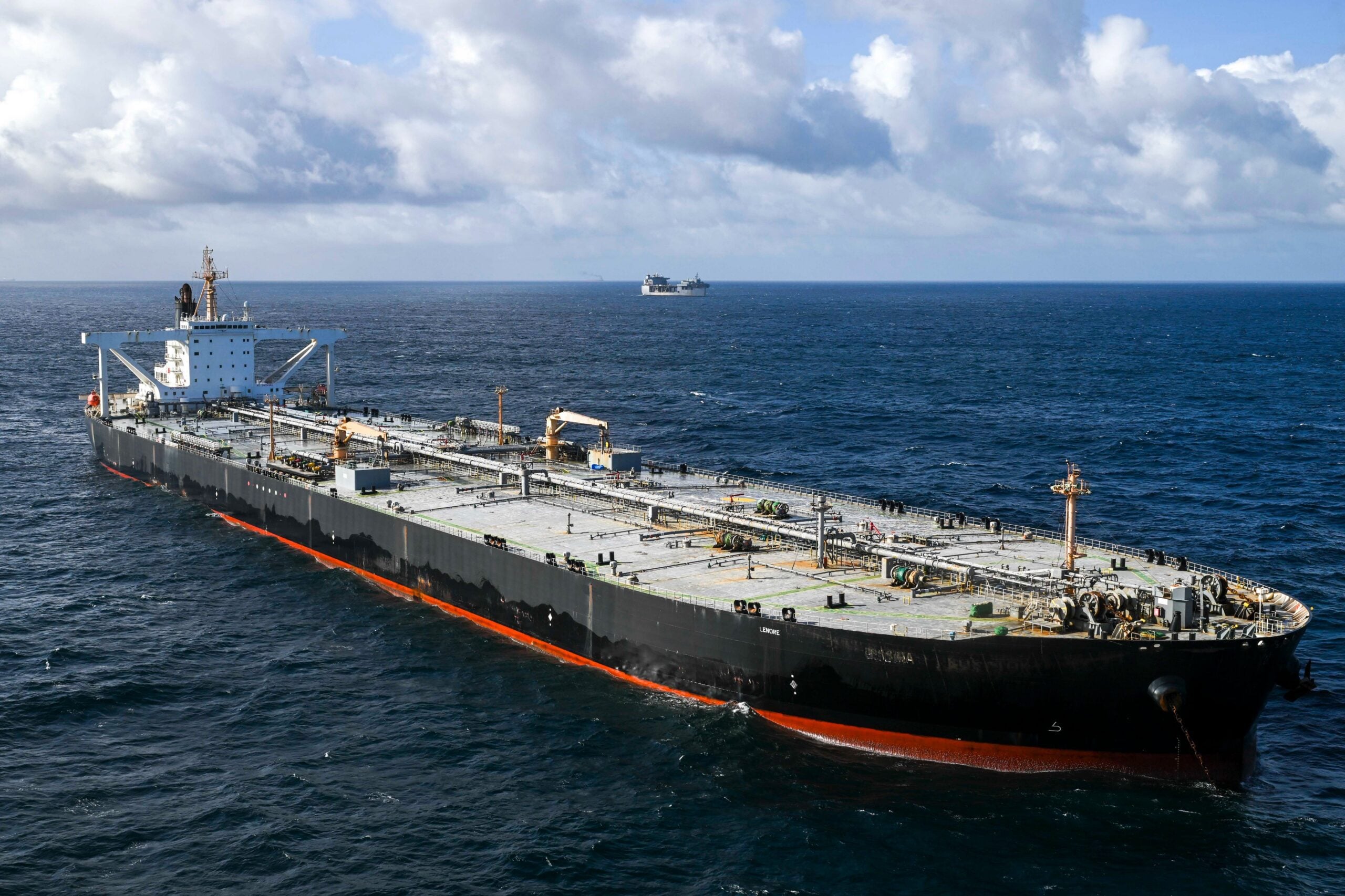
In a statement Friday, the Department of War said U.S. forces conducted a maritime interdiction and right-of-visit boarding of the stateless tanker MT Davina within the Indo-Pacific Command area of responsibility.
“We will continue global maritime enforcement to disrupt illicit networks and interdict vessels providing material support to Iran, wherever they operate,” the department said. “International waters cannot be used as a shield by sanctioned actors.”
No details were immediately released regarding the vessel’s cargo, crew, destination, or whether the ship was seized following the boarding.
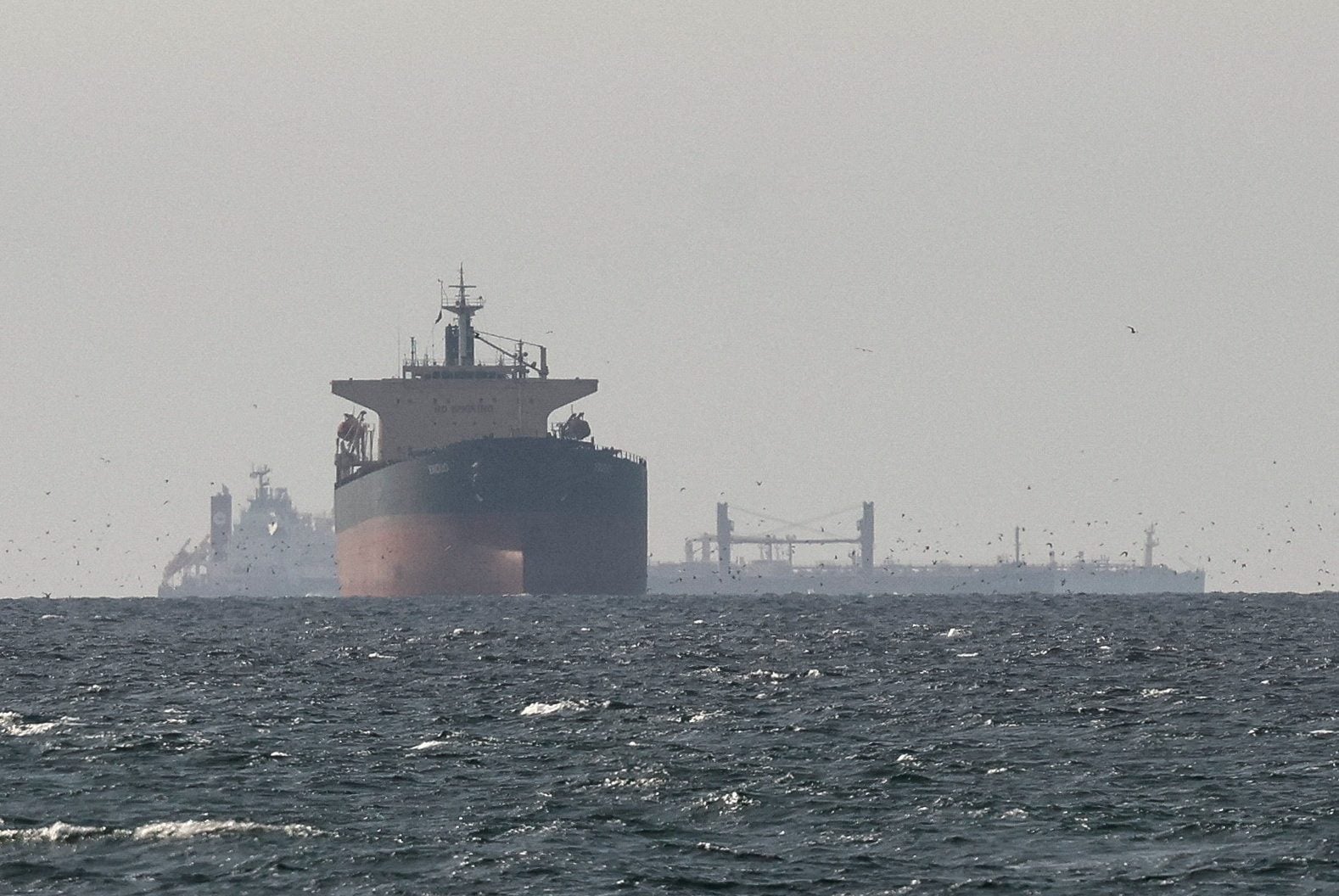
The vessel has been under U.S. sanctions since October 2024, when the Treasury Department identified the Marshall Islands-registered tanker and its owner, Davina Shipping Inc., as part of what officials described as Iran’s “shadow fleet” used to transport sanctioned crude oil to buyers in China. Treasury said at the time that the vessel had delivered Iranian oil to Chinese refineries and was operating in support of the National Iranian Oil Company.
The boarding comes amid an increasingly aggressive U.S. maritime enforcement campaign targeting vessels accused of supporting Iran’s energy exports.
The Davina boarding is at least the third known U.S. interdiction of a sanctioned shadow-fleet tanker in the Indian Ocean since April. U.S. forces previously boarded the tankers Majestic X and Tifani as part of what has evolved from a sanctions-enforcement effort into a broader maritime blockade targeting Iranian oil exports.
Earlier this week, U.S. forces disabled the sanctioned tanker Lexie after the vessel allegedly ignored repeated warnings while attempting to reach Kharg Island, Iran’s primary oil export terminal. According to U.S. Central Command, a U.S. aircraft fired a Hellfire missile into the tanker’s engine room after the crew failed to comply with instructions from American forces over a 24-hour period.
The Lexie incident marked the sixth commercial vessel disabled since the Trump administration imposed its maritime blockade on Iran in April. U.S. officials now say forces have redirected 129 commercial vessels and disabled six others to ensure compliance with blockade restrictions, underscoring the scale of the enforcement campaign.
The latest boarding of the Davina suggests Washington is continuing to expand the scope of those operations beyond the Persian Gulf and Gulf of Oman into the wider Indian Ocean. Unlike the Lexie strike, U.S. officials have not disclosed whether the Davina was disabled, detained, or allowed to continue its voyage following the boarding.
The operation comes as the Treasury Department announced a new round of sanctions Friday under its “Economic Fury” campaign targeting Iranian petroleum exports and financial networks.
The latest measures target a network accused of disguising Iranian-origin liquefied petroleum gas as Omani exports and shipping millions of barrels to buyers across South and East Asia. Treasury also sanctioned multiple shipping companies, traders, exchange houses and six LPG carriers allegedly involved in transporting Iranian fuel exports.
“Iran’s economy is floundering and its military is decimated,” Treasury Secretary Scott Bessent said in announcing the sanctions package. “Through Economic Fury, Treasury will continue to sever Iran’s shadow fleet, shadow banking networks, and access to global trade.”
According to Treasury, the targeted network relied on front companies in the United Arab Emirates and China, foreign bank accounts, and vessels from Iran’s shadow fleet to conceal the origin of Iranian LPG shipments and evade international sanctions. The department said the campaign has already disrupted tens of billions of dollars in revenue that would otherwise have been available to Tehran and its regional proxies.
The latest enforcement actions underscore Washington’s growing focus on maritime sanctions enforcement as a key component of its broader strategy to restrict Iran’s access to global energy markets and financial systems.
Neither the Department of War nor Indo-Pacific Command disclosed whether any contraband was discovered aboard the Davina or whether additional enforcement actions are planned against other sanctioned vessels operating in the region.

 Join The Club