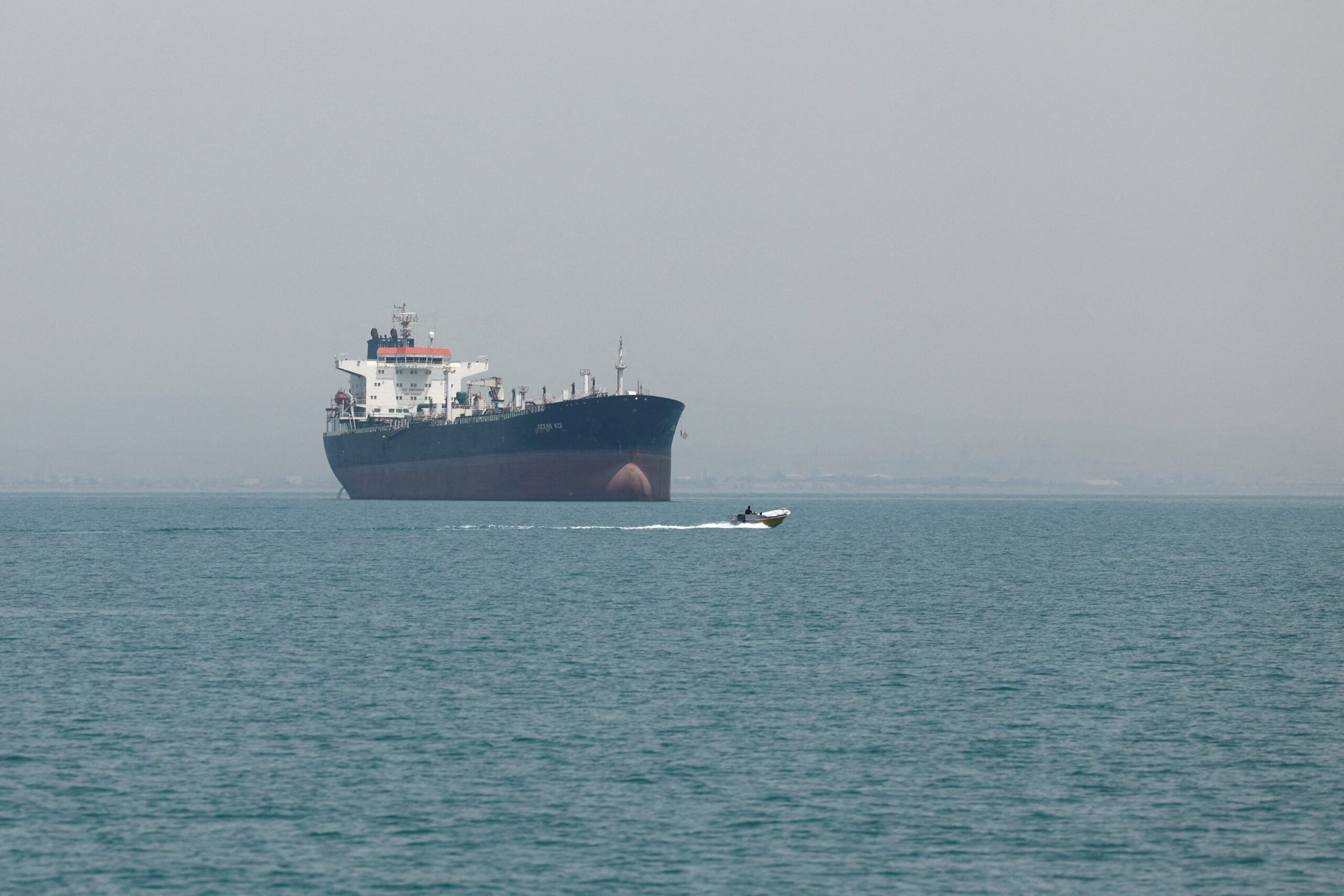
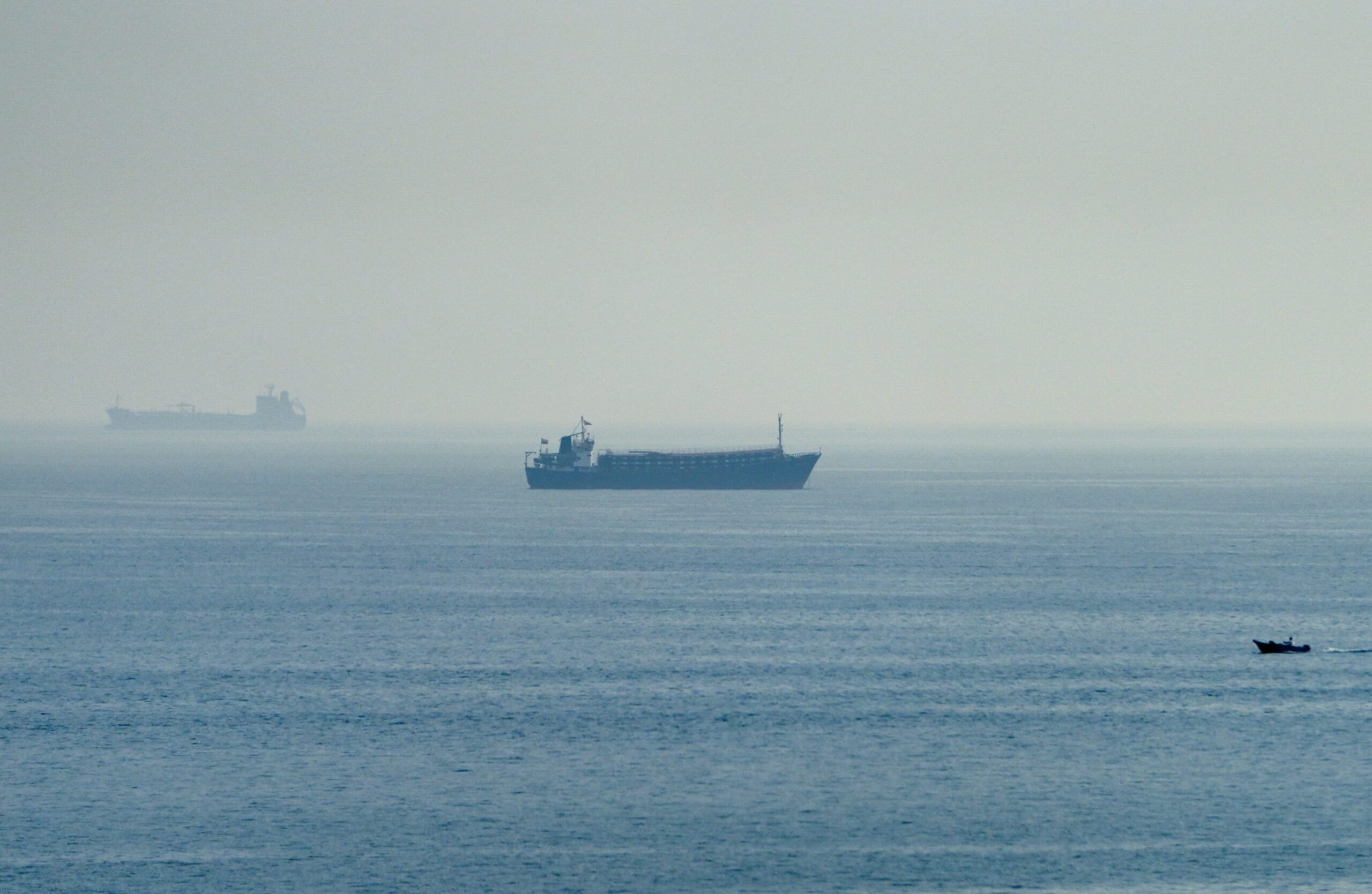
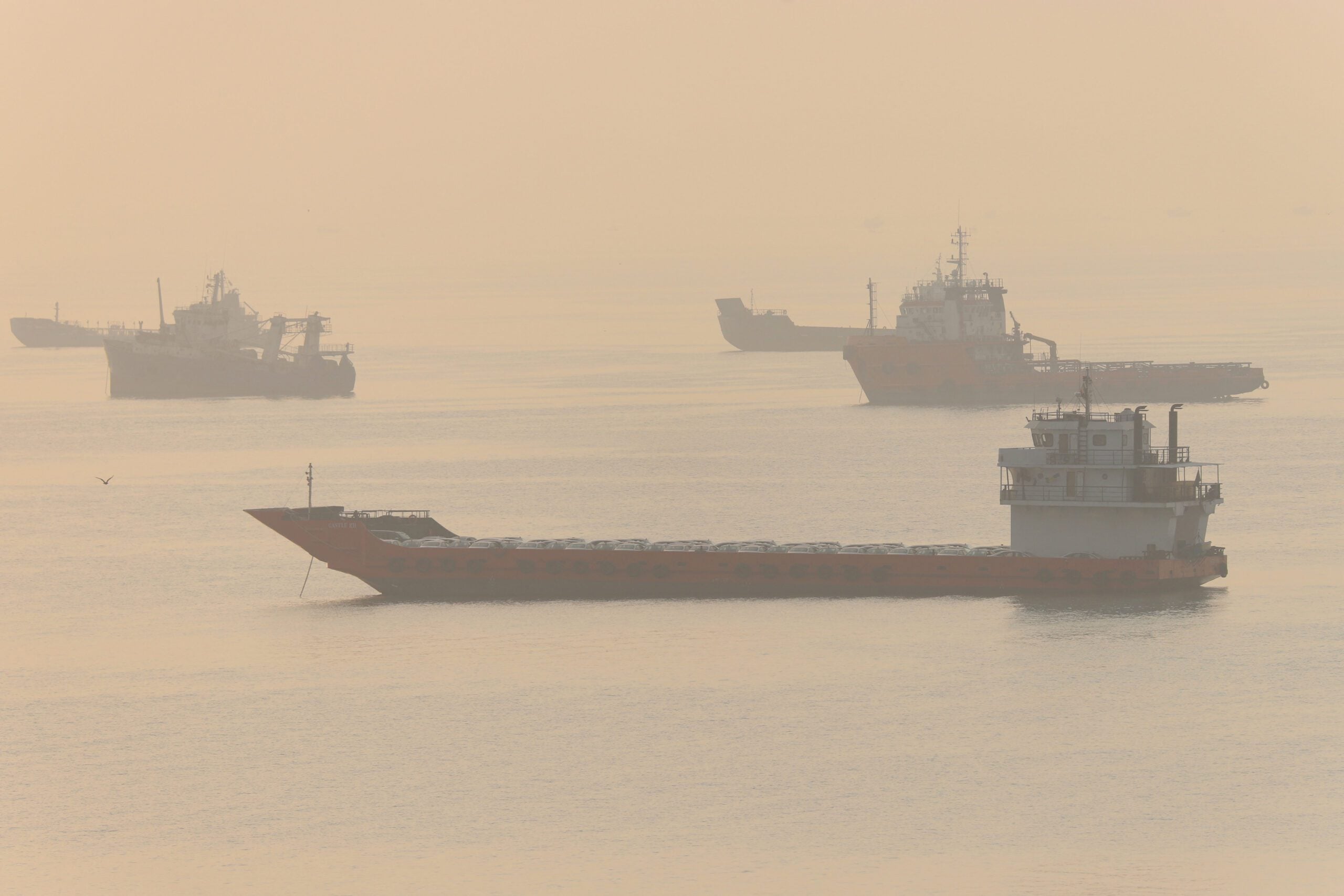
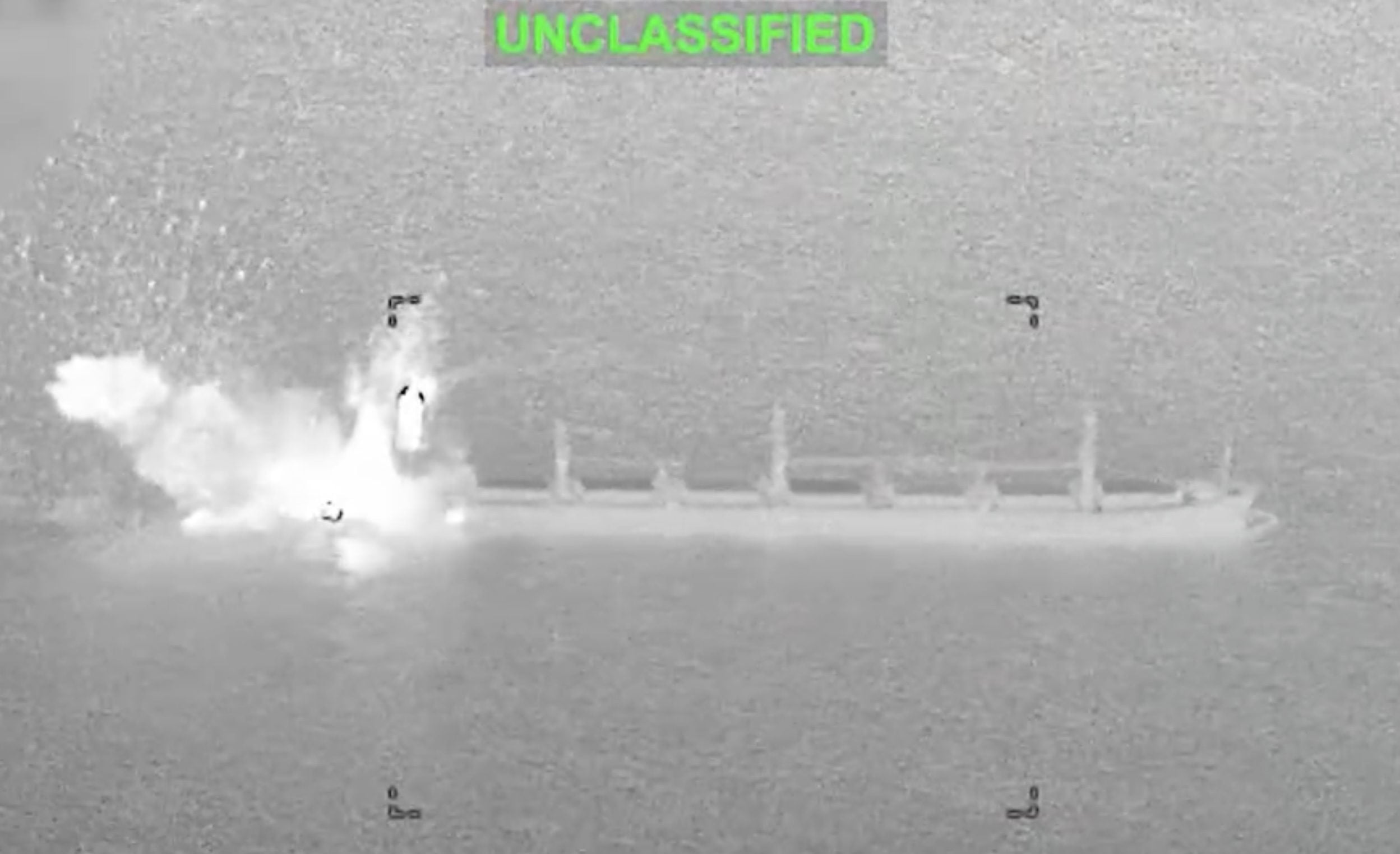
The European Union has imposed sanctions on two Iranian individuals and one Islamic Revolutionary Guard Corps Navy unit over alleged efforts to restrict freedom of navigation through the Strait of Hormuz.
The Council of the EU said Monday it listed the Hormozgan Provincial Command of the IRGC Navy, accusing it of helping operate a toll system for vessels transiting the strategic waterway. The EU said vessels have been required to provide identifying documents, cargo details and destination information, which are then used to screen ships and determine whether they can pass, in some cases after paying tolls.
The Strait of Hormuz remains one of the world’s most important maritime chokepoints, handling roughly one-fifth of global oil and LNG trade.
The EU also listed Mohammad Akbarzadeh, deputy commander for political affairs of the IRGC Navy, and Hamid Hosseini, a representative of Iran’s Oil, Gas and Petrochemical Products Exporters’ Union and a member of Iran’s Chamber of Commerce.
According to the Council, Akbarzadeh has supported IRGC Navy actions undermining navigation in the Strait of Hormuz, including threats against commercial vessels. Hosseini was listed for promoting policies requiring vessels to submit information, undergo assessment and pay transit fees to Iranian authorities for safe passage.
The sanctions come less than two weeks after the U.S. Treasury Department sanctioned Iran’s so-called Persian Gulf Strait Authority (PGSA), which Washington accuses of coordinating with the IRGC and IRGC Navy to impose a permission-based transit regime in the waterway.
According to the U.S. Treasury’s Office of Foreign Assets Control, vessels transiting Hormuz have been required to submit operational information to Iranian authorities and follow routing instructions coordinated with the IRGC Navy in exchange for what Tehran describes as safe passage. Treasury alleges transit fees ultimately benefit the IRGC.
The U.S. designation marked a significant escalation in Washington’s response to Iran’s efforts to formalize control over commercial shipping through Hormuz. Treasury warned that shipowners, insurers, brokers, banks and other maritime service providers could face sanctions exposure for facilitating transactions involving the PGSA or related Iranian entities.
Shipping executives and maritime security analysts have increasingly characterized the system as an attempt to establish a de facto toll and control regime over international shipping lanes.
The EU sanctions include asset freezes and a ban on making funds or economic resources available to the listed individuals and entity. The two individuals are also subject to EU travel bans.
The listings bring the EU sanctions regime under the amended framework to 26 individuals and 27 entities.
The move follows the EU’s May 22 decision to expand its Iran sanctions regime to cover individuals and entities involved in actions threatening freedom of navigation in the Middle East, particularly in the Strait of Hormuz.
In conclusions adopted in March, EU leaders called for full implementation of U.N. Security Council Resolution 2817 and stressed the importance of maritime security and freedom of navigation through the strait. Following the U.S.-Iran ceasefire announced in April, the EU also urged all parties to ensure safe passage through Hormuz in accordance with international law and the United Nations Convention on the Law of the Sea.

 Join The Club